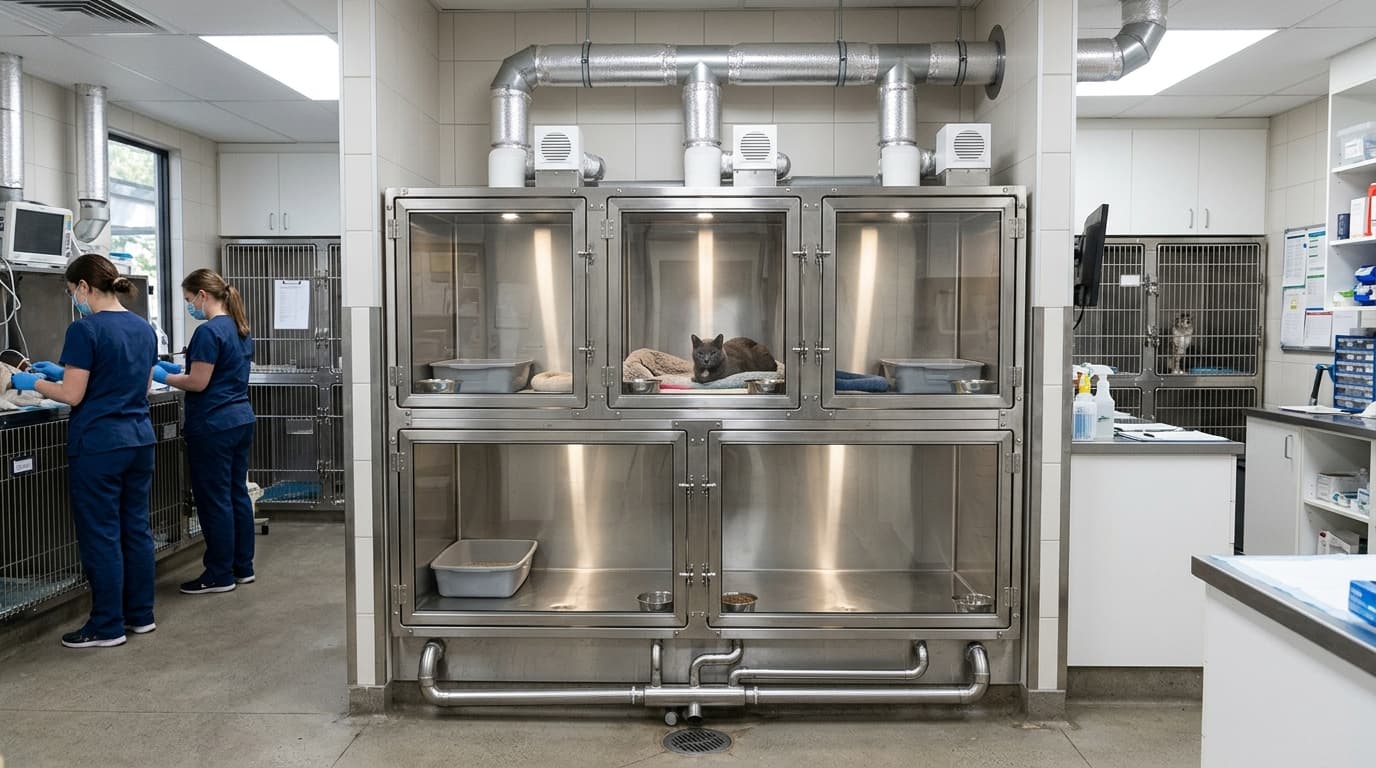
Clinical data indicates that controlling nosocomial infections in feline wards relies heavily on the structural and material integrity of the primary enclosure. For patients suffering from Feline Panleukopenia Virus (FPV) or Upper Respiratory Infections (URI), standard boarding enclosures are insufficient. High-acuity environments require a specialized cat cage designed specifically to limit aerosolized particle transmission, resist highly corrosive disinfectants, and minimize patient stress during the recovery phase. This analysis evaluates the engineering benchmarks, operational workflows, and maintenance protocols necessary to optimize isolation unit performance and reduce cross-contamination risks.
Efficiency Gains: The Numbers Speak
Implementing purpose-built isolation enclosures yields measurable improvements in clinical workflow and infection control. Standard clinical evaluations suggest that units equipped with active negative pressure ventilation can achieve 45 to 60 Air Changes per Hour (ACH), significantly outperforming standard passive ventilation systems. The transition from porous materials or lower-grade metals to a medical-grade stainless steel cage reduces surface pathogen retention times. Furthermore, strategically placed fluid drainage systems cut manual cleaning time, allowing veterinary technicians to allocate more hours to direct patient care rather than structural sanitization.
3 Metrics That Matter in Feline Isolation
Evaluating an isolation unit requires looking beyond dimensions. The clinical efficacy of a cat cage in an infectious disease ward depends on three critical engineering metrics:
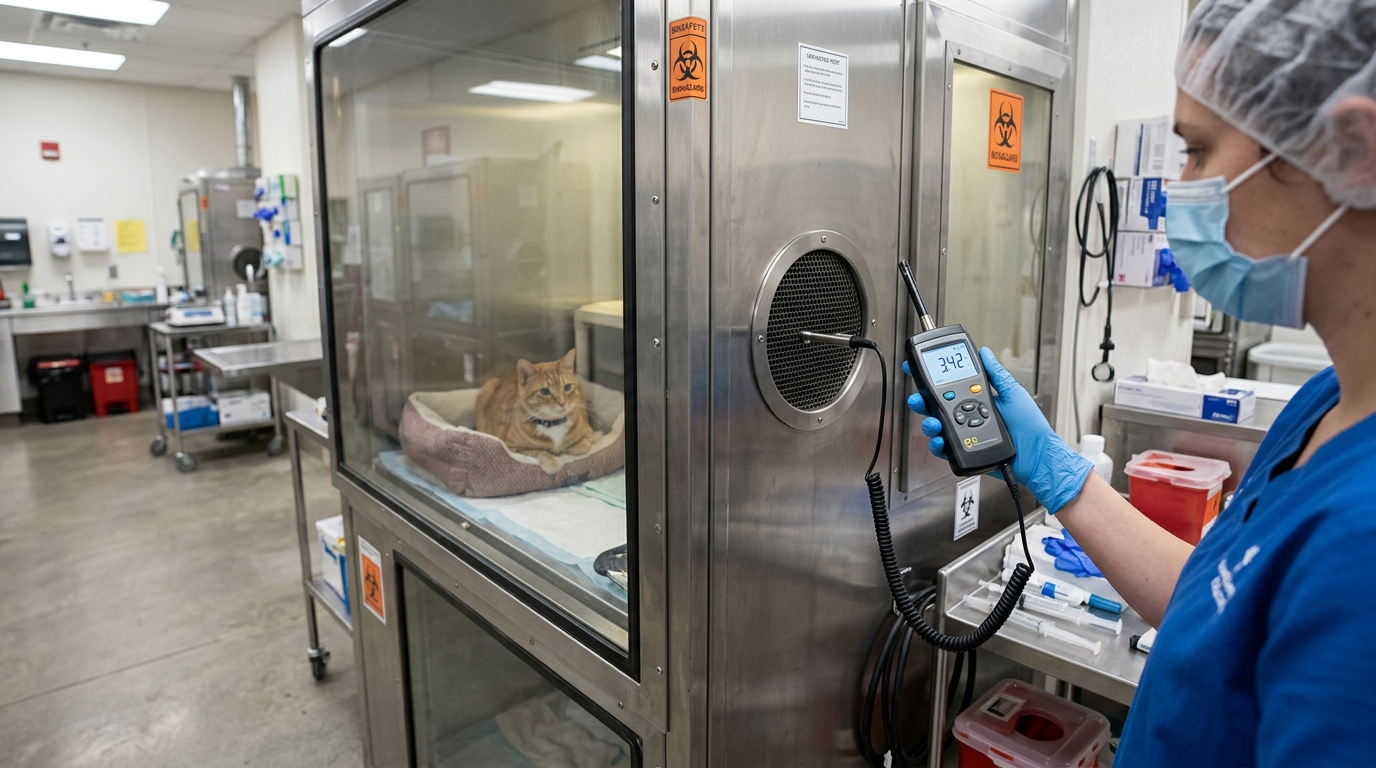
- Airflow Dynamics (ACH): Effective isolation requires maintaining 45–60 ACH to continuously exhaust aerosolized viral particles. Independent exhaust ports prevent contaminated air from circulating back into the general ward.
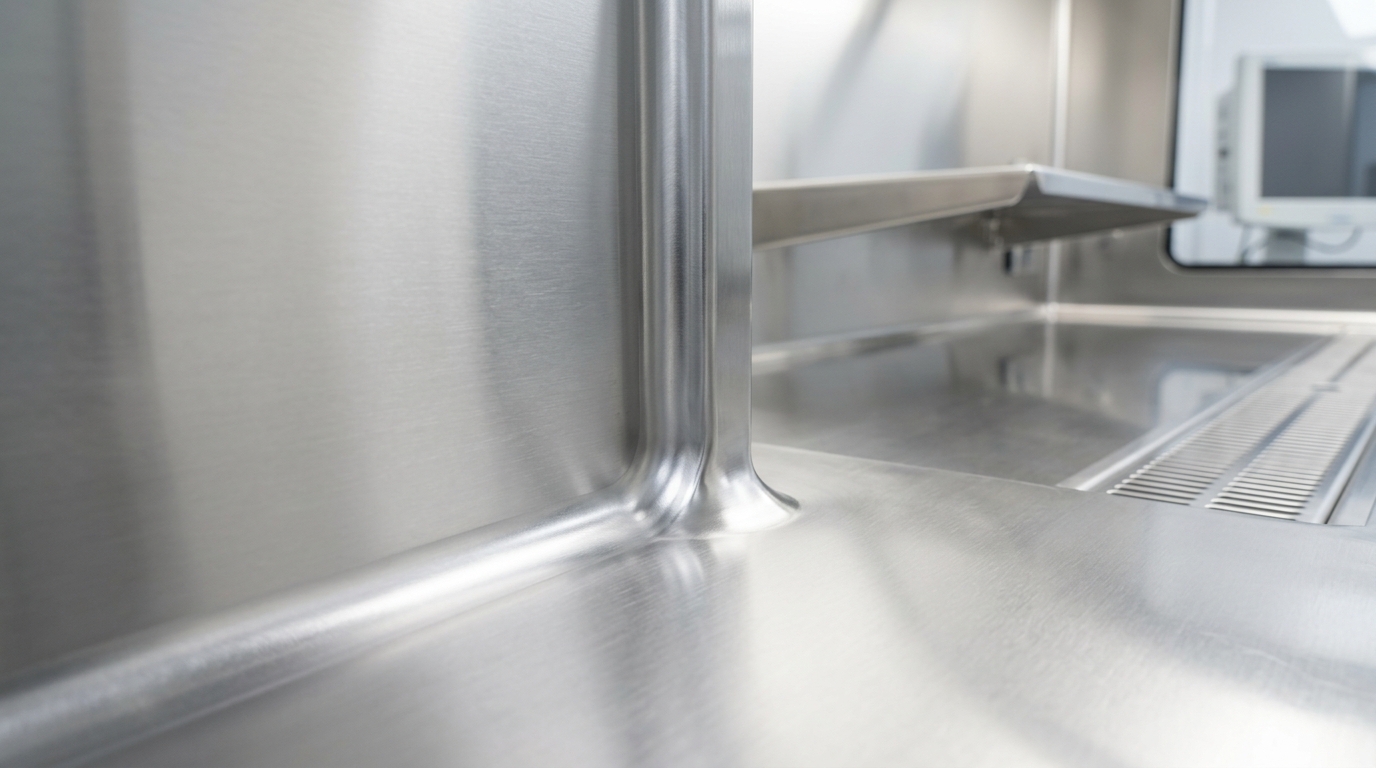
- Alloy Corrosion Resistance: Constant exposure to sodium hypochlorite (bleach) and accelerated hydrogen peroxide necessitates 316L marine-grade stainless steel, which offers higher molybdenum content to prevent pitting and rust compared to standard 304 alloys.
- Acoustic Dampening: Feline patients are highly sensitive to noise. Enclosures with sound-deadening rubber structural mounts and dual-latch systems maintain decibel levels below 60 dB, preventing stress-induced immunosuppression.
Safety Thresholds & Evidence-Based Parameters
Infection control standards, such as those outlined in AAHA Infection Control, Prevention, and Biosecurity Guidelines, dictate strict parameters for patient housing. For respiratory pathogens like Feline Calicivirus (FCV), the spatial separation between infectious units must prevent droplet transmission. Hardware specifications require seamless welding with a minimum radius of 3mm in corners to eliminate micro-crevices where organic matter accumulates. Furthermore, latching mechanisms must withstand a minimum of 1,000 pounds of force while allowing one-handed operation to prevent glove contamination during patient handling.
Methodology & Verification Protocol
To validate the environmental safety of an isolation unit, facility managers must conduct regular assessments. Verification requires a high-precision anemometer placed at the exhaust vent to confirm the 45–60 ACH threshold. Surface sanitation efficacy is measured using ATP (Adenosine Triphosphate) fluorescence testing; a post-cleaning reading of less than 100 Relative Light Units (RLU) confirms that the 5-step sanitation protocol effectively neutralized organic debris and microbial load.
Isolation Unit Selection Matrix
Selecting the appropriate enclosure requires balancing clinical acuity with facility budget. The following matrix compares the standard configurations available for veterinary infectious disease wards.
| Cage Type | Key Technical Parameters | Clinical Scenario | Price Range |
|---|---|---|---|
| Standard 304 Stainless Unit | Passive ventilation, standard welding, basic latch | Routine recovery, low-risk boarding | $300 - $800 |
| 316L Isolation Enclosure | High-grade alloy, seamless interior, fluid drainage | Gastrointestinal infections (e.g., FPV) | $800 - $1,500 |
| Ventilated Acrylic-Front Unit | 45-60 ACH active exhaust, tempered glass/acrylic door | Airborne respiratory pathogens (URI) | $1,500 - $2,500 |
| Smart Incubator ICU | O2 concentration control, precise thermoregulation | Critical care, neonatal viral infections | $2,500+ |
Error Rate: Trained vs. Untrained Staff
Human error during routine operation compromises even the most advanced engineering. Evaluations of daily workflows show a stark contrast between trained and untrained personnel. Untrained staff frequently block active ventilation ports with patient bedding, reducing ACH efficiency by up to half. Additionally, improper application of high-concentration bleach without adequate rinsing accelerates metal degradation. Based on HQS clinical observation in high-volume feline rescue centers, implementing a standardized training module reduces hardware failure rates and ensures isolation protocols remain uncompromised.
Downtime Cost per Hour of Misuse
Equipment downtime in an infectious disease ward creates immediate operational bottlenecks. If an isolation latch fails due to aggressive handling or if a floor panel rusts due to improper chemical dwell times, the unit must be taken out of service. A single inactive isolation unit can cost a clinic substantial revenue daily in diverted cases, not including the direct repair expenses. Utilizing highly durable models, such as the PCG - 06 Cat Cage, mitigates these risks by incorporating reinforced hinges and chemically resistant surfaces that withstand the rigorous demands of an active clinical environment.
Maintenance Interval Benchmarks
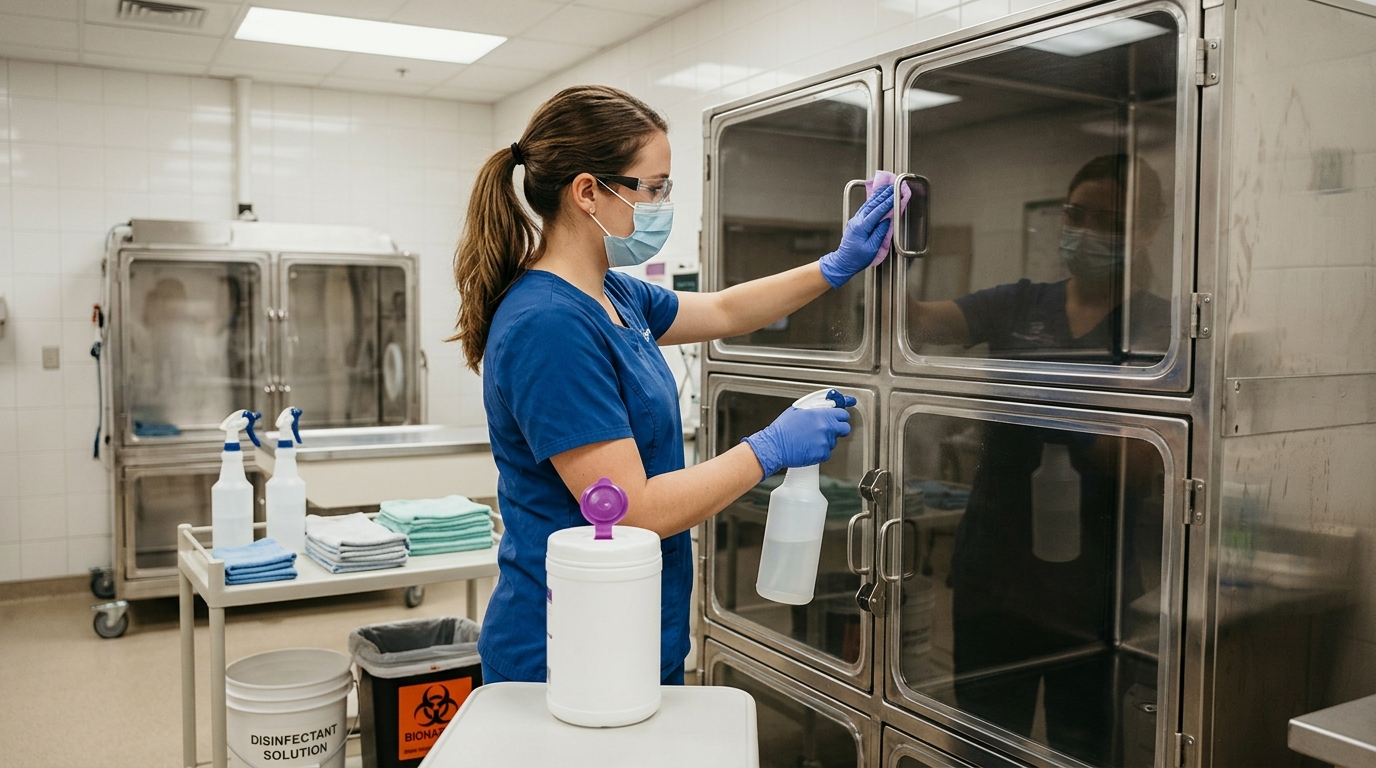
Extending the operational lifespan of a clinical enclosure requires strict adherence to a preventive maintenance schedule. Applying the correct 5-step protocol—remove debris, wash with detergent, rinse, apply EPA-registered disinfectant, and final rinse/dry—prevents premature equipment failure.
| Frequency | Task | Key Action |
|---|---|---|
| Daily | Surface Sanitization & Visual Check | Execute the 5-step cleaning protocol. Inspect latches for secure engagement and hinges for smooth operation. |
| Weekly | Ventilation Clearance | Inspect and clear all passive or active airflow vents of hair, bedding lint, and organic debris to maintain ACH. |
| Monthly | Deep Seam Inspection | Examine interior welded corners and floor joints for early signs of pitting or chemical residue buildup. |
| Annual | Hardware Calibration | Re-tighten structural bolts, lubricate hinges with medical-grade non-toxic silicone, and conduct ATP swabbing audits. |
Data Summary: Optimization Impact
Optimizing isolation units directly influences patient outcomes and facility efficiency. Establishing a baseline of 45-60 ACH, enforcing strict ATP verification, and utilizing 316L alloys create a verifiable defense against pathogen spread. Integrating these standards ensures compliance with industry guidelines while protecting both the veterinary staff and the vulnerable patient population. For further structural evaluation criteria, facility managers can review our strategic buying guide for facility managers.
Frequently Asked Questions
What is the minimum airflow requirement for an infectious disease cat cage?
Clinical guidelines recommend maintaining 45 to 60 Air Changes per Hour (ACH) for units housing patients with airborne respiratory pathogens. This rapid turnover ensures that aerosolized viral particles are actively exhausted rather than circulating into the general clinical environment.
How does 316L stainless steel differ from standard 304 in clinical isolation?
The 316L alloy contains added molybdenum, which significantly enhances its resistance to pitting and corrosion caused by harsh chemicals like accelerated hydrogen peroxide and sodium hypochlorite. This prevents micro-abrasions where bacteria and viruses can evade sanitation efforts.
What is the most common operational failure in feline isolation units?
The most frequent failure is compromised ventilation caused by improper bedding placement. Staff inadvertently block exhaust vents with blankets or litter boxes, which drastically reduces the ACH and creates stagnant, contaminated air pockets within the enclosure.
How can a facility verify the effectiveness of their enclosure sanitation?
Facilities should utilize ATP (Adenosine Triphosphate) fluorescence testing after the final rinse and drying phase. A reading below 100 Relative Light Units (RLU) objectively verifies that the biological load has been safely neutralized, ensuring the unit is safe for the next patient.
Clinical Implementation Roadmap
Integrating high-performance isolation units into a veterinary practice requires a structured approach. First, assess the historical caseload of infectious diseases to determine the necessary ratio of standard to highly ventilated enclosures. Next, evaluate the architectural layout to ensure exhaust systems do not cross-contaminate general surgical or recovery wards. Finally, establish a mandatory training protocol for all technical staff focusing on the precise 5-step chemical application and hardware inspection routine. By aligning procurement specifications with strict clinical workflows, veterinary facilities can establish an isolation ward that maximizes patient safety and equipment longevity.