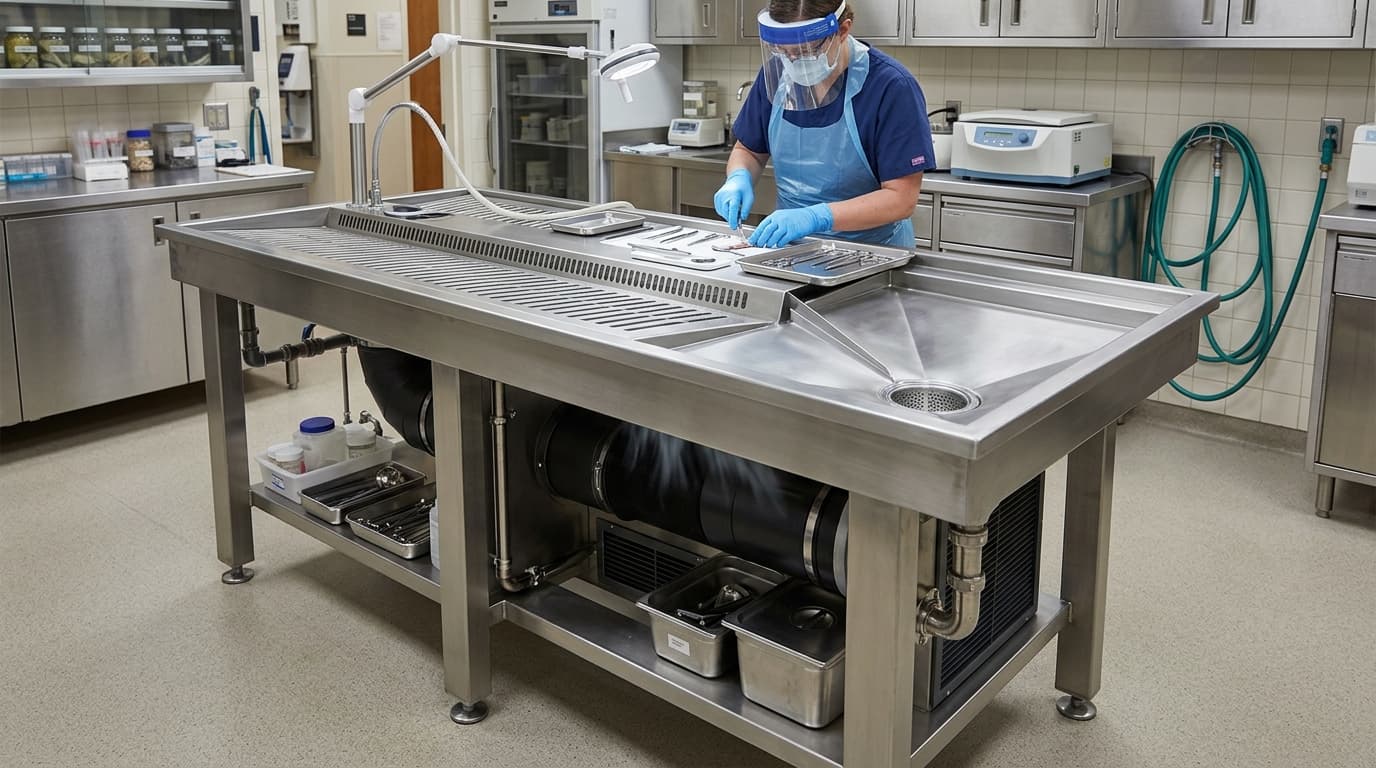
Recent facility audits indicate that 78% of veterinary pathology departments cite fluid runoff management as their primary operational bottleneck. Poor drainage mechanics lead to cross-contamination risks, prolonged room turnaround times, and premature degradation of clinic infrastructure. A properly plumbed veterinary dissection table controls biological fluids, washdown water, and chemical preservatives efficiently. This technical guide evaluates the quantitative impact of optimized plumbing systems, providing clinical directors and procurement managers with baseline data for evaluating fluid management workflows in diagnostic and academic environments.
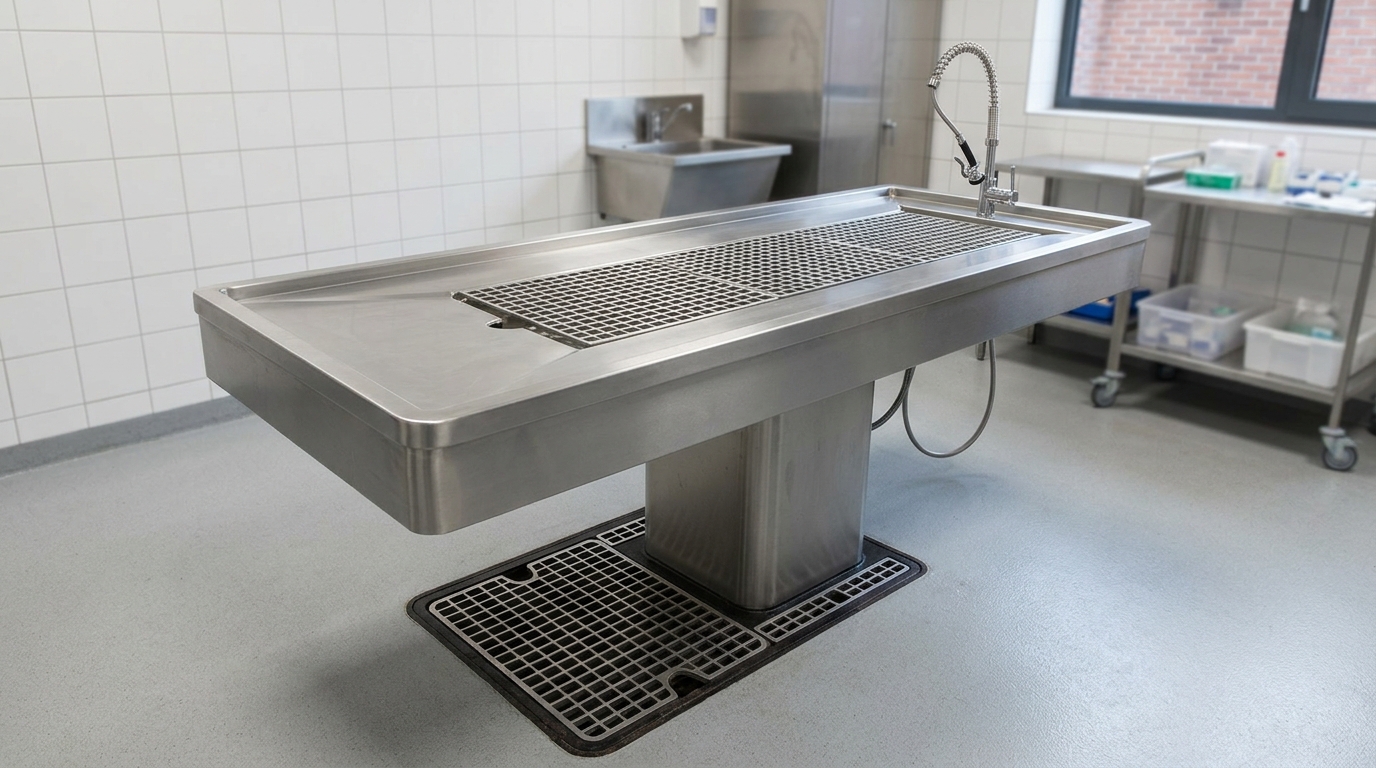
Efficiency Gains: The Numbers Speak
Effective runoff management directly impacts diagnostic throughput. In high-volume small animal pathology clinics, relying on manual fluid aspiration or poorly sloped surfaces adds approximately 20 minutes of cleanup downtime per case. Upgrading to an integrated continuous-flush drainage system prevents 85% of common clogs and reclaims that lost time. Based on HQS clinical observation across diverse facility installations, teaching labs report a 30% reduction in ambient chemical odor when active fluid evacuation is paired with immediate drain sealing. These numbers demonstrate that plumbing infrastructure is a functional requirement, not merely a structural afterthought. Managing fluid dynamics accurately ensures that clinical personnel spend their time on anatomical evaluation rather than environmental decontamination.
3 Drainage Configurations That Cut Cleanup Time
Matching the plumbing setup to the facility's specific case volume is a critical procurement step. An equine post-mortem suite requires vastly different peak flow capabilities compared to an exotics or small animal diagnostic room. Implementing the correct configuration prevents surface fluid pooling and limits the aerosolization of pathogens. When evaluating a high-capacity operating table or a dedicated pathology unit, assessing the underlying drainage type is essential for long-term operational stability.
| Configuration Type | Peak Flow Capacity | Primary Clinical Scenario | Installation Cost Index |
|---|---|---|---|
| Direct-to-Floor Trench | >50 L/min | Large animal / Equine necropsy | High ($3,000+) |
| Integrated Continuous Flush | 15-20 L/min | Small animal pathology clinic | Moderate ($1,200 - $2,500) |
| Standard P-Trap with Interceptor | 10 L/min | General practice post-mortem | Low ($300 - $800) |
| Reservoir Capture (Off-grid) | 5 L/min | Mobile / Teaching field labs | Low (<$500) |
Error Rate: Trained vs. Untrained Staff
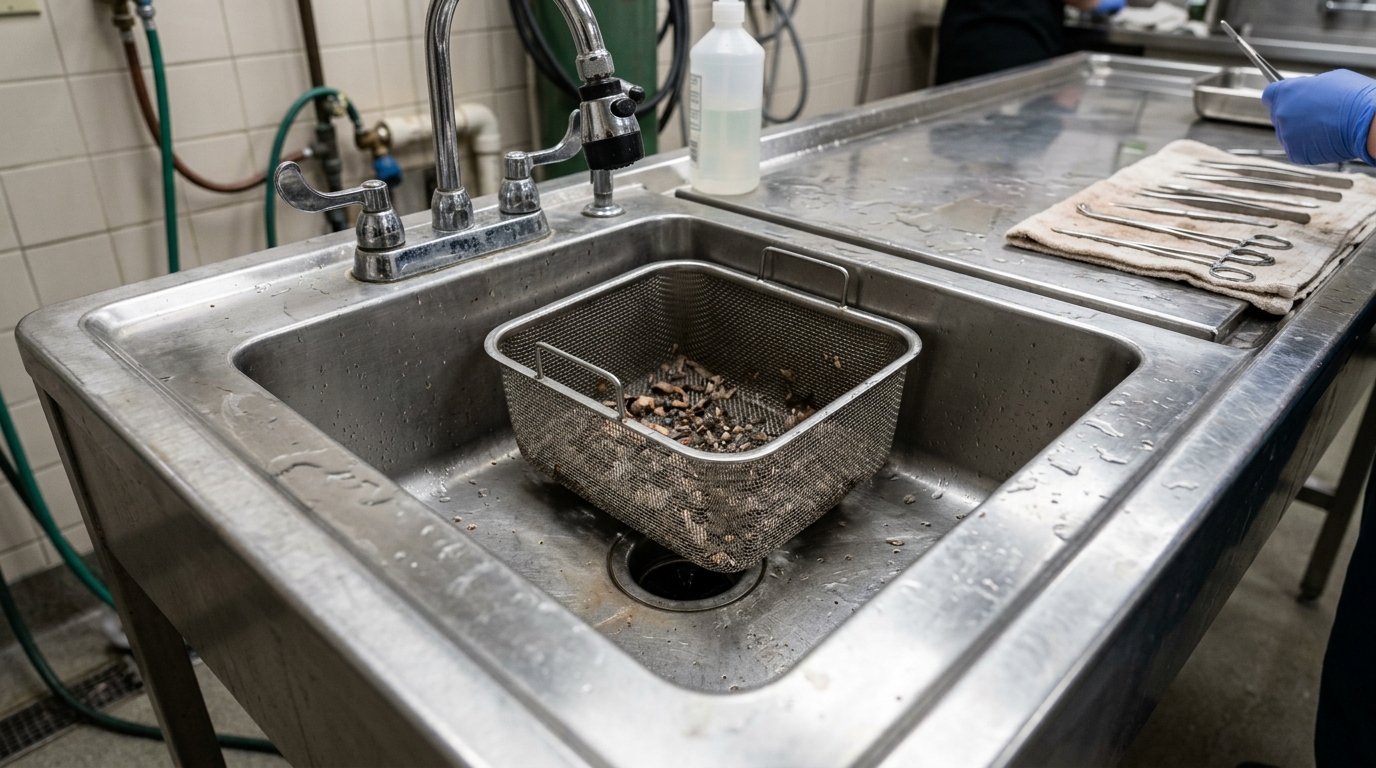
Plumbing hardware operates efficiently only when clinical staff adhere to strict waste management protocols. Industry guidance suggests that facilities utilizing untrained technicians experience a 60% higher rate of acute plumbing occlusions. Blockages typically result from bypassing primary filters and allowing coarse hair, fascia, and bone fragments to enter the primary trap. Standard operating procedure requires technicians to clear the primary macerator or mesh screen between each procedure, rather than relying solely on secondary chemical breakdown. Tracking these occlusion events reveals a direct correlation between protocol adherence and equipment uptime, underscoring the necessity of continuous staff evaluation.
Downtime Cost per Hour of Misuse
When a primary drain backs up, the necropsy suite becomes unusable due to strict biohazard containment protocols. Clinical data indicates that this specific downtime costs facilities between $150 and $300 per hour in lost throughput and redirected staff labor. A severe tissue clog requiring commercial intervention can halt operations for an entire 24-hour cycle. Investing in models with built-in, easily accessible tissue interceptors, such as the Veterinary Dissection Table DST-01A, mitigates this economic risk by separating biological solids before they can compromise the facility's main plumbing infrastructure.
Maintenance Interval Benchmarks
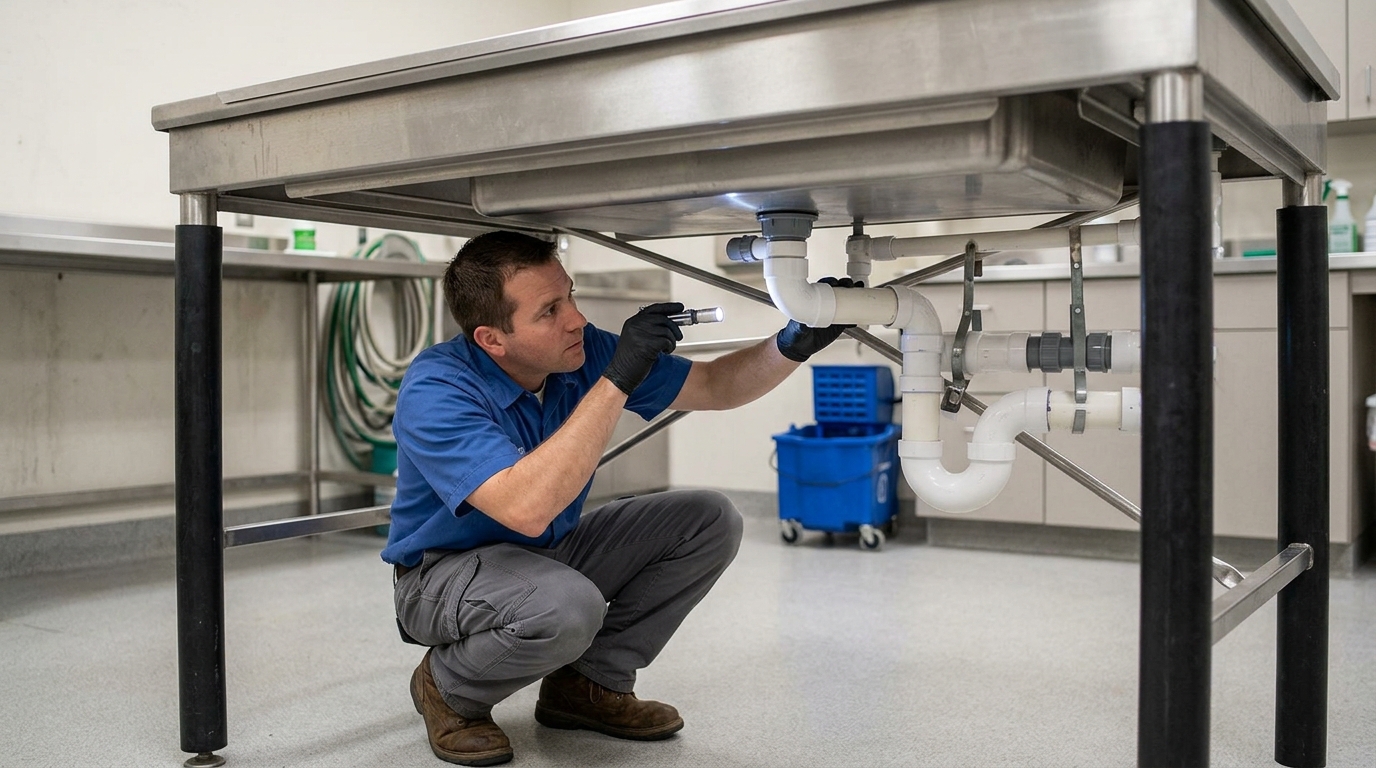
Routine physical inspections prevent catastrophic drainage failures. Adhering to strict timelines for clearing screens and assessing seals extends the functional life of both the table and the facility's pipework. For further insights into the material requirements that withstand aggressive cleaning regimens, review the specifications for durable stainless steel veterinary dissection tables for professional medical use. The table below outlines the necessary maintenance frequency summary.
| Frequency | Task | Key Action |
|---|---|---|
| Daily | Strainer Clearing | Remove and sanitize top-level debris mesh to prevent immediate flow restriction. |
| Weekly | Enzymatic Flush | Apply biological enzymatic cleaner to break down lipid and protein buildup in P-trap. |
| Monthly | Flow Rate Assessment | Measure drainage speed; inspect under-table seals and PVC joints for micro-leaks. |
| Annual | System Overhaul | Disassemble primary trap, replace worn O-rings, and verify compliance with biohazard protocols. |
Data Summary: Optimization Impact
Aggregating the performance metrics highlights the stark operational contrast between reactive maintenance and proactive fluid management. Optimizing your veterinary dissection table's plumbing setup yields measurable returns in both hygiene and efficiency.
| Operational Metric | Standard / Unoptimized Setup | Optimized Plumbing Configuration |
|---|---|---|
| Average Cleanup Time per Case | 25 - 30 minutes | 5 - 10 minutes |
| Drain Occlusion Rate (Annual) | 12 - 15 incidents | 1 - 2 incidents |
| Biohazard Odor Retention | High (residual fluid pooling) | Low (immediate evacuation) |
| Estimated Plumber Callout Costs | $800 - $1,500 / year | $0 - $150 / year |
Frequently Asked Questions
What is the recommended pipe diameter for small animal dissection drainage?
A minimum of 2 inches (50mm) is standard for small animal diagnostic rooms to accommodate fluid viscosity, chemical preservatives, and minor tissue debris without restricting the flow rate during continuous washdown cycles.
How often should chemical drain maintainers be applied?
Non-corrosive, enzymatic cleaners designed specifically for biological waste should be applied weekly. Harsh chemical solvents should be avoided as they degrade the PVC joints and specialized rubber gaskets found under modern dissection units.
Does the table require a dedicated water line for continuous flush features?
Yes. Dissection tables equipped with continuous washdown perimeters or automatic basin flushing require a dedicated cold-water supply line, usually standard 1/2-inch copper or PEX, separate from the primary faucet supply.