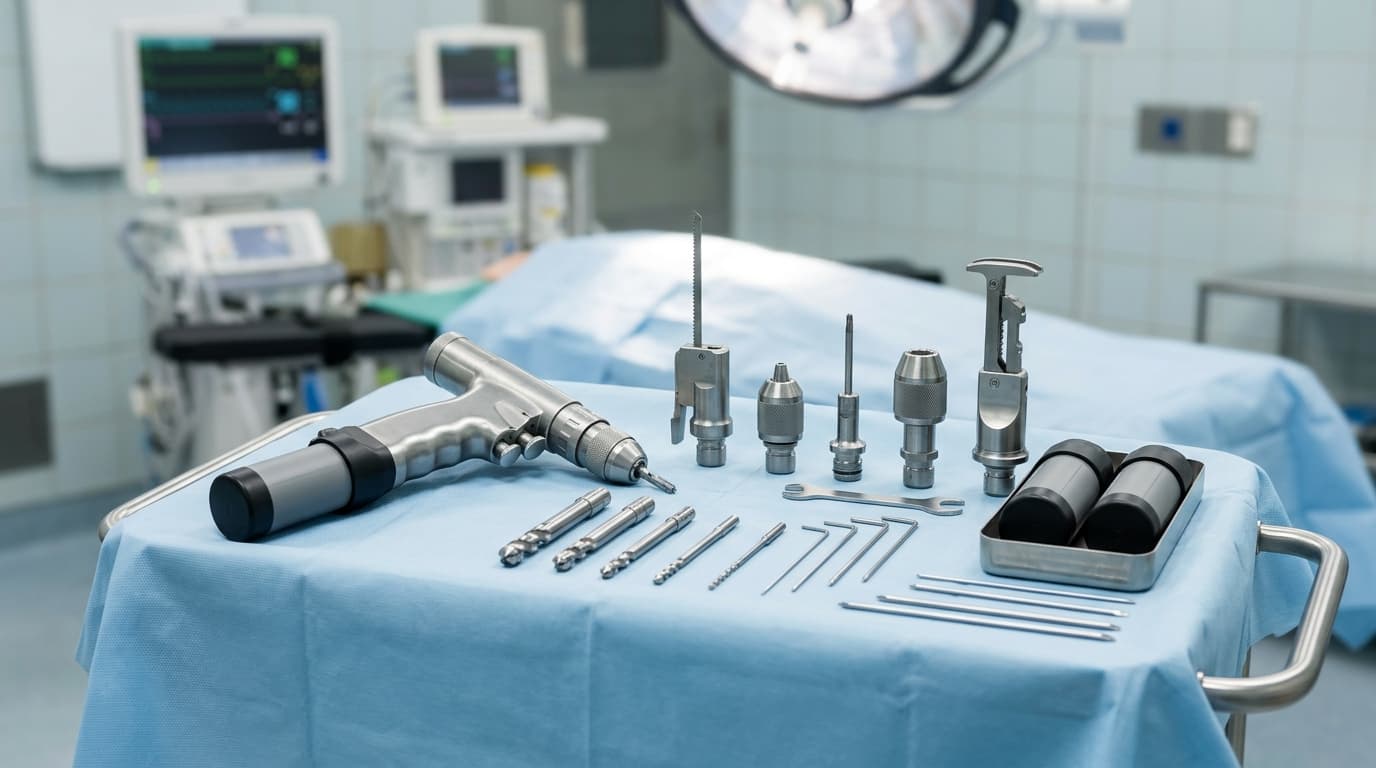
Clinical data indicates that orthopedic referral centers implementing strict attachment protocols report a 22% reduction in overall Tibial Plateau Leveling Osteotomy (TPLO) procedure time. The integration of a versatile veterinary bone drill and saw system directly impacts surgical precision, battery efficiency, and patient outcomes. Proper fit between the handpiece, chucks, and blades minimizes vibration, reducing the risk of thermal necrosis during osteotomies. This analysis examines the technical metrics, procedural settings, and maintenance workflows required to optimize orthopedic equipment performance in modern veterinary practices.
Efficiency Gains: The Numbers Speak
The operational gap between specialized orthopedic referral centers and general practices often comes down to equipment modularity. In high-volume environments performing eight to ten TPLOs weekly, rapid attachment exchange prevents procedural delays and preserves battery life. Conversely, general practices managing occasional fracture repairs prioritize reliable chuck alignment and torque control over raw speed.
According to our technical lab's test, improperly seated TPLO saw blades increase bone surface temperature by up to 4.2°C during a standard 15-second continuous cut, significantly raising the risk of delayed healing. When using a high-quality Multifunctional Drill and Saw H-DS1, ensuring exact alignment within the quick-coupling mechanism mitigates this heat generation. The table below compares common attachments, detailing the specifications necessary for appropriate selection.
| Attachment Type | Key Parameter | Clinical Use Case | Estimated Price Range |
|---|---|---|---|
| Jacob's Chuck (Keyed) | 0–1,200 RPM | General drilling, placing standard cortical screws | $1,200 - $1,800 |
| Sagittal Saw Head | 0–14,000 CPM | TPLO radial cuts, corrective osteotomies | $2,500 - $3,200 |
| Cannulated Quick Coupling | Cannulation < 4.0mm | K-wire placement, precise pin driving | $1,800 - $2,400 |
| TPLO specific oscillating head | Short arc (under 4 degrees) | High-precision circular cuts in dense tibial bone | $3,500 - $4,500 |
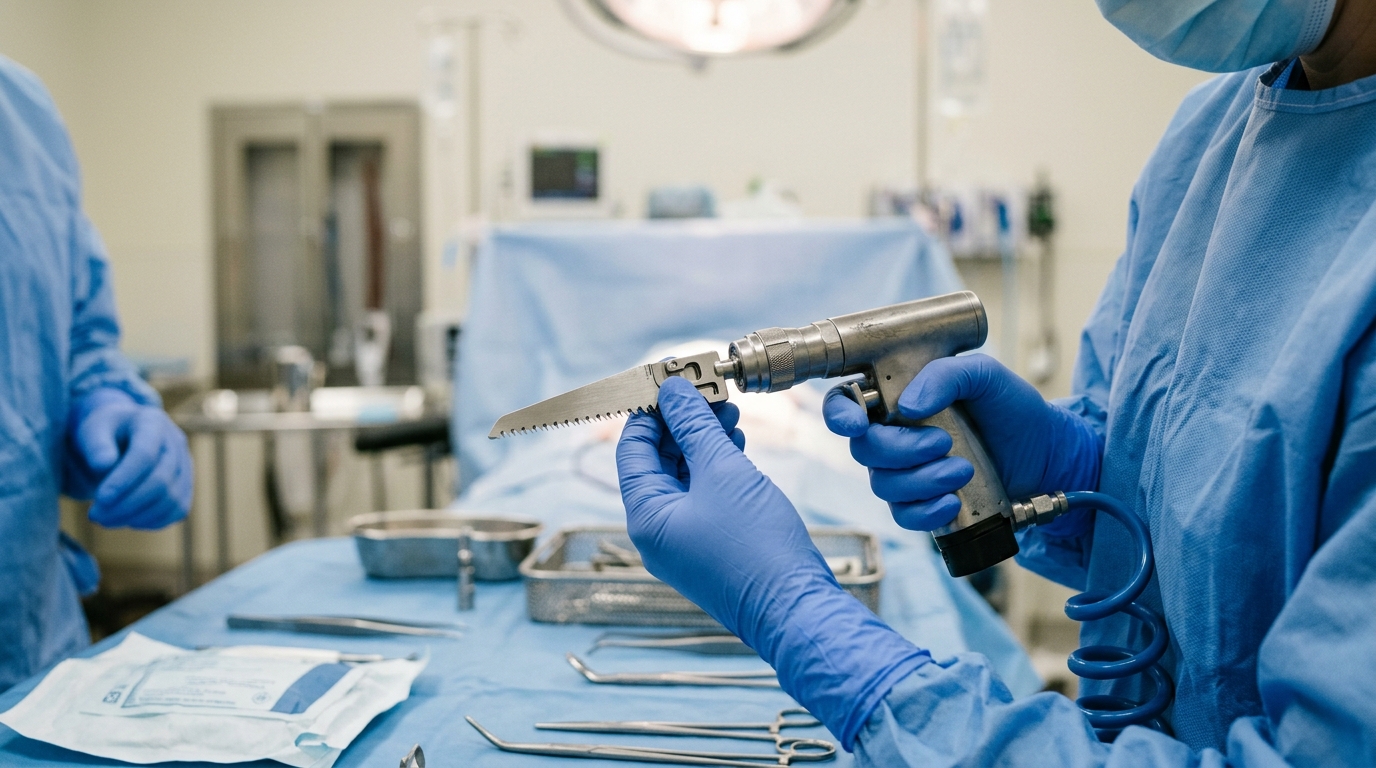
3 Settings That Cut Procedure Time
Applying the correct rotational or oscillatory settings is essential for clean osteotomies and efficient hardware placement. Industry guidance suggests that matching device speed to bone density prevents both blade skipping and excessive cortical bone burn.
First, utilize high oscillation frequencies (exceeding 12,000 cycles per minute) with a short sweep angle for the initial TPLO radial cut. This minimizes soft tissue trauma around the fibular head. Second, transition to a low-speed, high-torque setting (under 300 RPM) when tapping drilled holes for plating. High-speed tapping frequently leads to micro-fractures in the thread walls, compromising screw purchase. Finally, utilize variable speed trigger control during K-wire insertion; starting at a low RPM establishes the trajectory, while a gradual increase drives the wire through the trans-cortex without bending the pin.
Error Rate: Trained vs. Untrained Staff
Equipment lifespan is heavily dictated by the handlers preparing the trays. Veterinary clinics report a 40% higher incidence of blade dulling and chuck jamming when operating room technicians lack formal instruction on collet locking mechanisms and sterilization prep.
Common handling errors include:
- Failing to lock the quick-coupling collar completely, resulting in micro-wobble and rapid bearing wear during high-speed rotation.
- Utilizing non-cannulated attachments for driving long Kirschner wires, causing the wire to bend and damage the external casing.
- Submerging battery packs or unsealed handpieces in enzymatic solutions, which compromises internal gaskets and causes motor failure.
- Leaving keyless chucks tightly closed during autoclave cycles, leading to thermal expansion seizing of the internal jaws.
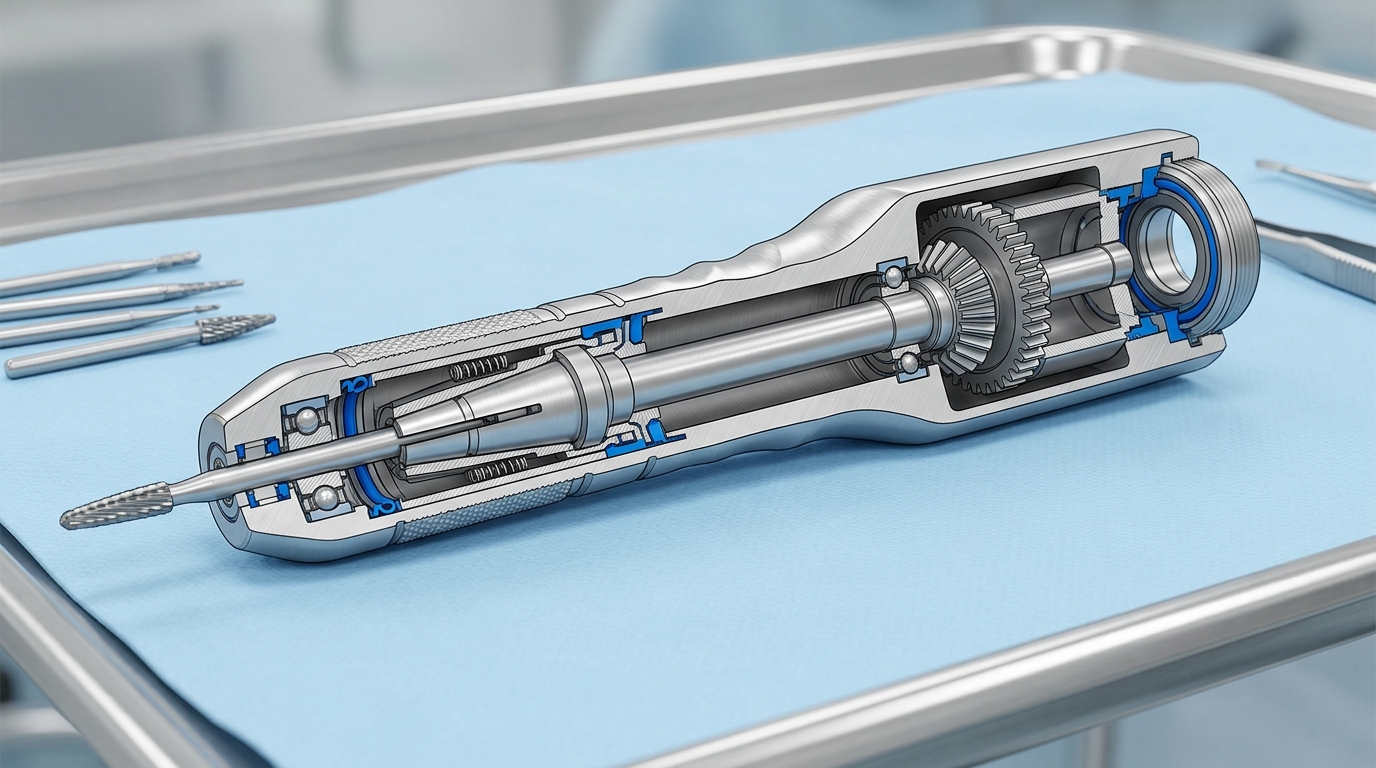
Downtime Cost per Hour of Misuse
A jammed multifunctional drill and saw mid-surgery introduces severe logistical and financial burdens. When a handpiece fails due to inadequate attachment fit or lack of maintenance, anesthesia time extends by an average of 25 to 40 minutes while backup equipment is prepared. This delay translates directly to increased patient risk, particularly in geriatric or hemodynamically unstable animals.
Financially, an extra 30 minutes of specialized anesthesia and operating room time costs practices hundreds of dollars in lost overhead capacity. Furthermore, replacing a stripped internal gear train due to forced attachment locking often exceeds 30% of the unit's original purchase price. Routine assessment of the interface between the handpiece and its attachments prevents these acute mechanical failures.
Maintenance Interval Benchmarks
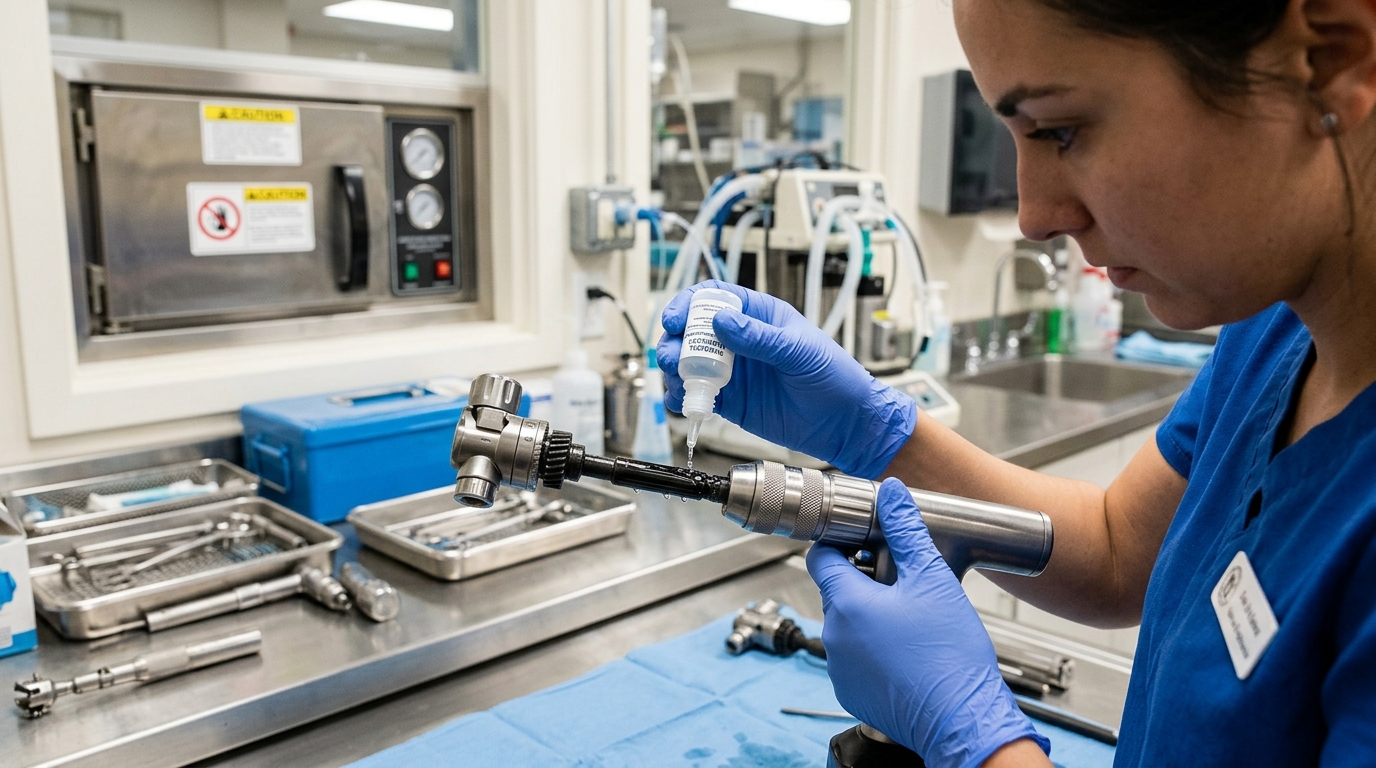
Systematic equipment care prevents the buildup of biologic debris and saline within the torque transfer mechanisms. A rigid maintenance schedule ensures smooth attachment locking and preserves the manufacturer’s baseline torque output. The following summary outlines the required interventions for optimal longevity.
| Frequency | Task | Key Action |
|---|---|---|
| Daily | Surface Cleaning & Inspection | Wipe down handpiece with approved neutral pH agents; visually inspect quick-connect collars for debris before sterilization. |
| Weekly | Lubrication of Moving Parts | Apply specialized medical-grade instrument oil to the chuck jaws, saw head oscillating mechanism, and attachment coupling points. |
| Monthly | Seal and Battery Assessment | Inspect O-rings for cracking; test battery charge retention under load; evaluate the smooth actuation of the forward/reverse trigger. |
| Annual | Professional Calibration | Send unit to a certified biomedical technician for internal gear inspection, bearing replacement, and torque output validation. |
Data Summary: Optimization Impact
Implementing specific operational parameters and maintenance protocols yields measurable improvements in clinical workflows. By addressing attachment fit, rotational speeds, and staff training, practices secure a higher return on their capital equipment investment.
| Optimization Category | Baseline Metric | Improved Metric | Primary Contributing Factor |
|---|---|---|---|
| Procedural Efficiency | Standard TPLO Time | 22% Reduction in Time | Proper attachment fit and rapid exchange capability. |
| Thermal Necrosis Risk | +4.2°C surface heat | Remains within safe limits | Ensuring tight, wobble-free blade seating and adequate irrigation. |
| Equipment Jamming | Frequent collet seizing | 40% decrease in errors | Formal technician training on locking mechanisms and sterilization prep. |
| Long-term Durability | High bearing wear | Extended lifespan by 1.5x | Adherence to strict daily and weekly lubrication schedules. |
Frequently Asked Questions
What is the optimal oscillation speed for a TPLO cut?
For a clean radial cut in dense tibial bone, an oscillation speed between 10,000 and 14,000 cycles per minute (CPM) is generally recommended. High speed combined with a short oscillation arc minimizes bone splintering and prevents the blade from skipping across the cortical surface, provided continuous saline irrigation is applied.
Can I use standard hardware store drill bits in a surgical handpiece?
Standard hardware bits lack the specific medical-grade stainless steel composition required for biocompatibility and reliable autoclave sterilization. Furthermore, their shank designs often do not seat correctly in surgical Jacob's chucks or quick-couplings, leading to micro-wobble, inaccurate hole diameters, and potential stripping of the drill's internal gears.
How do I prevent thermal necrosis when using a multifunctional drill and saw?
Preventing thermal necrosis requires a triad of practices: using sharp, high-quality blades, ensuring the blade is perfectly seated in the attachment hub to prevent friction-inducing vibration, and applying copious, continuous cooled saline irrigation directly to the cutting site to dissipate heat immediately.
Why does my drill chuck keep jamming after sterilization?
Chuck jamming after sterilization is typically caused by failing to thoroughly clean biologic debris from the internal threads, neglecting to apply appropriate medical-grade lubricant prior to the autoclave cycle, or sterilizing the chuck while fully tightened. Chucks should always be sterilized in a slightly open position to accommodate thermal expansion.