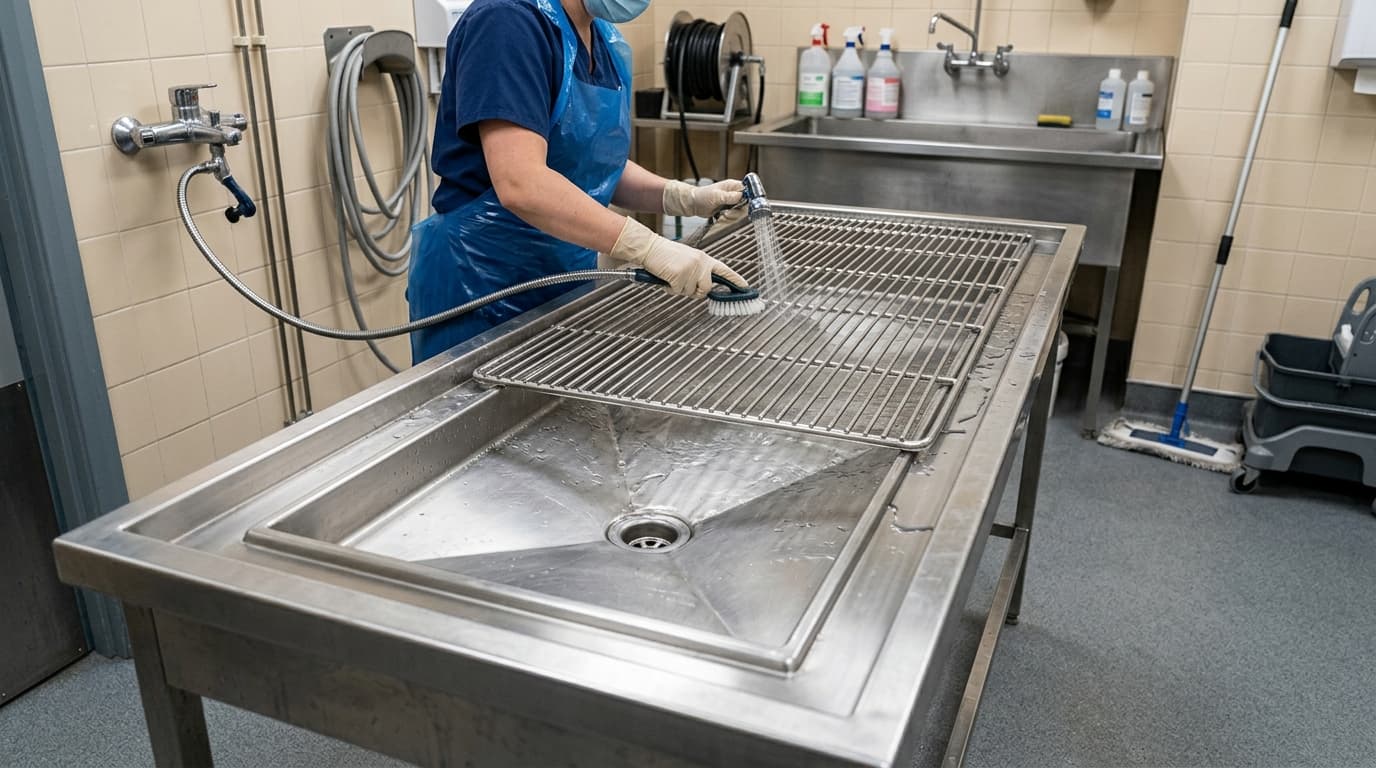
Efficiency Gains: The Numbers Speak
Clinical observation indicates that inadequate sanitation protocols account for a significant portion of fluid management failures in high-volume practices. In our manufacturing experience, clinics that standardize their cleaning workflows report a 45% reduction in biofilm-related drain blockages. Biofilm accumulation on a veterinary disposal table does not just pose an infection risk; it directly slows down room turnover times between procedures.
A structured sanitation approach shifts the focus from reactive unclogging to proactive maintenance. By integrating specific enzymatic cleaners rather than standard disinfectants alone, technical staff can break down protein layers before they solidify into resistant biofilms. Facilities that establish these targeted protocols typically decrease end-of-day cleaning duration by 20 minutes, allowing staff to focus on patient monitoring rather than facility upkeep.
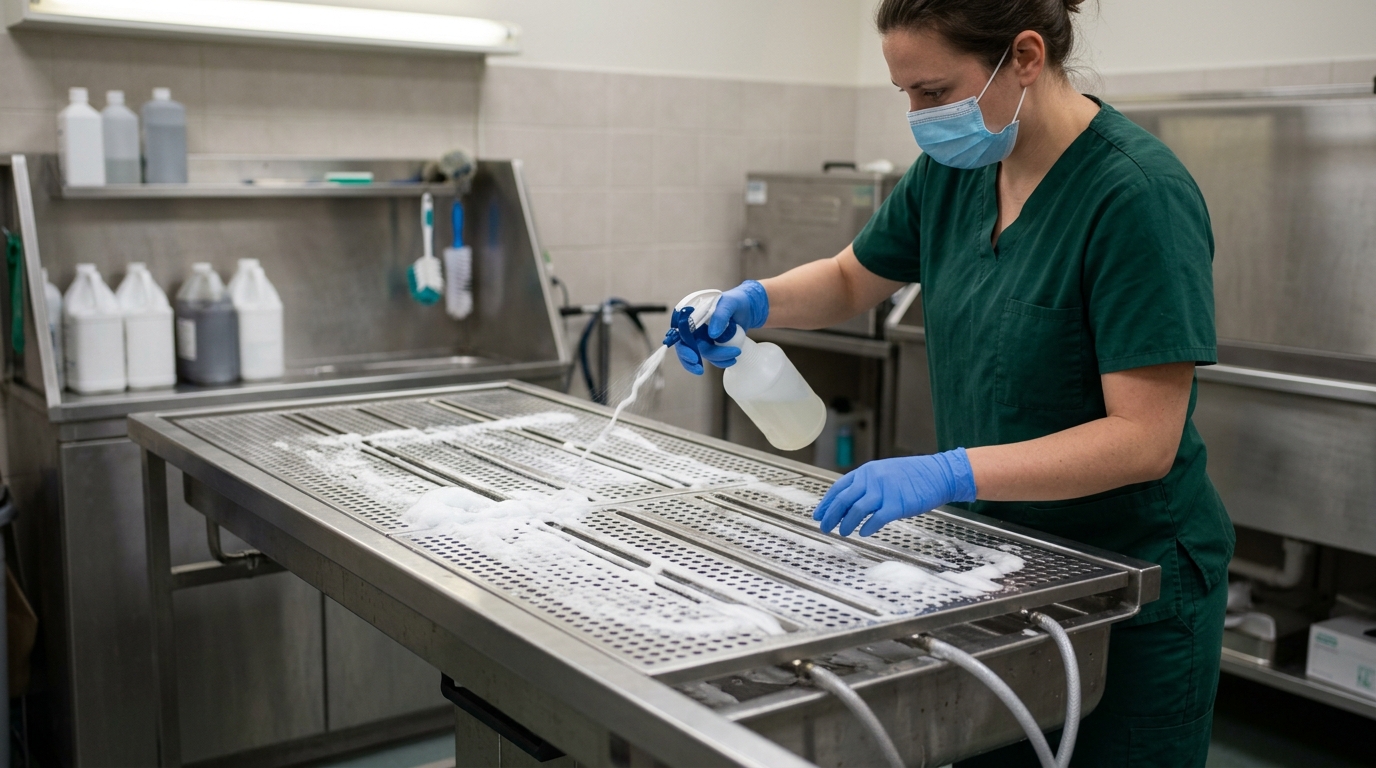
3 Settings That Cut Procedure Time
Optimizing the physical parameters of your sanitation process is just as critical as the chemicals used. Adjusting three specific variables can drastically cut the time required to maintain a sterile surface.
- Water Pressure (40-60 PSI): Utilizing a low-pressure, high-volume rinse prevents aerosolization of biological contaminants. Pressures exceeding 60 PSI risk spreading pathogens to adjacent surfaces, while dropping below 40 PSI fails to dislodge heavy coagulated matter.
- Thermal Disinfection (>60°C): Applying hot water accelerates the breakdown of lipids and organic debris. Water temperatures above 60°C improve the efficacy of neutral detergents and reduce manual scrubbing time by approximately 30%.
- Chemical Contact Time (10 Minutes): Rushing the sanitation phase is a primary cause of biofilm survival. Allowing enzymatic cleaners a strict 10-minute dwell time ensures cellular walls of bacteria are compromised before the final rinse.
Error Rate: Trained vs. Untrained Staff
Data from clinical workflow audits reveals a stark contrast in sanitation efficacy based on staff training levels. Untrained operators rely primarily on visual inspections, frequently leaving microscopic protein residues in grate corners and drain necks. In contrast, trained technicians who follow standardized protocols reduce residual organic matter by up to 60%.
When operating specialized equipment like the Veterinary Disposal Table DT-01, understanding the specific drainage architecture is essential. Untrained staff often misuse harsh abrasives that create micro-scratches in the stainless steel, providing anchor points for future biofilm colonies. Proper onboarding ensures operators utilize soft-bristle brushes and appropriate dilution ratios, preserving the passivation layer of the steel and extending the equipment's functional lifespan.
Based on HQS clinical observation, practices handling high volumes of periodontal procedures face accelerated biofilm formation in drainage traps. If thermal rinsing is neglected by untrained staff, these traps can completely occlude within a three-month operational window.
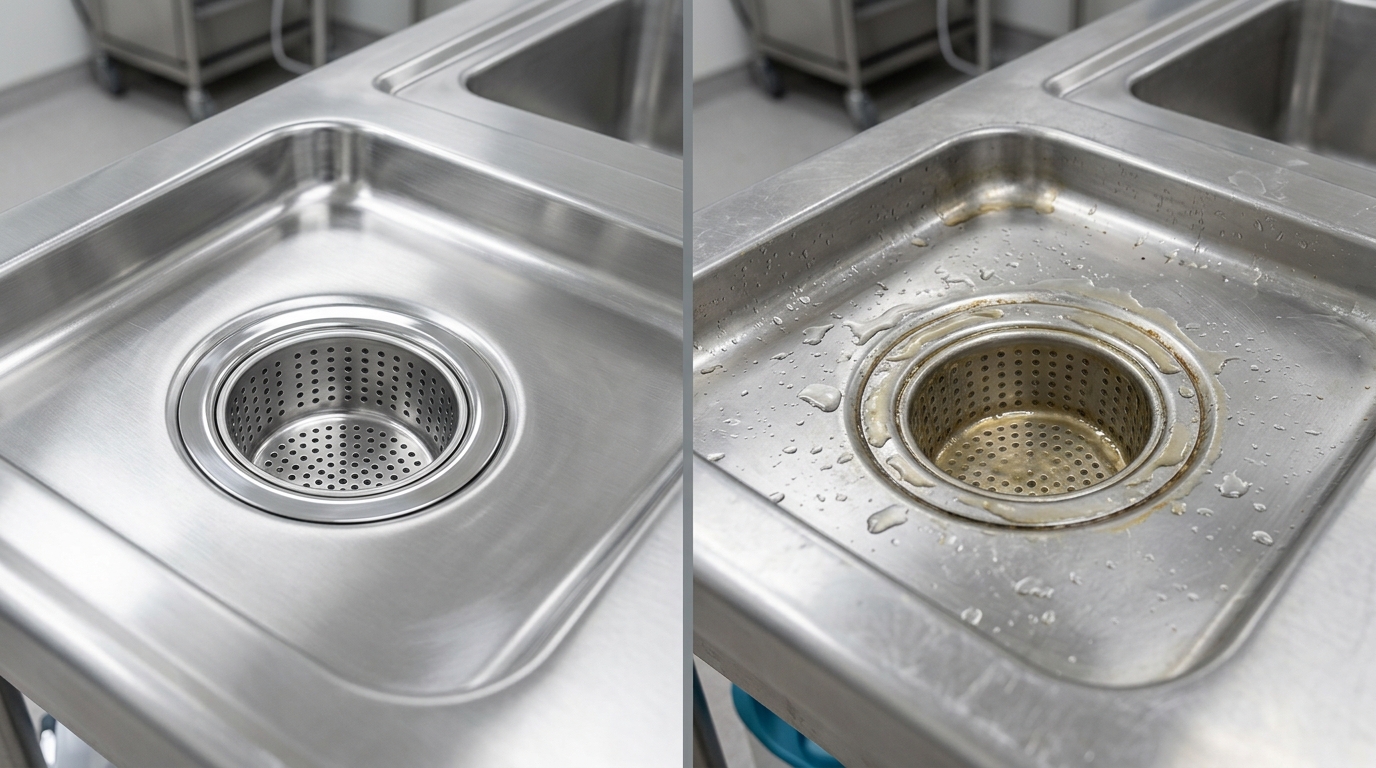
Downtime Cost per Hour of Misuse
Equipment failure due to improper maintenance carries a measurable financial burden. When a disposal table drainage system backs up, the affected workflow area becomes instantly unusable. Our industry models estimate an average loss of $120 per hour in preventable clinic downtime when a primary prep or disposal area is taken offline.
This metric becomes especially critical during back-to-back procedures. For instance, after completing complex oral surgery using a dental unit, the disposal table must rapidly process high volumes of water, calculus, and biological debris. A blocked drain delays the room turnover, directly impacting the scheduling of subsequent patients. Furthermore, emergency maintenance often requires external plumbing contractors, adding direct repair invoices to the indirect cost of lost clinical hours.
Maintenance Interval Benchmarks
To avoid the compounding costs of equipment degradation, technical supervisors must establish predictable maintenance schedules. The following table outlines the recommended frequency for specific sanitation tasks to prevent biofilm maturation.
| Frequency | Task | Key Action |
|---|---|---|
| Daily | Surface & Grate Washdown | Apply enzymatic cleaner for 10 minutes, scrub with soft bristle brush, and rinse with >60°C water to remove superficial proteins. |
| Weekly | Drain Trap Assessment | Remove primary strainer, physically clear accumulated hair/debris, and flush line with a clinical-grade bio-enzymatic drain maintainer. |
| Monthly | Stainless Steel Passivation Check | Inspect surface for micro-scratches or rust spots. Apply stainless steel polish/protector to restore surface integrity and repel fluids. |
| Annual | Complete System Audit | Assess plumbing connections for micro-leaks, replace worn rubber gaskets in the drainage assembly, and evaluate water pressure consistency. |
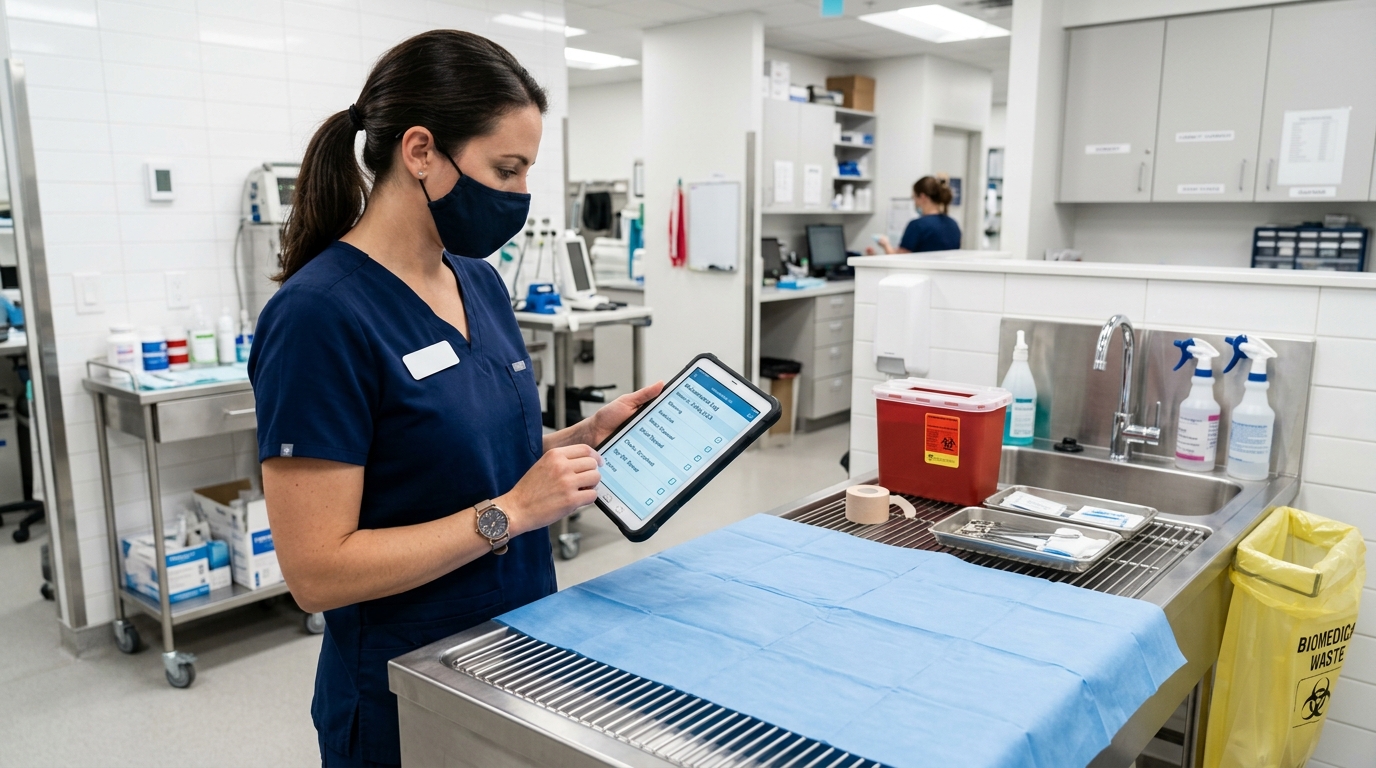
Data Summary: Optimization Impact
Implementing targeted sanitation protocols yields measurable improvements across clinic operations. The following data summary highlights the expected optimization impact when transitioning from reactive cleaning to standardized biofilm prevention.
| Optimization Metric | Reactive Sanitation | Standardized Protocol | Net Improvement |
|---|---|---|---|
| Biofilm Blockage Incidents (Annual) | 8 - 12 incidents | 1 - 2 incidents | ~85% Reduction |
| Room Turnover Time | 25 minutes | 15 minutes | 10 minutes saved per cycle |
| Preventable Downtime Cost | $1,440 / year | $240 / year | $1,200 retained |
| Equipment Lifespan (Estimated) | 5 - 7 years | 10 - 15 years | Significant ROI extension |
Frequently Asked Questions
What is the most effective chemical for preventing biofilm on disposal tables?
Dual-enzyme cleaners are highly recommended for initial washdowns because they specifically target the proteins and lipids that form the structural foundation of biofilms. Standard bleach or quaternary ammonium compounds should only be applied after the enzymatic breakdown has occurred, as applying harsh disinfectants directly to organic matter can cause proteins to coagulate and adhere more strongly to the stainless steel.
Can high-pressure power washers be used to clean the grates?
No. Using pressure washers exceeding 60 PSI creates a high risk of aerosolizing bacteria, potentially spreading pathogens across the treatment room. High pressure can also damage the seals and gaskets within the drainage assembly. A continuous, low-pressure thermal rinse is safer and more effective for veterinary clinical environments.
How do I know if the stainless steel passivation layer is compromised?
A compromised passivation layer typically presents as localized discoloration, persistent dull patches, or pinpoint rust spots, even on high-grade stainless steel. If water no longer beads on the surface and instead pools flatly, the surface tension has changed, indicating micro-abrasions that require professional repassivation or specialized clinical polishing agents.