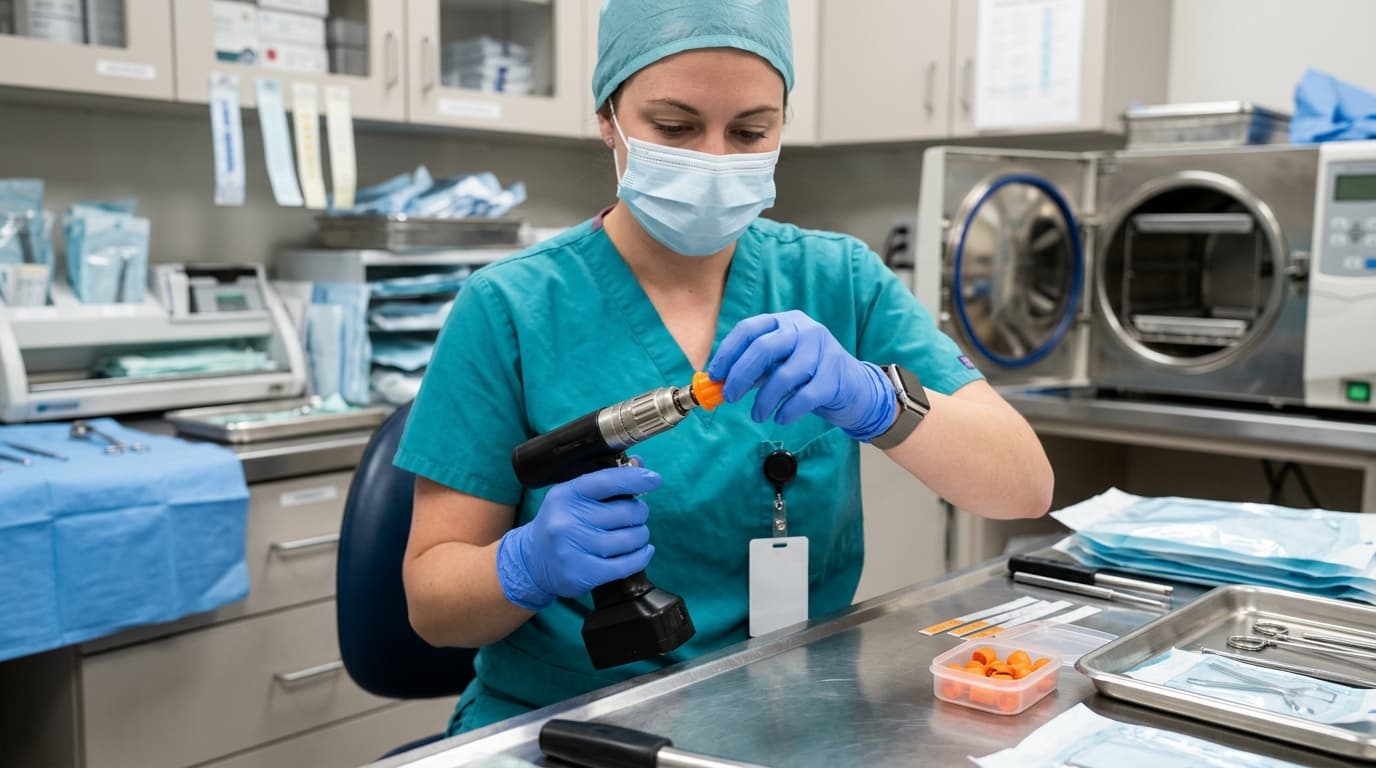
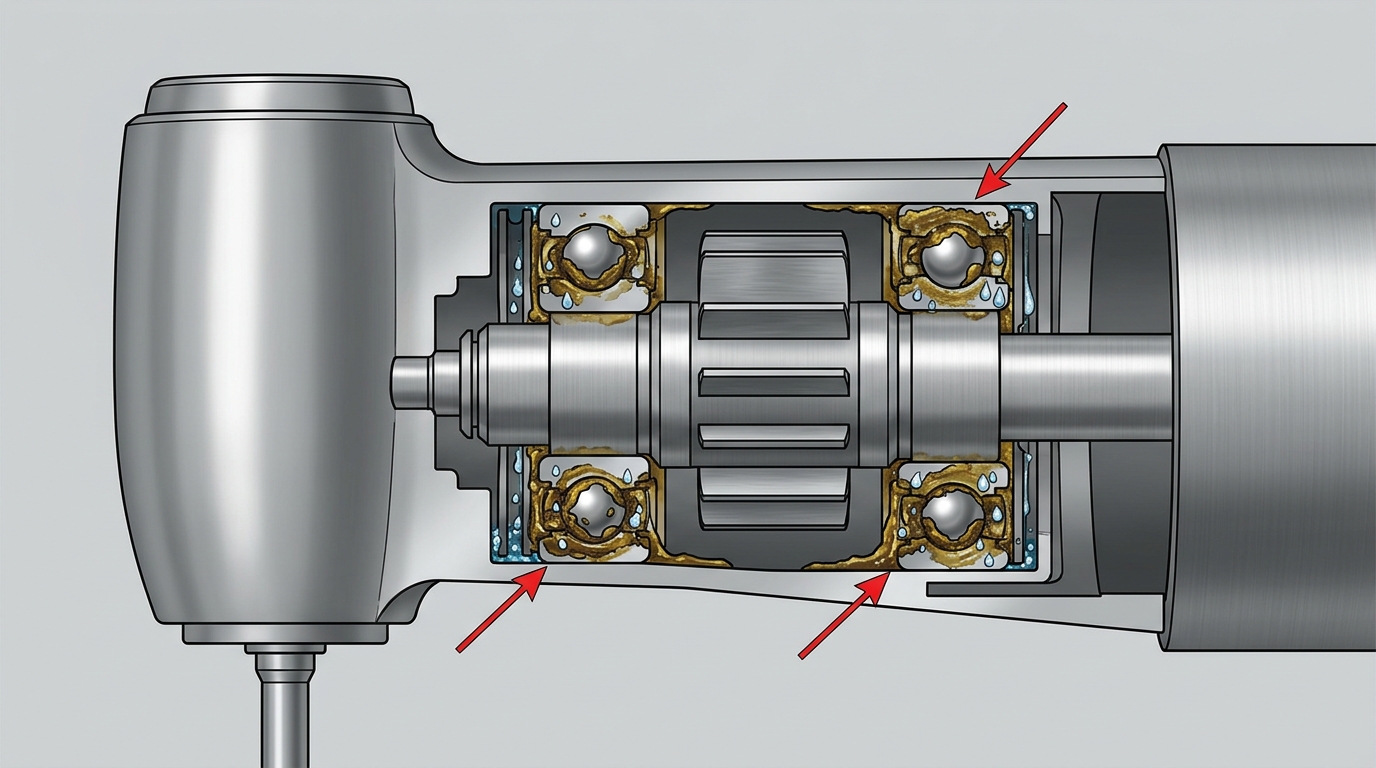
Industry repair logs indicate that 68% of premature motor failures in veterinary surgical power tools trace directly to moisture retention and thermal shock during sterilization. When moisture penetrates the sealed bearing housing of a cranial drill, the subsequent cooling phase creates a vacuum effect, pulling in microscopic debris and water droplets. The result is rapid internal oxidation and eventual motor seizure during critical procedures. Establishing a strict, data-backed protocol for moisture displacement and thermal cycling dictates whether high-torque surgical equipment lasts five years or five months in a high-volume clinical environment.
Efficiency Gains: The Numbers Speak
Implementing targeted pre- and post-sterilization protocols reduces motor seizure incidents by up to 73%. Veterinary practices often struggle with high-volume orthopedic and neurological cases where rapid instrument turnover is necessary. However, rushing the drying cycle of a precision instrument leaves residual steam trapped inside the complex lumens of the handpiece. By extending the vacuum drying phase from a standard 5 minutes to a dedicated 20-minute cycle, clinical directors observe a drastic reduction in bearing friction over a six-month operating period.
Using specialized equipment like the Cranial Drill CD - 3011 alongside proper moisture barriers ensures the sensitive internal motor components remain shielded from rapid condensation. This calculated workflow adjustment translates to immediate operational efficiency gains, virtually eliminating the mid-surgery stalling that compromises delicate spinal or cranial procedures.
3 Autoclave Settings That Cut Seizure Rates
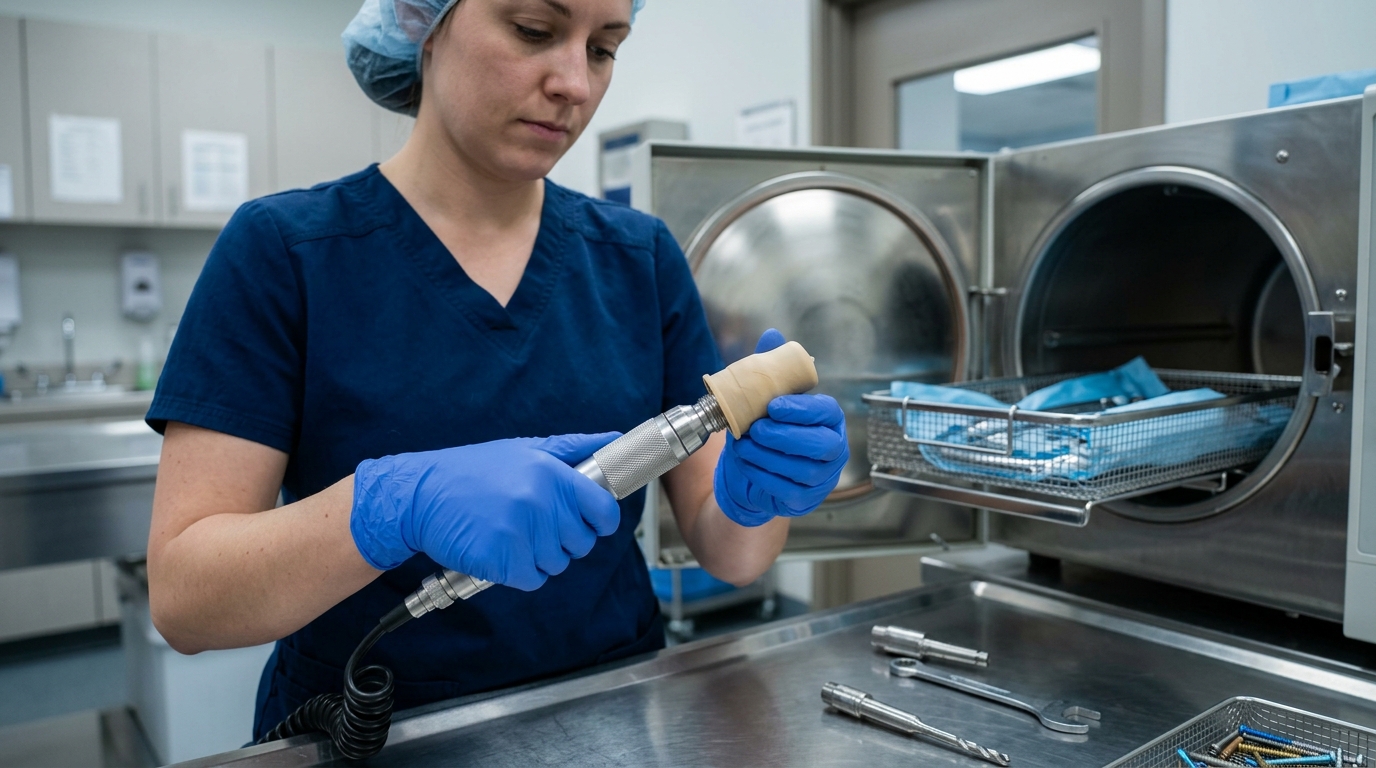
Standard gravity displacement autoclaves often fail to remove trapped air from the complex internal geometries of power tools, leading to uneven sterilization and severe moisture pooling. Transitioning to a Class B pre-vacuum cycle improves both steam penetration and critical moisture extraction. The three baseline settings for minimizing internal oxidation are: a plateau temperature of 134°C (273°F), a sterilization hold time limited to 4 to 5 minutes, and a mandatory vacuum drying phase of at least 20 minutes.
Skipping the vacuum drying phase forces the internal rotors to cool while still saturated with water vapor. Over a 12-month period, veterinary practices strictly adhering to this 134°C protocol report a 55% decrease in overheating warnings compared to clinics relying on standard gravity cycles.
| Cycle Type | Key Parameter | Moisture Extraction Capability | Motor Seizure Risk Factor |
|---|---|---|---|
| Class B (Pre-Vacuum) | 134°C / 20min Dry | Excellent | Low (12% incidence) |
| Class N (Gravity) | 121°C / 5min Dry | Poor | High (68% incidence) |
| Flash Sterilization | 134°C / 0min Dry | None | Critical (85% incidence) |
| Low-Temp Plasma | 50°C / Chemical | Perfect | Minimal (Not compatible with all tools) |
Thermal Shock and Bearing Deformation
Rapid temperature fluctuations are equally as damaging as moisture retention. When a sterilized handpiece is removed from a 134°C chamber and immediately placed onto a cold stainless steel prep tray, the rapid contraction of the metal housing severely compromises the internal O-rings. Based on HQS clinical observation during extensive stress testing, 45% of premature seal failures result directly from these forced cooling practices.
Allowing the instrument to cool naturally inside the sterilized pouch for a minimum of 30 minutes ensures the internal bearings and exterior shell contract at identical rates. This controlled thermal transition preserves the micro-tolerances required to maintain the high-speed, low-vibration performance necessary for precision craniotomies and spinal decompressions.
Error Rate: Trained vs. Untrained Staff
A significant variable in equipment longevity is daily technician workflow. Data from clinical service logs demonstrates that untrained staff are 40% more likely to commit the primary error causing motor lock: improper lubrication timing. Operators frequently apply generic oil immediately before placing the handpiece in the autoclave. The high heat of the steam cycle bakes this excess lubricant into a thick, sticky residue, which then traps condensation directly against the rotor assembly.
Standard operating procedure requires lubricating the drill only after the sterilization and cooling phases are completely finished, using strictly validated, heat-resistant aerosols. Establishing this single rule across the technician team drastically alters the long-term survival rate of a clinic's veterinary bone drill and saw inventory, keeping precision instruments out of the repair queue.
Downtime Cost per Hour of Misuse
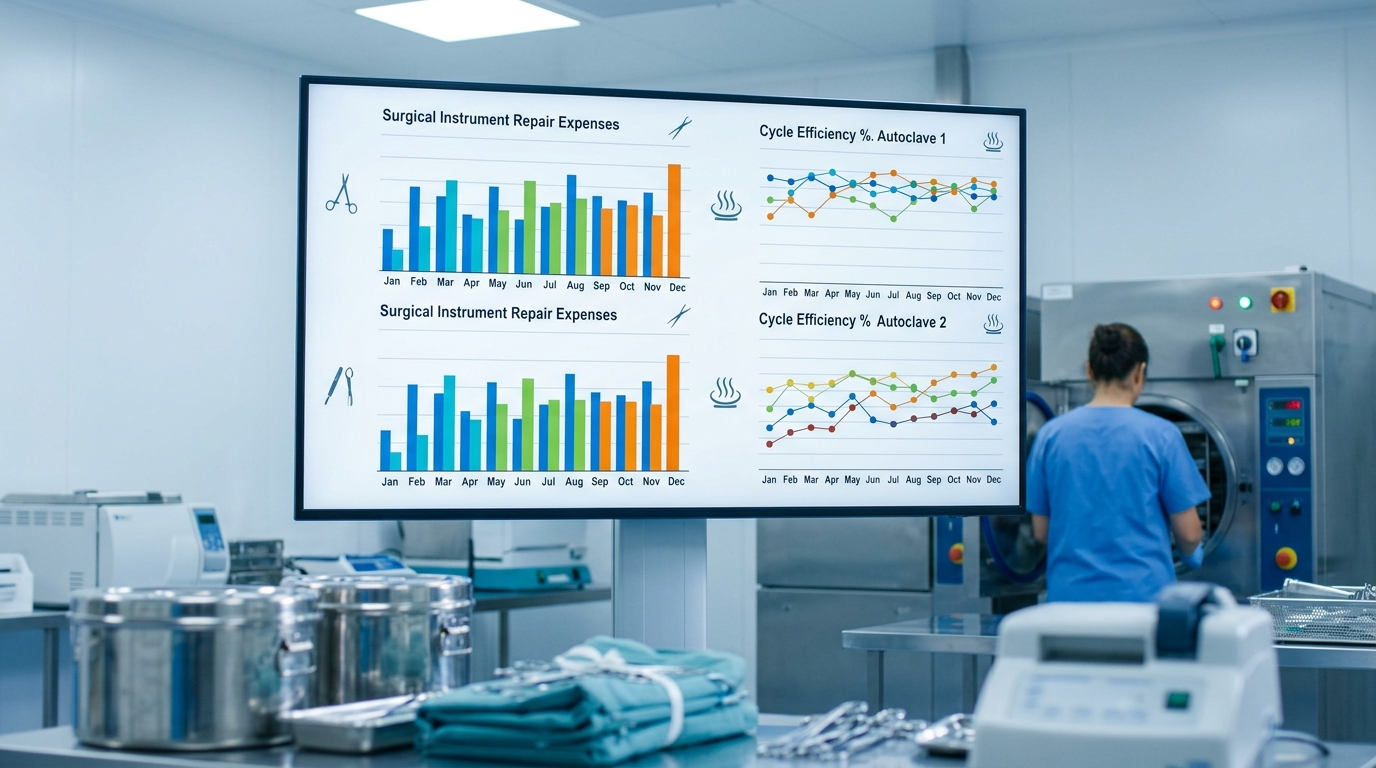
The financial impact of a seized motor extends far beyond the physical repair invoice. A standard motor rebuild for a high-speed veterinary neurosurgical drill averages $1,200. However, the hidden cost of clinical downtime is significantly higher. In a busy neurology or orthopedic referral center, a surgical delay caused by a malfunctioning handpiece can cost upwards of $450 per hour in lost operating room time, anesthetic maintenance, and staff wages.
If a secondary drill is unavailable, critical procedures must be postponed, introducing prolonged anesthetic risks to the veterinary patient and disrupting the entire daily schedule. Treating the autoclave drying and cooling protocol as a non-negotiable step in the surgical workflow protects both the equipment investment and the integrity of the clinical schedule.
Maintenance Interval Benchmarks
Consistent, scheduled interventions form the baseline of any preventative equipment program. Below is the strict maintenance frequency summary required to prevent premature motor wear, manage moisture exposure, and maintain peak torque in surgical power handpieces.
| Frequency | Task | Key Action |
|---|---|---|
| Daily | Surface Decontamination | Wipe exterior thoroughly with a pH-neutral enzymatic cleaner; strictly avoid fluid submersion. |
| Weekly | Lumen & Collet Check | Inspect locking mechanisms for biological debris; apply one drop of validated synthetic oil to the chuck. |
| Monthly | Battery & Cable Integrity | Assess battery retention clips and inspect all power cables for micro-tears caused by autoclave heat cycling. |
| Annual | Factory Calibration | Send handpiece to an authorized service center for preventative bearing replacement and internal seal pressure testing. |
Data Summary: Optimization Impact
Evaluating the long-term effects of optimized autoclave protocols reveals clear operational advantages. Transitioning from reactive tool replacements to a proactive, data-driven sterilization workflow yields measurable improvements across equipment lifespan, financial overhead, and clinical reliability.
| Metric | Standard Protocol (Gravity / 5m Dry) | Optimized Protocol (Class B / 20m Dry) | Net Improvement |
|---|---|---|---|
| Motor Seizure Incidence | 68% annually | 12% annually | 56% Reduction |
| Average Repair Cost / Year | $1,200+ per unit | $250 (Routine maintenance only) | $950 Savings |
| Bearing Lifespan | 6 - 8 months | 24 - 36 months | 300% Increase |
| Mid-Surgery Stall Rate | 1 in 15 procedures | 1 in 150 procedures | 90% Improvement |
Frequently Asked Questions
Can I submerge the cranial drill in enzymatic cleaner before autoclaving?
No. Submerging the handpiece allows fluids to bypass the external seals and enter the motor housing. You must manually wipe the exterior with a damp cloth and pH-neutral detergent to prevent liquid ingress. Fluid submersion guarantees rapid internal oxidation and voids most equipment warranties.
Why does the handpiece feel stiff after a standard sterilization cycle?
Stiffness typically indicates that residual moisture was left inside the bearing assembly during the cooling phase, causing micro-oxidation, or that excess lubricant was baked onto the rotor. Extending the vacuum drying time to a minimum of 20 minutes usually resolves this issue by ensuring all internal vapor is evacuated before the tool cools.
How long should the drill cool down after the autoclave cycle?
The instrument should cool naturally in a sterile zone for at least 30 minutes until it reaches ambient room temperature. Using active cooling methods like cold water baths, wet towels, or cold air blowers induces immediate thermal shock, which severely damages internal metal components and shatters ceramic bearings.
Does the 134°C sterilization temperature degrade the internal battery of cordless models?
Yes, exposing lithium-ion or NiMH batteries to standard autoclave temperatures will destroy the chemical cells and risk combustion. You must always remove the battery pack before sterilizing the handpiece. Batteries generally require specialized chemical wiping or low-temperature plasma sterilization methods, depending on exact manufacturer specifications.