Efficiency Gains: The Numbers Speak
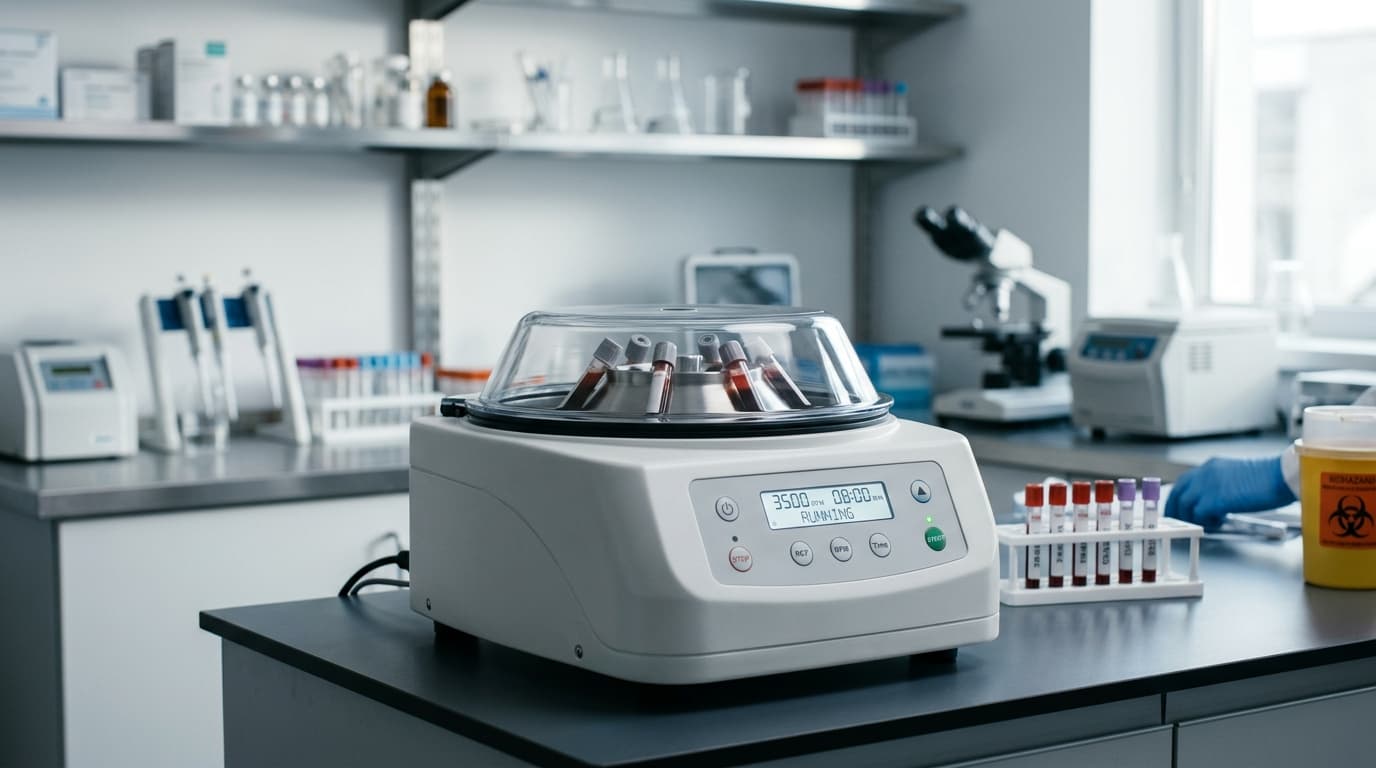
Pre-analytical errors account for a significant portion of diagnostic inaccuracies in veterinary medicine. Industry guidance suggests that temperature-sensitive veterinary assays—such as ACTH, insulin, and parathyroid hormone (PTH)—experience up to a 40% reduction in degradation when processed at a consistent 4°C rather than at room temperature. Maintaining this thermal chain is critical for emergency clinics handling complex endocrine panels.
While standard benchtop units suffice for routine wellness checks, specialized diagnostics require precise temperature control to halt cellular metabolism immediately post-draw. Integrating a refrigerated Centrifuge 80-2A or a higher-speed equivalent prevents false lows in hormone concentrations. By stabilizing these biomarkers on-site, clinics reduce the need for repeat blood draws, lowering patient stress and cutting pre-analytical processing delays.
3 Settings That Cut Procedure Time
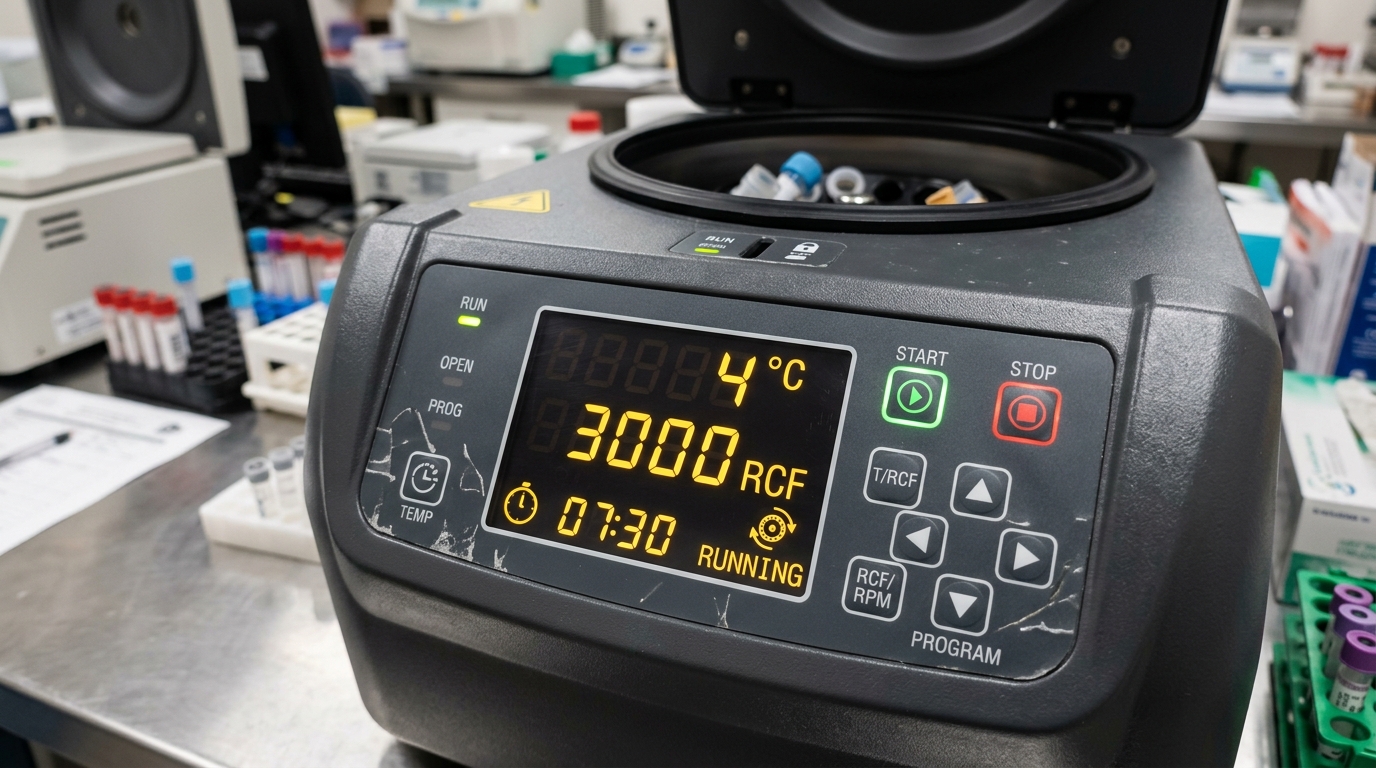
Optimizing device parameters directly impacts sample integrity and workflow speed. Establishing a standardized 3-step protocol for ACTH and similar delicate separations prevents technical variations between staff members.
- Pre-Cooling Protocol: Always initiate a fast-temp cycle to reach 4°C before loading samples. Loading warm tubes into an ambient chamber and relying on active cooling during the spin prolongs temperature stabilization, exposing samples to thermal stress.
- RCF over RPM: Calibrate protocols using Relative Centrifugal Force (RCF or G-force) rather than Revolutions Per Minute (RPM). A standard setting of 1,500 to 2,000 x g for 10 minutes is optimal for serum, ensuring clean separation without cellular rupture.
- Braking Profiles: Utilize a soft or slow deceleration curve. Hard braking reduces cycle time by a few minutes but creates fluid turbulence, resuspending red blood cells and necessitating a second spin.
For more detailed parameter configurations across different diagnostic needs, review the technical specifications in our guide on Advanced High Speed Centrifuges for Veterinary Diagnostics.
Equipment Comparison: Matching Capacity to Clinical Demand
Selecting the appropriate equipment requires balancing speed, thermal control, and throughput. Below is a comparison of 4 common centrifuge profiles to guide procurement decisions.
| Type / Model Profile | Key Specifications | Ideal Clinical Scenario | Est. Price Range |
|---|---|---|---|
| Standard Benchtop | Max 4,000 RPM, Ambient Temp | Basic outpatient wellness bloodwork | $200 - $400 |
| Microhematocrit / High Speed | 16,000 RPM, Quick Accel | ER PCV/TP checks and rapid triage | $800 - $1,500 |
| Refrigerated High Speed | 20,000 RPM, Active 4°C Cooling | Endocrine, specialty assays, exotic animals | $2,500 - $4,500 |
| Floor Standing Refrigerated | 25,000+ RPM, High Capacity | High-volume reference laboratories | $8,000 - $12,000 |
Error Rate: Trained vs. Untrained Staff
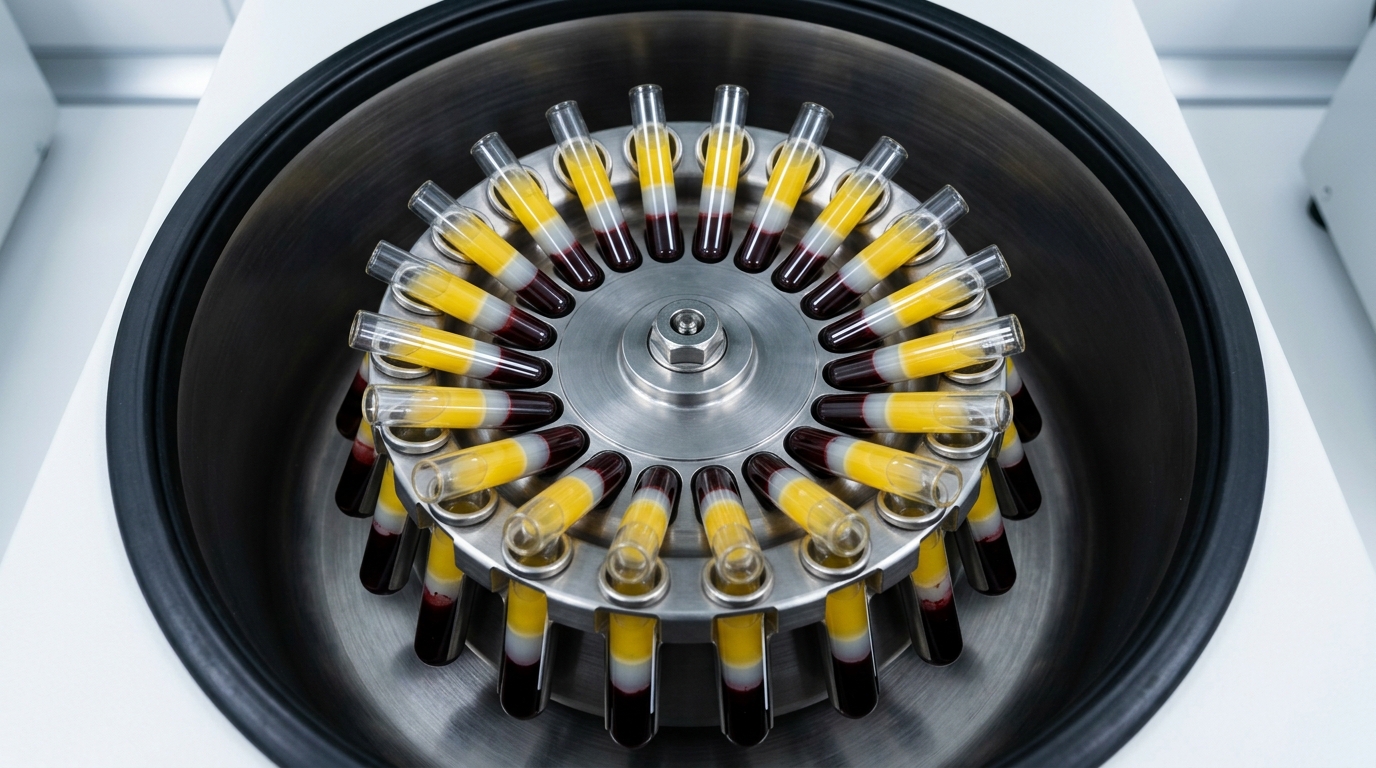
Clinical audits indicate that untrained staff account for a 60% higher rate of mechanical interventions due to improper loading. The most frequent error is volumetric balancing rather than mass balancing. Two tubes may contain the same volume of fluid, but differences in glass vs. plastic casing, or dense clot activators, create mass discrepancies.
Improper balancing leads to micro-vibrations. In a high-speed refrigerated environment, these vibrations compromise the integrity of the vacuum seals and the refrigeration compressor. Furthermore, poor separation quality directly impacts downstream equipment. Hemolyzed or lipemic samples processed improperly will flag errors on a chemistry analyzer, forcing technicians to restart the diagnostic workflow and increasing the patient's time under care.
Downtime Cost per Hour of Misuse
Financial losses from equipment misuse extend beyond the immediate repair bill. When a diagnostic machine goes offline in a busy ICU, the workflow bottlenecks immediately. Replacing a primary drive motor or compressor costs between $600 and $1,200, but the lost diagnostic revenue and delayed treatment plans compound the expense.
Based on our technical lab's test, operating a centrifuge with a minor 2-gram imbalance at 15,000 RPM accelerates motor bearing wear by a factor of three. This chronic misuse reduces the effective lifespan of the motor from an anticipated 5 years down to roughly 18 months. Strict adherence to mass balancing protocols is a financial necessity, not merely a clinical recommendation.
Maintenance Interval Benchmarks
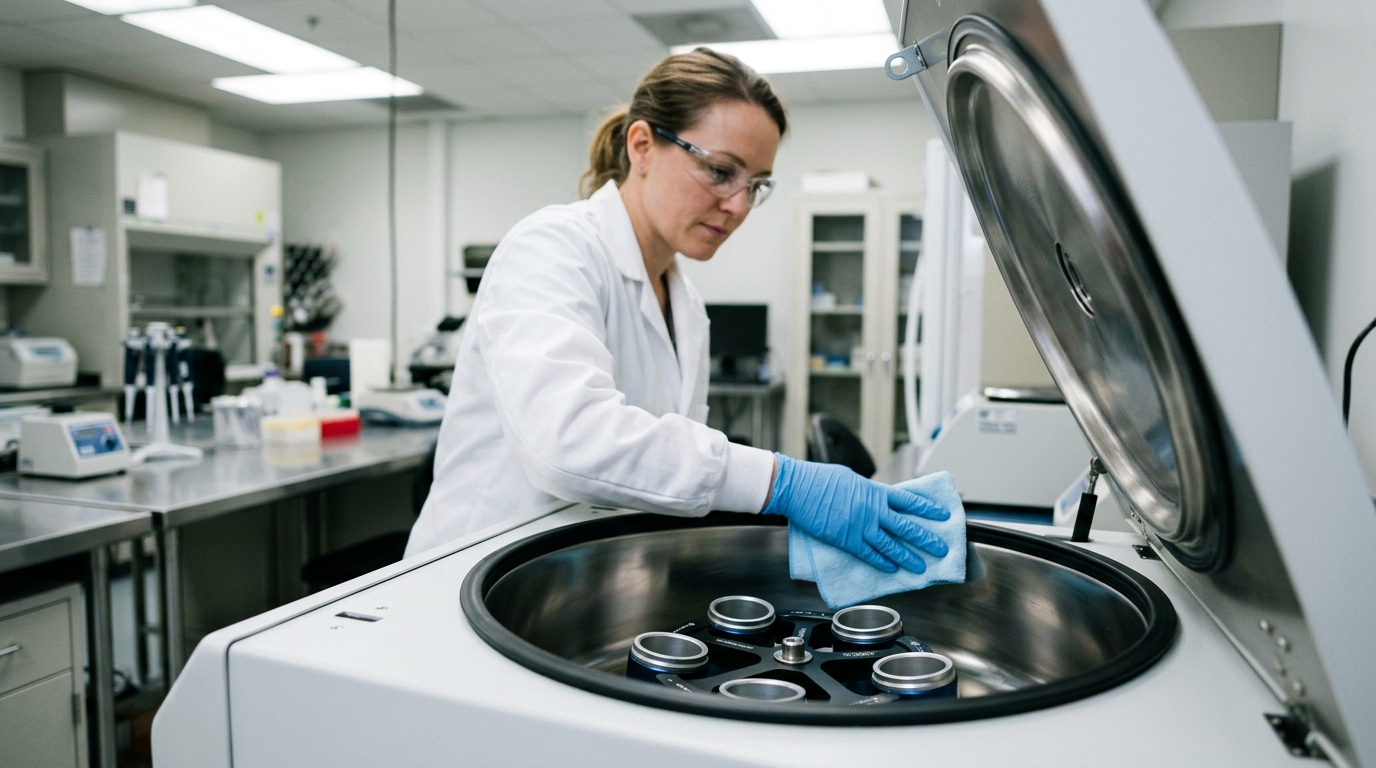
Refrigerated models require a more rigorous upkeep schedule than ambient units due to condensation. Rapid temperature changes draw moisture from the ambient air into the chamber, which can freeze on the rotor or pool at the base, creating a breeding ground for bacteria or causing mechanical drag.
Establishing a strict protocol prevents ice accumulation and protects the sensitive thermal sensors. The following matrix outlines the necessary operational checks to maintain ISO-compliant diagnostic standards.
| Frequency | Task | Key Action |
|---|---|---|
| Daily | Rotor Inspection & Chamber Wipe Down | Check for micro-cracks in tube shields; wipe condensation with neutral pH disinfectant. |
| Weekly | Condensation Drain & Dry | Empty drain lines, leave lid open overnight to thoroughly dry the refrigeration chamber. |
| Monthly | Speed & Temperature Validation | Verify the 4°C setting with a calibrated external thermometer; assess tachometer accuracy. |
| Annual | Professional Preventive Maintenance | Replace motor brushes, inspect refrigeration compressor seals, and conduct safety lock validation. |
Data Summary: Optimization Impact
Evaluating the metrics discussed provides a clear picture of how procedural discipline translates to clinical and financial outcomes.
| Optimization Metric | Standard Operation | Optimized Protocol | Net Impact |
|---|---|---|---|
| ACTH/Insulin Degradation | High (Ambient Processing) | Reduced by 40% (4°C Processing) | Higher diagnostic accuracy |
| Motor Bearing Lifespan | 18 months (Chronic imbalance) | 5 years (Strict mass balancing) | 3x lifespan extension |
| Repair/Downtime Costs | $600 - $1,200 per motor failure | Minimal (Predictable PM costs) | Significant budget preservation |
Frequently Asked Questions
How long should the chamber pre-cool before processing temperature-sensitive samples?
Most modern refrigerated units require 15 to 20 minutes to stabilize at 4°C from a standard room temperature of 22°C. Running a fast-cool cycle with the rotor empty accelerates this process and ensures the metal rotor itself is cold, preventing heat transfer to the sample tubes.
Can standard blood tubes be used in a high-speed refrigerated rotor?
Not all tubes are rated for high G-forces or low temperatures. Glass tubes can shatter under high RCF, and certain plastics become brittle at 4°C. Always verify that the collection tubes are rated for the specific RCF (not just RPM) and temperature you intend to apply.
What causes the equipment to vibrate excessively during the acceleration phase?
Excessive vibration is primarily caused by improper mass balancing of the rotor. Even if fluid volumes look identical, differing tube materials or asymmetrical placement across the central axis will create an imbalance. If balancing is correct and vibration persists, the motor bearings may be compromised or the rotor itself may have suffered micro-deformations.