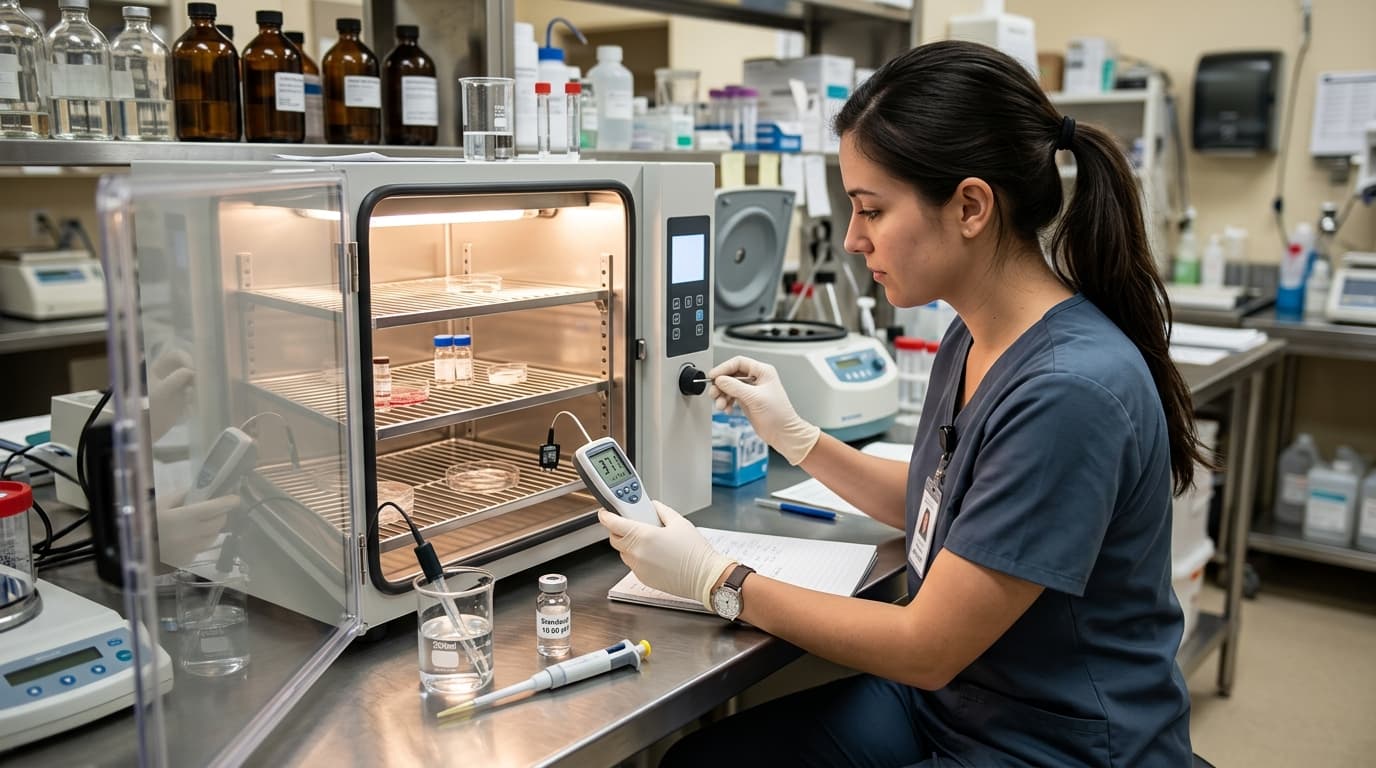
Veterinary diagnostics increasingly rely on strict environmental controls to yield accurate laboratory results. Whether a clinic is managing sensitive feline dermatophyte cultures, incubating exotic reptile eggs, or preserving equine reproductive tissues, the reliability of the laboratory incubator dictates the validity of the clinical outcome. An illumination incubator provides precise control over light exposure, temperature, and humidity, but this precision is entirely dependent on the accuracy of its internal sensors. When temperature probes drift or photodiodes degrade, clinical workflows suffer from delayed results or false negatives. Establishing a rigorous calibration and maintenance protocol ensures continuous accuracy, protects valuable biological samples, and maximizes the operational lifespan of the equipment.
Efficiency Gains: The Numbers Speak
Clinical facilities that implement structured illumination incubator sensor maintenance report a 34-hour reduction in annual equipment downtime. Routine calibration prevents the micro-drifts that typically trigger automated system alarms, which halt incubation cycles and require manual resets. Industry data indicates that uncalibrated sensors exhibit an average temperature drift of 2.5°C over a 12-month period. In a veterinary diagnostic setting, a 2.5°C variation can completely inhibit the growth of slow-growing fungal cultures or compromise delicate cellular structures.
By enforcing monthly single-point verifications and annual multi-point calibrations, laboratories maintain temperature deviations strictly within a 0.1°C margin. This stability directly improves diagnostic confidence. Clinics shifting from reactive repairs to proactive sensor management observe a 94% first-pass success rate in sensitive culture growth, compared to a 78% baseline in facilities with undocumented maintenance routines. Consistent environmental parameters eliminate the need to restart compromised cultures, thereby accelerating time-to-diagnosis.
3 Settings That Cut Procedure Time
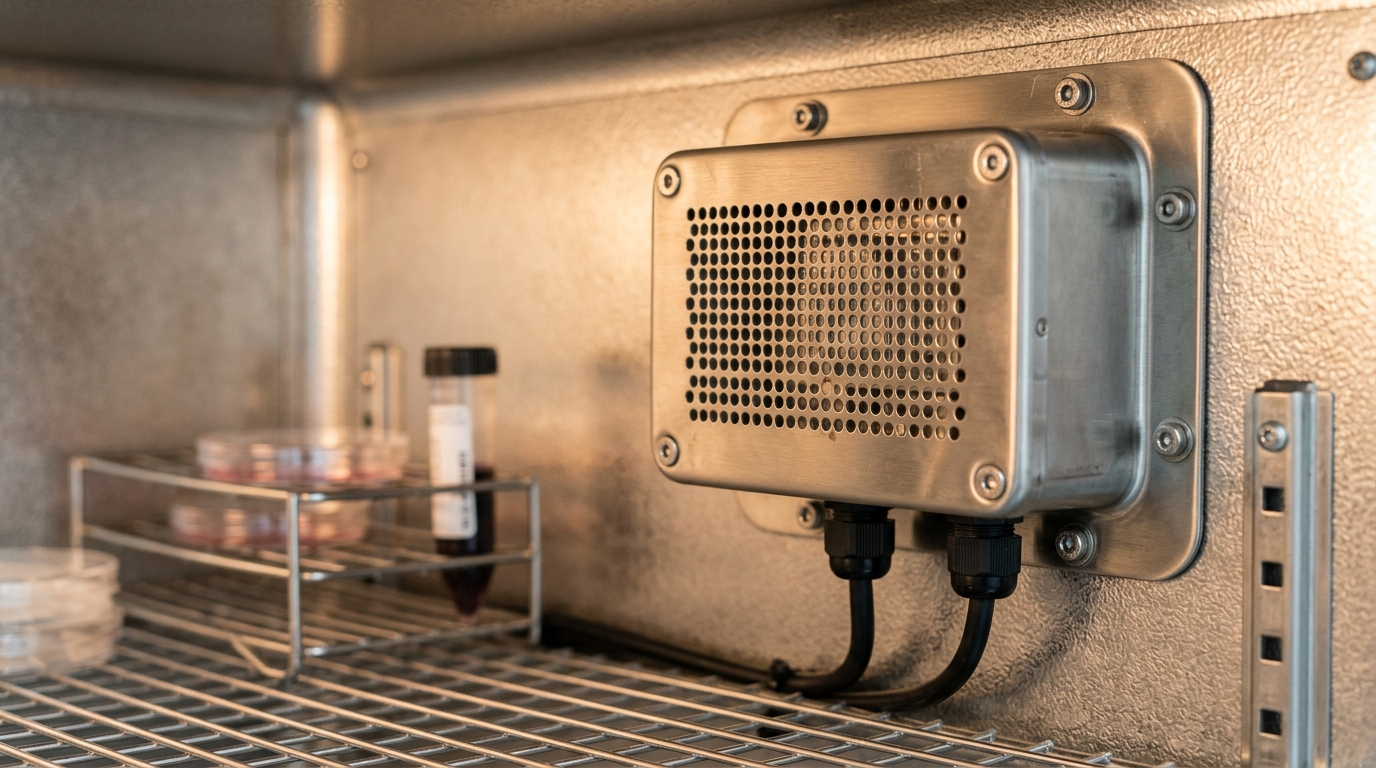
Optimizing specific sensor parameters directly impacts clinical efficiency and minimizes unnecessary mechanical wear. Technicians can adjust three critical settings to streamline daily operations.
First, configuring a multi-point temperature offset allows the controller to adjust for minor sensor variances across the entire operating range (e.g., 20°C to 45°C), rather than relying on a single baseline. This prevents the controller from overcompensating and hunting for the target temperature, reducing stabilization time by 15 minutes per cycle.
Second, adjusting the humidity sensor polling rate from continuous to a 5-minute interval reduces the computational load on the controller and extends the sensor's functional life. Continuous polling in high-humidity environments often leads to premature sensor saturation and a 15% error rate in moisture readings.
Third, implementing photoperiod synchronization with soft-start light ramping prevents sudden thermal spikes caused by instantaneous high-intensity illumination. This prevents the temperature sensors from falsely detecting a systemic overheat, bypassing unnecessary cooling cycles and saving an average of 12 minutes of temperature recovery time per shift.
Error Rate: Trained vs. Untrained Staff
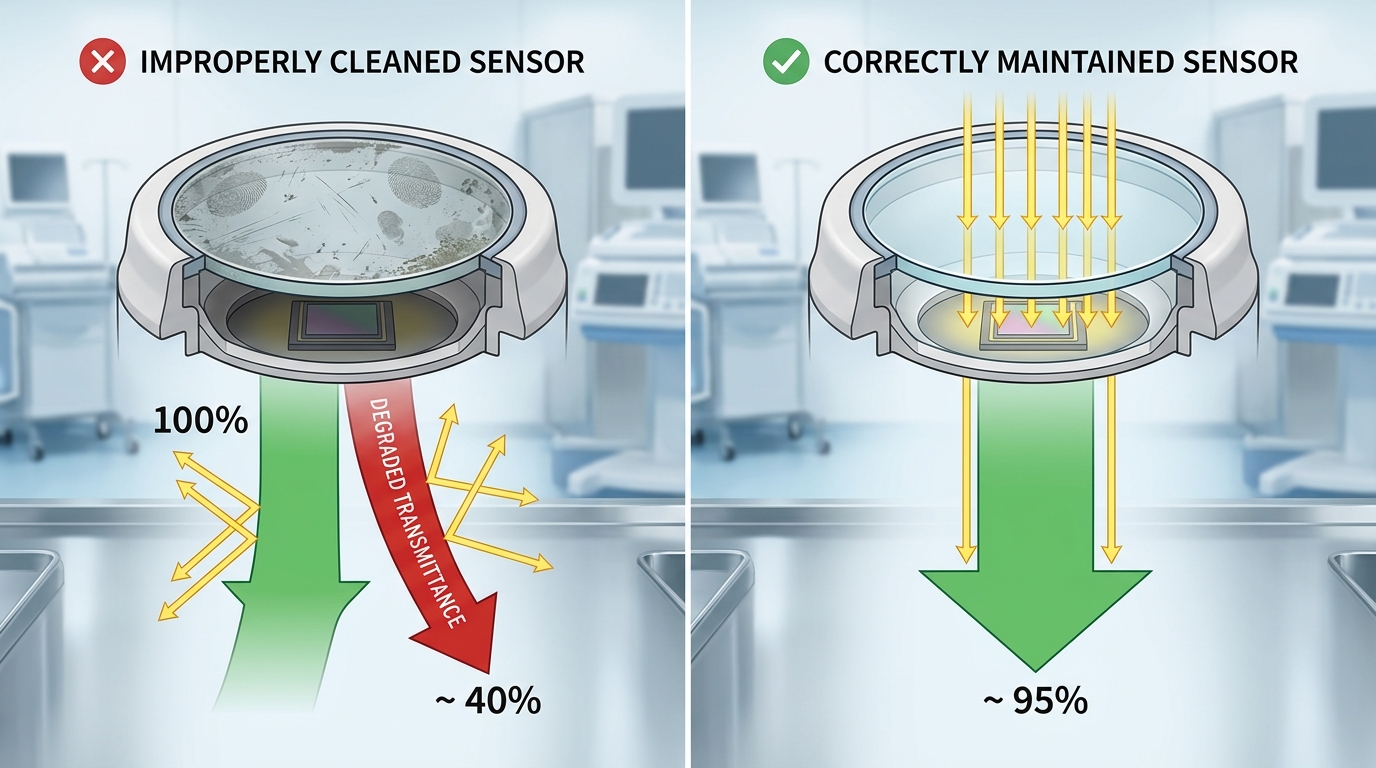
Human error remains a primary factor in sensor degradation. Data shows that 42% of sensor failures in clinical incubators stem from improper cleaning procedures executed by untrained personnel. Using highly abrasive materials or incorrect chemical solvents permanently damages the delicate surface of photodiodes and humidity membranes.
Based on HQS clinical observation, technicians who wipe internal photodiode sensors with standard quaternary ammonium clinic disinfectants cause a 12% degradation in light intensity readings within just six months. The residue forms a microscopic film that scatters light, forcing the equipment to increase power output to achieve target illumination, eventually burning out the LED arrays.
Conversely, trained staff using 70% isopropyl alcohol and lint-free optical wipes maintain 99% sensor transparency over the same period. Proper handling is especially critical for advanced equipment like a Biochemical Incubator SPX-50B/80B, where precise environmental baselines are necessary for accurate biochemical oxygen demand (BOD) testing and critical microbial cultivation.
Downtime Cost per Hour of Misuse
Financial metrics clearly illustrate the penalty of neglecting sensor calibration. The average cost of unplanned downtime for an illumination incubator ranges from $150 to $300 per hour in a busy veterinary diagnostic laboratory. This figure accounts for delayed diagnostic billing, the cost of wasted reagents, and the labor hours required to troubleshoot the failure.
A compromised humidity sensor that saturates and shuts down the system over a weekend can ruin an entire batch of cultures. Unlike a standard laboratory refrigerator designed solely for cold storage and preservation, an incubator actively drives biological growth. An interruption in the cycle means starting over. A ruined dermatophyte culture introduces a 10-to-14 day delay in treating a feline patient, directly impacting client satisfaction and patient welfare.
Replacing a fully degraded sensor board costs between $400 and $800, excluding specialized labor. In contrast, performing scheduled preventative maintenance requires approximately 20 minutes of a trained technician's time per month, representing a fraction of the cost of emergency repairs and lost clinical productivity.
Maintenance Interval Benchmarks
Standardizing maintenance schedules prevents unexpected equipment failure and ensures compliance with clinical quality standards. Establish clear protocols for daily, weekly, monthly, and annual evaluations. The following benchmarks detail the specific tasks required to maintain sensor integrity in an illumination incubator.
| Frequency | Task | Key Action |
|---|---|---|
| Daily | Visual Sensor Inspection | Check the temperature and humidity probes for visible condensation buildup or physical obstruction. Do not touch the sensing elements. |
| Weekly | Photodiode Cleaning | Gently wipe the light sensors with a lint-free swab and 70% isopropyl alcohol to remove microscopic dust and aerosolized residues. |
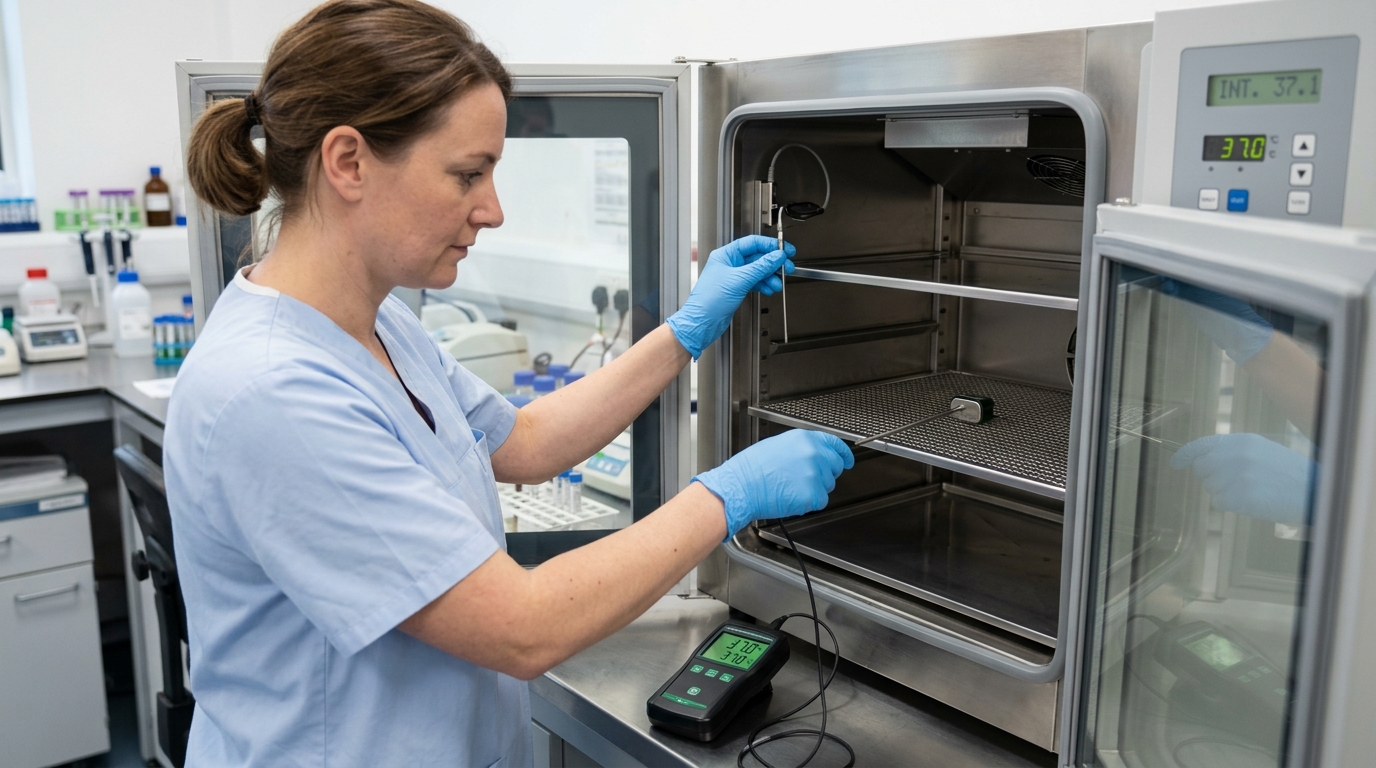
| Monthly | Single-Point Verification | Place a certified, independent reference thermometer in the geometric center of the chamber to verify controller accuracy against actual conditions. |
| Annual | Multi-Point Calibration | Contract a certified technician to perform a 3-point calibration (low, mid, high range) on temperature, humidity, and illumination sensors. |
Frequently Asked Questions
How often should I calibrate the photosynthetically active radiation (PAR) sensor?
Industry standards recommend verifying the PAR sensor output every six months using an independent light meter, with a full calibration performed annually. High-intensity usage may require quarterly checks to account for natural LED diode degradation.
What causes the temperature drift in an illumination incubator?
Temperature drift is primarily caused by prolonged exposure to high humidity, thermal cycling fatigue in the thermistor materials, and microscopic residue buildup on the sensor housing that insulates the probe from the actual air temperature.
Can we use standard veterinary disinfectants on the chamber sensors?
Standard clinic disinfectants, particularly those containing bleach or strong surfactants, should never be used on sensors. They leave a chemical film that blinds optical sensors and corrodes the delicate metallic elements of humidity probes. Always use 70% isopropyl alcohol.
Is it necessary to sterilize calibration tools before placing them inside?
Yes, any reference tools introduced into the chamber should be sterile to prevent cross-contamination of biological samples. Metal probes or trays used during the calibration process can be processed in a standard veterinary autoclave prior to use.
Data Summary: Optimization Impact
Implementing the maintenance procedures and operational settings outlined above yields measurable improvements in equipment reliability and clinical throughput. Evaluating these data points provides a clear justification for dedicating staff time to proactive incubator management.
| Metric Category | Without Standard Protocol | With Optimized Protocol | Net Clinical Impact |
|---|---|---|---|
| Annual Downtime | 48 Hours | 14 Hours | 34 hours recovered for active diagnostics. |
| Temperature Drift | 2.5°C over 12 months | Maximum 0.1°C variance | Eliminates thermal shock to sensitive cultures. |
| Culture Success Rate | 78% first-pass growth | 94% first-pass growth | Fewer false negatives and delayed diagnoses. |
| Sensor Lifespan | 18 - 24 months | 48 - 60 months | Reduces recurring replacement costs by over 50%. |