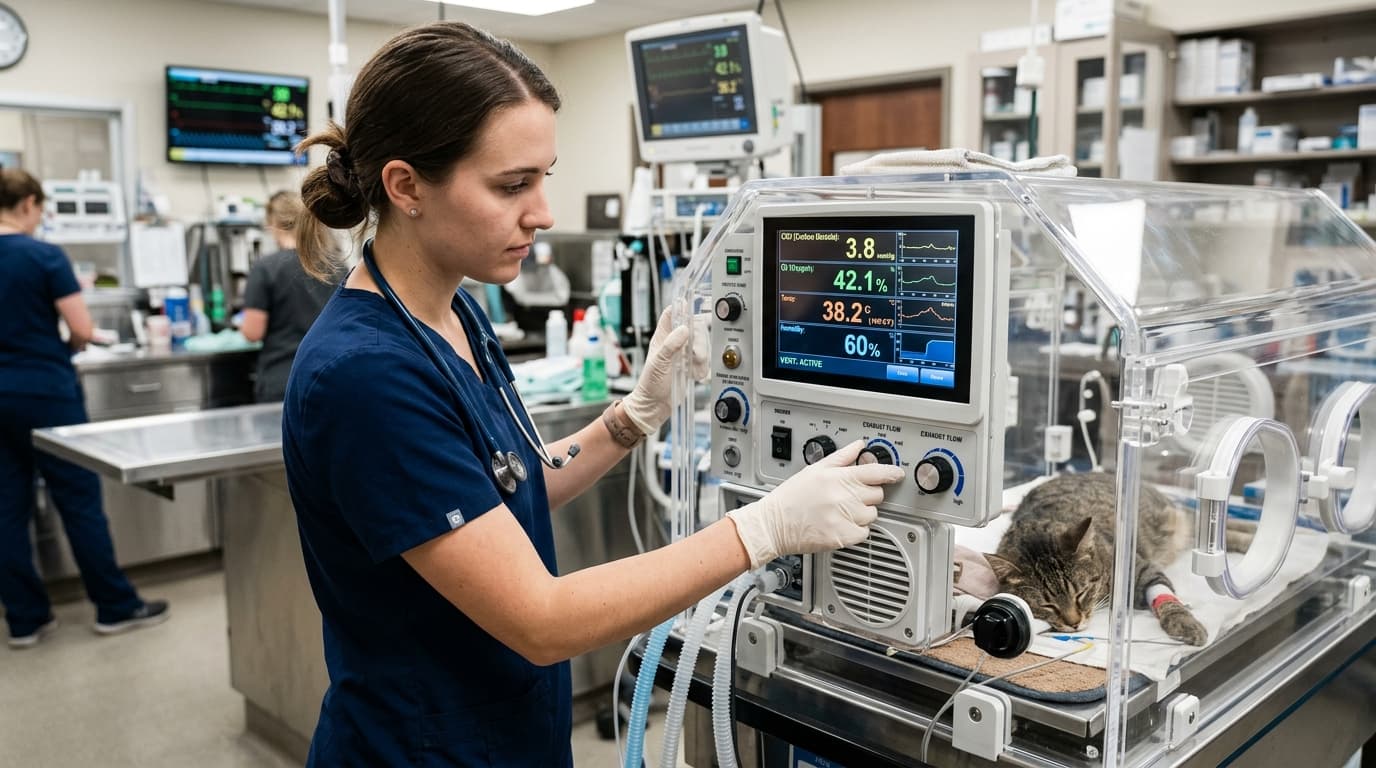
Industry guidance indicates that a 5 kg patient placed inside an unventilated 100-liter clinical chamber can elevate ambient carbon dioxide to dangerous thresholds—approaching 45 mmHg or 6% concentration—in under 40 minutes. A Vet ICU Incubator is designed to provide life-saving oxygen and thermal support, but without strict ventilation management, the enclosed microclimate becomes a hazard. Respiratory acidosis induced by rebreathing exhaled gases complicates patient stabilization and prolongs recovery. This technical report details specific ventilation parameters, operator error metrics, and maintenance intervals required to control ambient CO2 accumulation during critical care and postoperative applications.
Efficiency Gains: The Numbers Speak
Managing carbon dioxide accumulation directly influences clinical stabilization timelines. Data from critical care environments shows that utilizing active exhaust systems rather than relying on passive leakage reduces the time required to establish optimal gas equilibrium by up to 40%. When an incubator is properly vented, the internal ambient CO2 remains below the standard target of 1,500 ppm, minimizing respiratory stress on the patient.
Based on HQS clinical observation in high-volume emergency wards, maintaining a continuous fresh air exchange rate of 2 to 3 liters per minute prevents CO2 from exceeding baseline atmospheric levels, even during prolonged 100% oxygen therapy. This rapid microclimate stabilization shortens the intensive monitoring phase. It allows clinical staff to confidently transition stable patients faster than traditional recovery methods inside standard stainless steel cages, where climate control is entirely dependent on the room's HVAC system.
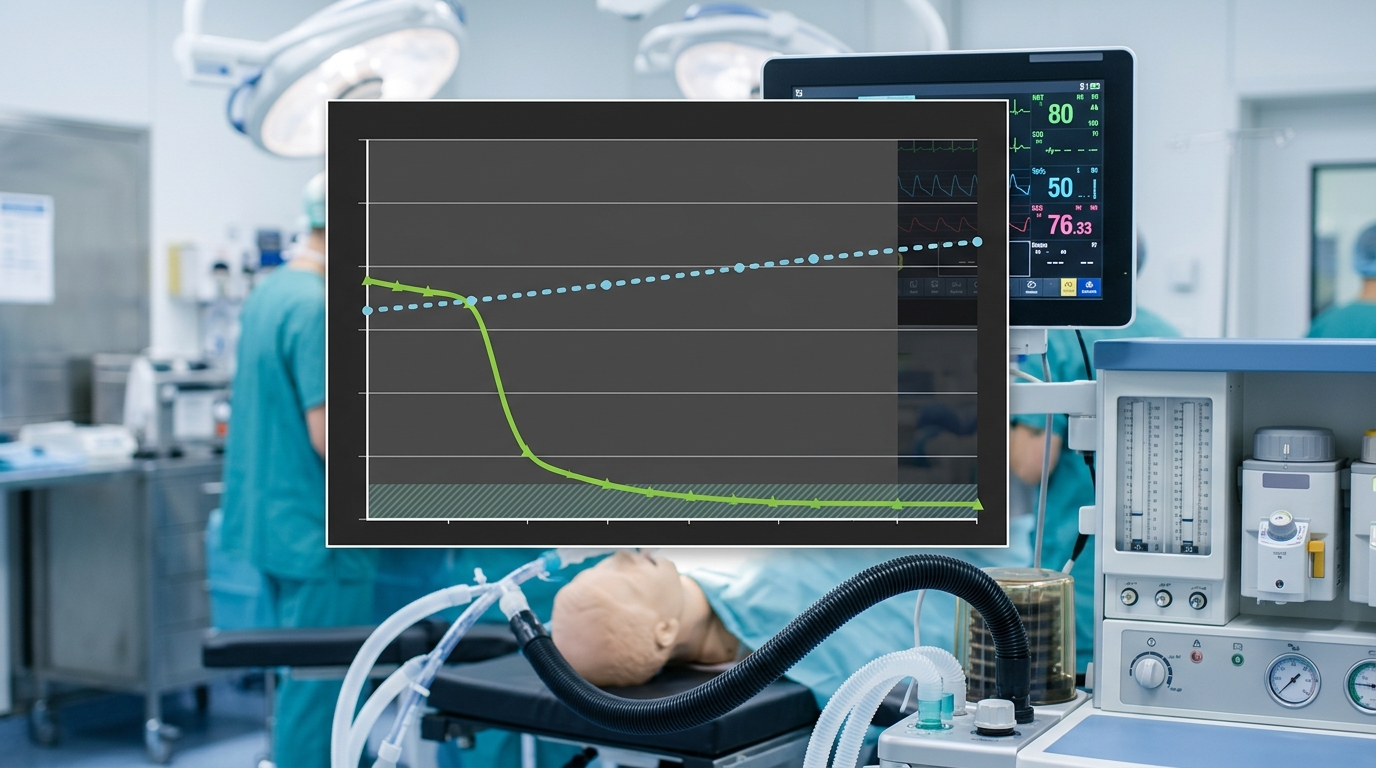
3 Settings That Cut Procedure Time
In this context, "procedure time" refers to the duration required to achieve a therapeutic and stable microclimate. Establishing this environment quickly requires precise configuration of the incubator's intake and exhaust mechanics.
- Exhaust Valve Calibration: Opening exhaust valves by at least 30% during low-flow oxygen administration prevents gas pooling. Sealing a unit completely traps moisture and carbon dioxide simultaneously.
- Variable Fan Speeds: Engaging a continuous, low-noise internal circulation fan (operating under 45 dB) ensures homogenous gas distribution. This reduces the delay for onboard sensors to register accurate ambient conditions from 15 minutes down to under 5 minutes.
- High-Flow Purge Protocols: Running a 60-second high-flow flush (10 L/min) prior to placing a patient with severe respiratory compromise clears residual gases and establishes an immediate high-oxygen, low-CO2 baseline.
Applying these specific configurations on advanced units like the Pet ICU Incubator H-1801 standardizes the workflow and minimizes the physical adjustments needed during the critical first hour of treatment.
Error Rate: Trained vs. Untrained Staff
Equipment operators without specific training on microclimate dynamics frequently mismanage exhaust ports. Many practices report that untrained personnel leave ventilation ports completely closed during oxygen supplementation in a misguided attempt to "save oxygen" or build concentration faster. This directly causes rapid CO2 accumulation.
In contrast, trained technicians who follow a standardized 4-step ventilation protocol (Baseline venting, Flow rate adjustment, Humidity control, Active sensor validation) demonstrate an operational error rate of less than 5%. The clinical impact of these errors varies by scenario. In an emergency ICU setting with a dyspneic patient, failure to vent properly immediately exacerbates respiratory distress. In an outpatient postoperative recovery scenario, mild hypercapnia might manifest as delayed waking and grogginess. Regardless of the scenario, correlating the incubator's ambient readings with the patient's end-tidal CO2 from veterinary patient monitors is an essential practice for cross-validation.
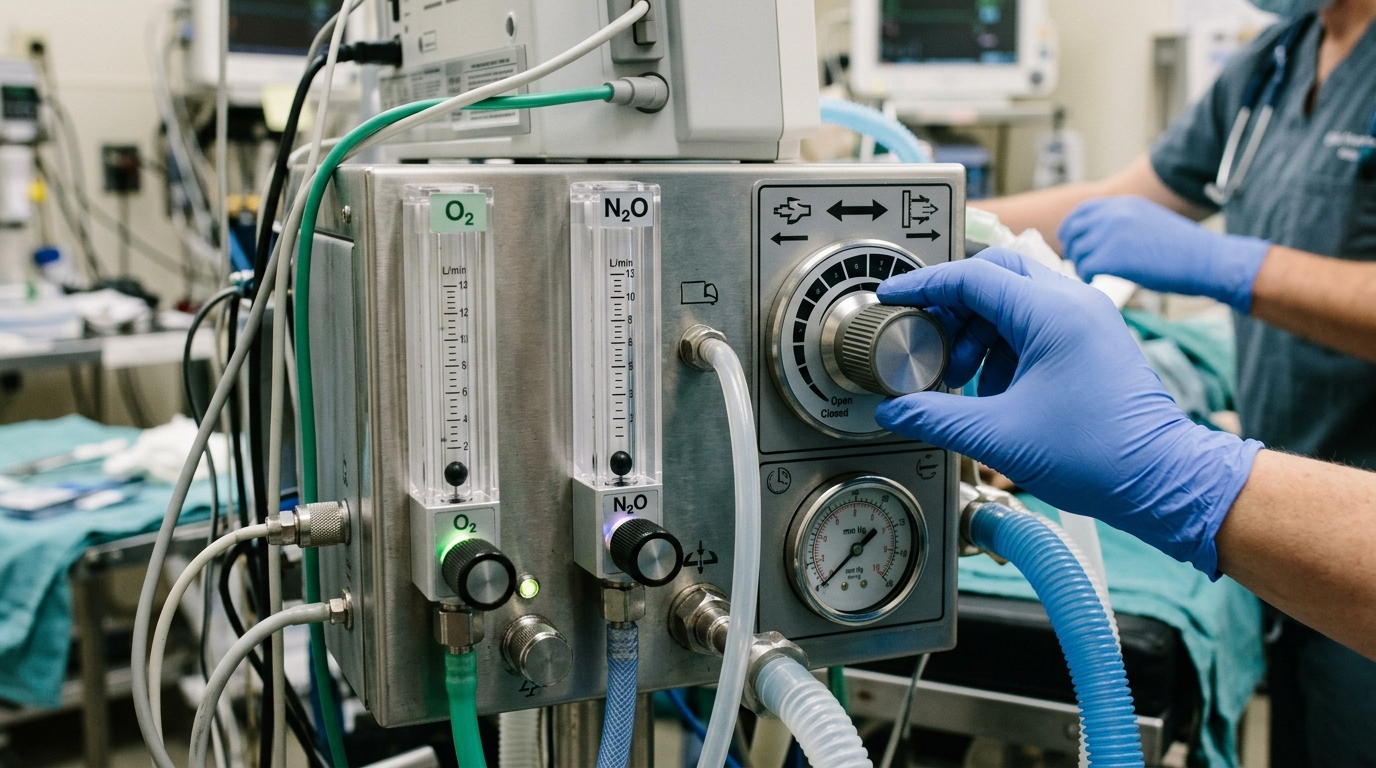
Downtime Cost per Hour of Misuse
Inadequate ventilation impacts both patient physiology and equipment longevity. Trapped internal moisture combined with elevated carbon dioxide accelerates the degradation of internal infrared sensors and corrodes the bearings of active exhaust fans. Operating the device with blocked vents forces the internal climate control systems to compensate continuously, increasing thermal wear.
Comparing 3 sensor calibration schedules highlights the operational risks. Schedule 1 (Annual Factory Calibration) often misses mid-year sensor drift. Schedule 2 (Reactive Calibration) only addresses failures after CO2 spikes occur, risking patient safety. Schedule 3 (Monthly Proactive Validation), combined with daily visual checks, is the only method proven to reliably prevent ambient CO2 from silently creeping toward the 45 mmHg hypercapnia threshold.
Replacing a compromised CO2 sensor or a corroded ventilation module incurs direct hardware costs ranging from $300 to $800, alongside an average of 4 to 6 hours of machine downtime. At an estimated billing rate of $150 per hour for intensive thermal and oxygen support, a single preventable sensor failure can cost a veterinary clinic over $1,500 in lost revenue and repair fees.
Maintenance Interval Benchmarks
Routine hardware maintenance is the primary defense against unexpected ventilation failures. Adhering to strict schedules ensures internal sensors remain highly accurate and exhaust pathways stay free of biological debris and excessive condensation.
| Frequency | Task | Key Action |
|---|---|---|
| Daily | Exhaust Port Inspection | Verify all adjustable baffles and exhaust ports move freely and are clear of hair, bedding, or fluid buildup. |
| Weekly | Fan Mechanism Cleaning | Wipe down active ventilation fan grilles. Check for abnormal noise indicating bearing wear from humidity. |
| Monthly | Sensor Baseline Validation | Expose the empty, open incubator to room air (approx. 400 ppm CO2) and verify the internal sensor reads accurately without drift. |
| Annual | Infrared Sensor Calibration | Perform manufacturer-specified calibration or replacement of the CO2 sensor to ensure sensitivity remains within ±50 ppm. |
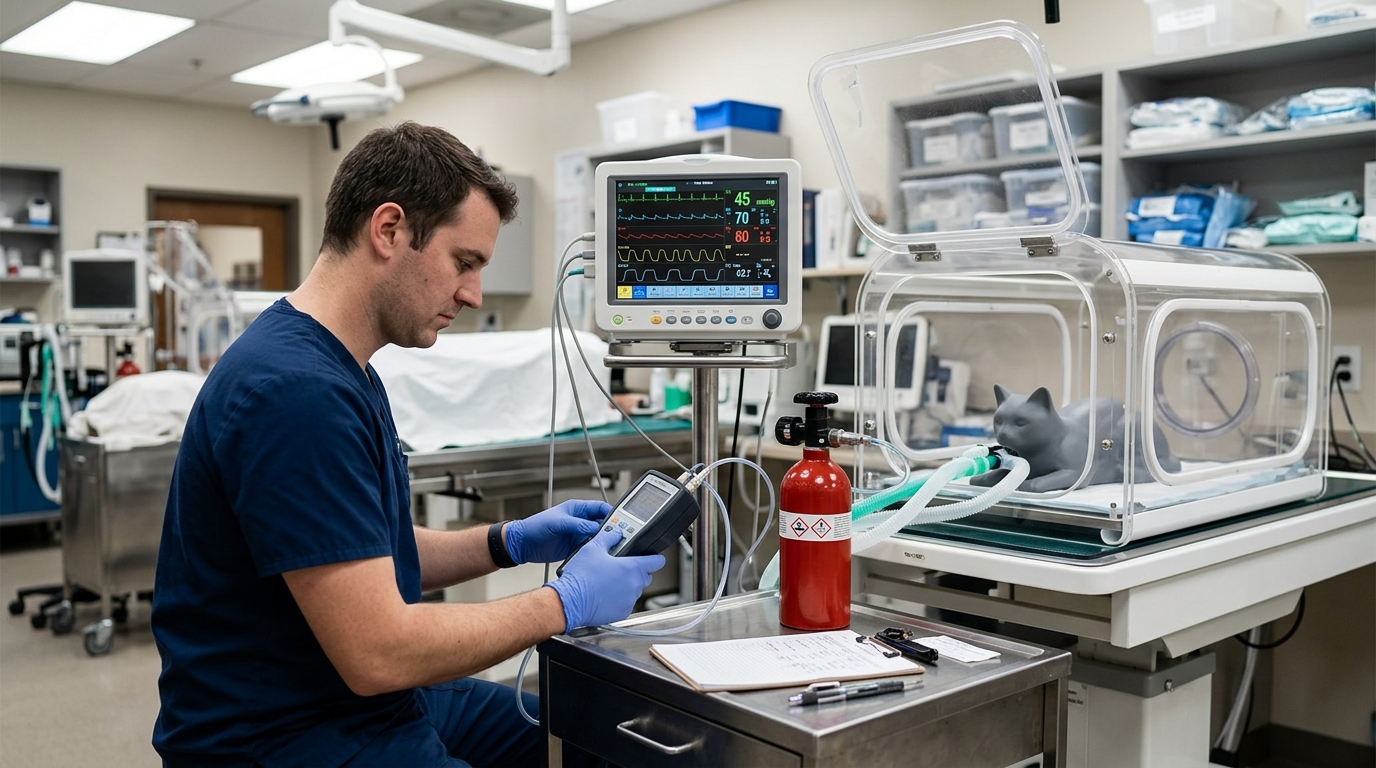
Frequently Asked Questions
What is the maximum safe ambient CO2 level inside a Vet ICU Incubator?
The ambient carbon dioxide level inside the chamber should be maintained below 1,500 ppm (approximately 0.15%). Ambient levels approaching 45 mmHg (roughly 6%) indicate severe ventilation restriction and pose immediate rebreathing risks to the patient.
Does a high oxygen flow rate automatically flush out carbon dioxide?
High oxygen flow only effectively flushes out carbon dioxide if the exhaust vents are adequately open to allow gas displacement. If the chamber is tightly sealed, the CO2 produced by the patient's respiration will accumulate regardless of the input flow rate.
How do humidity levels affect incubator ventilation?
High humidity combined with poor ventilation creates condensation on the internal sensors, which can distort CO2 readings. Active air exchange is required not only to remove waste gases but also to manage the moisture generated by the patient's breath and intravenous fluids.
Data Summary: Optimization Impact
Implementing structured ventilation protocols and adherence to maintenance schedules yields measurable improvements in clinical stability and operational cost control.
| Optimization Metric | Standard Passive Operation | Protocol-Driven Active Ventilation | Clinical & Financial Impact |
|---|---|---|---|
| Microclimate Stabilization Time | Up to 15 minutes | Under 5 minutes | Faster baseline establishment for critical care patients. |
| Operator Error Rate | High (vents frequently closed) | Less than 5% (4-step protocol) | Drastic reduction in undetected hypercapnia incidents. |
| Ambient CO2 Limit Validation | Reactive (post-failure) | Proactive (Monthly Validation) | Prevents dangerous accumulation near 45 mmHg. |
| Hardware Downtime Costs | $1,500+ per failure | Minimal preventive costs | Extends infrared sensor and fan bearing lifespans. |