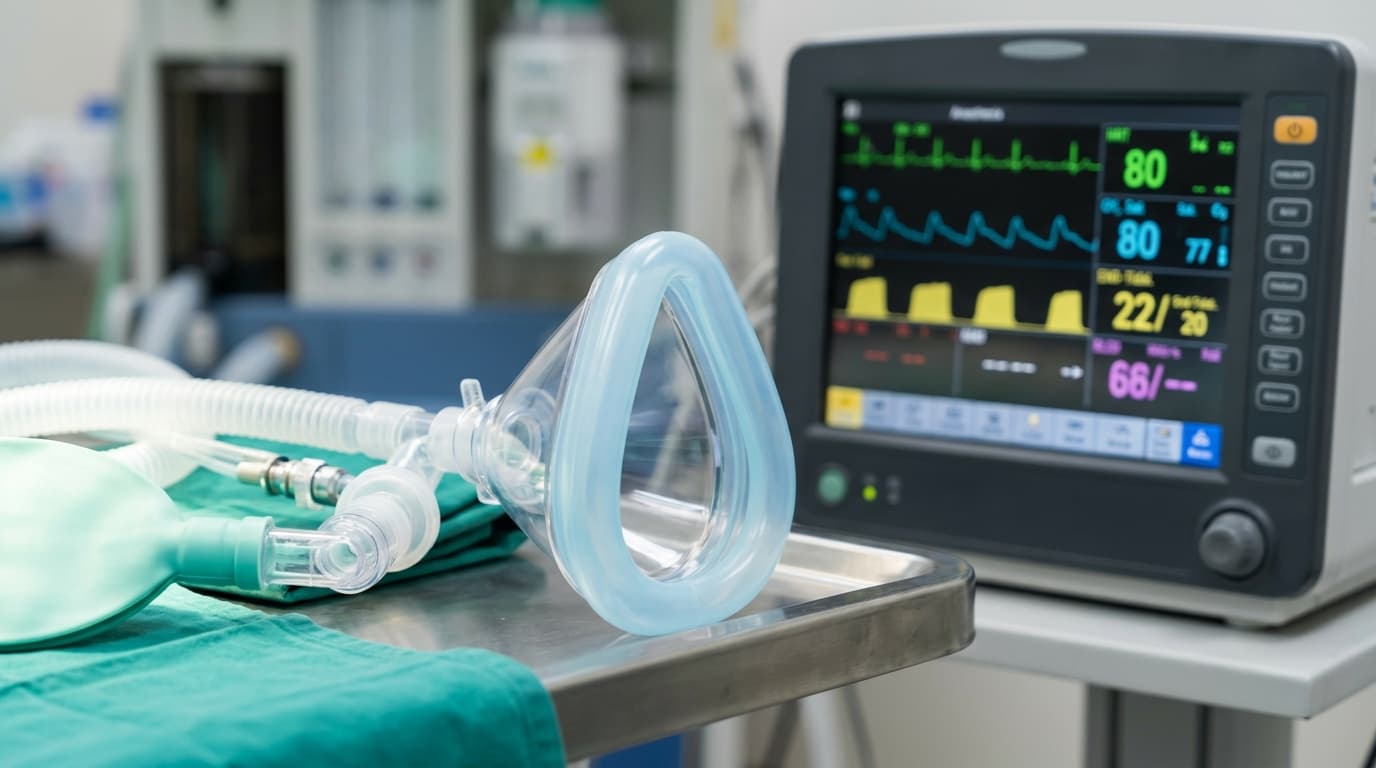
Clinical audits suggest that up to 40% of hypercapnia incidents during small animal anesthesia are linked to excessive equipment dead space. In patients under 5kg, where physiological tidal volume is limited to merely 50–75mL, the added mechanical dead space of a poorly fitted mask can severely compromise ventilation. Managing this volume is not merely a matter of comfort; it is a critical safety parameter that directly affects patient stability, volatile anesthetic consumption, and overall procedural efficiency. By optimizing mask selection and fit, clinics can significantly reduce rebreathing risks and streamline their anesthetic workflows.
Efficiency Gains: The Numbers Speak
Mechanical dead space refers to the volume within the anesthetic breathing system where bidirectional gas flow occurs without participating in gas exchange. For small animals, standard conical masks often introduce between 15-45mL of dead space. When a 3kg feline patient with a tidal volume of approximately 30mL is fitted with a mask adding 30mL of dead space, the rebreathing fraction reaches 100% of the tidal volume. This forces the patient to rebreathe exhaled carbon dioxide, rapidly leading to hypercapnia (ETCO2 > 45 mmHg).
By transitioning to low-volume, specialized models like the Veterinary Mask M5, clinics report a notable reduction in ETCO2 stabilization times. Integrating a properly sized veterinary mask with a high-performance veterinary anesthesia machine ensures that fresh gas flow efficiently washes out exhaled gases, maintaining normocapnia and preventing the anesthetic plane from fluctuating.
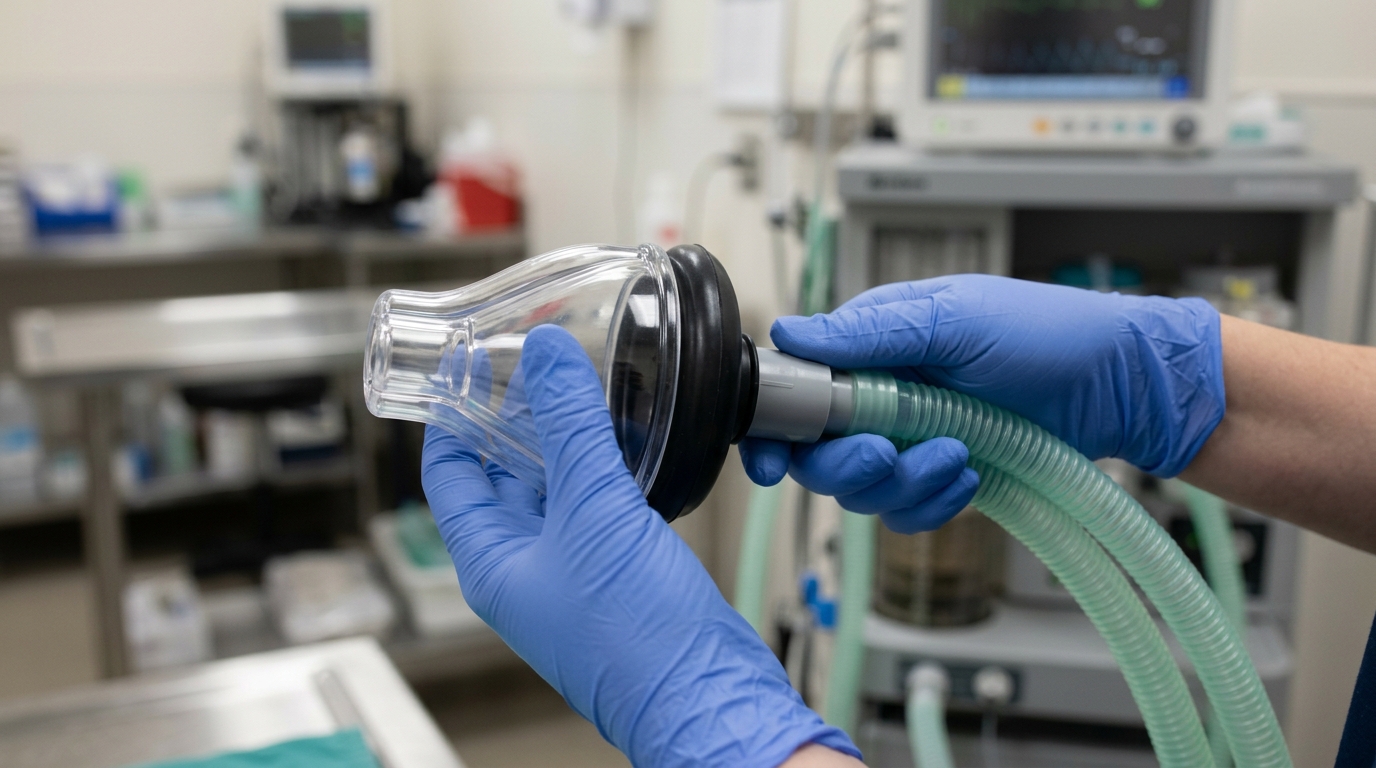
3 Metrics That Matter in Mask Selection
Selecting the correct interface requires balancing anatomical fit with minimal internal volume. The table below compares different mask profiles and their impact on clinical metrics.
| Mask Profile Type | Dead Space Volume | Target Patient Weight | Cost / Efficiency Impact |
|---|---|---|---|
| Standard Conical | 30–45mL | > 5kg | High waste of volatile gases for small pets |
| Flat Diaphragm Interface | 15–20mL | Under 5kg | Optimal; minimizes sevoflurane/isoflurane waste |
| Short-Snout (Brachycephalic) | 20–25mL | 3–8kg | Reduces leak-induced flow rate demands |
| Exotics/Avian Modified | < 10mL | < 1kg | Requires precision flowmeters; critical for safety |
Leakage Rates: Optimized vs. Standard Setup
Beyond dead space, improper fit leads to ambient leakage, compromising both patient depth and occupational safety. Standard masks used on non-standard anatomies often suffer a 15–20% gas leak rate. An optimized setup using a properly sized silicone diaphragm reduces this leakage to under 2%. Based on HQS clinical observation, replacing a rigid standard conical mask with a flexible, tight-fitting diaphragmatic model reduces mechanical dead space by approximately 40% in feline patients, while simultaneously halving the required fresh gas flow rate.
This optimization limits exposure to waste anesthetic gases (WAG) for the clinical team. Operating an inefficient interface forces technicians to increase vaporizer output and oxygen flow to compensate for leaks, masking the underlying issue of poor equipment selection.
Downtime Cost per Hour of Misuse
The financial impact of excessive dead space and poor mask fit extends beyond patient safety. A leaking or oversized mask requires higher fresh gas flows (often exceeding 2-3 L/min for a small patient) to flush out accumulated CO2 and maintain anesthetic depth. This wastes volatile anesthetics.
At an average cost of $0.50 to $0.80 per milliliter for sevoflurane, running unnecessarily high flow rates due to mask inefficiency can add $15 to $25 per procedural hour in wasted gas. Over a year of 500 procedures, this translates to thousands of dollars in lost revenue. For further insights on procurement strategies, clinical directors often consult a comprehensive procurement guide and ROI analysis to align equipment choices with financial sustainability.
Maintenance Interval Benchmarks
To sustain low dead space and prevent leaks, the integrity of the mask's seals, particularly the silicone diaphragm, must be strictly maintained. Micro-tears in the diaphragm not only cause gas leakage but also alter the internal volume dynamics. Implementing a structured 4-step maintenance schedule ensures consistent performance and regulatory compliance.
| Frequency | Task | Key Action |
|---|---|---|
| Daily | Visual Inspection & Functional Check | Examine silicone diaphragm for micro-tears, stretching, or hardening. Ensure connector port is free of debris. |
| Weekly | Deep Cleaning & Disinfection | Wash with enzymatic cleaner. Avoid harsh solvents that degrade silicone elasticity. Air dry completely. |
| Monthly | Compatibility Assessment | Test the 15mm/22mm connector fit with various breathing circuits to ensure a secure, leak-free connection. |
| Annual | Hardware Renewal | Replace silicone components or entire mask units if material degradation affects the seal or increases internal dead space. |
Frequently Asked Questions
What is the maximum acceptable dead space for a 3kg patient?
For a 3kg patient, the physiological tidal volume is roughly 30-45mL. Industry guidance suggests mechanical dead space should not exceed 30% of the patient's tidal volume, meaning the mask and connector combined should ideally contribute no more than 9-13mL of dead space to prevent severe rebreathing.
How does mask shape affect dead space volume?
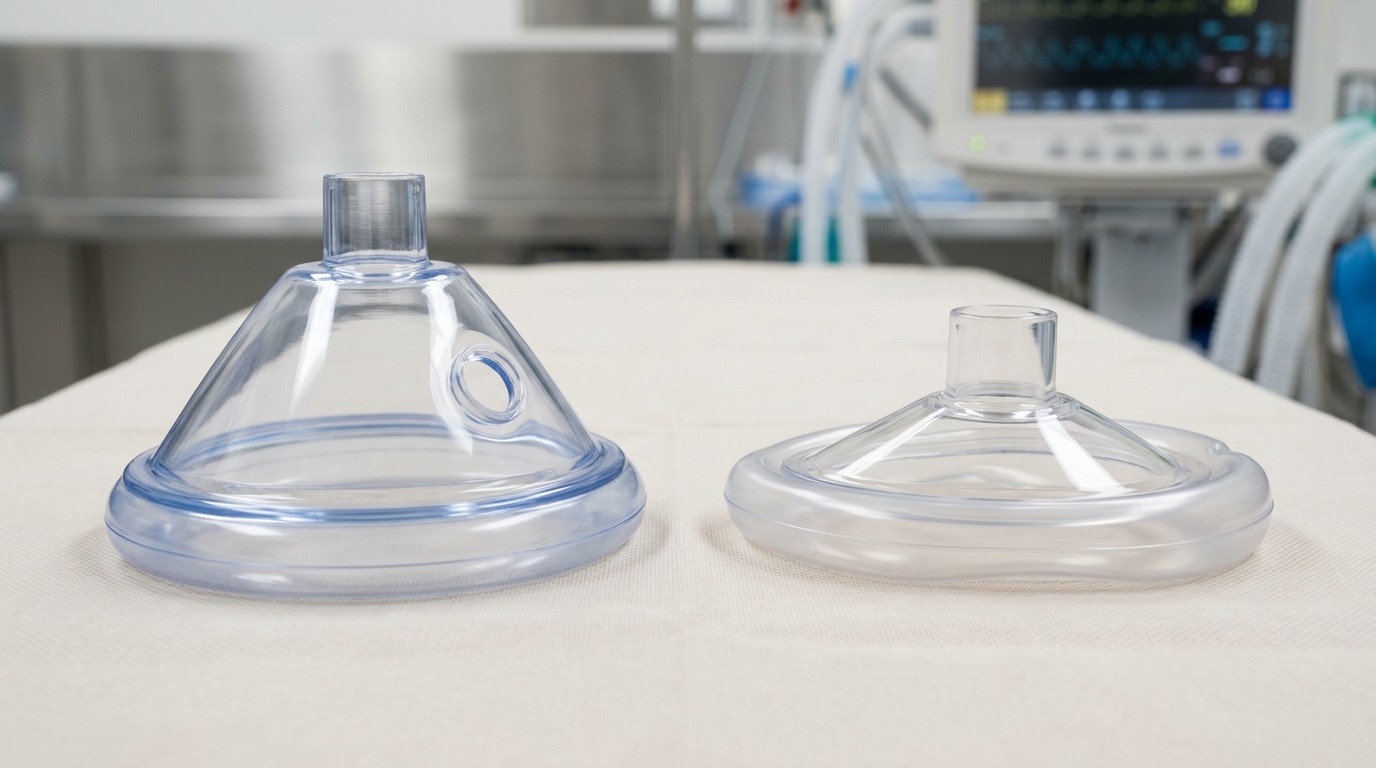
Conical masks inherently have a larger internal volume to accommodate various snout lengths. Flat or diaphragmatic masks sit closer to the nares, drastically reducing the empty space between the patient's nose and the fresh gas inlet, which is critical for animals under 5kg.
When should the silicone diaphragm of a veterinary mask be replaced?
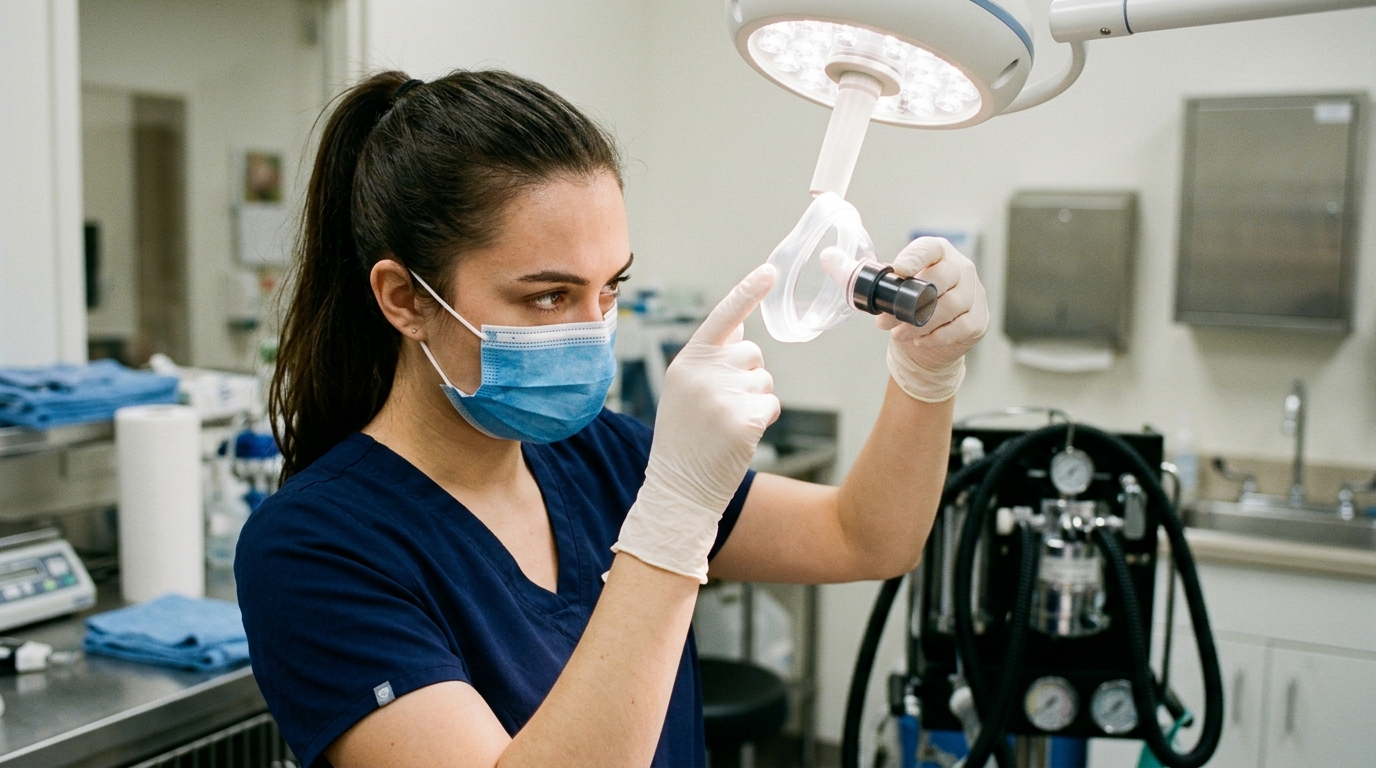
The silicone diaphragm should be replaced immediately if micro-tears are visible, if the material becomes rigid and loses its elasticity, or if a tight seal can no longer be achieved around the patient's muzzle, typically requiring assessment during the daily and annual checks of your 4-step maintenance schedule.
Data Summary: Optimization Impact
| Clinical Metric | Standard Conical Mask | Optimized Diaphragm Mask | Net Improvement |
|---|---|---|---|
| Dead Space (Small Patient) | 30–45mL | 15–20mL | 50% Reduction |
| Average ETCO2 Levels | 45–55 mmHg (Hypercapnia) | 35–45 mmHg (Normocapnia) | Maintains physiological baseline |
| Gas Leakage Rate | 15–20% | < 2% | Significant WAG reduction |
| Cost of Wasted Gas (per hour) | $15–$25 | Baseline | Up to $25 saved per procedure hour |
By strictly monitoring equipment volumes and adhering to validated maintenance schedules, veterinary practices can establish a safer, more predictable anesthetic environment for small patients while optimizing their operational budgets.