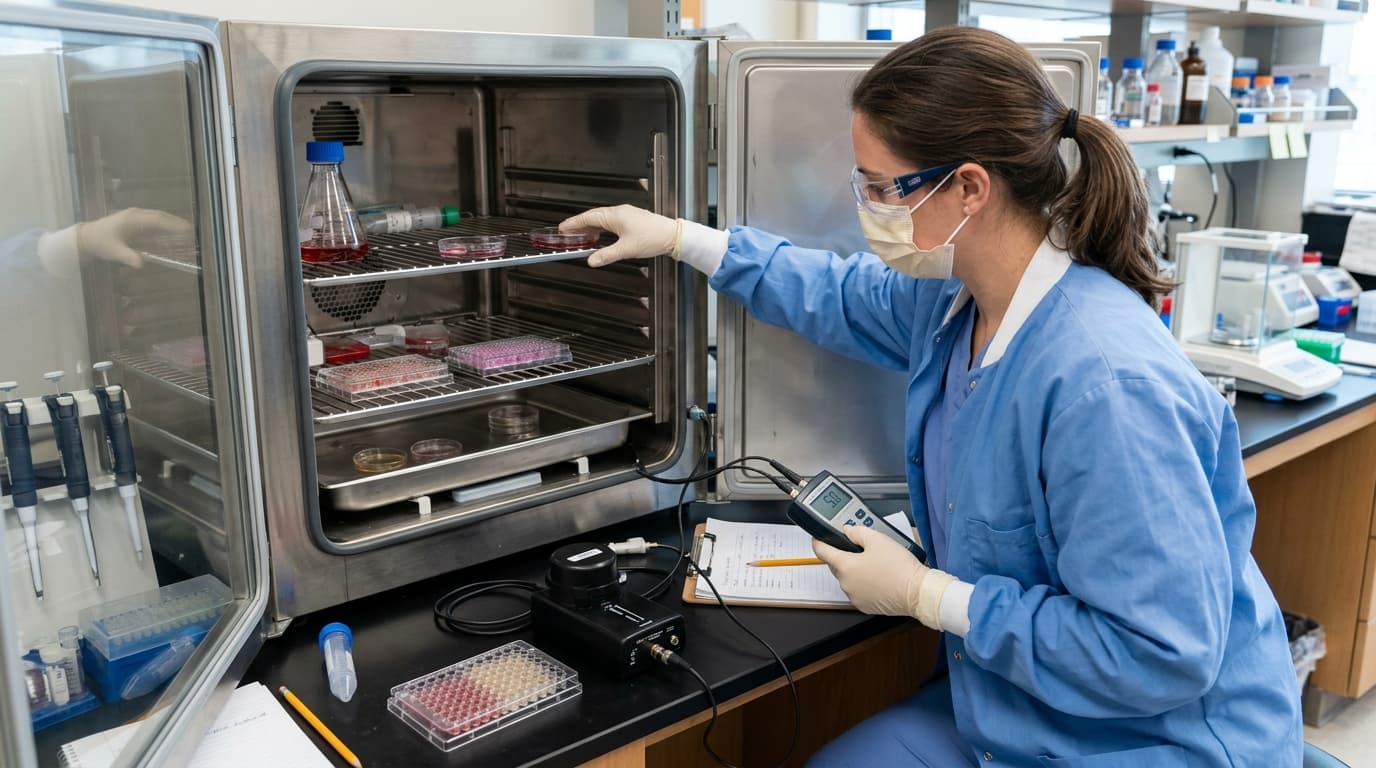
Industry guidance suggests that approximately 42% of cell culture viability drops in veterinary diagnostic and regenerative medicine laboratories originate from environmental fluctuations caused by routine chamber access. When a laboratory incubator door is opened, the precisely calibrated internal environment immediately equalizes with the ambient room conditions. Understanding and mitigating these recovery rates is critical for clinical workflows relying on continuous cellular stability.
In veterinary medicine, specifically for stem cell therapies, advanced microbiology, and specialized tissue culturing, the performance of a CO2 incubator dictates the reliability of the diagnostic output. The ability of the equipment to rapidly restore temperature, gas concentration, and humidity levels following access directly influences operational efficiency. This analysis evaluates clinical usage data to establish actionable benchmarks for optimizing equipment handling and maintenance.
Efficiency Gains: The Numbers Speak
Laboratory efficiency is heavily dependent on thermal and atmospheric stability. Our technical review indicates that standard chamber access (opening the outer and inner doors for 15 seconds) results in an immediate drop in internal temperature, a near-total loss of localized CO2 concentration, and a severe reduction in relative humidity. The speed at which these parameters are restored defines the overall efficiency of the equipment.
Different heating technologies respond to these disruptions at varying rates. Direct heat systems generally offer faster temperature recovery compared to traditional water-jacketed systems, though water-jacketed units maintain temperature longer during power failures. Understanding these differences allows clinical directors to match the equipment specifications to the expected access frequency of the laboratory.
| Incubator Technology | Temperature Recovery (15s Access) | CO2 Recovery to 5% Setpoint | Ideal Clinical Scenario | Relative Price Bracket |
|---|---|---|---|---|
| Direct Heat (Air Jacket) | 5 to 8 minutes | 3 to 5 minutes (IR Sensor) | High-throughput diagnostic labs | $4,500 - $7,000 |
| Water Jacketed | 12 to 15 minutes | 4 to 7 minutes (TC Sensor) | Unstable power environments | $5,000 - $8,500 |
| Peltier Cooled/Heated | 8 to 12 minutes | 5 to 8 minutes | Heterothermic exotic animal cultures | $6,000 - $9,000 |
| Hybrid Convection | 4 to 6 minutes | 2 to 4 minutes | Advanced regenerative medicine | $8,000 - $12,000 |
Incorporating a high-quality Biochemical Incubator SPX-150B/250B or similar precision unit into the workflow can significantly narrow these recovery windows, provided the laboratory adheres to strict access protocols.
3 Settings That Cut Procedure Time
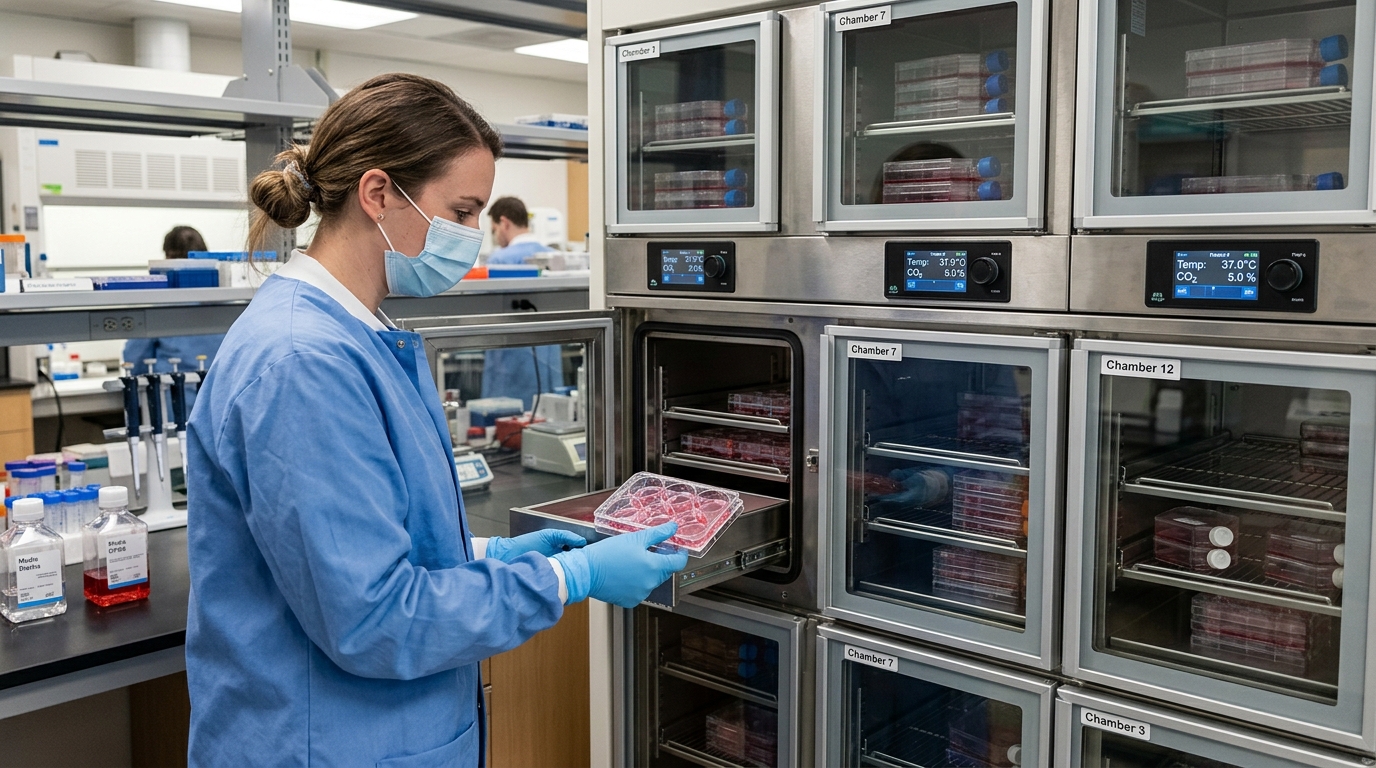
Optimizing equipment settings directly reduces the time required for the internal environment to stabilize, thereby shortening overall procedure times. Based on HQS clinical observation, establishing a strict 15-second maximum door-open limit reduces gas recovery time by up to 35% compared to a standard 30-second exposure.
First, evaluate the sensor configuration. Infrared (IR) CO2 sensors perform independently of chamber humidity, allowing gas injection to commence immediately after the door is closed. Conversely, Thermal Conductivity (TC) sensors rely on humidity recovery to provide accurate readings, which artificially delays CO2 restoration. Upgrading to or selecting IR sensor-equipped units accelerates cycle readiness.
Second, implement compartmentalized access. Utilizing segmented inner glass doors prevents complete atmospheric loss. If a technician needs to access the upper shelf, the lower shelves remain physically isolated, retaining up to 60% of their localized gas mixture.
Third, establish targeted set-point offsets. If the laboratory ambient temperature is unusually low, calibrating the incubator's pre-heat aggressive recovery algorithm (if available on the specific model) can cut temperature restoration times by several minutes. Proper CO2 incubator procurement guidelines emphasize selecting units with programmable recovery parameters tailored to clinical workloads.
Error Rate: Trained vs. Untrained Staff
Equipment performance is heavily tied to operator behavior. Observational data from veterinary laboratory environments highlights a stark contrast in error rates between personnel who undergo formalized equipment training and those who rely on generalized operational knowledge.
Untrained staff members exhibit an 18% error rate concerning improper door latching, prolonged chamber exposure, and incorrect shelf loading. Loading samples too close to the sensor modules or gas injection ports can obstruct air circulation, creating micro-climates within the chamber where CO2 concentration and temperature do not match the digital display.
Trained technicians reduce this error rate to below 3%. They implement batch-processing techniques, gathering all necessary pipettes, plates, and media prior to unlatching the door. This behavioral shift significantly reduces the frequency and duration of access events, directly preserving cellular integrity and reducing the mechanical strain on the incubator's gas solenoid valves.
Downtime Cost per Hour of Misuse
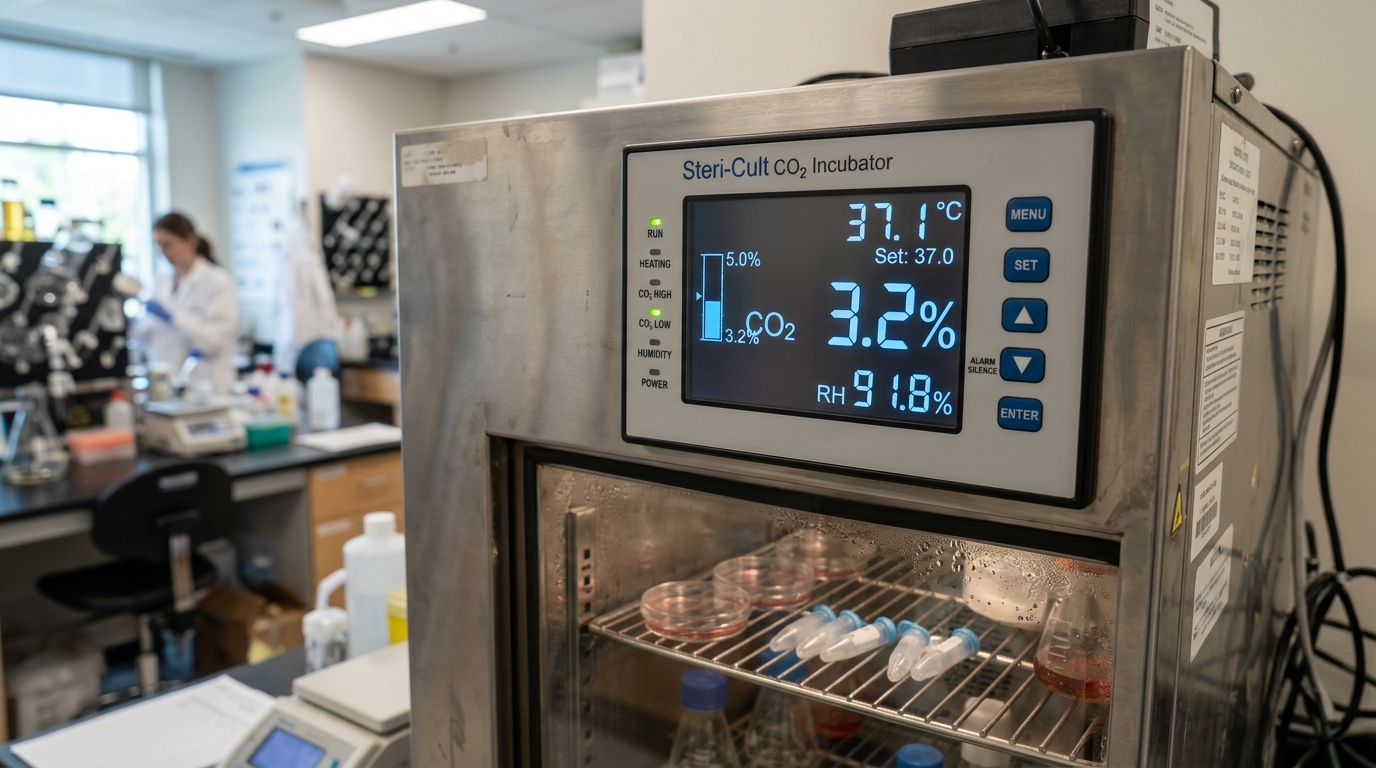
The financial impact of improper equipment handling extends beyond immediate sample loss. We calculate the downtime cost per hour of misuse at approximately $150 in a standard veterinary diagnostic setting. This figure aggregates the cost of wasted diagnostic media, the rapid depletion of medical-grade gas cylinders, and the labor hours required to recalibrate and restock the unit.
When a door is left slightly ajar due to improper latching, the unit initiates continuous gas injection in a futile attempt to reach the 5% setpoint. A standard 50-pound CO2 cylinder, which typically lasts three to four weeks under normal operation, can be entirely exhausted in under 36 hours. Furthermore, continuous running of the internal heaters to combat the ambient air leak causes premature wear on the electrical relays.
Mitigating these costs requires integrating automated alarm systems and rigorous manual checks. When internal components, such as shelving and water pans, require sterilization due to contamination from procedural errors, utilizing a validated veterinary autoclave ensures all stainless steel parts are completely decontaminated before being reintroduced to the incubation environment, preventing secondary cycle failures.
Maintenance Interval Benchmarks
To sustain optimal recovery rates, clinical laboratories must implement structured maintenance schedules. Neglected filters restrict gas flow, increasing the time required to flood the chamber with CO2. Scale buildup in the water pan impedes evaporation, severely delaying humidity recovery. Adhering to the following maintenance tier is critical for preserving equipment lifespan and data accuracy.
| Frequency | Task | Key Action |
|---|---|---|
| Daily | Water Pan Inspection | Check water levels; top off with sterile, distilled water to ensure rapid humidity recovery. |
| Weekly | Interior Wipe Down | Clean interior surfaces with 70% isopropyl alcohol; do not use bleach or chloride-based cleaners. |
| Monthly | Sensor Calibration Check | Verify CO2 concentration using an independent external gas analyzer; adjust offsets if necessary. |
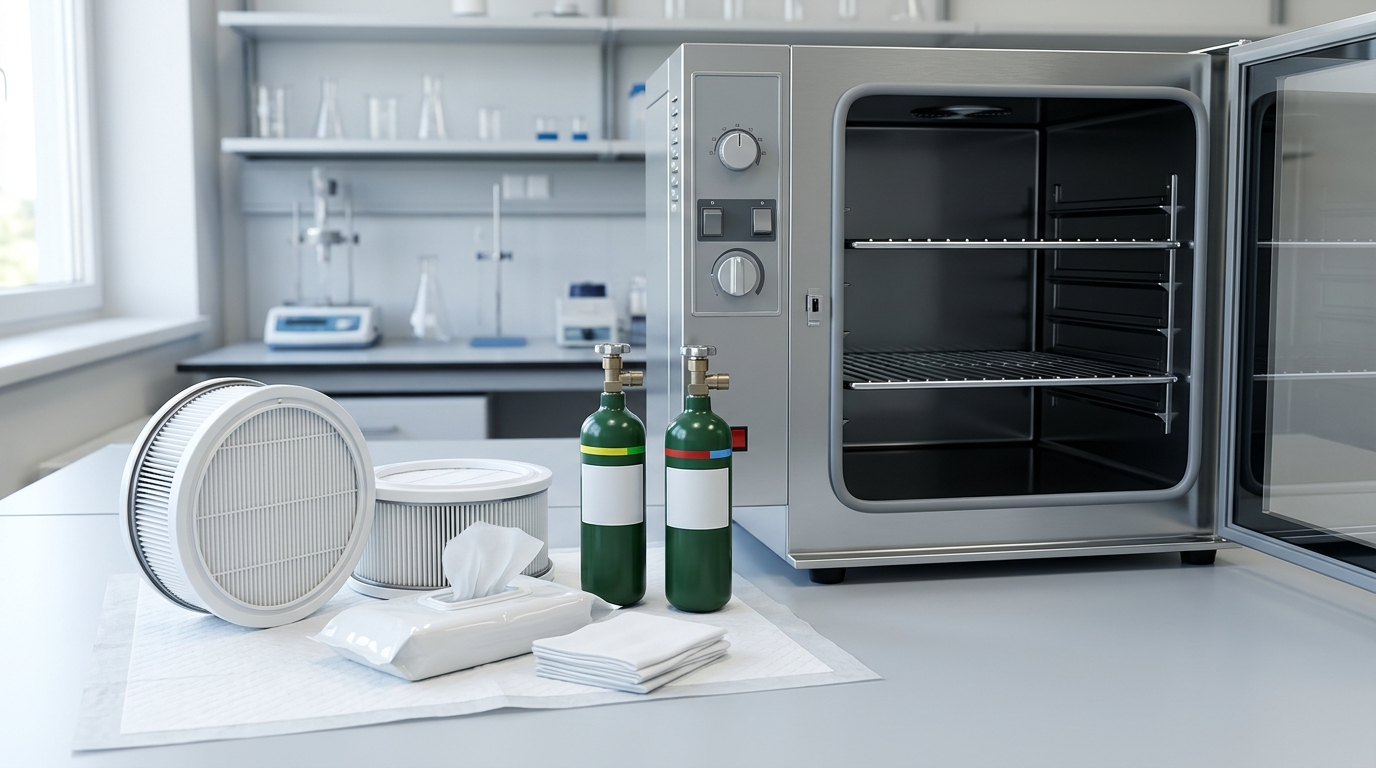
| Annual | Component Replacement | Replace in-line HEPA filters and access port plugs; inspect outer door gaskets for air leaks. |
Data Summary: Optimization Impact
Implementing strict chamber access protocols and adhering to the 4-tier maintenance schedule yields measurable improvements in laboratory performance. The data indicates that optimizing these basic workflows prevents chronic equipment strain and safeguards high-value veterinary samples from environmental shock.
| Optimization Metric | Standard Baseline Operation | Following Protocol Implementation | Net Clinical Benefit |
|---|---|---|---|
| Average Door Open Time | 35 seconds per event | Under 15 seconds | 57% reduction in thermal loss |
| CO2 Cylinder Lifespan | 21 days | 35 days | Significant reduction in gas waste |
| Temp Recovery to 37°C | 12 minutes | 6 minutes | Enhanced cellular stability |
| Hourly Downtime Cost | $150 per failure hour | Near $0 (preventative focus) | Maximized laboratory throughput |
Frequently Asked Questions
How long should a CO2 incubator take to recover after a 15-second door opening?
For standard veterinary models utilizing an air jacket and IR sensors, the chamber should recover to 37°C within 5 to 8 minutes, and CO2 concentration should reach the 5% setpoint within 3 to 5 minutes. Water-jacketed models may require an additional 3 to 5 minutes for full thermal recovery depending on ambient laboratory conditions.
Why does humidity recover slower than temperature or CO2 concentration?
Humidity restoration relies on the physical evaporation of water from the internal reservoir pan. Unlike temperature (driven by active electric heaters) or CO2 (driven by pressurized gas injection), evaporation is a passive process limited by surface area and internal air circulation, often taking up to 30 minutes to return to 95% relative humidity after a full door opening.
Are air-jacketed incubators better for rapid recovery than water-jacketed models?
Air-jacketed models generally provide faster heat-up and recovery times because they heat the chamber walls directly and are lighter in mass. Water-jacketed models have a slower recovery profile but offer superior temperature stability and insulation, which is beneficial in clinics prone to power outages or unstable ambient temperatures.
How often should we replace the in-line HEPA filters?
In-line gas HEPA filters should be replaced annually at a minimum, or immediately if the laboratory experiences a systemic contamination event. Restricted filters significantly impede the flow rate of the carbon dioxide, leading to artificially slow gas recovery times and putting excess strain on the injection valves.