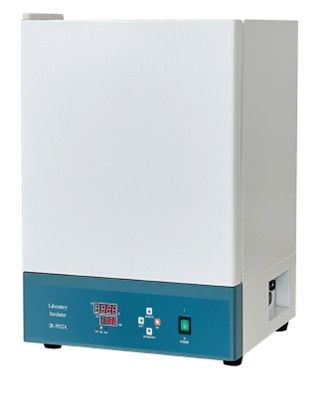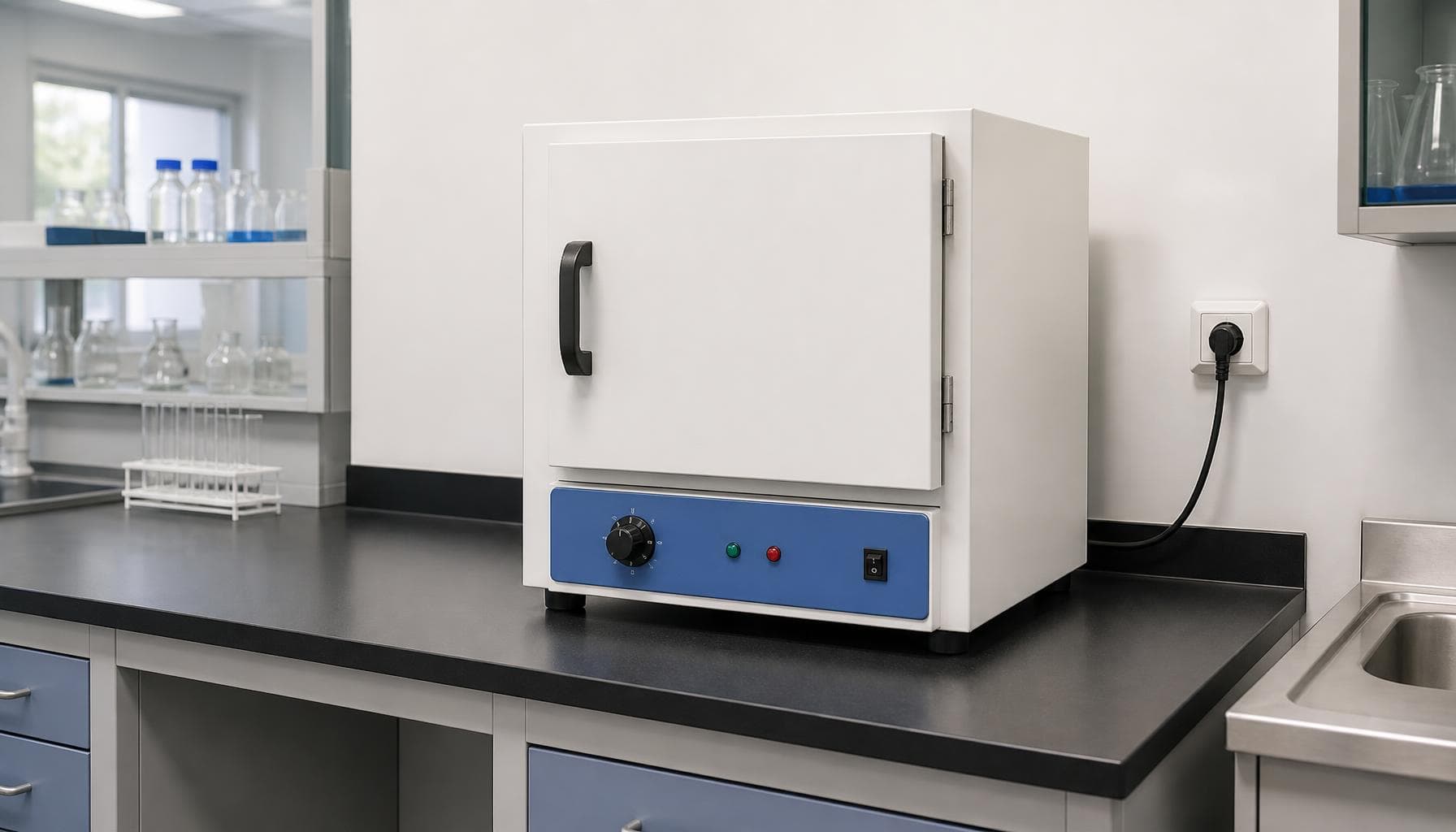
The OV Series Electrothermal Dry Oven is a dry-heat laboratory device, not a substitute for every temperature-controlled workflow in a veterinary practice. Before purchase, the useful question is not simply whether the chamber reaches the stated temperature range. It is whether the clinic can install, support, clean, and document the unit within its intended workflow.
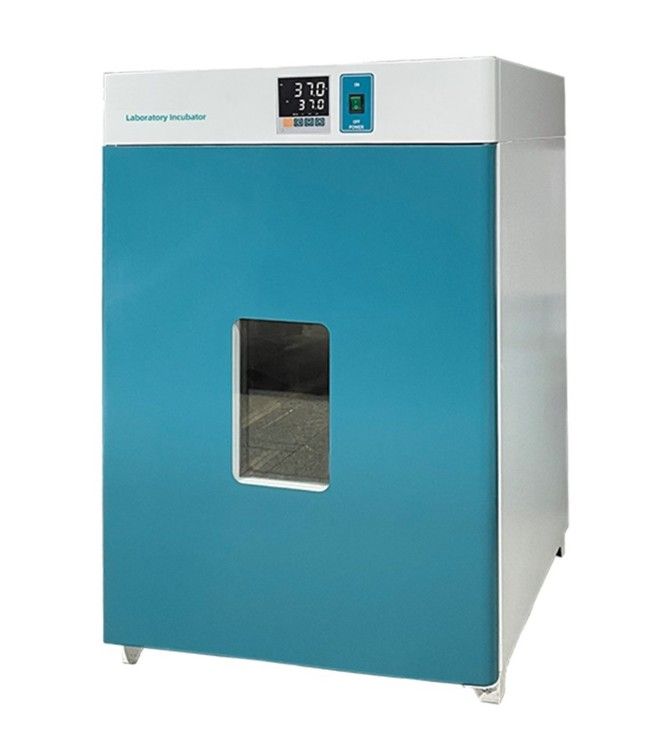
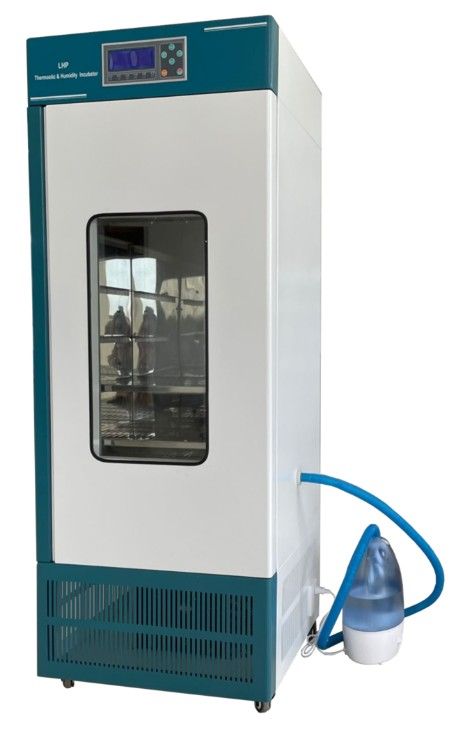
For veterinary laboratories, a dry oven may be considered alongside a laboratory refrigerator, sterilization equipment, and a Laboratory Incubator. Each has a distinct role: the supplied data for the OV Series describe dry heating, while the listed biochemical incubators are intended for lower-temperature incubation workflows. Procurement should keep those functions separate rather than treating all temperature-controlled cabinets as interchangeable.
Evidence Available for This Decision
The available evidence is manufacturer-supplied product data for the OV-9023A, OV-9053A, OV-9073A, and OV-9123A. It identifies four chamber capacities, working dimensions, stated electrical supply options, temperature range, power rating, cabinet dimensions, and listed safety features. The data also state that the units have microprocessor control, digital displays for set and actual temperature and time, double glass windows, hidden door locks, and silent fans.
No independent laboratory test reports, veterinary case studies, service manuals, installation drawings, certification documents, import records, warranty terms, or spare-parts lists were provided. No external sources were consulted for this article. Accordingly, the supplied specifications are useful for preliminary comparison, but they do not verify performance in a particular veterinary clinic.
What the Specifications Support
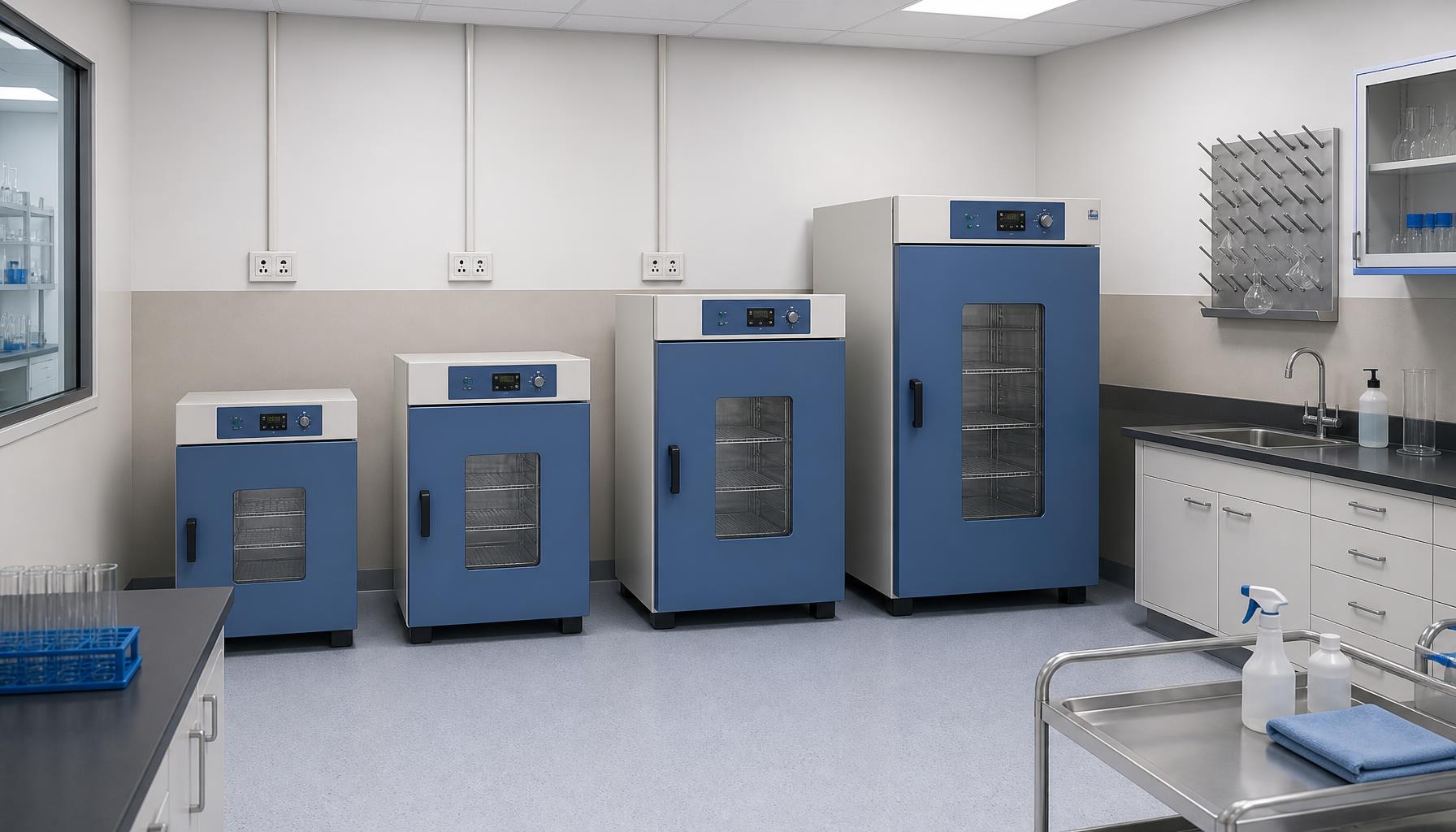
The four OV models provide a meaningful size and electrical comparison for facilities planning. All are stated to operate from 220V 50Hz or 110V 60Hz supplies, with a temperature range of room temperature plus 10°C to 200°C, 0.1°C resolution, and stated temperature fluctuation of ±1°C. The data list over-temperature and finished alarms, mechanical overheat protection, and electricity leakage protection.
| Model | Capacity | Working size | Power | External dimensions |
| OV-9023A | 25L | 300 × 300 × 275 mm | 500W | 430 × 500 × 620 mm |
| OV-9053A | 50L | 415 × 375 × 345 mm | 1000W | 510 × 650 × 690 mm |
| OV-9073A | 70L | 450 × 350 × 450 mm | 1200W | 480 × 660 × 800 mm |
| OV-9123A | 105L | 550 × 370 × 520 mm | 1500W | 690 × 630 × 860 mm |
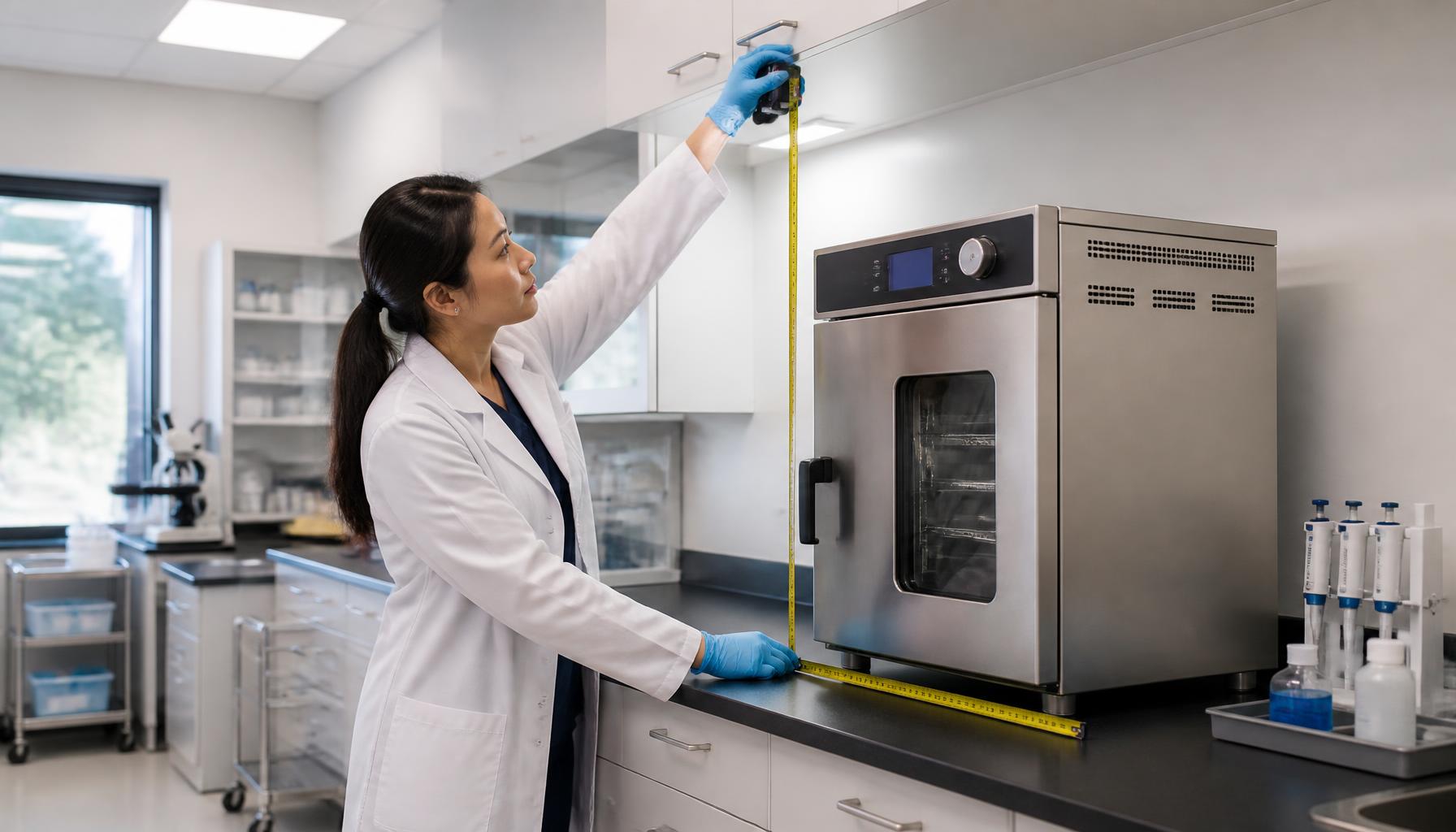
The OV Series Electrothermal Dry Oven data support matching chamber size to the largest planned load and confirming that the installation location accommodates the external cabinet dimensions. They do not establish usable shelf area, loading pattern, recovery performance, or suitability for a defined sterilization claim.
What the Evidence Does Not Establish
A small companion-animal clinic that only needs occasional dry-heating capacity may prioritize the 25L or 50L cabinet footprint and local service access. A referral hospital, equine practice, or exotics service may need a larger chamber because its loads are physically larger or workflows are shared across departments. Neither scenario proves that a particular OV size is clinically appropriate; the supplied data do not describe shelves, load limits, turnaround requirements, or validated applications.
The evidence also does not establish whether the stated 110V and 220V options are factory-configured regional versions, field-selectable configurations, or separate order codes. It does not identify plug type, required circuit protection, ambient operating conditions, ventilation clearance, chamber material, filter requirements, replacement parts, or recommended cleaning agents.
Most importantly, “temperature resolution” is not the same as independently demonstrated chamber uniformity under a clinic’s expected load. Buyers should avoid using the stated ±1°C fluctuation figure as proof of validation for clinical or regulatory purposes without model-specific documentation.
Questions Requiring Written Confirmation
Written answers matter because the missing items affect installation ownership, staff training, downtime exposure, and import acceptance. Ask the supplier to identify the exact model and electrical version quoted, then attach the answers to the purchase order rather than relying on a catalogue description.
| Evidence gap | Why it affects procurement | Written confirmation to request |
| Electrical configuration | Determines facility readiness and whether an electrician is needed | Voltage, frequency, plug type, circuit requirements, and whether the unit is factory-configured |
| Installation requirements | Determines placement, ventilation, and safe access | Required clearances, bench or floor requirements, room conditions, and delivery-position limitations |
| Training scope | Clarifies responsibility before the unit enters service | Who provides commissioning, user orientation, cleaning instruction, and training records |
| Cleaning responsibility | Protects the chamber and prevents unclear handoffs between teams | Approved cleaning materials, cleaning frequency, excluded chemicals, and responsibility for internal versus external cleaning |
| Consumables and spares | Determines lifetime cost and downtime risk | Shelf availability, door seals, fans, controllers, sensors, fuses, lead times, and regional stock location |
| Compliance and import documents | May affect customs, facility approval, and insurer requirements | Applicable certificates, declaration documents, electrical safety records, country of origin, and importer-of-record responsibilities |
Also request the warranty start date, exclusions, response pathway for service, availability of loan equipment, and the party responsible for packing and transport if off-site repair is necessary. None of these commercial terms are included in the supplied product data.
Procurement Implications
Select capacity from actual load dimensions and available installation space, not chamber litres alone. The 25L to 105L range offers a reasonable starting structure for comparison, while the 500W to 1500W ratings should trigger an electrical review rather than a conclusion about operating cost. No price, energy-consumption figures, consumable pricing, or service rates were supplied, so those costs should be requested as quoted line items.
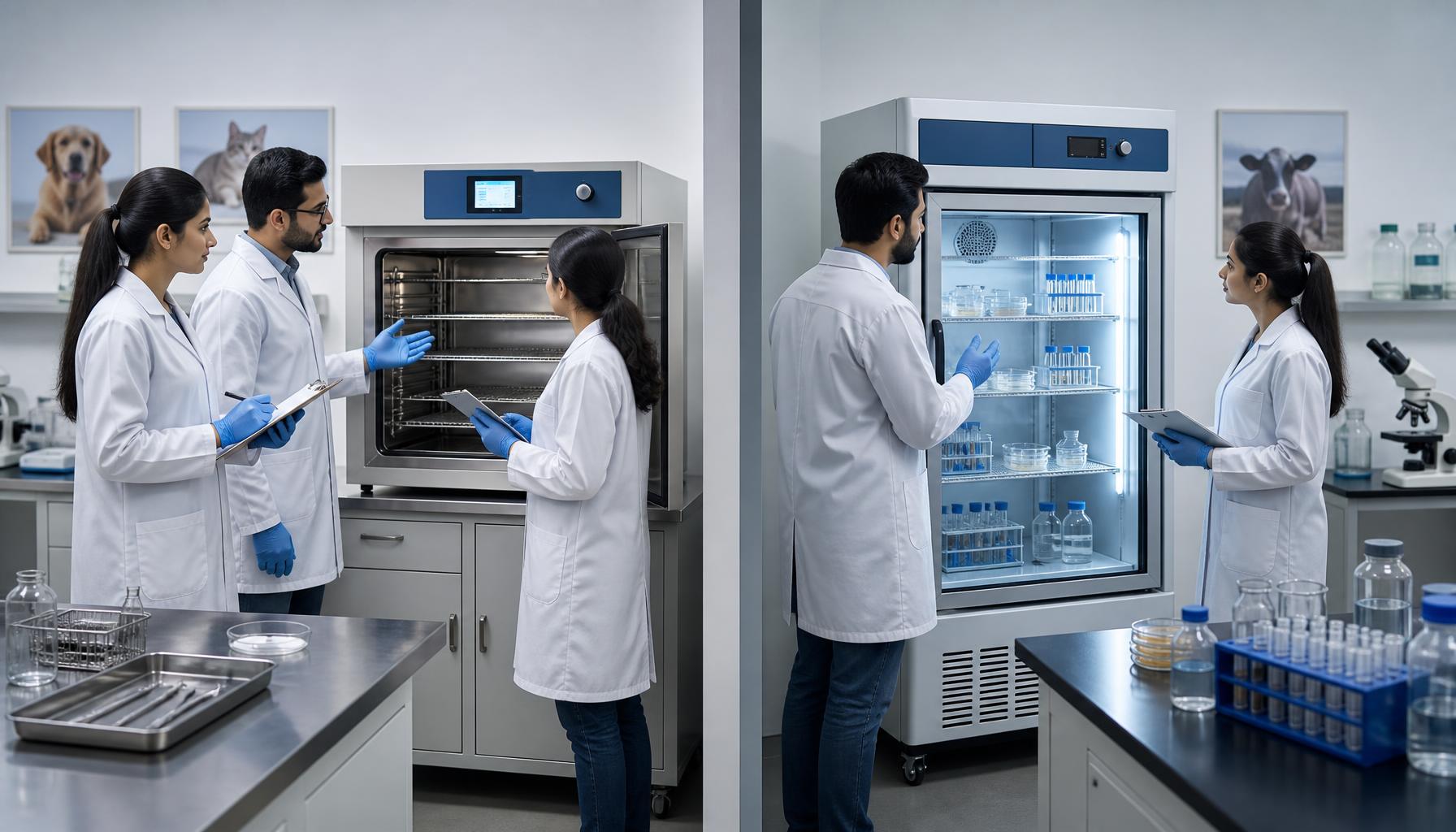
If the clinic’s need is controlled incubation rather than dry heat, assess a Laboratory Incubator separately. The supplied SPX biochemical incubator data list a 5°C to 60°C temperature range, which illustrates why an incubator and a dry oven should be evaluated as different equipment categories. Where dry heat is intended for instrument processing, the clinic should also compare the workflow with its veterinary autoclave requirements and documented sterilization policies.
Evidence and scope
This article uses only manufacturer-supplied OV Series product data and the related manufacturer-supplied biochemical incubator data. Those materials were not independently verified. Buyers should obtain written confirmation of installation conditions, training responsibilities, cleaning instructions, service coverage, consumables, spare parts, certifications, and import documentation before approving a purchase.