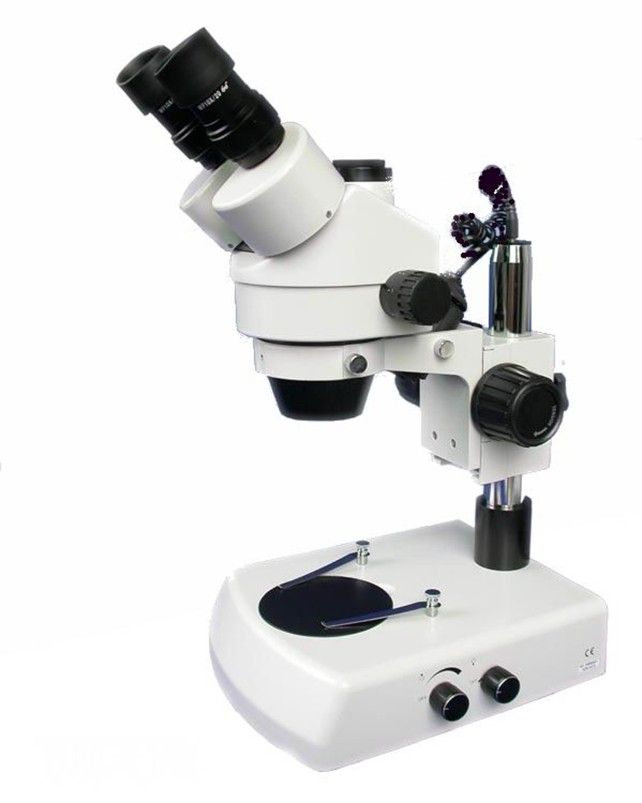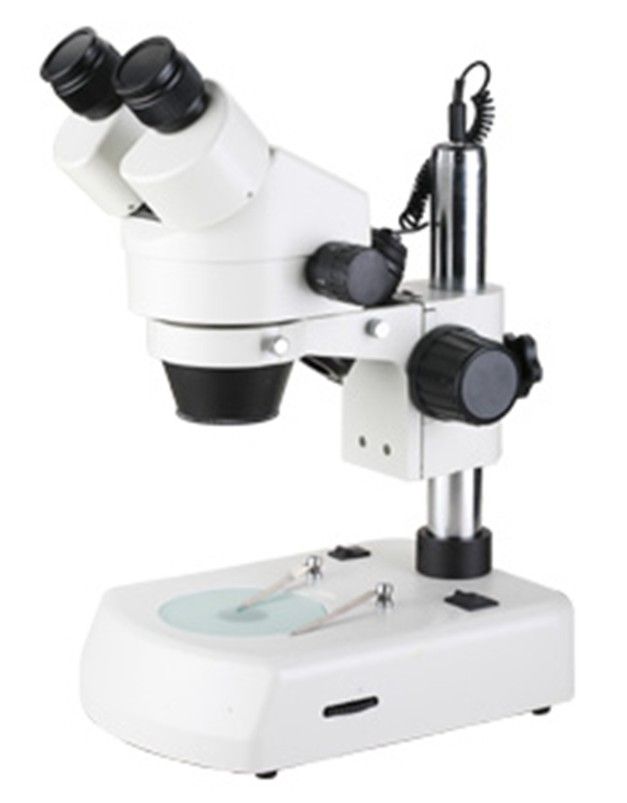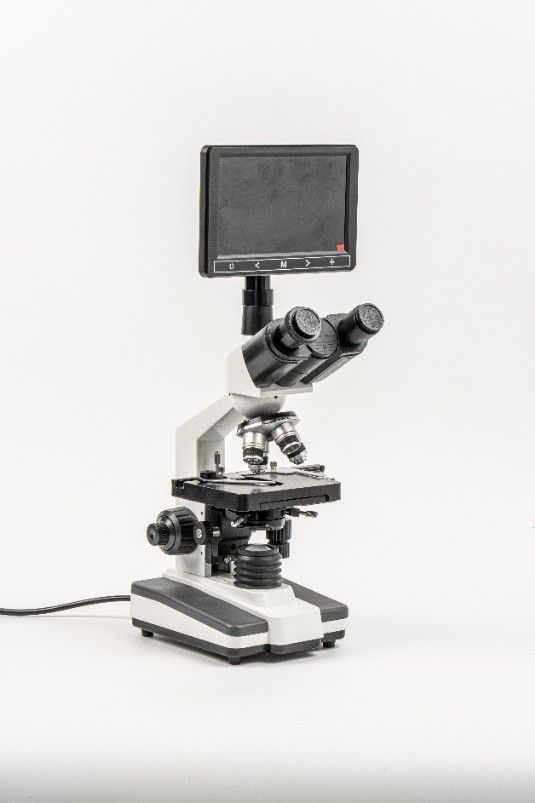
A biological microscope supports routine veterinary laboratory work by making prepared slides available for visual review in clinic settings. Before choosing one, procurement should focus less on headline magnification and more on the practical ownership questions: how illumination is supplied, which parts can be ordered, who handles cleaning and service, and whether the delivered configuration matches the quotation.
HQS lists the XSP models as basic monocular biological microscopes with reflector illumination and an optional LED lamp. LED details, electrical requirements, replacement-part pricing, warranty terms, service intervals, training scope, and import documents depend on the configuration and destination, so they belong in the pre-purchase questions below.
HQS XSP Biological Microscope Range: What Is Listed
The configuration details in this guide come from the HQS product listings for the XSP-01 Biological Microscope and the XSP-02 through XSP-05 models. Pricing, warranty and service terms, and destination-specific documents are confirmed in the quotation for each order.
The purchasing guidance below is limited to what the published configurations support and to questions a buyer should place in the enquiry or purchase order.
- HQS lists monocular heads, eyepieces, objectives, stages, diaphragms, condensers, reflectors, and optional LED illumination for selected models.
- Confirm whether LED illumination is factory-fitted, field-installable, voltage-specific, or supplied with a replacement module.
- Confirm local service coverage, technician training, turnaround commitments, and the availability period for objectives, eyepieces, condensers, focus components, and illumination parts.
XSP-01 to XSP-05 Specifications: Optics, Stage and Condenser
The documented XSP-01 and XSP-02 configurations are basic monocular instruments with a 120 × 120 mm plain stage, paired slide clips, a five-aperture rotating diaphragm, and a 50 mm concave-plan reflector. Both list optional LED illumination. Their published objective sets are 4×, 10×, and 40×, although the eyepiece options differ.
The XSP-03, XSP-04, and XSP-05 specifications add an N.A. 1.25 Abbe condenser with iris diaphragm and filter, plus a plain stage with moving scale. They list 10×, 40×, and 100× objectives. This is a meaningful configuration difference, but it is not evidence of a specific diagnostic performance level, included accessories, or a defined veterinary application.
For a small companion-animal practice using microscopy as one part of a wider in-house laboratory workflow, basic repeatability of the delivered configuration and access to replacement illumination components may matter more than adding an undocumented accessory. A clinic considering coordinated investment in laboratory equipment should also assess how microscopy fits alongside its veterinary chemistry analyzer and other diagnostic workflows, including responsibility for staff training and quality processes.
For an equine, referral, or mixed-animal practice where microscopy may be considered alongside a broader range of specimen types, a published 100× objective and condenser are configuration points worth discussing. They do not, by themselves, confirm that the microscope arrives with every accessory, consumable, or support arrangement required by that practice. The quotation should state exactly what is included.
Compare XSP-01, XSP-02, XSP-03, XSP-04 and XSP-05 Microscopes
| Model | Published optics | Stage and light-control components | Published illumination | What to confirm before purchase |
| XSP-01 | H10× and H12.5× Huygens eyepieces; 4×, 10×, 40× achromatic objectives | 120 × 120 mm plain stage with paired clips; five-aperture rotating diaphragm | 50 mm concave-plan reflector; LED optional | Whether LED is included, compatible electrical supply, replacement lamp or module ordering, and availability of objective and eyepiece parts |
| XSP-02 | H10× and H16× Huygens eyepieces; 4×, 10×, 40× achromatic objectives | 120 × 120 mm plain stage with paired clips; five-aperture rotating diaphragm | 50 mm concave-plan reflector; LED optional | Actual supplied eyepieces, LED option contents, packing list, and service contact |
| XSP-03 | H5× and H10× Huygens eyepieces; 10×, 40×, 100× achromatic objectives | 120 × 120 mm plain stage with moving scale; N.A. 1.25 Abbe condenser with iris diaphragm and filter | 50 mm concave-plan reflector; LED optional | Condenser and filter inclusion, illumination package, replacement availability, and training responsibility |
| XSP-04 | H5×, H10×, H12.5× Huygens eyepieces; 10×, 40×, 100× achromatic objectives | 120 × 120 mm plain stage with moving scale; N.A. 1.25 Abbe condenser with iris diaphragm and filter | 50 mm concave-plan reflector; LED optional | Delivered eyepiece set, optional LED documentation, spare objectives, and warranty exclusions |
| XSP-05 | H5×, H10×, H15× Huygens eyepieces; 10×, 40×, 100× achromatic objectives | 120 × 120 mm plain stage with moving scale; N.A. 1.25 Abbe condenser with iris diaphragm and filter | 50 mm concave-plan reflector; LED optional | Factory configuration, replacement-part lead times, authorized service route, and included cleaning materials |
The table is a comparison of published configurations, not a performance ranking. Particularly where optional LED illumination is mentioned, buyers should avoid treating “optional” as “included.” The purchase order should identify the selected illumination arrangement, delivered accessories, applicable electrical documentation, and any spare parts included at shipment.
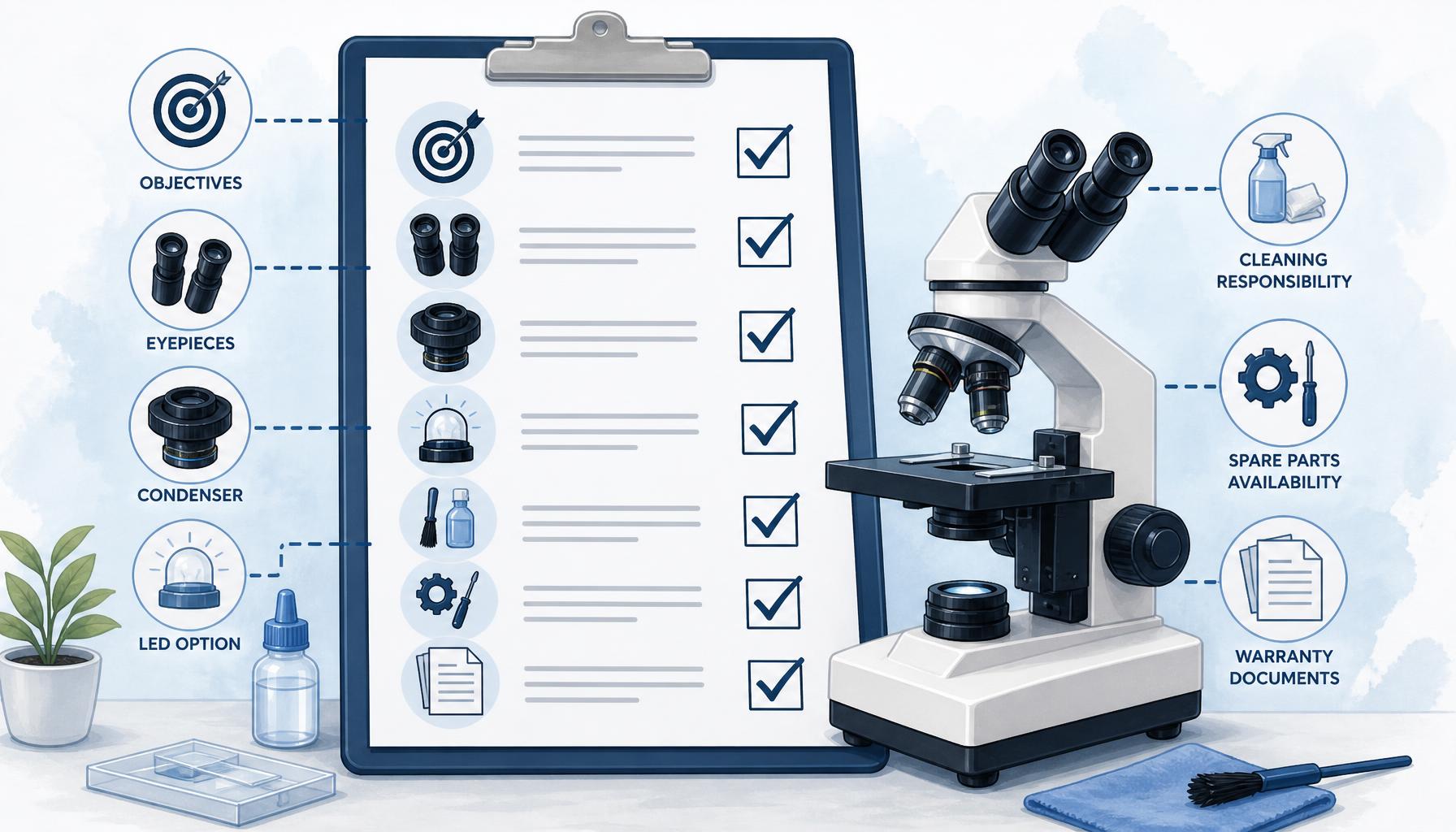
What to Ask HQS Before Ordering an XSP Microscope
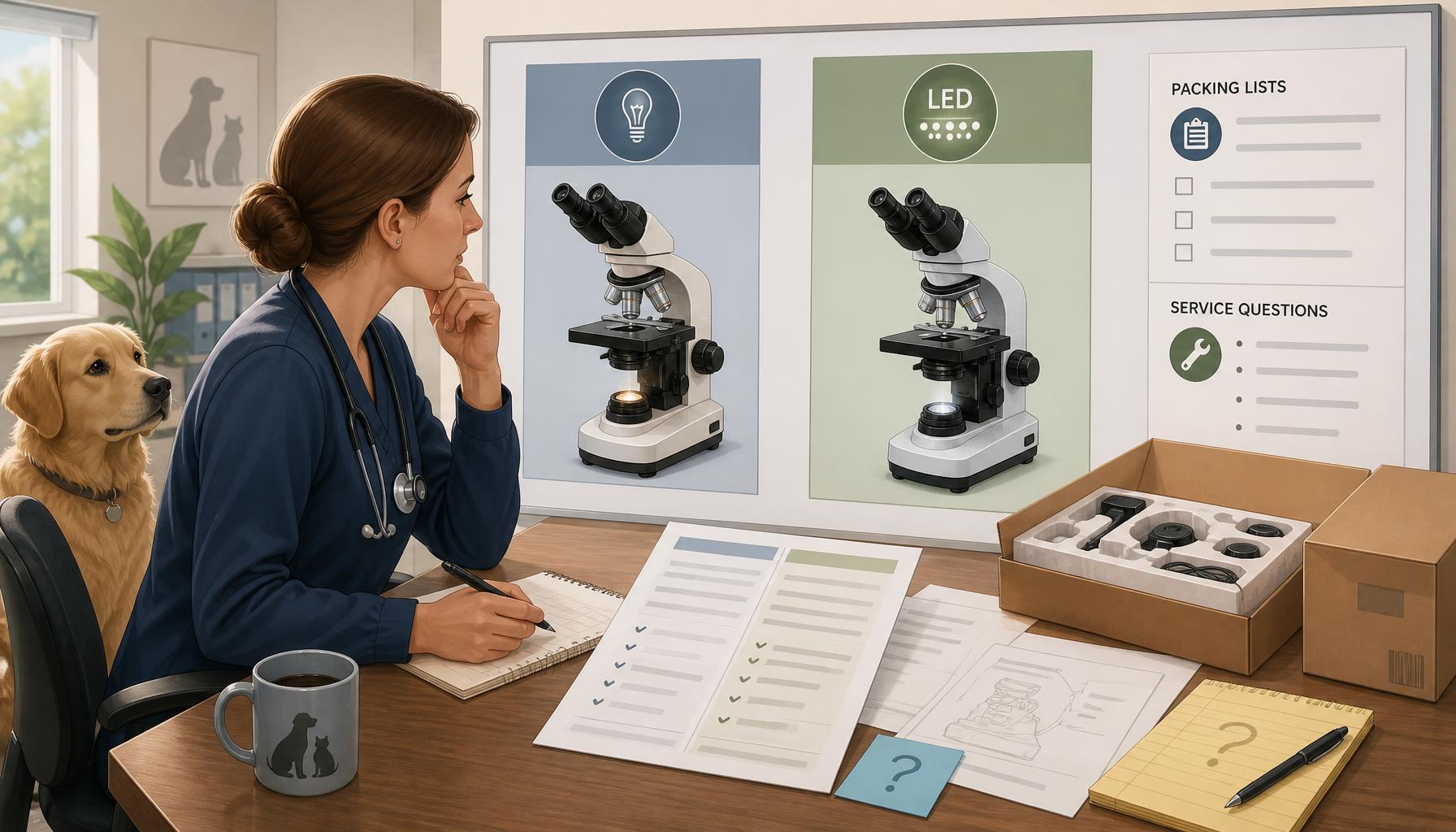
A useful enquiry should identify the exact model and require a written response for the delivered configuration. Requesting “a microscope with LED” is not sufficiently specific when HQS lists LED illumination as optional.
- State the model and ask for a line-by-line packing list covering head, eyepieces, objectives, stage, condenser where applicable, diaphragm, reflector, LED option, filters, and protective covers.
- Ask whether the LED option is installed before shipment, whether it is integrated or separate, and which electrical requirements, power components, and replacement items apply to the supplied version.
- Request the manufacturer’s warranty duration, exclusions, claim process, service contact, response process, and whether on-site or return-to-supplier service is available in the intended destination.
- Request a spare-parts list that identifies order references for eyepieces, objectives, condenser components, focus-control parts, illumination components, stage clips, and other routinely replaceable items.
- Ask which party is responsible for initial inspection, installation confirmation, user familiarization, routine cleaning guidance, and any required service work.
- Request the documents needed for the destination market, including the commercial invoice, packing list, country-of-origin information, electrical documentation where applicable, and any product certificates the supplier can provide.
Cleaning and maintenance need a clear boundary in the commercial agreement. The clinic may reasonably take responsibility for routine care described in the manufacturer’s instructions, but buyers should not accept undefined responsibility for repairs, optical alignment, or component replacement. If the supplier expects local technicians to perform any work, confirm that training, parts access, documentation, and warranty implications are stated in writing.
Import requirements vary by destination and by whether the LED option is selected. A supplier’s statement that a product is “certified” is not enough for procurement review. Ask which document applies to the quoted configuration, who issued it, and whether it is available before shipment. If an importer or distributor will be responsible for local registration or electrical compliance, establish that division of responsibility before issuing a purchase order.
XSP Microscope Running-Cost Drivers and Model Choice
The main running-cost drivers for an XSP biological microscope are the selected illumination arrangement, availability of replacement optical and mechanical parts, shipping and import handling for those parts, the service route, and the scope of any local support.
A clinic that wants a simple basic instrument can assess the XSP-01 or XSP-02 configuration against its intended workflow, while treating the optional LED as a separate commercial decision that requires written detail. A buyer seeking the published condenser and 100× objective arrangement can compare XSP-03, XSP-04, and XSP-05, but should confirm every included optical component rather than infer it from the model family.

The most defensible purchasing decision is therefore conditional: select the configuration that matches the clinic’s expected slide-review needs only after HQS confirms illumination, included accessories, service ownership, spare-part ordering, training scope, warranty terms, and destination-specific import documentation in the same quotation.