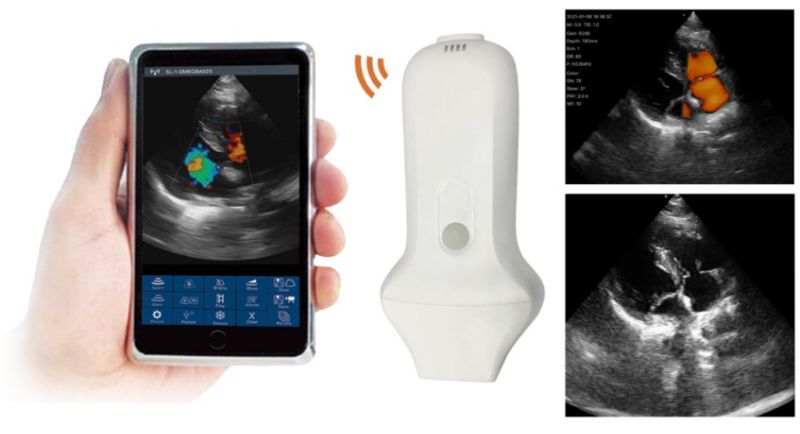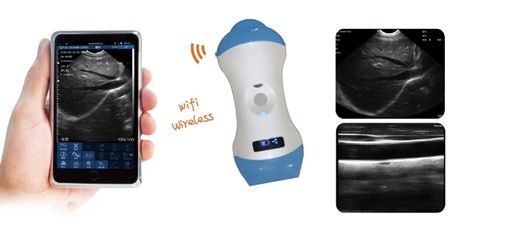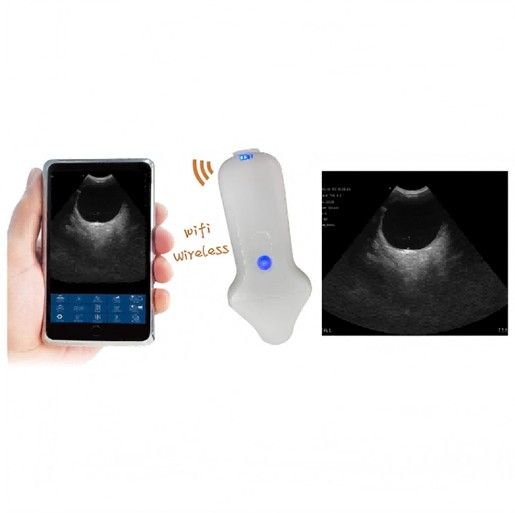
For a clinic that needs a rectal probe and wireless image viewing in one unit, the HQS model to quote is the US-3V Transrectal Probe Type Wireless Ultrasound Scanner: an 800 mm, 600 g wireless probe with B and B/M modes, Wi-Fi image transfer and a 6–8 hour battery. Before ordering, confirm the CE documents for your destination market, the viewing device you will pair with the probe, and who handles cleaning, spare parts and service.
A transrectal wireless ultrasound scanner is a probe-type scanner in which the imaging electronics sit in the rectal probe itself and images are sent over Wi-Fi to a tablet, phone or other viewing device, so there is no image cable between the probe and the screen.
What CE documents should accompany a transrectal wireless ultrasound import?
Treat CE review as a question about the exact configuration you are buying, not a line on the quotation.
Ask HQS to list the model, probe, charging accessories and any viewing device covered by the quotation, and to name the destination market the documents apply to. Because the US-3V transmits images over Wi-Fi (802.11g, 5G band), ask for the documents to cover the wireless function as well as the ultrasound probe. The purchasing organization should also decide who acts as importer of record and who checks the local import and registration route.
- Request the CE-related documents for the quoted model and accessories, including the wireless probe and charger.
- Check that the documents identify the legal manufacturer, the product, the destination market and the version or revision.
- Confirm who is responsible for import documentation, customs records, local registration where required and post-market contact.
- Keep the final quotation, model and serial numbers and documents together for later service and replacement-part requests.
Which HQS ultrasound scanner fits a rectal probe and wireless viewing?
The US-3V is the HQS scanner built for both requirements. The US-S1 and KX-V1 cover one of them each and suit different workflows.
| Model | Probe and display | Frequency (MHz) | Scan depth (mm) | Image link | Battery (h) |
| US-3V | 800 mm, 600 g transrectal wireless probe; images viewed on a paired device | Convex 3.5 / 5; linear 7.5 / 10 | Convex 90 / 130 / 160 / 200; linear 20 / 40 / 60 / 100 | Wi-Fi 802.11g, 5G, 450 Mbps | 6–8 working |
| US-S1 | 6.5 MHz rectal probe (standard) on a 950 g handheld host with 5.6-inch display | 6.5 (rectal probe); optional 3.5, 5.0, 7.5 probes | 57–230, 15 levels | Probe cable to host; USB and TF card for images | More than 4 working |
| KX-V1 | Colour LCD host with automatic probe recognition and multiple probe options | Depends on probe | Depends on probe | 5.8G wireless radio link to a wireless display | More than 5 standby |
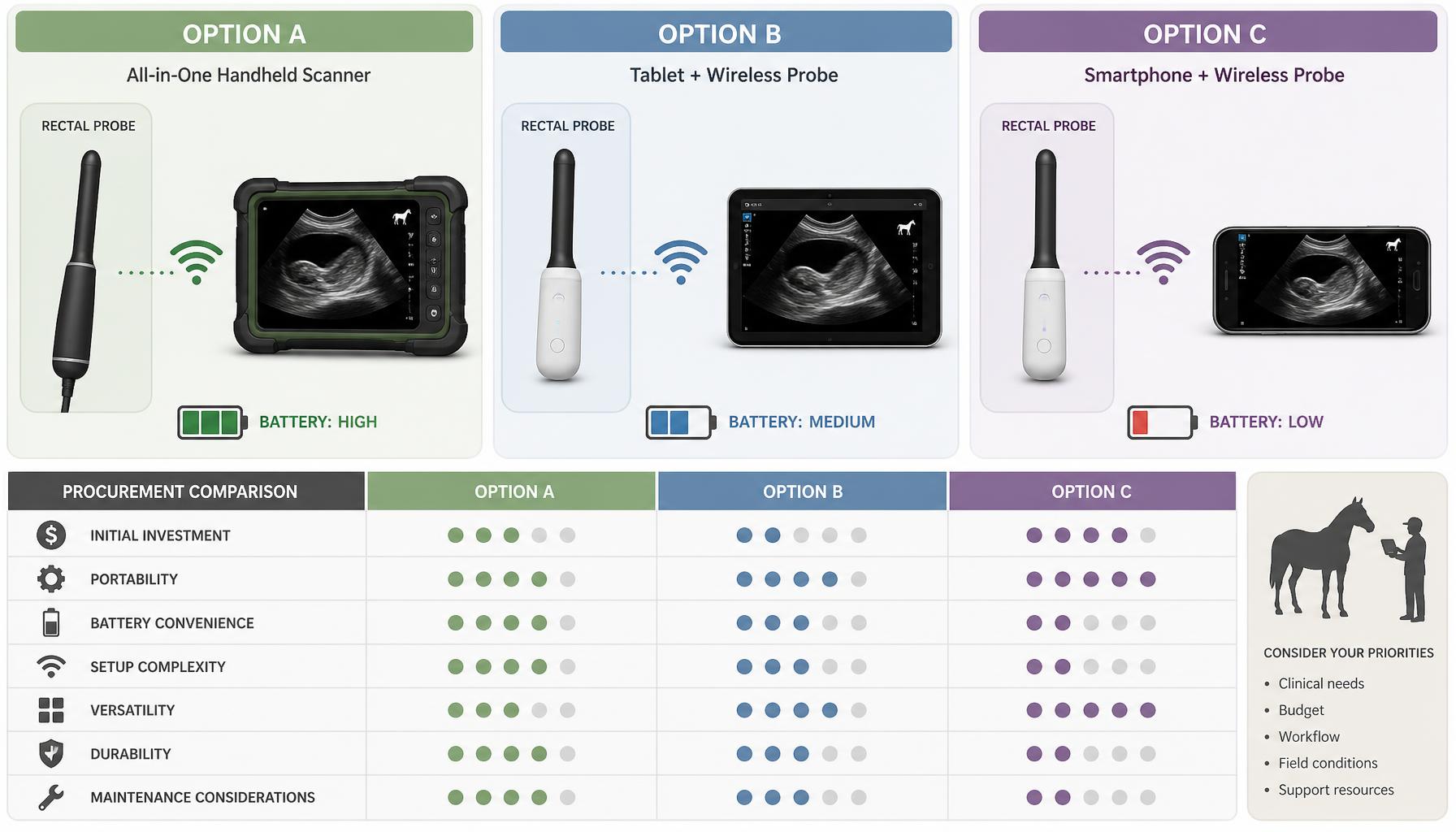
Choose the US-3V when the operator wants to scan without a cable to the screen and view images on a tablet or phone held by an assistant or mounted nearby. Its published settings cover convex 3.5 / 5 MHz and linear 7.5 / 10 MHz with depths up to 200 mm; ask HQS which setting is used for the species and examinations you plan, such as bovine or equine reproductive work. Choose the US-S1 when you prefer a self-contained handheld host with its own screen and a 6.5 MHz rectal probe in the standard kit. The KX-V1 suits teams that want to send live images to a separate wireless display for sharing or remote consultation.
Battery figures are not directly comparable: the US-3V and US-S1 are quoted as working time, the KX-V1 as standby time. For convex or linear wireless probes for small-animal work, compare the US-3C / US-3L, and see the veterinary ultrasound scanner category for the full range.
What installation and training should a transrectal wireless ultrasound quote include?
A wireless probe needs very little installation, but the quote should still define the viewing device, software, charging and training.
- Ask which tablets, phones or computers and which operating systems the US-3V app supports, and whether a viewing device is included or buyer-supplied.
- Confirm how the app is installed and updated, and in which languages the menus are available.
- The US-3V charges by USB: confirm the charger and plug supplied for your market, and plan where probes are charged between visits.
- Agree how images are stored and exported. The US-3V saves jpg, avi and DICOM files; check how these reach your practice records or herd software.
- Define training: who attends, in which language, on site or remote, and whether follow-up questions are included.
A mobile reproductive service will care most about battery time across a day of visits, carrying and charging the 800 mm probe, and viewing in a barn. A fixed mixed-animal clinic will focus on image storage, handover between clinicians and a set place for charging and storage.
Who cleans, services, and replaces parts for a rectal probe ultrasound scanner?
Agree in writing who supplies cleaning instructions, consumables, spare parts and warranty service before the scanner enters routine use.
Ask HQS for the model-specific cleaning and disinfection instructions for the US-3V probe, including approved agents and parts that must not be immersed. The clinic should name an internal owner for cleaning records, condition checks and damage reports; the supplier should name the contact for technical questions, warranty claims and replacement parts.
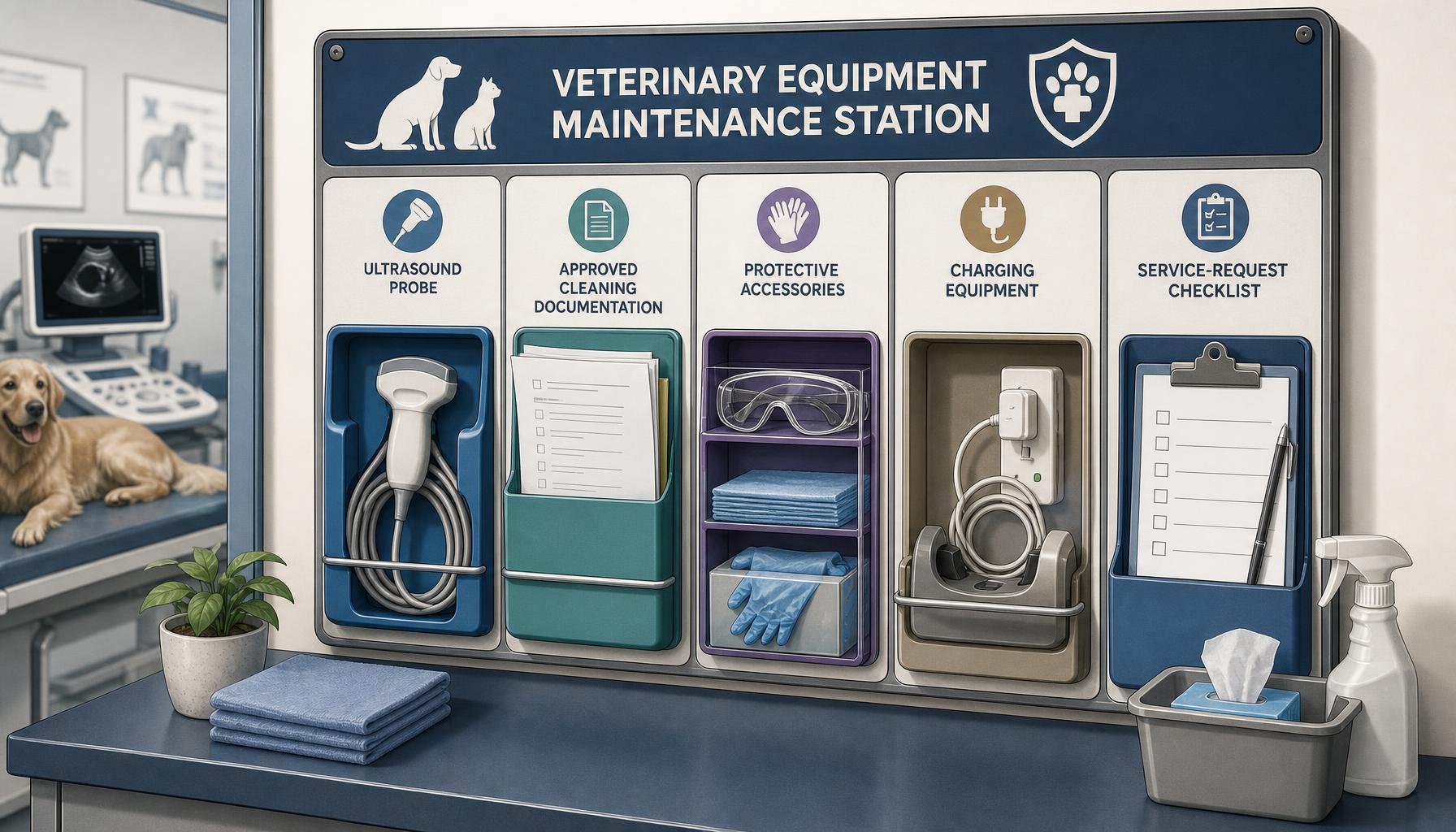
- Confirm the consumables needed for rectal work, such as ultrasound gel and protective probe covers, and which are supplied.
- Request part numbers for the probe, battery, charger and cable, and ask whether the battery can be replaced by the user.
- Ask where replacement parts ship from, who authorises warranty assessment and what information a service request needs.
- Clarify whether app updates and remote technical support are included, optional or handled by a local partner.
What should a transrectal wireless ultrasound purchase order ask HQS to confirm?
Turn the quotation into commitments that match how the clinic will actually use the scanner.
- The exact model (US-3V), probe, frequency settings and accessories included.
- The supported viewing devices and operating systems, and whether a device is included.
- The CE-related documents for the exact configuration and destination market, including the wireless function.
- Charger, plug type, protective covers, manuals and any carry case in the shipment.
- Training scope, language, number of staff and delivery method.
- Cleaning instructions, consumables, spare parts, warranty process and technical-service contact.
- How app updates, image export and probe or battery replacement are handled after delivery.
For a rectal probe with wireless viewing, request a quotation for the US-3V. If you prefer a handheld host with its own screen, compare the US-S1; if you want to stream images to a separate wireless display, compare the KX-V1. Approve the order once the configuration, documents, training, cleaning responsibilities and service route are confirmed in writing.