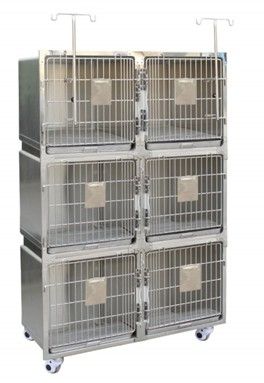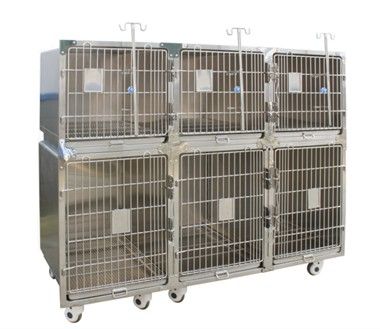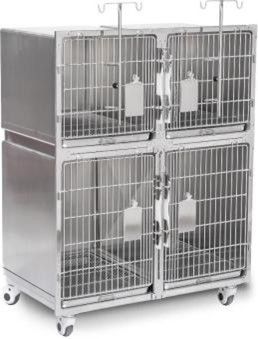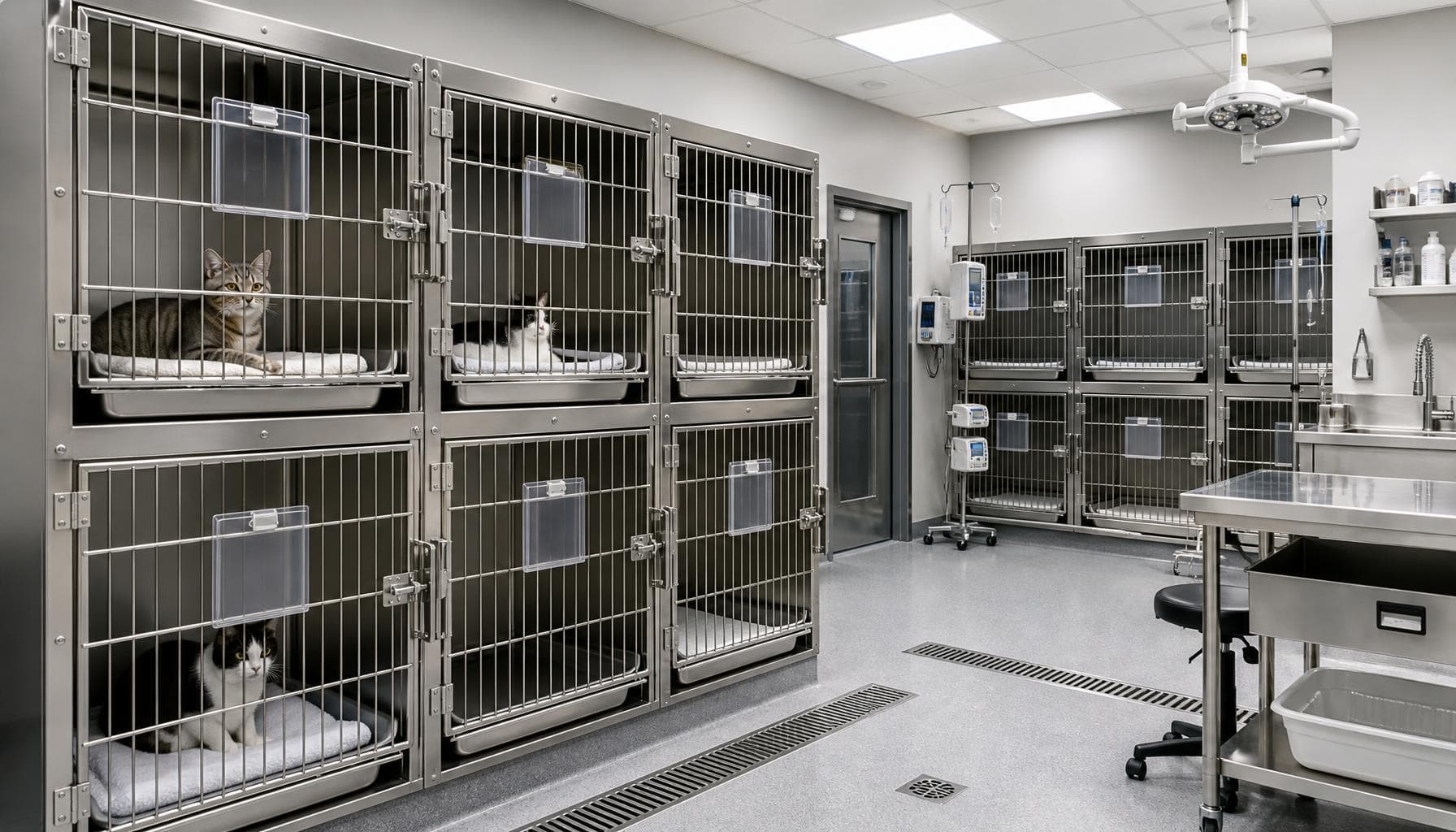
Plan a Pet Cage investment around a 10–15 year physical service life, not the initial purchase order. For cat housing, the most consequential numbers are usually 304 versus 316 stainless steel, usable internal dimensions, cleaning turnaround time, door-cycle durability, and the five-year replacement cost of trays, latches, seals, and optional electronics. Smart cage functions are entering the market, but most clinics will still gain more from sound isolation zoning, cleanable construction, and reliable parts support than from an app-connected door.
Market Growth: Key Numbers for 2026
Veterinary equipment spending continues to follow two practical trends: more feline-only or cat-sensitive workflows, and more investment in infection-control infrastructure. There is no credible public dataset that isolates global sales of cat cages from all veterinary housing, so purchasing teams should be cautious with broad market-growth claims. A more useful indicator is replacement timing: galvanized or coated cages often become difficult to maintain once coatings chip, seams retain residue, or replacement doors are unavailable.
For a typical small-animal clinic, a six- to 12-compartment stainless steel installation is commonly evaluated alongside a renovation, new treatment area, or expanded isolation room. Budget planning should separate equipment cost from freight, duties, installation, drainage modifications, wall protection, and electrical work for heated or monitored units.
3 Metrics Driving Equipment Innovation
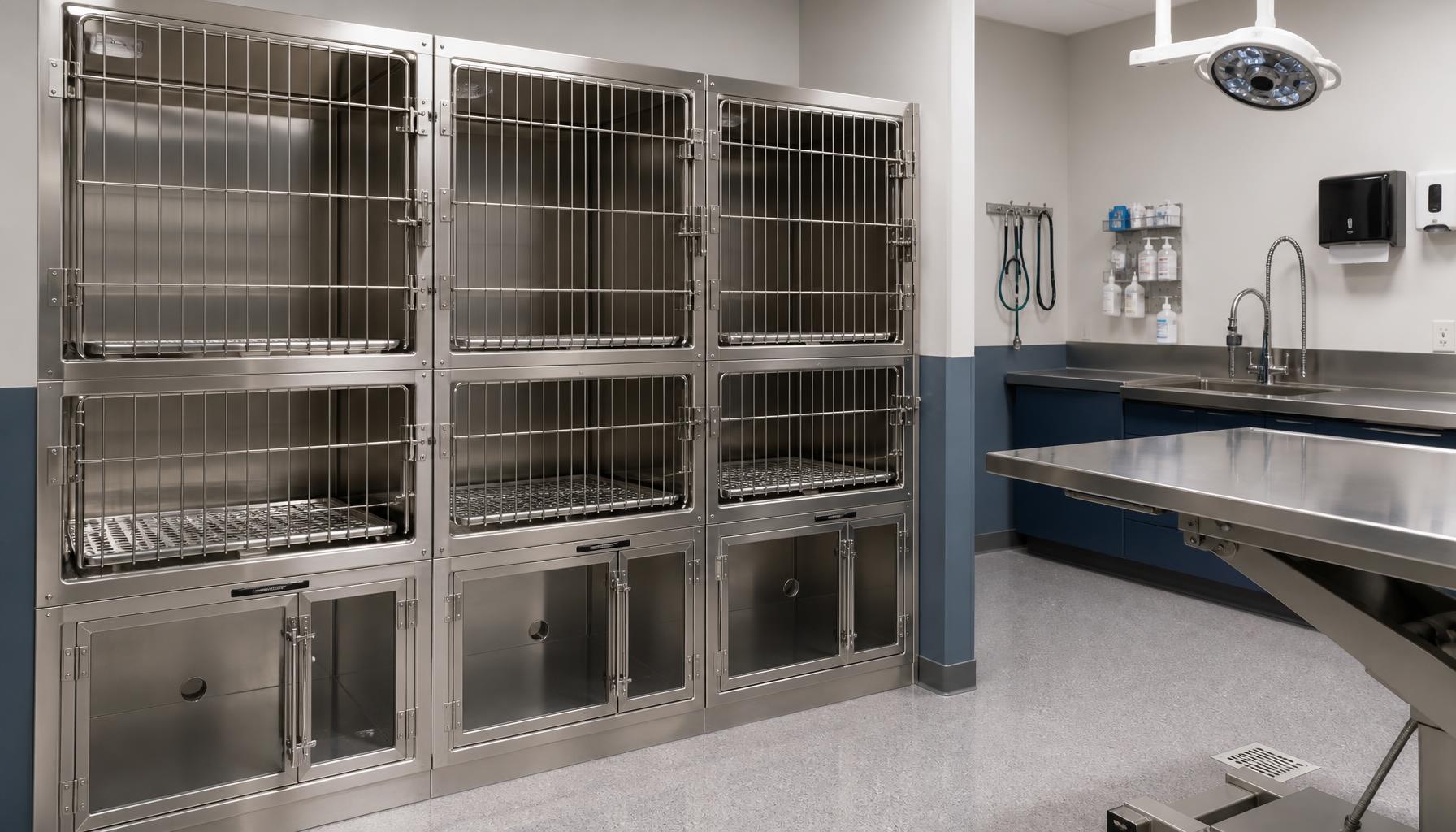
Three measurable requirements are shaping newer cat housing designs. First, surface durability: 304 stainless steel is generally appropriate for routine indoor veterinary housing, while 316 stainless steel can be worth specifying where chloride exposure, humid coastal conditions, or aggressive cleaning chemistry creates a higher corrosion risk. Second, cleaning access: removable trays, rounded internal corners, and accessible drain points reduce the time required to turn over a compartment safely.
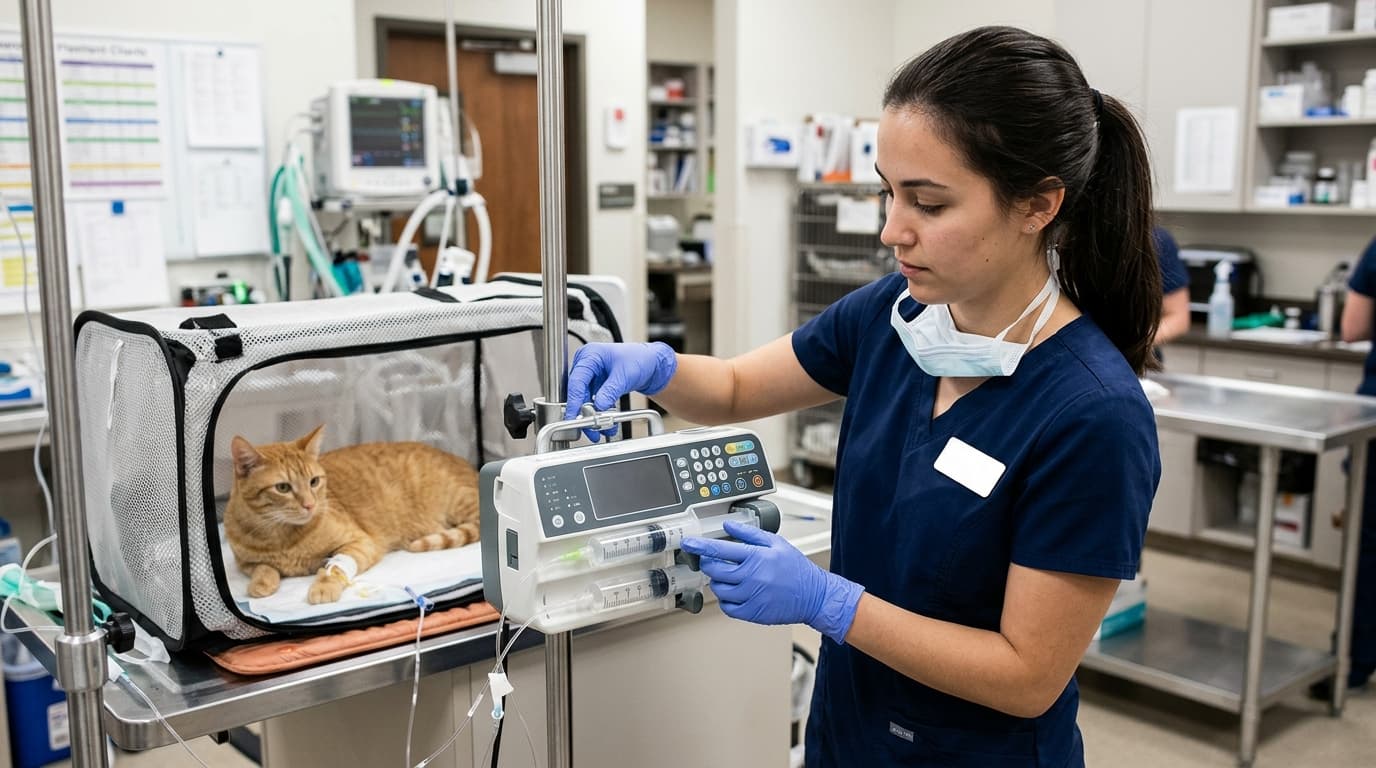
Third, environmental control is becoming more relevant. Cats held after anesthesia, during fluid therapy, or while recovering from hypothermia may benefit from controlled warming, but powered features require service access and electrical safety review. A cage should not substitute for clinical monitoring. Clinics using warming or oxygen-support workflows should assess adjacent capacity for an oxygen concentrator, appropriate tubing routes, and staff visibility.
- Specify interior dimensions by patient size and expected length of stay.
- Request latch-cycle and hinge replacement information before ordering.
- Confirm whether trays, grates, doors, and casters can be purchased individually.
Adoption Rate: Smart vs. Traditional
Smart cat cages remain an emerging procurement category rather than a standard clinic requirement. Public adoption-rate data is limited, and suppliers often describe interest or inquiries as adoption. The more useful comparison is operational maturity: traditional stainless steel cages have few failure points, while connected functions add data, power, and maintenance obligations. For most general practices, a modular stainless steel cage bank with clear patient labeling is the lower-risk baseline.
| Configuration | Key parameters | Best-fit setting | Indicative equipment price, USD |
| Basic 304 stainless steel bank | Manual latch, removable tray, no power | General practice boarding and short stays | $900–$3,500 per bank |
| Modular isolation cage bank | Separate compartments, raised base, washable seams | Infectious-disease separation and ER overflow | $2,500–$7,500 per bank |
| Heated recovery cage | Thermostatic warming, power connection, service panel | Postoperative and critical-care recovery | $3,500–$10,000 per bank |
| Sensor-enabled cage | Door status, temperature alerts, network connection | High-volume hospitals with facilities support | $5,000–$15,000 per bank |
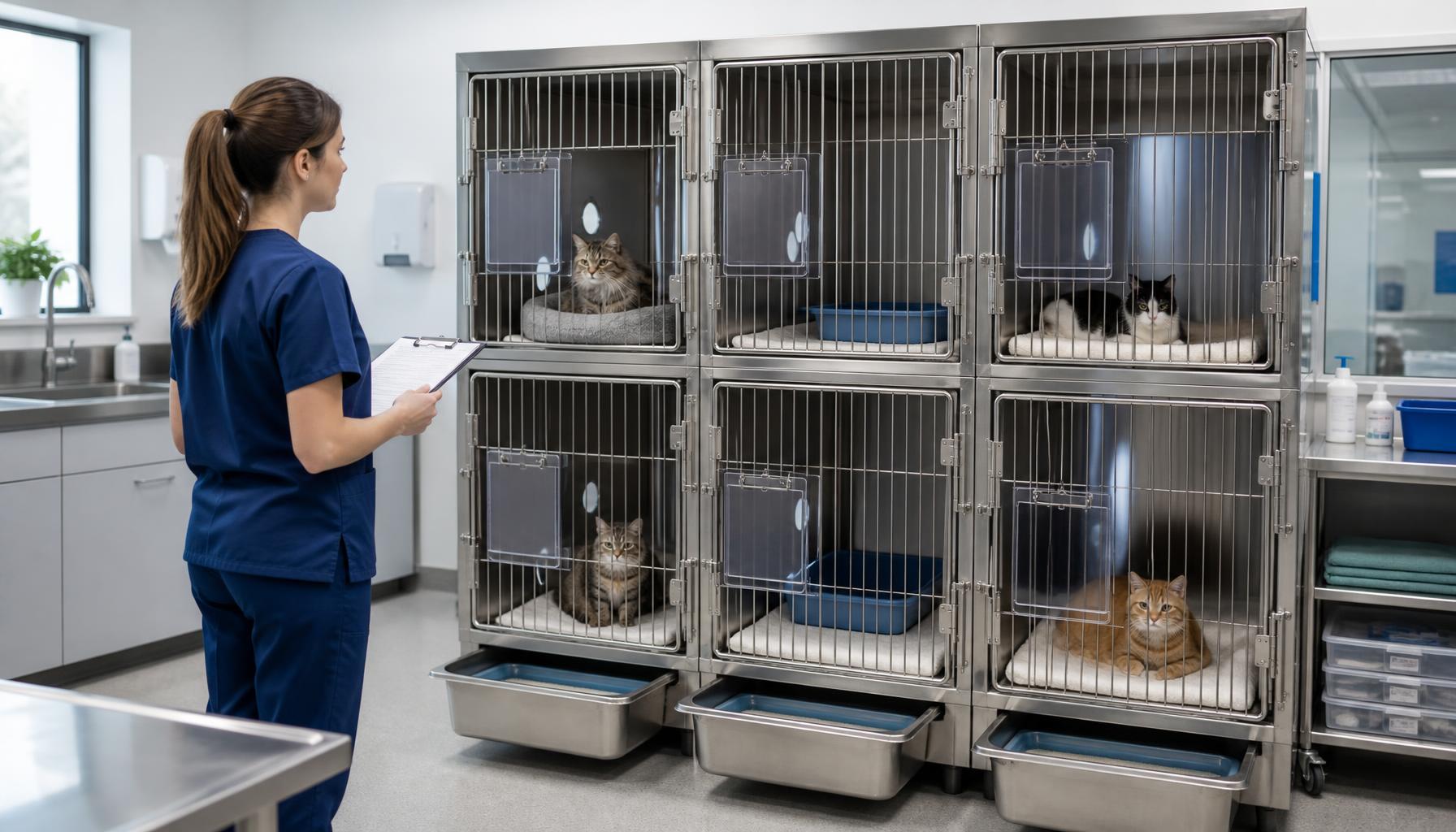
These ranges are planning estimates only and exclude freight, taxes, building work, and import charges. A product such as the Pet Cage (For Cats) PCG - 07 should be assessed by compartment layout, cleaning access, and available replacement components rather than by digital features alone.
ROI Data: Early Adopters vs. Laggards
Early adopters of planned replacement programs usually see ROI through avoided disruption, not through a direct revenue increase. A five-year ownership model should include acquisition, installation, cleaning labor, replacement parts, downtime, and end-of-life disposal. A lower-priced imported cage can become more expensive if one damaged door or tray requires replacing an entire compartment.
Based on HQS clinical observation, corrosion and workflow failures usually begin at tray edges, poorly protected welds, latch housings, and inaccessible gaps beneath fixed cage banks. Those are the areas to inspect during supplier demonstrations. In an emergency hospital, rapid access and clear sight lines may justify premium latches and larger door openings. In a daytime outpatient clinic, compact stacking, low noise, and fast cleaning may have greater financial value than sensors.
- Use a five-year parts allowance of 5%–15% of equipment cost where supplier warranty terms are limited.
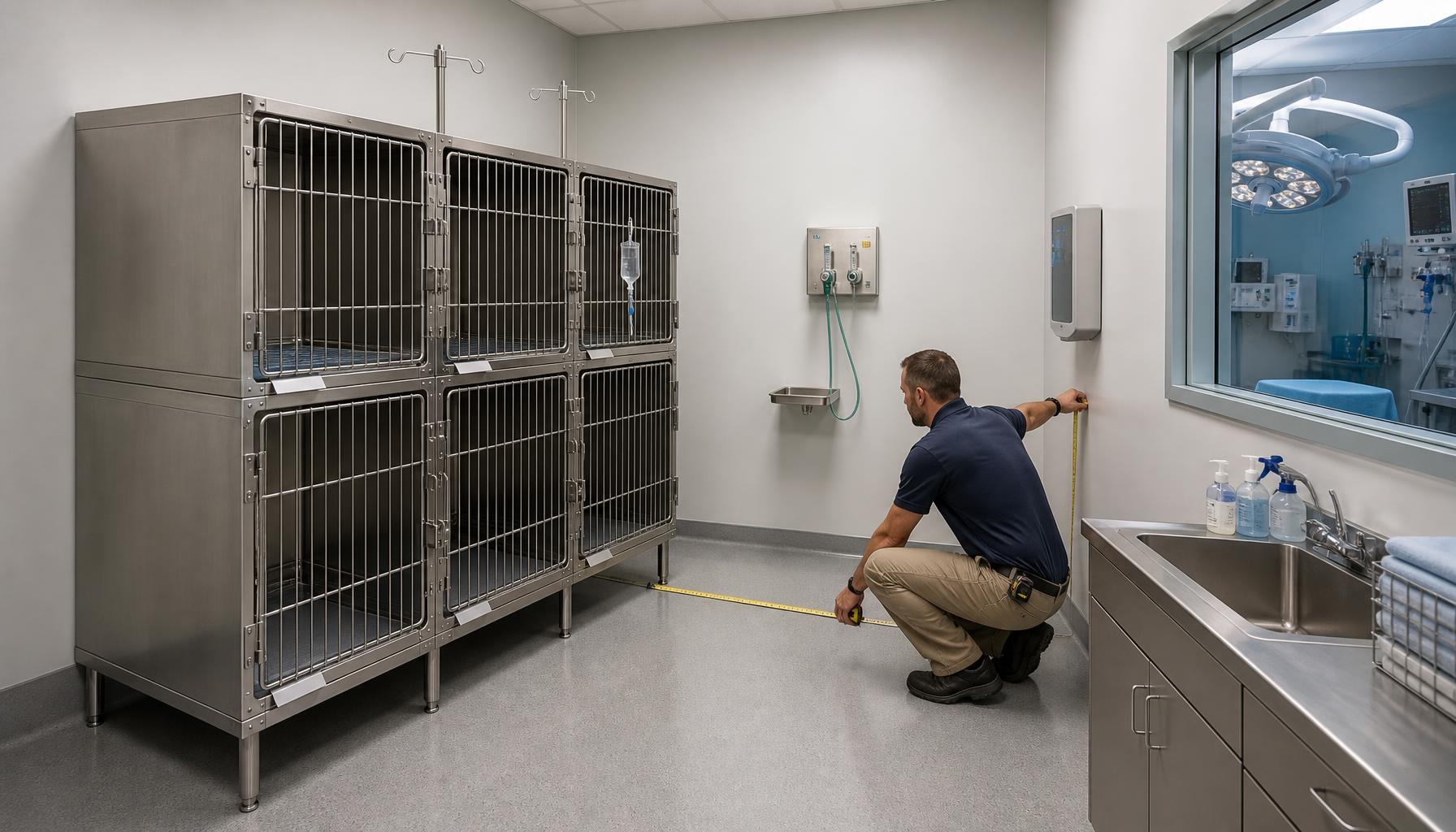
- Budget separately for delivery access, floor leveling, anchoring, and disposal of existing cages.
- Ask suppliers to state lead times for doors, trays, locks, heating controls, and grates.
Regional Trends in Vet Equipment Spend
Regional spending patterns are influenced less by cage technology than by import logistics, facility standards, and labor costs. North American and European buyers commonly place greater emphasis on documentation, material traceability, service responsiveness, and local electrical compatibility. Buyers in markets dependent on imported equipment should calculate duties, port handling, inland delivery, and spare-parts lead time before comparing quoted prices.
For powered cages, confirm voltage, plug type, grounding requirements, and local electrical inspection obligations. Stainless steel housing itself is often treated as facility equipment rather than a regulated medical device, but this should not be assumed. Import classification, veterinary facility rules, fire requirements, and infection-control policies vary by destination. A supplier that cannot identify steel grade, country of origin, warranty coverage, and replacement-part process creates procurement risk regardless of price.
Frequently Asked Questions
What stainless steel grade is appropriate for a Pet Cage (For Cats)?
304 stainless steel is a practical choice for most indoor veterinary cat housing. Consider 316 stainless steel where salt air, frequent chloride exposure, or aggressive disinfectants increase corrosion risk. Request the grade in the quotation and verify whether trays, doors, frames, and fasteners use the same material.
Are smart cat cages worth the additional cost?
They can be justified in specialty hospitals or high-volume emergency settings where door alerts, temperature records, or centralized facility monitoring reduce missed checks. For many clinics, durable latches, removable trays, good isolation layout, and dependable parts availability produce a stronger return.
How many cat cages should a general practice buy?
Start with daily peak occupancy rather than average occupancy. Separate expected needs for post-anesthesia recovery, day hospitalization, infectious isolation, and overnight care. A clinic with limited space may benefit more from modular vertical compartments than from a larger bank that obstructs treatment-room circulation.
What should be included in a cage supplier’s documentation package?
Request dimensional drawings, steel-grade confirmation, load guidance, cleaning recommendations, electrical specifications for powered units, warranty terms, spare-parts pricing, lead times, packing details, and country-of-origin documentation. These records are especially important when cages are imported or installed during a regulated facility renovation.
Data Summary: Investment Priorities
| Decision area | Useful data point | Procurement implication | Priority |
| Lifecycle planning | 10–15 year expected physical service horizon | Compare five-year ownership cost, not purchase price alone | High |
| Material selection | 304 for routine indoor use; 316 for higher corrosion exposure | Match steel grade to cleaning chemistry and local environment | High |
| Smart features | Higher equipment cost and added service dependencies | Buy only where alerts or records fit an established workflow | Medium |
| Parts support | Doors, trays, latches, seals, and controls drive downtime risk | Require written replacement-part availability and lead times | High |
The future of feline clinical housing is likely to be modular, easier to disinfect, and selectively connected. The immediate buying decision remains straightforward: choose stainless steel cage construction that fits isolation protocols, physical space, staff flow, and a documented maintenance plan.