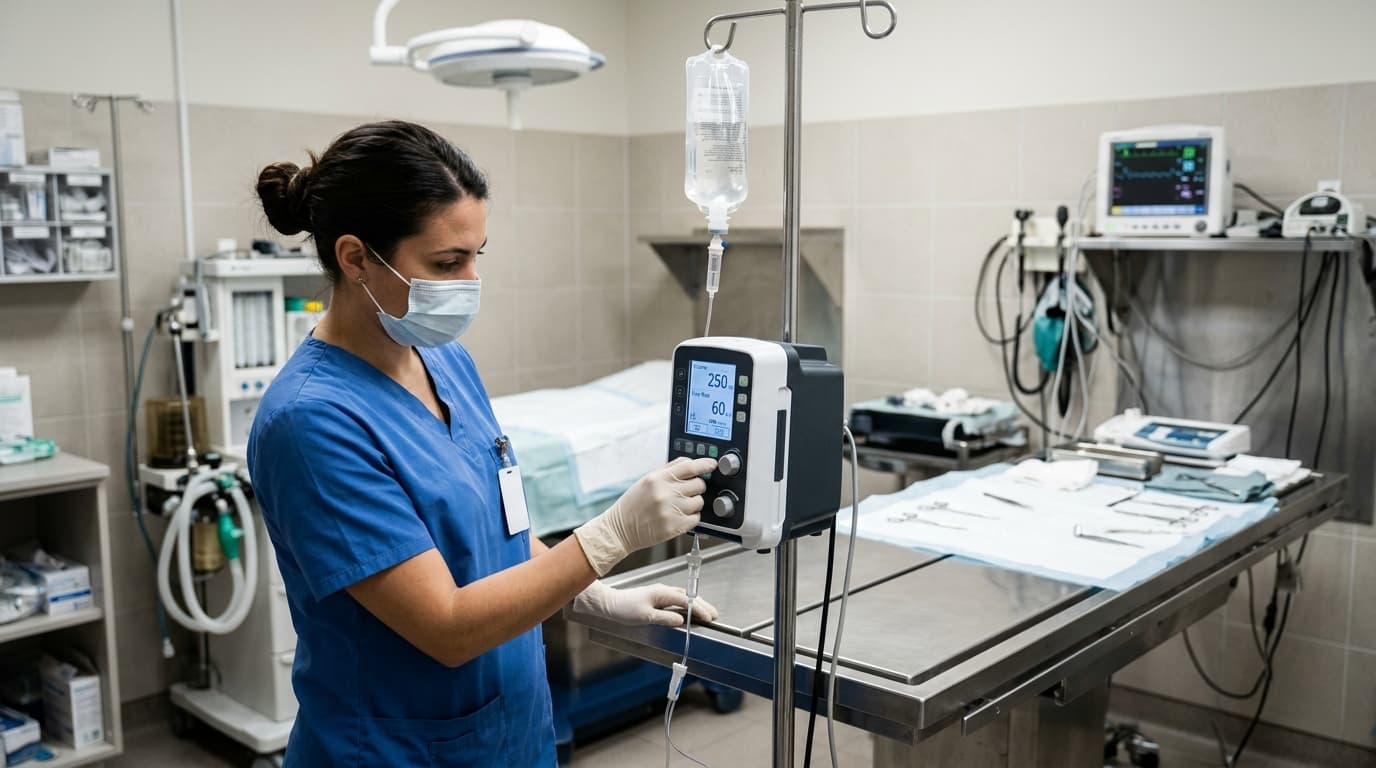
Industry observation suggests that over 78% of high-volume veterinary hospitals are transitioning from manual fluid delivery to automated systems. The shift from standard gravity lines to a programmable infusion pump represents a fundamental change in clinical workflow, directly impacting fluid resuscitation accuracy and technician labor allocation. While manual drips offer low initial acquisition costs, they introduce high variability in flow rates due to patient position changes, fluid viscosity, and venous backpressure. This analysis evaluates the measurable differences between manual and automated fluid administration, providing concrete data to help facility managers optimize procurement and establish sustainable clinical protocols.
Efficiency Gains: The Numbers Speak
Comparing manual drop calculation to electronic delivery reveals significant differences in operational efficiency. Clinical observation shows automated delivery cuts technical monitoring time by up to 45%. A standard gravity setup requires technicians to physically count drops, adjust roller clamps, and perform frequent manual checks to compensate for changes in the patient's limb position. Over a 12-hour intensive care shift, a technician may spend up to 3 hours simply verifying and adjusting manual flow rates for a single critical patient.
In contrast, automated devices utilize precise peristaltic mechanisms to maintain flow rates with a ±5% accuracy margin, continuously compensating for minor resistance changes. This automation reallocates valuable nursing hours from mechanical monitoring to direct patient care, effectively increasing the capacity of the ICU ward without requiring additional staffing.
| Delivery Method | Flow Accuracy Variance | Staff Monitoring (Mins/Hr) | Ideal Clinical Scenario |
|---|---|---|---|
| Manual Gravity Drip | ±20% to 30% | 12–15 minutes | Short-term hydration in stable, awake adult canines |
| Buretrol Gravity Line | ±15% to 20% | 10–12 minutes | Small volume manual delivery requiring strict limits |
| Volumetric Pump | ±5% | 2–3 minutes | ICU diuresis, continuous rate infusions (CRI), surgery |
| Syringe Delivery System | ±2% to 3% | 1–2 minutes | Micro-infusions, potent anesthesia delivery for exotics |
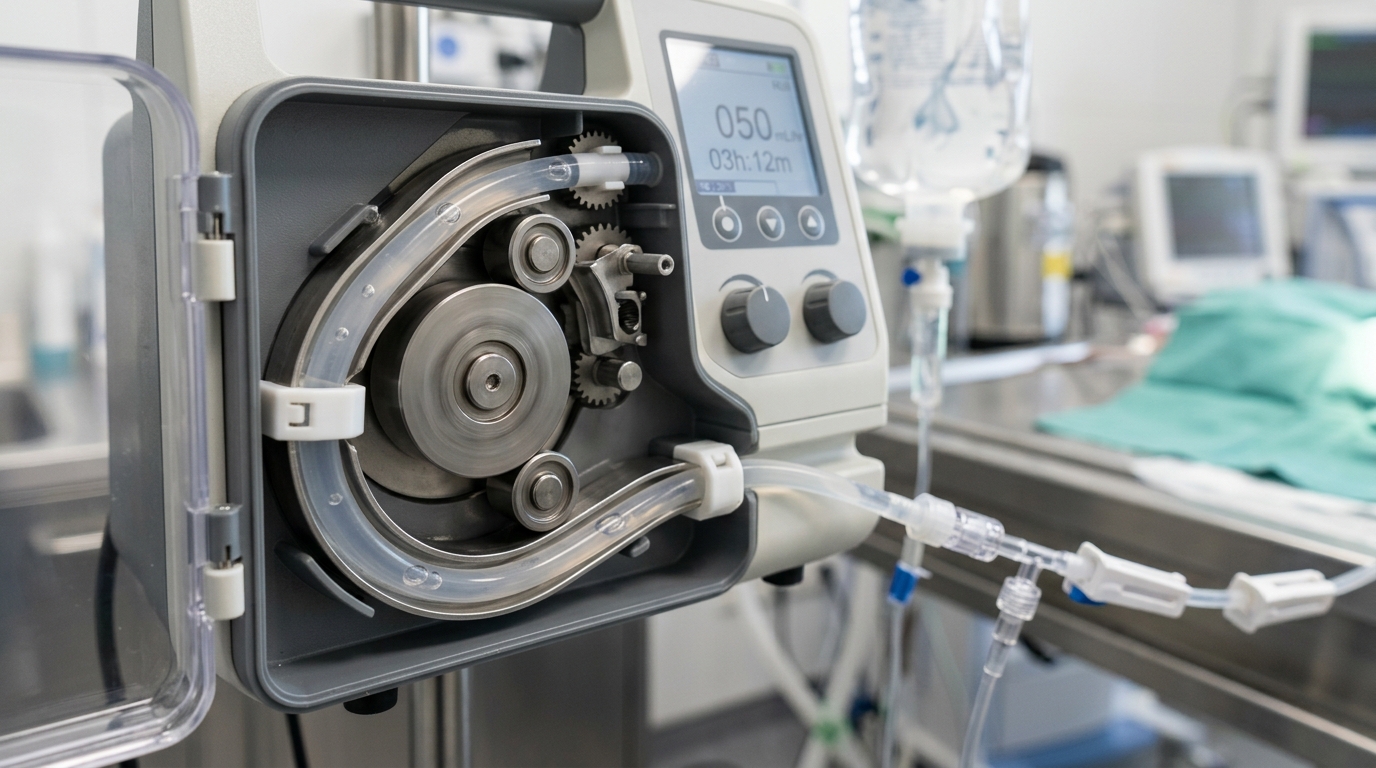
3 Settings That Cut Procedure Time
Implementing advanced parameter controls on modern units directly reduces manual interventions and safeguards patient health. Proper utilization of these three integrated functions streamlines the daily workflow.
First, the Keep Vein Open (KVO) setting is essential for maintaining venous access. Once the primary fluid target is achieved, the device automatically drops the rate to a minimal flow (typically 1–5 mL/hr). This prevents catheter occlusion and saves staff approximately 10 minutes of manual heparin flushing and line clearing per patient.
Second, the Volume To Be Infused (VTBI) parameter establishes a rigid mechanical limit. In outpatient surgery for a 3kg feline or a pediatric patient, precise VTBI prevents potentially fatal iatrogenic fluid overload, shifting the burden of strict volume control from manual oversight to the automated system.
Third, adjustable air-in-line sensitivity prevents workflow disruption. Equine high-volume administration often generates micro-bubbles that are clinically insignificant for large animals but trigger constant nuisance alarms. Adjusting the sensitivity threshold down for equine cases, and up for low-volume exotic animal care, prevents false alerts while maintaining strict safety standards.
Error Rate: Trained vs. Untrained Staff
Hardware capability relies entirely on operator proficiency. Many practices report up to a 60% drop in occlusion and air-in-line alarms immediately following structured training on line loading and bubble clearing techniques. The transition from manual lines to automated systems requires a shift in handling protocols.
Untrained staff frequently over-stretch the silicone tubing segment during door installation. This physical distortion alters the internal diameter of the tubing, compromising the volumetric accuracy and leading to under-infusion. Furthermore, improper priming of the drip chamber—filling it completely rather than halfway—disables the optical drop sensor, resulting in continuous malfunction alerts. By standardizing the IV set loading sequence across all nursing shifts, clinical directors can significantly reduce alarm fatigue. Ensuring that the equipment operates quietly allows the team to trust that an audible alert represents a genuine clinical occlusion requiring immediate intervention.
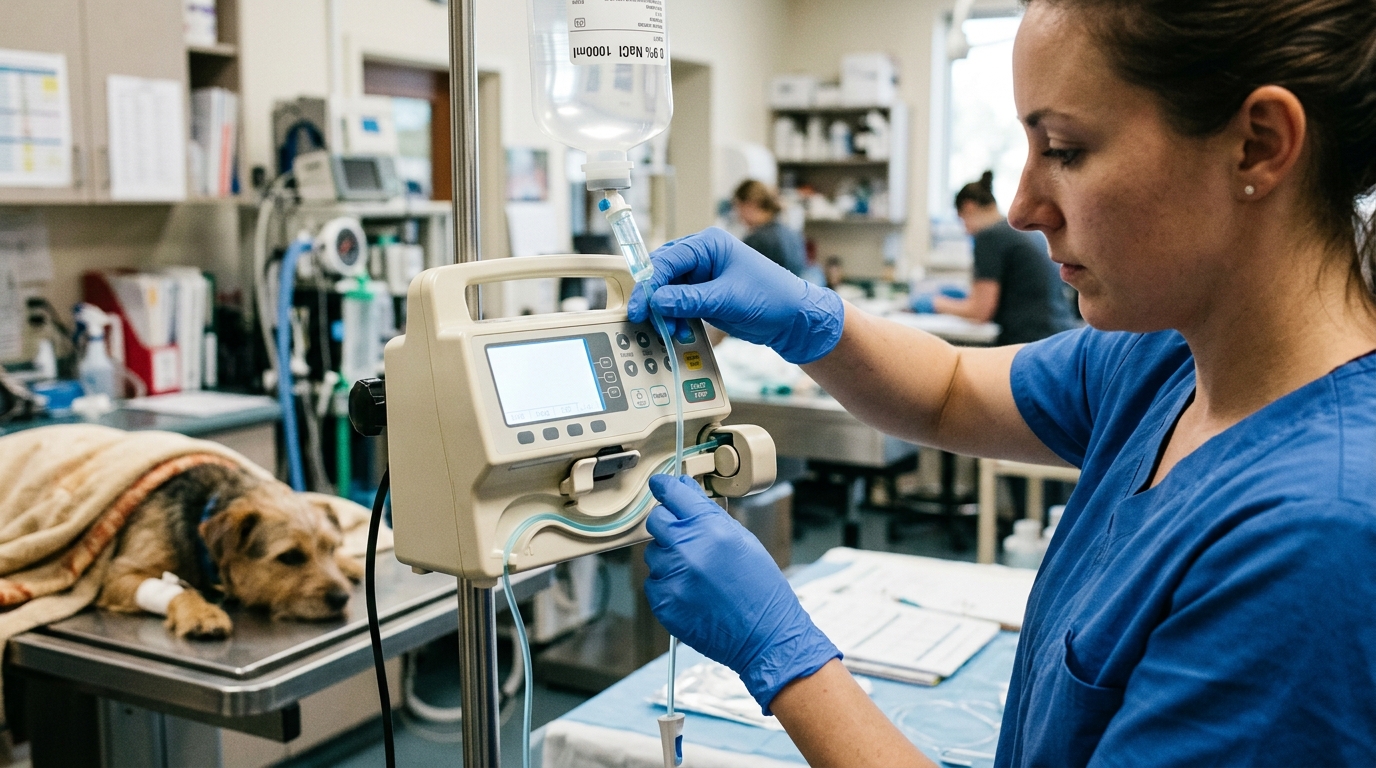
Downtime Cost per Hour of Misuse
Equipment failure during critical care operations directly translates to delayed treatments and compromised patient safety. Based on HQS clinical observation, the most common hardware failures—such as broken door latches, damaged optical sensors, and cracked housing—stem from rushed operation and improper cleaning rather than manufacturing defects.
When a unit like the Infusion Pump IP - 50 is removed from circulation for repair, the facility faces the immediate cost of replacement parts and the operational bottleneck of reduced ICU capacity. Aggressive cleaning with unapproved solvents can degrade the optical sensors, leading to a repair that requires out-of-service time. Facilities evaluating total cost of ownership should consult an essential infusion pump purchasing checklist for clinic owners and facility managers to establish proper operational guidelines. Implementing strict handling protocols, such as securing the device to dedicated IV poles rather than resting them on cage doors, minimizes physical drop risks and preserves the capital investment.
Maintenance Interval Benchmarks
Consistent maintenance prevents drift in volumetric accuracy and extends the lifespan of the internal stepping motors. Establishing a rigid schedule protects the equipment and ensures fluid delivery rates remain consistent with clinical requirements. A proactive approach reduces emergency repair costs and maintains high operational availability.
| Frequency | Task | Key Action |
|---|---|---|
| Daily | Sensor and Housing Cleaning | Wipe down optical drop sensors and ultrasonic air detectors with an approved, non-abrasive damp cloth to prevent residue buildup. |
| Weekly | Physical Hardware Inspection | Assess the door latch mechanism, hinge stability, and power cord integrity for signs of stress, cracking, or fraying. |
| Monthly | Battery Conditioning | Run the unit entirely on battery power until the low-battery warning activates, then fully recharge to preserve cell capacity for emergency transport. |
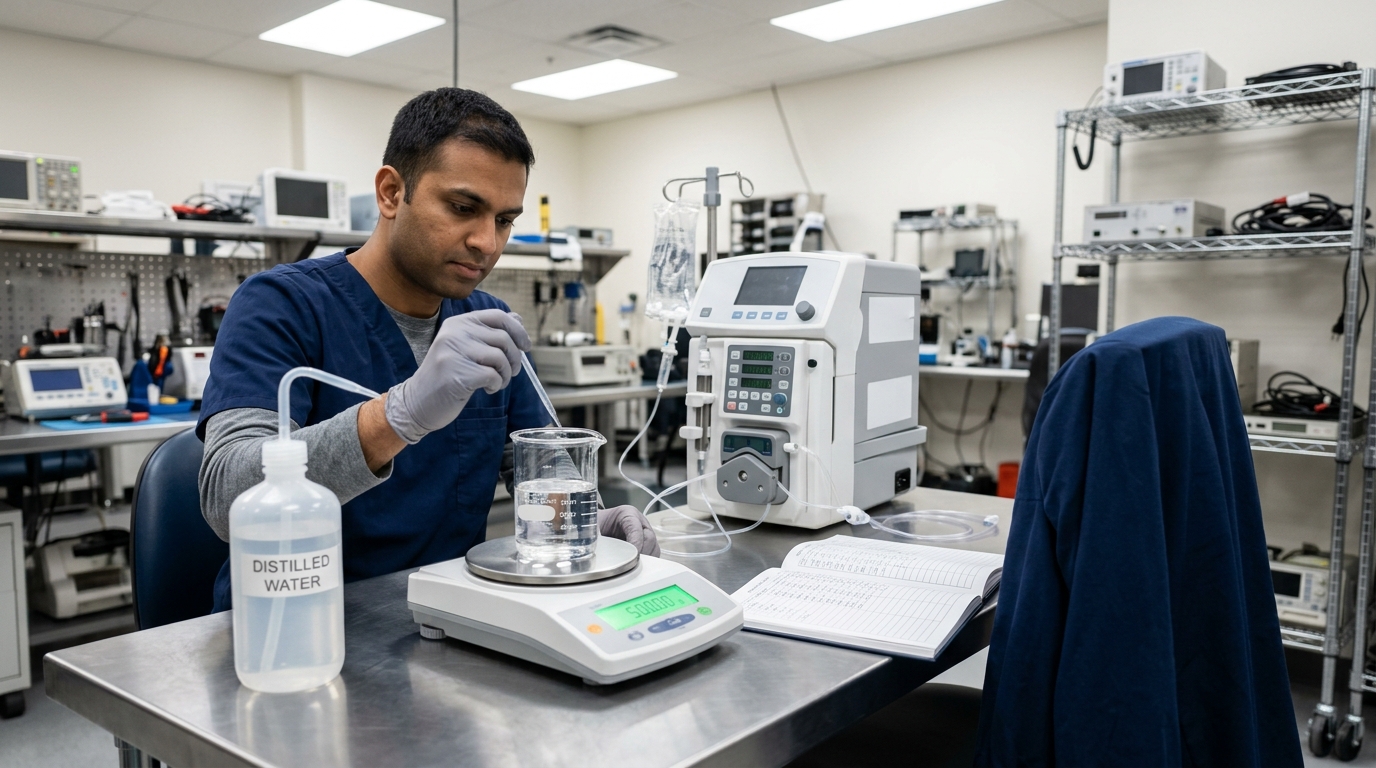
| Annual | Volumetric Calibration Check | Perform a gravimetric test using distilled water and a calibrated scale to verify the delivery accuracy remains within the ±5% specification. |
Data Summary: Optimization Impact
Transitioning from manual methods to automated fluid therapy yields measurable improvements across multiple clinical metrics. This final data review isolates the specific areas where procedural efficiency and patient safety overlap through equipment modernization.
| Performance Metric | Gravity Drip Baseline | Automated Target | Clinical Value Delivered |
|---|---|---|---|
| Volume Accuracy | ±25% | ±5% | Prevents fluid overload in vulnerable feline and pediatric patients. |
| Line Patency (KVO) | Manual flush required | Automatic | Eliminates 10 minutes of manual flushing; reduces catheter replacement. |
| Occlusion Response | Visual check only | < 30 seconds | Immediate audible alert prevents prolonged interruption of therapy. |
| Tech Intervention | Every 15-30 mins | Every 2-4 hours | Frees nursing staff for complex diagnostics and active patient care. |
Frequently Asked Questions
What is the primary cause of frequent air-in-line alarms?
The most common cause of false air-in-line alarms is cold intravenous fluids. When chilled fluids are exposed to room temperature during administration, dissolved gases expand and form micro-bubbles inside the tubing. Warming the fluids to room temperature prior to administration and ensuring the drip chamber is properly primed (half-full) prevents the ultrasonic sensors from triggering nuisance alerts.
How does fluid viscosity affect delivery accuracy?
While automated systems use stepping motors to maintain consistent pressure, highly viscous fluids like whole blood, plasma, or total parenteral nutrition (TPN) require more physical force to move through the line. Standard calibration is based on the specific gravity of crystalloid fluids (like saline or LRS). For high-viscosity administrations, facilities must utilize specific administration sets and adjust pressure thresholds to prevent false downstream occlusion alarms.
Can standard gravity IV sets be used in automated delivery systems?
Many systems are designated as "open system" and allow the use of standard IV lines, provided the tubing diameter and silicone elasticity match the device's calibration parameters. However, the exact brand and specification of the tubing must be programmed into the system's library. Using uncalibrated tubing alters the internal volume of the pumping segment, resulting in volumetric inaccuracies that can exceed safe clinical margins.