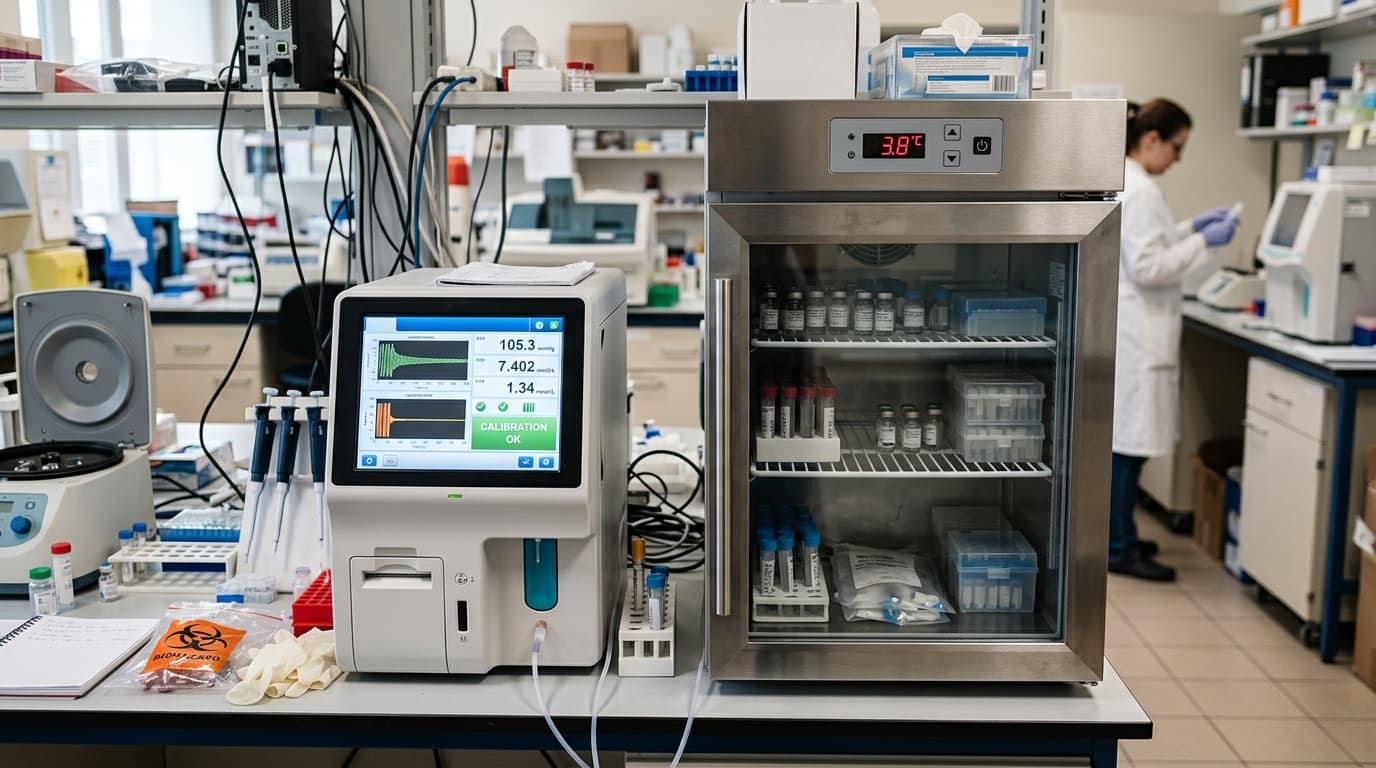
Clinical data indicates that up to 22% of point-of-care testing errors in veterinary hospitals stem from improper reagent and cartridge storage. When integrating a Veterinary Blood Gas & Immunoassay Analyzer HBI-G2 into a high-volume practice, managing the cold chain for consumables is just as critical as the hardware calibration. Thermal instability directly affects sensor microfluidics, leading to drift in pO2, pCO2, and electrolyte measurements.
This technical report breaks down the exact storage temperatures, setup protocols, and maintenance schedules required to keep testing workflows efficient and accurate. By standardizing cartridge equilibration and machine standby states, clinics can significantly reduce consumable waste and prevent diagnostic delays during critical emergency interventions.
Efficiency Gains: The Numbers Speak
Proper thermal management of testing consumables directly correlates with machine readiness. Industry guidance suggests that clinics adhering to strict 2–8°C storage protocols, followed by a mandatory 15-to-30-minute room temperature equilibration, see a 40% reduction in pre-analytic calibration failures. A veterinary blood gas & immunoassay analyzer operates using highly sensitive biosensors; inserting a cold cartridge causes condensation on the optical or fluidic interfaces, forcing the machine into an extended error-recovery loop.
In a standard ER setting, bypassing the equilibration phase adds an average of 12 minutes to result delivery times. Conversely, outpatient clinics that batch their testing and stage cartridges in advance process samples 35% faster. Establishing a staging zone at an ambient temperature of 20–25°C ensures that when a stat sample arrives, the consumable is instantly ready for insertion without triggering internal thermal alarms.
3 Settings That Cut Procedure Time
Modern analyzers offer customizable parameters to match specific clinical workflows. Adjusting these three hardware settings optimizes the balance between readiness and consumable life:
First, adjust the auto-calibration intervals based on case volume. For a 24/7 emergency room, setting a continuous 8-hour calibration cycle ensures immediate readiness. For a daytime-only clinic, a manual or 12-hour cycle preserves calibration fluid while still meeting ISO-compliant quality control standards.
Second, configure the internal standby temperature. Maintaining the measurement chamber at exactly 37.0°C minimizes the thermal ramp-up required when a new sample is introduced. Variations as small as 0.2°C can shift pH readings by 0.003 units.
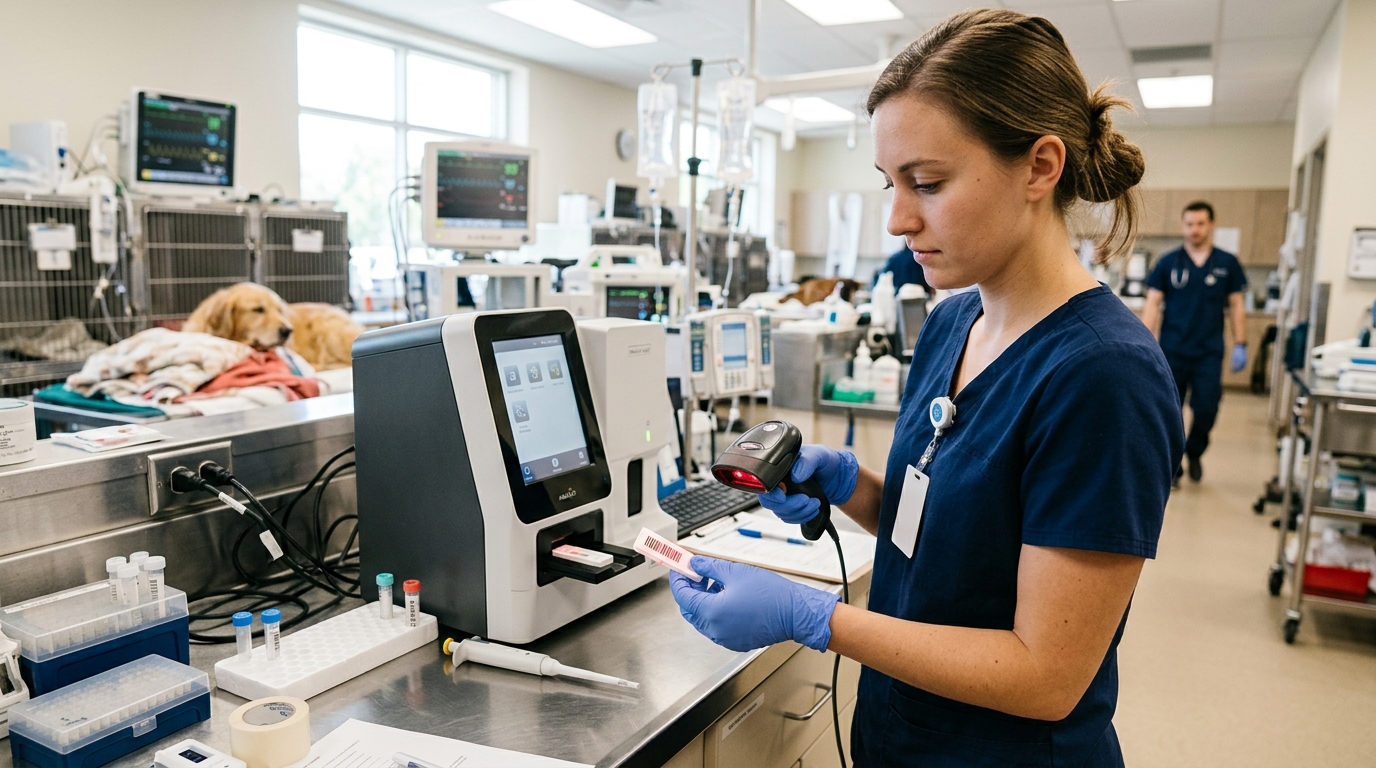
Third, implement mandatory patient ID barcode scanning. Bypassing manual entry reduces data input time by 85% and eliminates transcription errors, ensuring that the results are seamlessly transmitted to the patient's electronic medical record and associated veterinary patient monitor data.
Error Rate: Trained vs. Untrained Staff
Clinical observations suggest a stark contrast in error rates based on operator training, particularly regarding cartridge handling. Untrained staff frequently commit two critical errors: squeezing the fluidic packs during transport and returning warmed, unused cartridges back to the refrigerator. Once an immunoassay or blood gas cartridge reaches room temperature, the internal buffers begin to degrade; re-chilling them causes protein precipitation and guarantees a failed run.
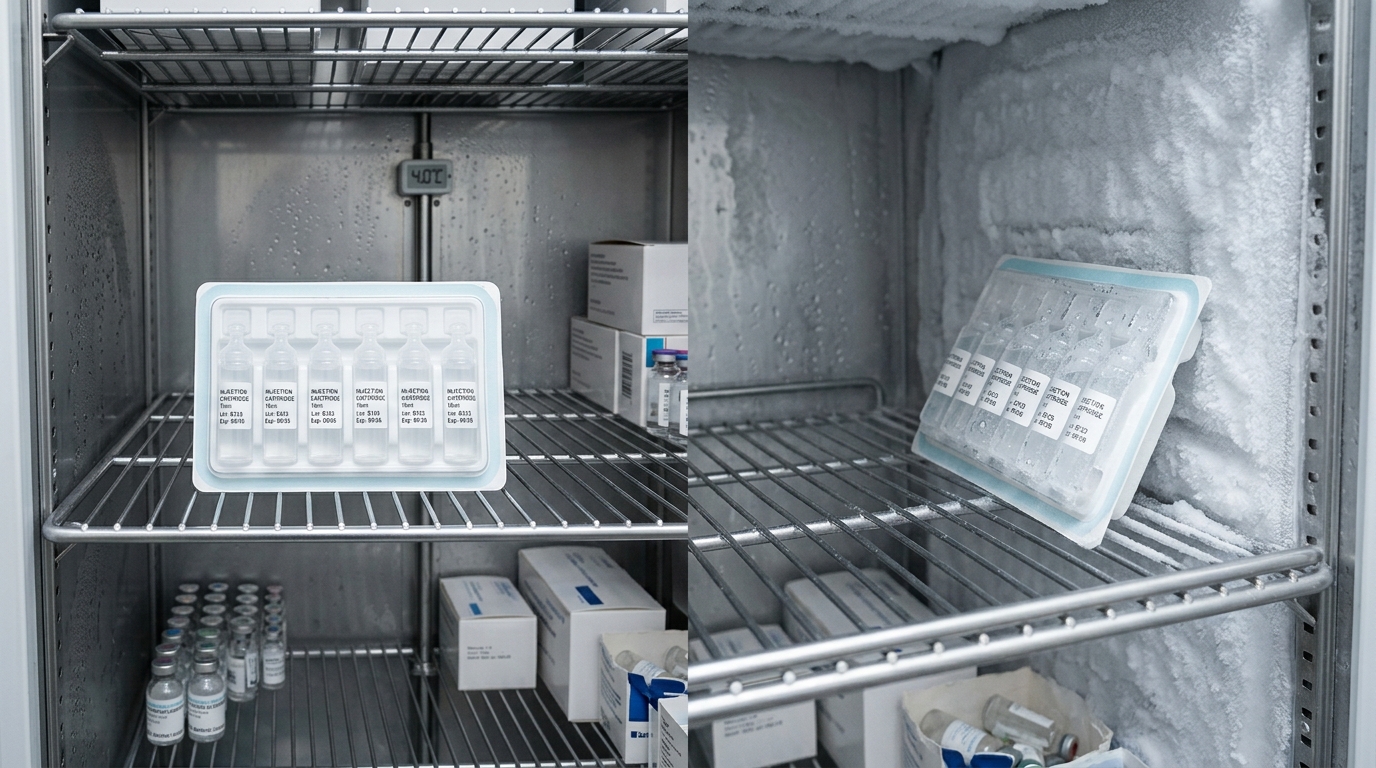
Based on HQS clinical observation, storing cartridges at the back of standard clinic refrigerators (where temperatures frequently dip below 2°C) causes a 14% increase in micro-clotting during calibration. The localized freezing damages the thin-film sensors. Training protocols must specify storing cartridges in the center shelves of purpose-built medical refrigerators, far from the cooling element, to maintain a stable 2–8°C environment.
Downtime Cost per Hour of Misuse
The financial impact of improper setup extends beyond the cost of a ruined $15 to $30 cartridge. When an analyzer goes down due to sensor contamination from a cold cartridge, the practice incurs both direct and indirect losses. Evaluating these metrics is crucial for procurement and lab managers trying to calculate the total cost of ownership.
If an analyzer requires a forced flush and recalibration, the machine is offline for approximately 45 minutes. In an emergency scenario requiring serial lactate or potassium monitoring, this downtime can delay surgical interventions. Assuming an hourly clinic revenue generation rate of $450 to $800 during peak times, a single hour of diagnostic downtime costs exponentially more than the consumables. For a deeper analysis of equipment ROI and procurement metrics, reviewing the Top Veterinary Blood Gas & Immunoassay Analyzer Manufacturers data provides a clear baseline for expected operational costs.
| Cartridge Type | Storage Requirement | Room Temp Stability | Average Cost per Test |
|---|---|---|---|
| Standard Blood Gas (pH, pCO2, pO2) | 2–8°C (Center Shelf) | Up to 2 months | $12 - $18 |
| Comprehensive Electrolyte Combo | 2–8°C (Strict thermal control) | Up to 4 weeks | $18 - $25 |
| Cardiac Immunoassay (cTnI, NT-proBNP) | 2–8°C (Do not freeze) | Max 15 minutes before use | $22 - $35 |
| Coagulation / Specialty Panels | 2–8°C (Vertical storage) | Max 30 minutes before use | $25 - $40 |
Maintenance Interval Benchmarks
Preventative maintenance is the only proven method to maximize the lifespan of fluidic pumps and optical sensors. While routine diagnostics might be performed on a veterinary chemistry analyzer, the micro-sensor technology in blood gas units requires a much stricter cleaning regimen to prevent protein buildup from whole blood samples.
The following table outlines the 4-interval maintenance protocol required to keep clinical error rates below the 2% industry benchmark.
| Frequency | Task | Key Action |
|---|---|---|
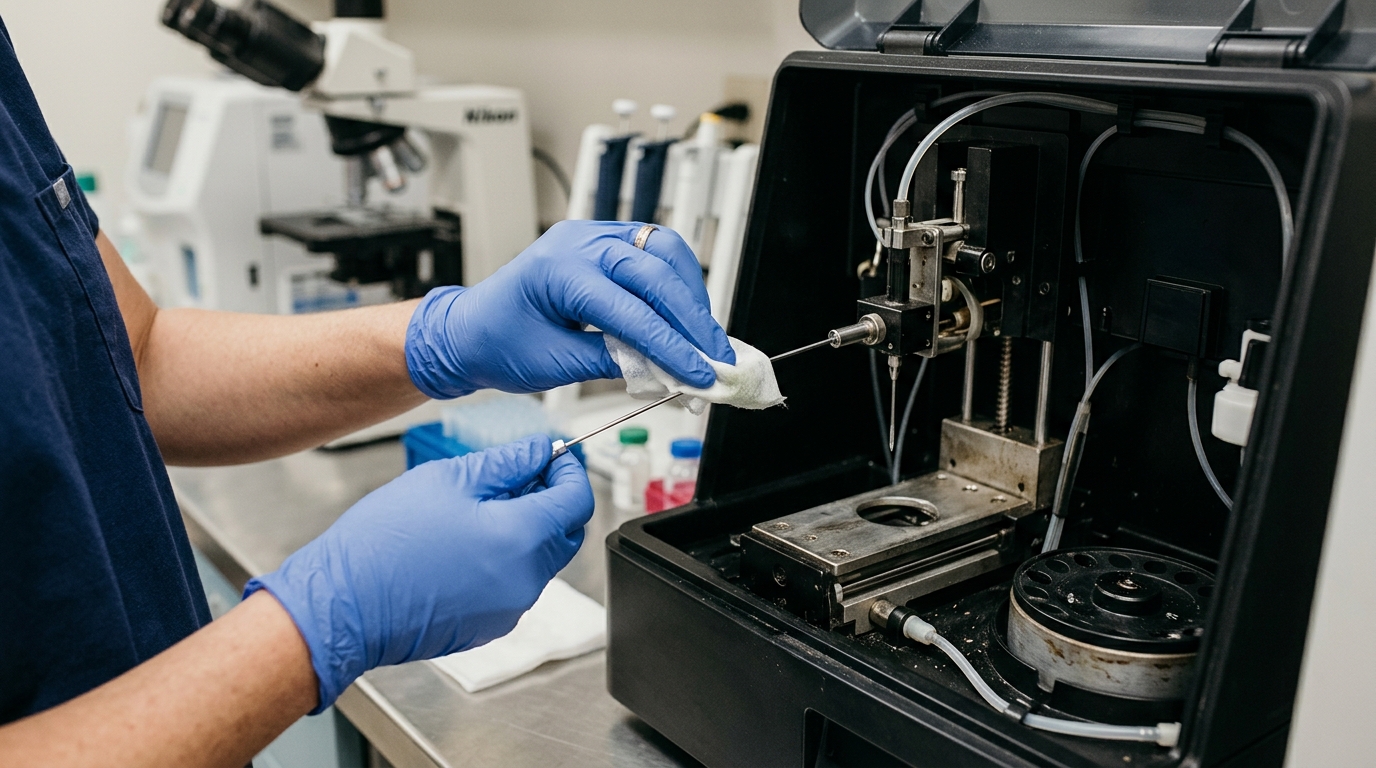
| Daily | Sample Probe Cleaning | Wipe the external probe with a lint-free cloth and approved enzymatic cleaner to prevent fibrin buildup. |
| Weekly | Thermal Log Verification | Review refrigerator temperature logs to confirm 2–8°C stability without sub-freezing deviations. |
| Monthly | Fluidic System Flush | Run the manufacturer-provided deep cleaning solution to clear micro-clots from the internal tubing. |
| Annual | Calibration Verification | Perform external liquid quality control (LQC) testing across three concentration levels to validate sensor accuracy. |
Frequently Asked Questions
How long can cartridges remain at room temperature before they are ruined?
Stability varies by test type. Standard blood gas cartridges can often remain at a controlled room temperature (20–25°C) for several weeks, depending on the manufacturer. However, sensitive immunoassay cartridges typically degrade within 15 to 30 minutes of being removed from the 2–8°C environment. Always consult the specific batch insert.
Why does the analyzer reject a newly inserted cartridge?
The most common cause of immediate rejection is thermal shock. If a cartridge is inserted straight from the refrigerator without the mandatory 15-minute equilibration period, condensation forms on the internal sensor contacts. The machine's self-diagnostic software detects this moisture as an electrical short and aborts the run to protect the motherboard.
Can cartridges be stored in a standard dormitory-style refrigerator?
No. Dormitory-style refrigerators lack forced-air circulation, resulting in severe temperature gradients. Items near the cooling plate may drop below 0°C, freezing and destroying the sensor membranes, while items near the door may exceed 10°C. Only purpose-built medical refrigerators with continuous thermal monitoring should be used.
Data Summary: Optimization Impact
Implementing strict storage and setup protocols yields measurable improvements in both workflow speed and financial efficiency. The summary table below highlights the operational differences before and after protocol optimization.
| Operational Metric | Without Temperature Protocol | With Strict 2–8°C & Equilibration Protocol |
|---|---|---|
| Pre-Analytic Error Rate | 18% - 22% | Under 2% |
| Cartridge Waste (Monthly) | 8 - 15 units | 1 - 2 units |
| Average Result Turnaround | 14 minutes (due to thermal errors) | 2.5 minutes |
| Sensor Lifespan | 6 - 8 months | 12+ months |