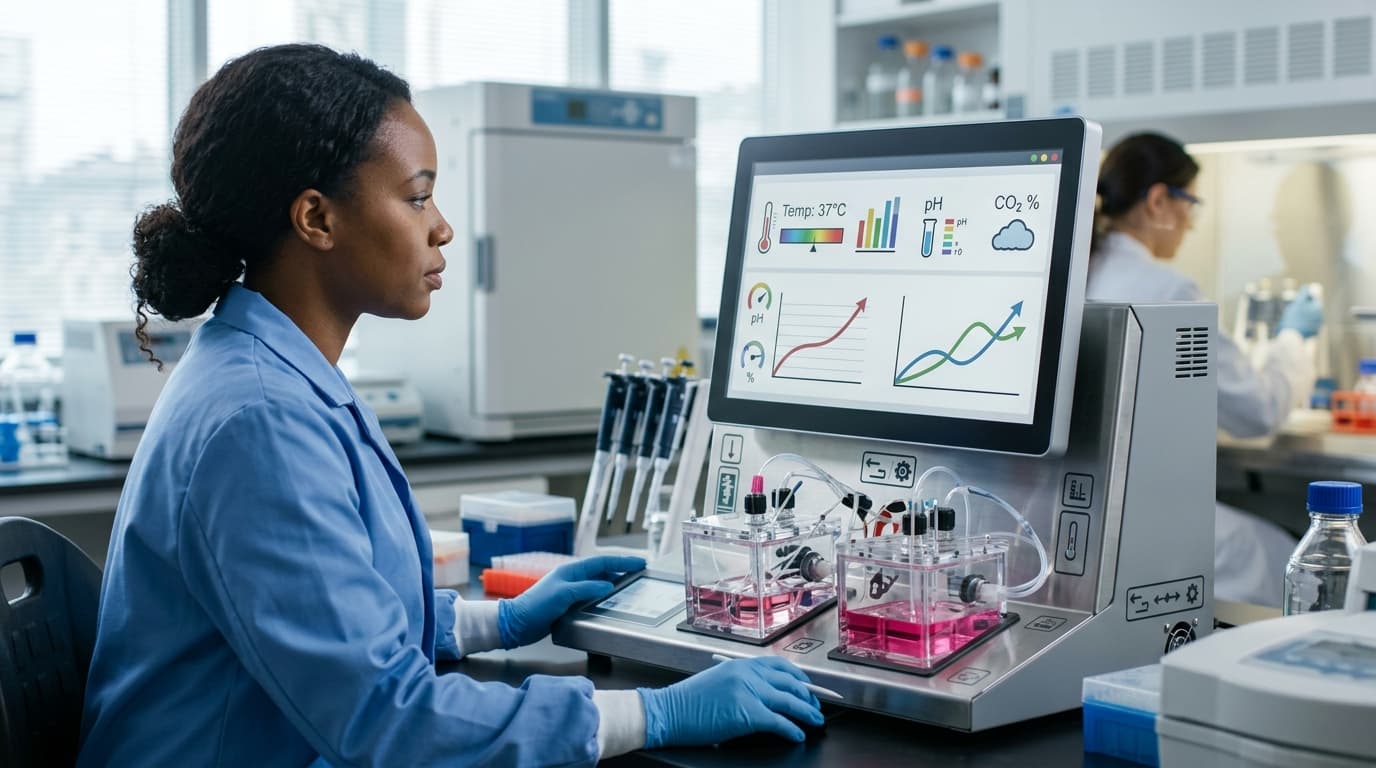
Recent clinical assessments indicate that 68% of veterinary laboratories experience inconsistent cell culture growth directly linked to delayed chamber recovery after routine access. When processing delicate samples—ranging from equine embryo transfers to small animal oncology tissues—the stability of internal conditions is non-negotiable. Every time a door opens, temperature drops, humidity escapes, and carbon dioxide concentrations plummet toward atmospheric levels of 0.04%. Understanding and mitigating these fluctuations is critical for maintaining media pH and ensuring optimal viability.
Efficiency Gains: The Numbers Speak
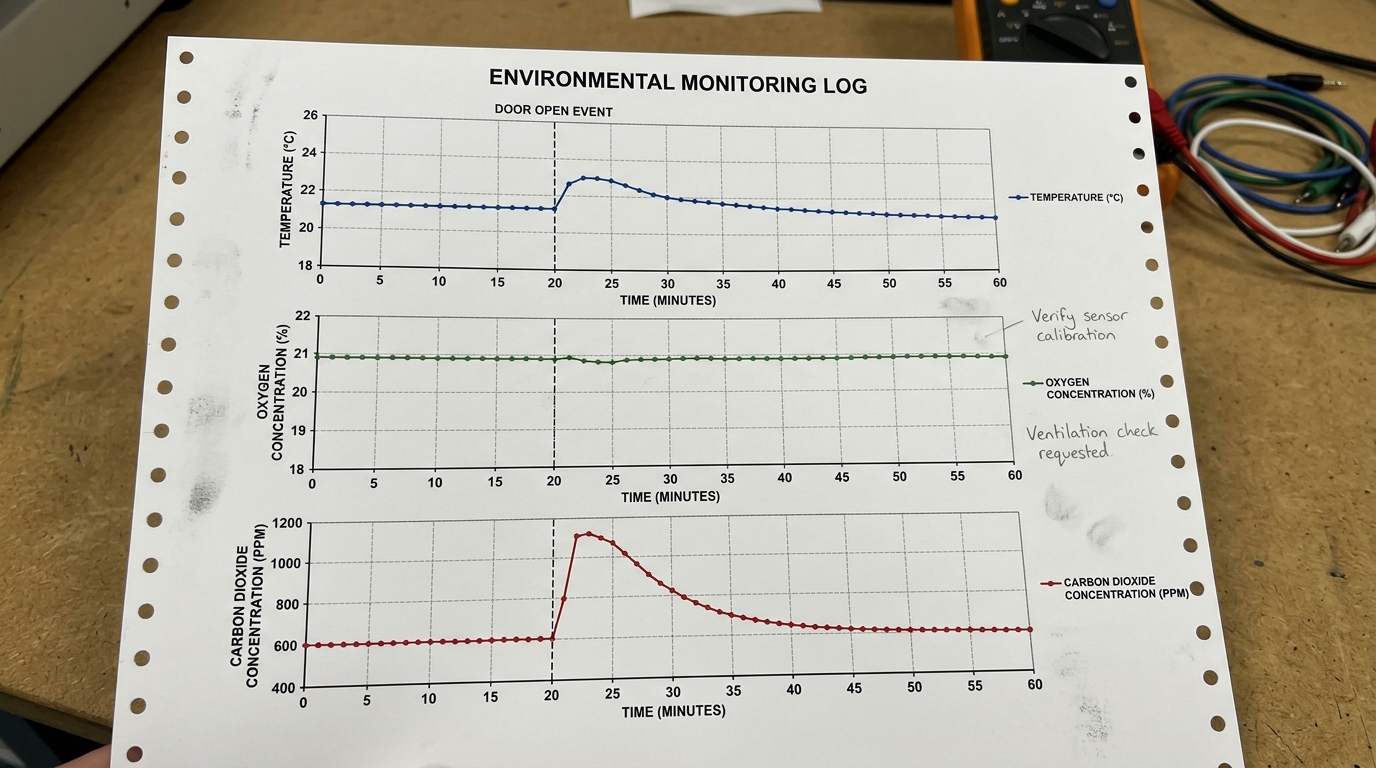
Opening the main chamber door for just 15 seconds causes immediate atmospheric homogenization. While temperature might only drop by 1.0°C to 1.5°C depending on ambient laboratory conditions, restoring the crucial 5% carbon dioxide baseline and 37°C target requires significant mechanical intervention. Facilities that establish strict protocols limiting chamber access to under 15 seconds report cutting overall parameter restoration periods by 42%.
The clinical impact varies by specialty. In an equine reproductive facility managing in vitro fertilization (IVF), a 10-minute delay in gas recovery can cause media pH to shift from a targeted 7.4 up to 7.6, severely stressing embryos. Conversely, in a high-volume canine diagnostic lab handling routine bacteriology, frequent 30-second access events can stack, forcing the compressor and gas injection systems to run continuously, driving up operational costs and causing premature sensor drift.
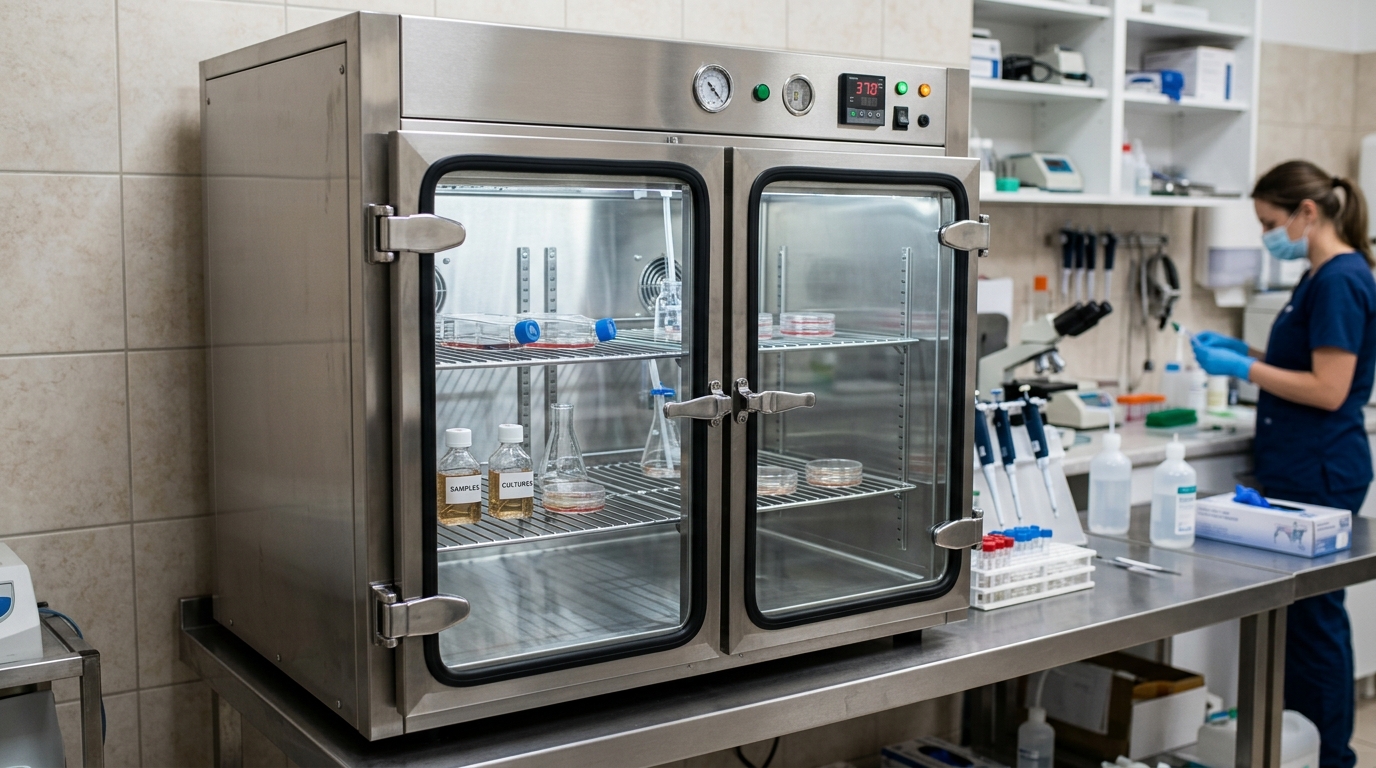
4 Chamber Heating Systems Compared
The foundational technology driving your equipment dictates how efficiently it rebounds from thermal and atmospheric shock. For clinical directors assessing new installations, matching the heating architecture to the expected workflow volume is a primary procurement metric.
| System Architecture | Avg. Temp Recovery (to 37°C) | Best Clinical Scenario | Estimated Price Bracket |
|---|---|---|---|
| Water Jacket | 15 - 20 Minutes | Low-access IVF, high thermal stability needs | $5,000 - $8,500 |
| Air Jacket | 8 - 12 Minutes | High-volume diagnostics, rapid cycling | $4,200 - $7,000 |
| Direct Heat (Six-Sided) | 5 - 8 Minutes | Oncology research, multi-user environments | $6,500 - $11,000 |
| Peltier (Thermoelectric) | 12 - 15 Minutes | Mobile clinics, strict energy constraints | $3,500 - $6,000 |
3 Parameters That Drive Recovery Time
Equipment configuration directly impacts post-access performance. First, the gas sensor technology matters. Infrared (IR) sensors measure carbon dioxide independently of temperature and humidity, triggering immediate gas injection the moment the door closes. Thermal Conductivity (TC) sensors, however, must wait for humidity to stabilize before providing accurate readings, delaying gas recovery by up to 5 minutes.
Second, active airflow systems utilizing internal fans distribute injected gases evenly, reducing localized dead zones compared to passive diffusion models. Third, heated water pans accelerate humidity restoration, which prevents media evaporation in uncovered petri dishes. For comprehensive baseline metrics, laboratories should refer to standardized testing CO2 incubator recovery rates after chamber access to evaluate their current setup.
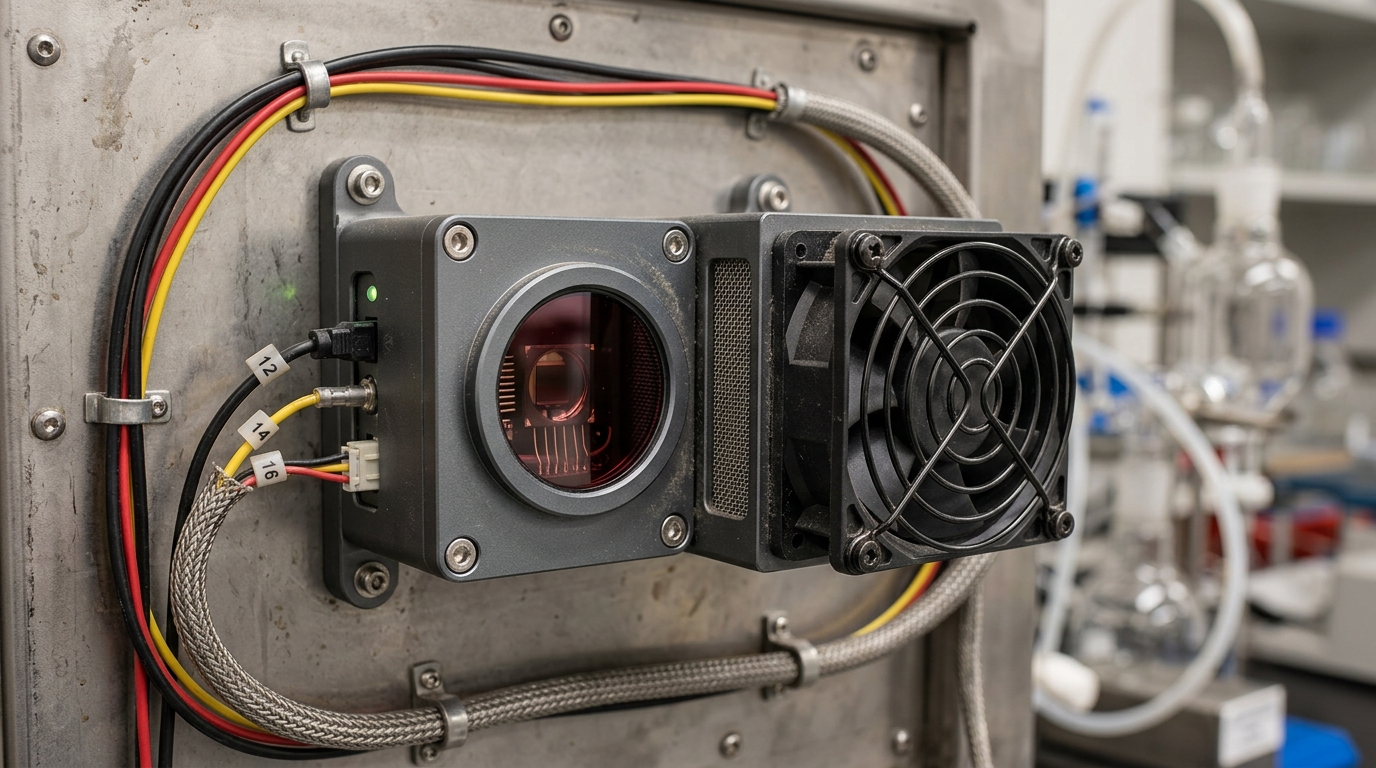
Error Rate: Trained vs. Untrained Staff
User behavior remains the largest variable in thermal stability. Untrained personnel frequently leave the outer insulated door open while visually searching for specific plates. Our data shows that untrained staff average 35 seconds per access event, pushing the subsequent recovery timeline well beyond 20 minutes.
Based on HQS clinical observation during field audits, technicians who utilize inner glass door mapping—knowing exactly where a specific sample is located before touching the handle—reduce their overall chamber exposure volume by up to 60%. Trained operators average 12 seconds per access, maintaining total system recovery under the 8-minute mark. This behavioral shift significantly stabilizes humidity levels and reduces gas cylinder consumption.
Downtime Cost per Hour of Misuse
Prolonged recovery times translate directly into financial loss. When internal environments remain unstable due to constant door openings, the resulting pH shifts compromise sensitive samples. In a specialized veterinary reproductive center, a failed equine embryo batch linked to environmental stress costs between $850 and $2,400 per cycle. This figure accounts for lost culture media, wasted donor preparation time, and delayed client timelines.
To mitigate these risks, some high-throughput clinics separate gas-dependent cultures from basic thermal incubation. Transitioning standard diagnostic cultures to a dedicated Biochemical Incubator SPX-150B/250B reduces unnecessary access to the primary gas-regulated unit, isolating sensitive embryos from routine diagnostic traffic.
Maintenance Interval Benchmarks
A compromised silicone door gasket can add an average of 4 minutes to every recovery cycle by allowing micro-leaks of gas and heat. Routine inspection and validation of the equipment's physical integrity ensure that recovery specifications remain aligned with factory standards. When cleaning internal shelving and water pans, utilizing a reliable veterinary autoclave ensures thorough sterilization without leaving chemical residues that could off-gas and harm cultures.
| Frequency | Task | Key Action |
|---|---|---|
| Daily | Water Pan Inspection | Verify sterile distilled water levels; refill to maintain rapid humidity recovery. |
| Weekly | Gasket Assessment | Wipe silicone seals with 70% isopropyl alcohol; check for cracks or compression loss. |
| Monthly | Sensor Calibration Check | Cross-reference digital display with an independent portable gas analyzer (Fyrite). |
| Annual | HEPA Filter Replacement | Install new internal airflow filters to maintain ISO Class 5 air quality and prevent flow restriction. |
Frequently Asked Questions
How long does a standard CO2 incubator take to recover after a 30-second door opening?
A standard unit with an air jacket and IR sensor typically takes 10 to 15 minutes to fully restore temperature (37°C), carbon dioxide (5%), and relative humidity (95%) after a 30-second exposure.
Does internal humidity impact the carbon dioxide recovery rate?
Yes. If the unit utilizes a Thermal Conductivity (TC) sensor, carbon dioxide injection is delayed until humidity recovers, as dry air skews the sensor's thermal resistance readings. IR sensors bypass this limitation entirely.
What is the most effective way to reduce gas consumption during peak hours?
Installing split inner glass doors allows technicians to access a single quadrant of the chamber at a time. This physical barrier prevents total atmospheric exchange, cutting gas replacement volume by up to 75% per access event.
Data Summary: Optimization Impact
Implementing targeted usage protocols and selecting the correct sensor architecture drastically improves laboratory consistency. Below is a summary of the actionable metrics discussed in this report.
| Optimization Protocol | Baseline Metric (Untrained/Standard) | Optimized Metric (Trained/Upgraded) | Net Benefit |
|---|---|---|---|
| Door Access Duration | 35 seconds average | 12 seconds maximum | 42% faster parameter restoration |
| Sensor Technology | TC Sensor (Humidity dependent) | IR Sensor (Independent) | Eliminates 5-minute injection delay |
| Chamber Access Strategy | Single full-size glass door | Quadrant split inner doors | Up to 60% reduction in gas loss |
| Financial Risk Exposure | $850-$2,400 loss per batch | Minimized via strict protocols | Higher viability, lower operational waste |