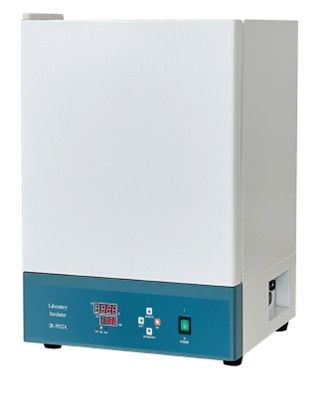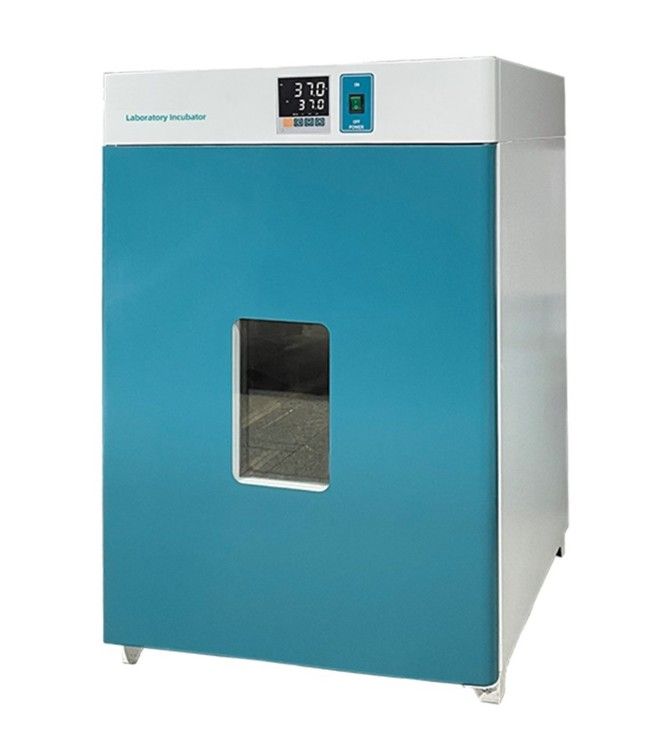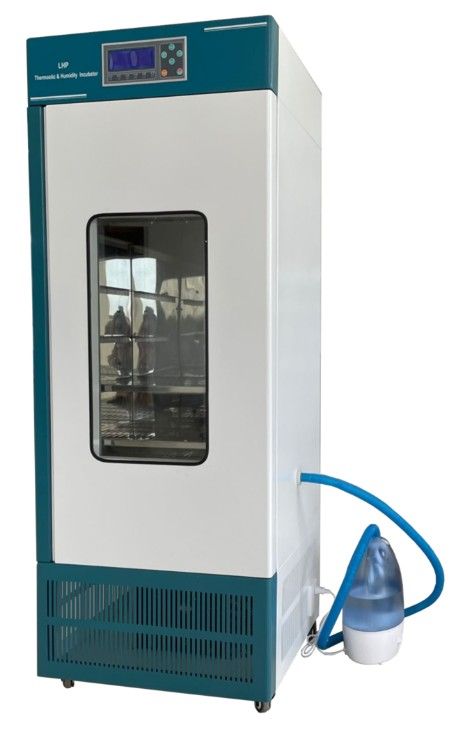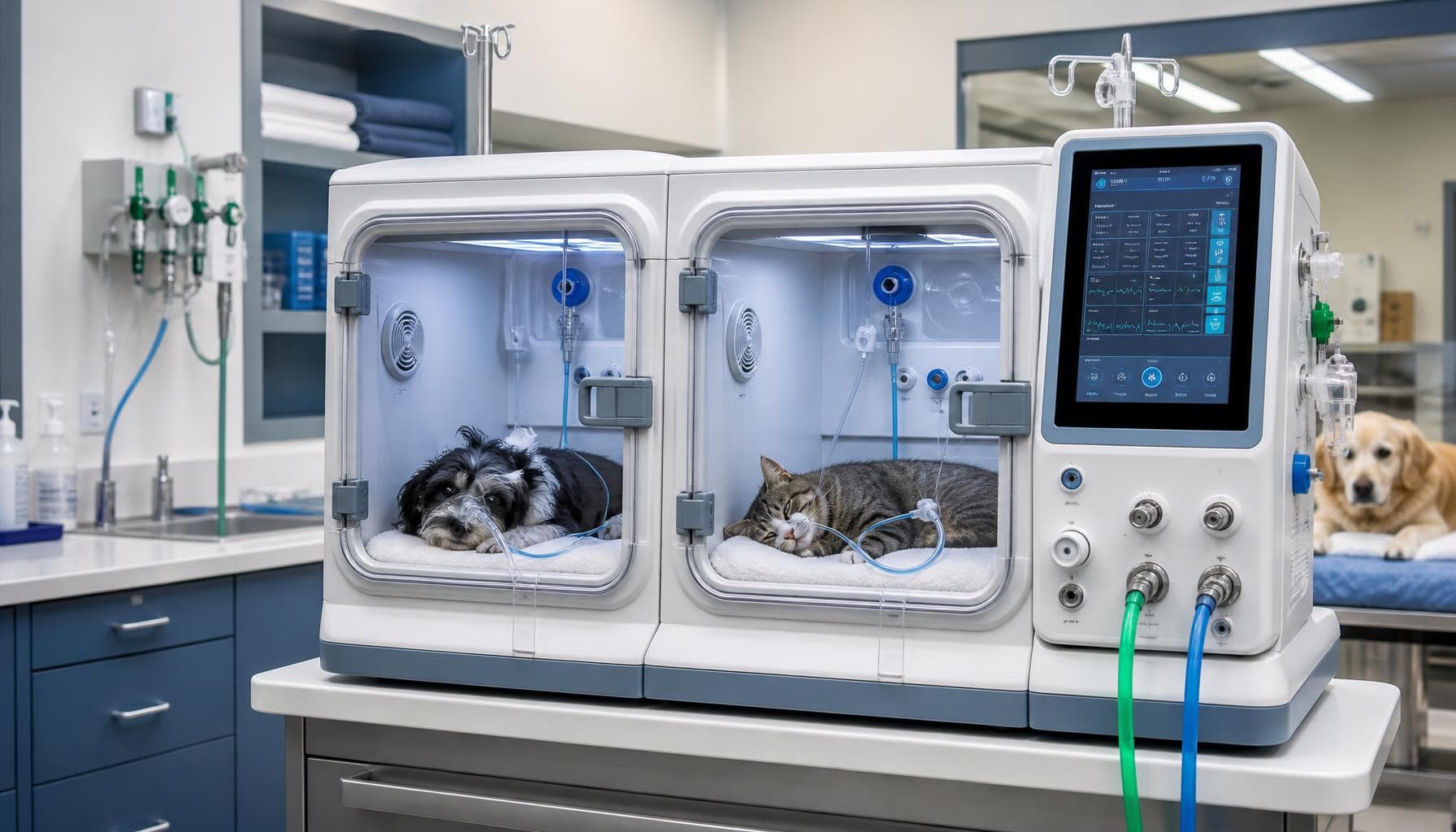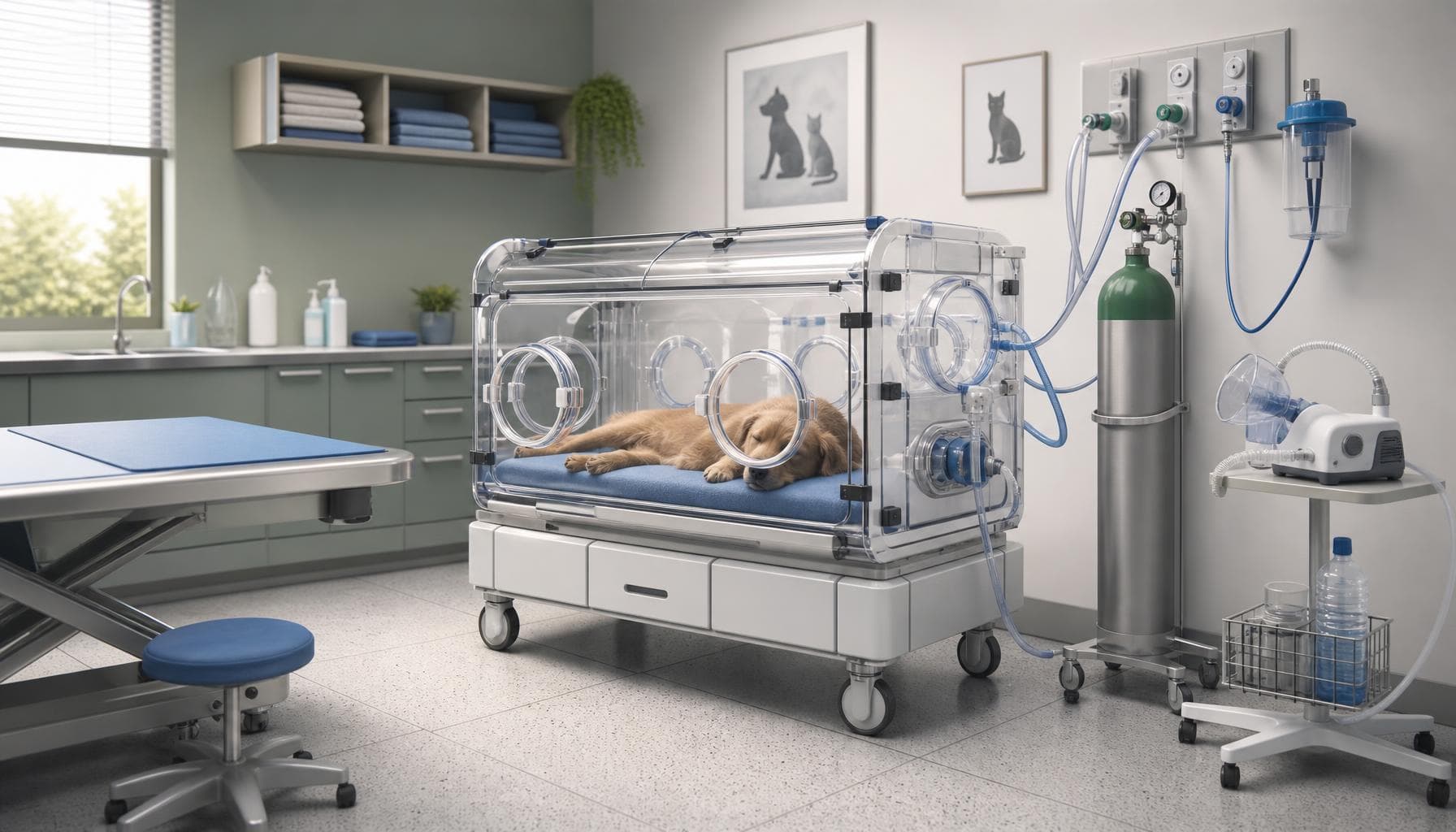
Veterinary clinics rarely replace an incubator because temperature control alone has stopped being useful. Earlier obsolescence usually comes from a narrower problem: the unit cannot accommodate the monitoring, oxygen, humidification, nebulization, documentation, electrical supply, or replacement parts the clinic later needs.
For procurement teams, the practical question is not whether an incubator has a long list of functions. It is whether the specified configuration can remain serviceable when neonatal care, postoperative recovery, infusion-supported patients, or respiratory-support workflows expand. In veterinary settings, an animal-care incubator can provide a controlled enclosure for warming and observation, particularly for newborn and postoperative dogs and cats. That clinical value depends on the published capabilities, the installed accessories, and the support terms attached to the exact model ordered.
Evidence Available for This Decision
The available evidence for this comparison consists of manufacturer-supplied product information for three Pet ICU Incubator models: H-1801, H-1803, and H-1805. The supplied materials describe temperature control, monitoring displays, oxygen connections, humidification, nebulization, lighting, and other listed features.
No independent clinical evaluations, service-network documentation, regulatory certificates, electrical drawings, interoperability protocols, replacement-part catalogues, or price information were supplied. Procurement conclusions should therefore distinguish between a feature listed in a brochure and a capability confirmed in the purchase quotation or technical documentation.
- Published specifications can support a preliminary comparison of temperature range, cabinet size, power demand, listed monitoring parameters, and accessory placement.
- Published features do not establish connector compatibility, sensor calibration arrangements, spare-part lead times, local service coverage, import eligibility, or included consumables.
- Functions described as available by “special operation” should be clarified in writing before being treated as part of the clinic’s routine care capability.
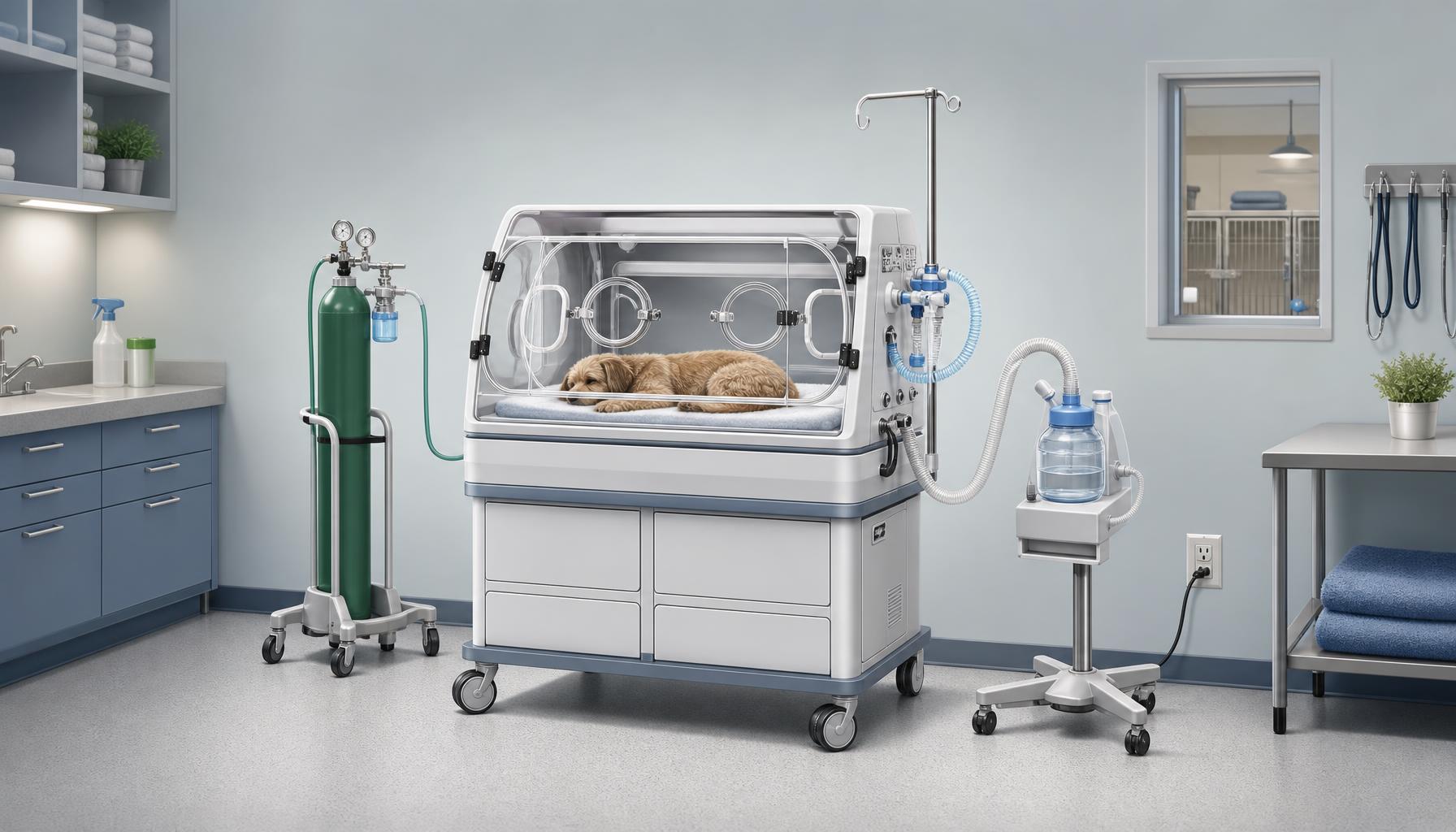
AI-generated illustration showing the procurement relevance of access space, utility routing, and accessory placement around a veterinary incubator.
What the Specifications Support
The three documented models share the same published cabinet dimensions of 88 × 55 × 47 cm, input power of no more than 400 VA, and stated ambient operating temperature of 10–35 °C. Each is listed with a cabinet temperature-control range of 15–38 °C, with up to 39 °C described as available through special operation.
The published temperature specifications also list fluctuation of no more than 0.8 °C, average chamber temperature variation of no more than 1.0 °C, and control accuracy of no more than ±0.5 °C. These values are useful for comparing the stated control envelope, but they do not replace confirmation of calibration documentation, probe replacement procedures, or acceptance testing at installation.
For a general small-animal practice, a temperature-controlled enclosure may principally support postoperative warming, infusion-supported patients, and neonatal recovery. In that setting, dependable temperature control, clear displays, manageable cleaning access, and prompt replacement of sensors or door components may matter more than a large collection of accessories.
A referral hospital or an emergency service managing a greater number of fragile neonatal or respiratory-compromised patients may place more weight on the listed oxygen connection, oxygen monitoring, humidification, nebulization, and alarm-related documentation. That does not make every accessory necessary for every clinic. It does mean the buyer should avoid assuming that a brochure-listed function can be added later without confirming physical ports, compatible accessory models, electrical requirements, and software or display support.
Upgrade paths that are genuinely useful
An upgrade path is credible only when the supplier can define what changes between the base unit and the later configuration. For an incubator, that usually means identifying whether a function is built into the cabinet, externally attached, optional at order, field-installable, or dependent on a separate device.
- Ask whether humidification and nebulization are integrated functions or require external components with separate maintenance needs.
- Ask whether oxygen monitoring is included with the ordered unit, optional, or dependent on a sensor with a defined replacement schedule.
- Ask whether temperature, humidity, carbon dioxide, and oxygen readings are measured by installed sensors or merely supported by the display platform.
- Ask whether future accessory additions require a factory technician, a software revision, a different power supply, or replacement of the control board.
The H-1805 brochure lists real-time temperature, humidity, and oxygen-concentration display; an oxygen connection with oxygen monitoring; an external humidifier; and an external nebulizer. Its supplied configuration notes specifically advise buyers to confirm the connector standard, included accessories, ordered voltage, sensor calibration documents, and replacement parts in the quotation.
Compare the Documented Configurations
The comparison below reflects the supplied manufacturer data only. Where the materials use different wording for monitoring or accessory arrangements, that distinction should remain visible during procurement rather than being treated as a minor naming variation.
| Decision point | H-1801 | H-1803 | H-1805 |
| Stated care use | Warm care for postoperative, infusion, and newborn animals | Warming and care for postoperative, infusion-supported, and newborn dogs and cats | Temperature-controlled care for postoperative, infusion-supported, and neonatal dogs and cats under veterinary supervision |
| Published monitoring description | Temperature, humidity, CO2 concentration, and nebulization listed for real-time monitoring | Temperature, humidity, CO2 concentration, and nebulization listed for real-time monitoring | Temperature, humidity, and O2 concentration listed for real-time display |
| Oxygen provision | Oxygen connection listed | Oxygen connection listed | Oxygen connection and O2 monitoring listed |
| Humidification and nebulization arrangement | Built-in humidifier and built-in nebulizer listed | Built-in humidifier and external nebulizer listed | External humidifier and external nebulizer listed |
| Published cabinet control range | 15–38 °C; up to 39 °C by special operation | 15–38 °C; up to 39 °C by special operation | 15–38 °C; up to 39 °C by special operation |
| Published size and input power | 88 × 55 × 47 cm; no more than 400 VA | 88 × 55 × 47 cm; no more than 400 VA | 88 × 55 × 47 cm; no more than 400 VA |
| Purchasing implication | Confirm whether CO2 monitoring and built-in accessories are installed, calibrated, and supported on the delivered configuration | Confirm the external nebulizer’s included components, placement, cleaning responsibilities, and replacement availability | Confirm oxygen connector standard, external accessory package, sensor documentation, voltage, and replacement parts |
The most consequential distinction is not cabinet size, because the supplied dimensions are the same. It is the documented arrangement of monitoring and accessories. A clinic planning to rely on oxygen monitoring should not substitute a general reference to an oxygen connection for confirmation that the ordered model includes an installed and supported oxygen-monitoring system.
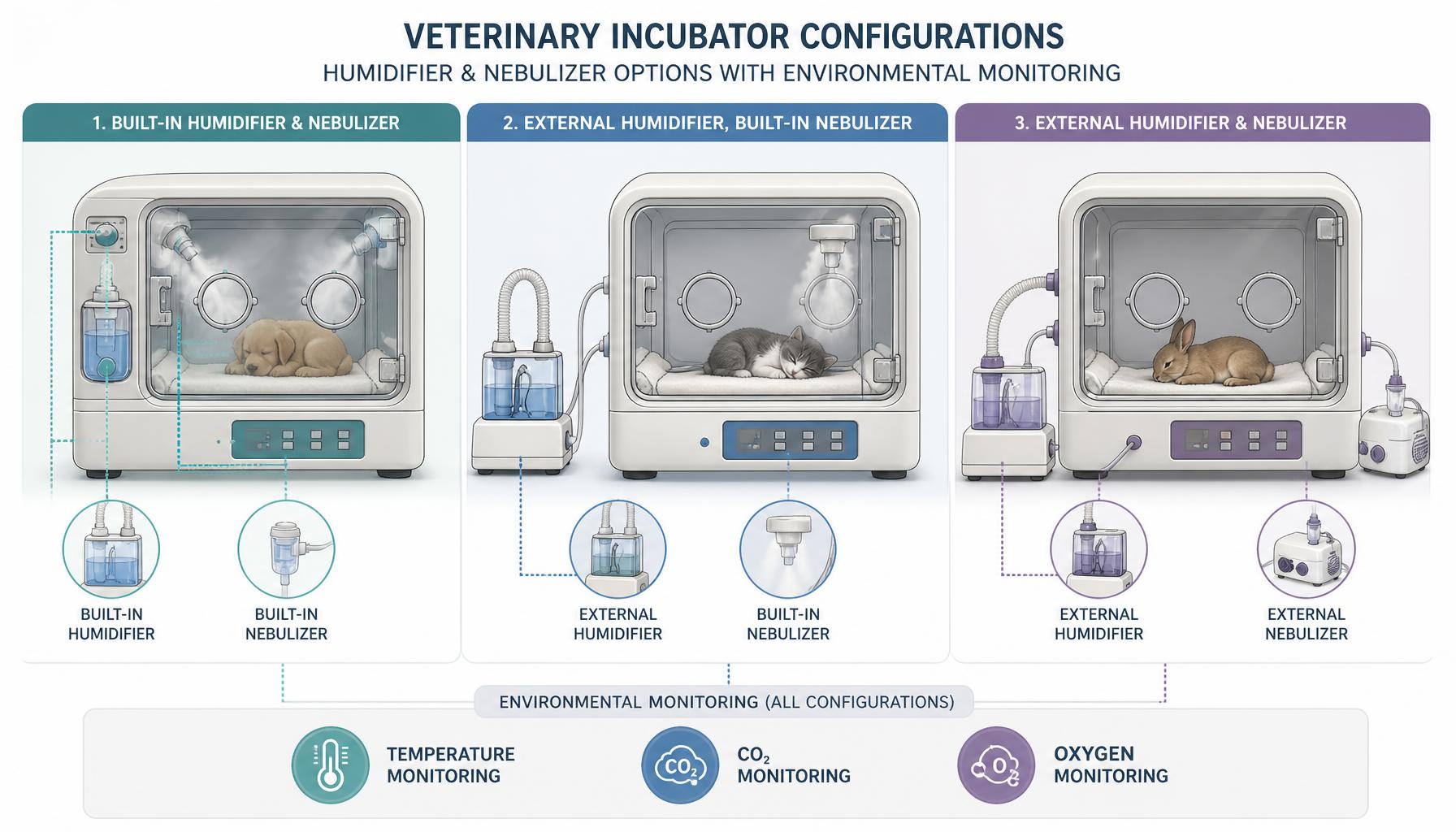
AI-generated illustration comparing accessory placement and monitoring options that should be confirmed at model level before purchase.
Prepare a Model-Specific Enquiry
Requesting a brochure again is not an adequate enquiry. A useful request converts broad feature language into an orderable configuration, with responsibilities assigned between manufacturer, distributor, installer, and clinic.
Confirm the delivered configuration
- Provide the complete model designation, ordered voltage, plug type, and packing list.
- State which sensors are physically installed at shipment and identify the parameters shown on the display.
- List all included humidification, nebulization, oxygen-connection, lighting, and disinfection-related components separately from optional accessories.
- Identify which listed functions require special operation, external equipment, consumables, or additional setup.
Clarify interfaces before planning an upgrade
For models with an oxygen connection, request the connector type and compatible oxygen-source requirements. This is particularly important where an incubator may be positioned near an oxygen concentrator or a centralized oxygen supply. The supplier should identify whether tubing, fittings, flow-control components, filters, and monitoring accessories are included, optional, or locally sourced.
Where nebulization is part of the intended workflow, establish whether the incubator’s listed nebulization function is an integrated system or an external device. If an external device is contemplated, confirm physical placement, power requirements, cleaning instructions, compatible consumables, and responsibility for maintenance. Clinics comparing dedicated respiratory-support equipment can also review the available nebulizer category, but should not assume cross-compatibility without documentation.
Request support documents, not assurances
- Ask for sensor calibration documents and the recommended calibration or verification process.
- Ask for the parts list covering sensors, door seals, filters, lamps, humidification components, nebulization components, and display or controller parts where applicable.
- Ask for warranty scope, exclusions, remote-support availability, on-site service options, and expected process for obtaining replacement parts.
- Ask for the certificates, declarations, import documentation, and electrical documentation applicable to the destination market before issuing a purchase order.
Certifications should be evaluated as documents tied to the offered model and destination, not as a general claim about a product family. None were supplied for the three models described here, so a purchaser should request the relevant documents directly from the seller or importer.
Procurement Implications
A clinic that needs a straightforward warming enclosure may reasonably prioritize the published temperature-control range, cabinet footprint, input power, cleaning access, display readability, and serviceability. The H-1801, H-1803, and H-1805 supplied data provide enough information to begin this comparison, but not enough to determine lifecycle cost or local support quality.
A clinic that expects its patient-care requirements to expand should focus less on the number of features printed on the product page and more on whether the delivered configuration has documented interfaces and support for its intended functions. For example, an external humidifier or nebulizer may be preferable if it can be independently maintained and replaced, but it also creates more components to specify, position, power, clean, and source. A built-in accessory may reduce bench-side clutter, but the buyer should ask whether failure of that accessory affects the availability of the entire incubator.
For the H-1805, the supplied product data makes a practical starting point because it explicitly identifies external humidification and nebulization, oxygen connection, oxygen monitoring, and a request to confirm connector standard, accessories, voltage, calibration documents, and replacement parts. The appropriate next step is a written, model-specific quotation that resolves those items before purchase.
In short, the lower-risk upgrade path is not necessarily the model with the most listed functions. It is the one for which the clinic can document what is installed now, what can be added later, what external interfaces are required, and how essential parts will be maintained over the equipment’s service life.

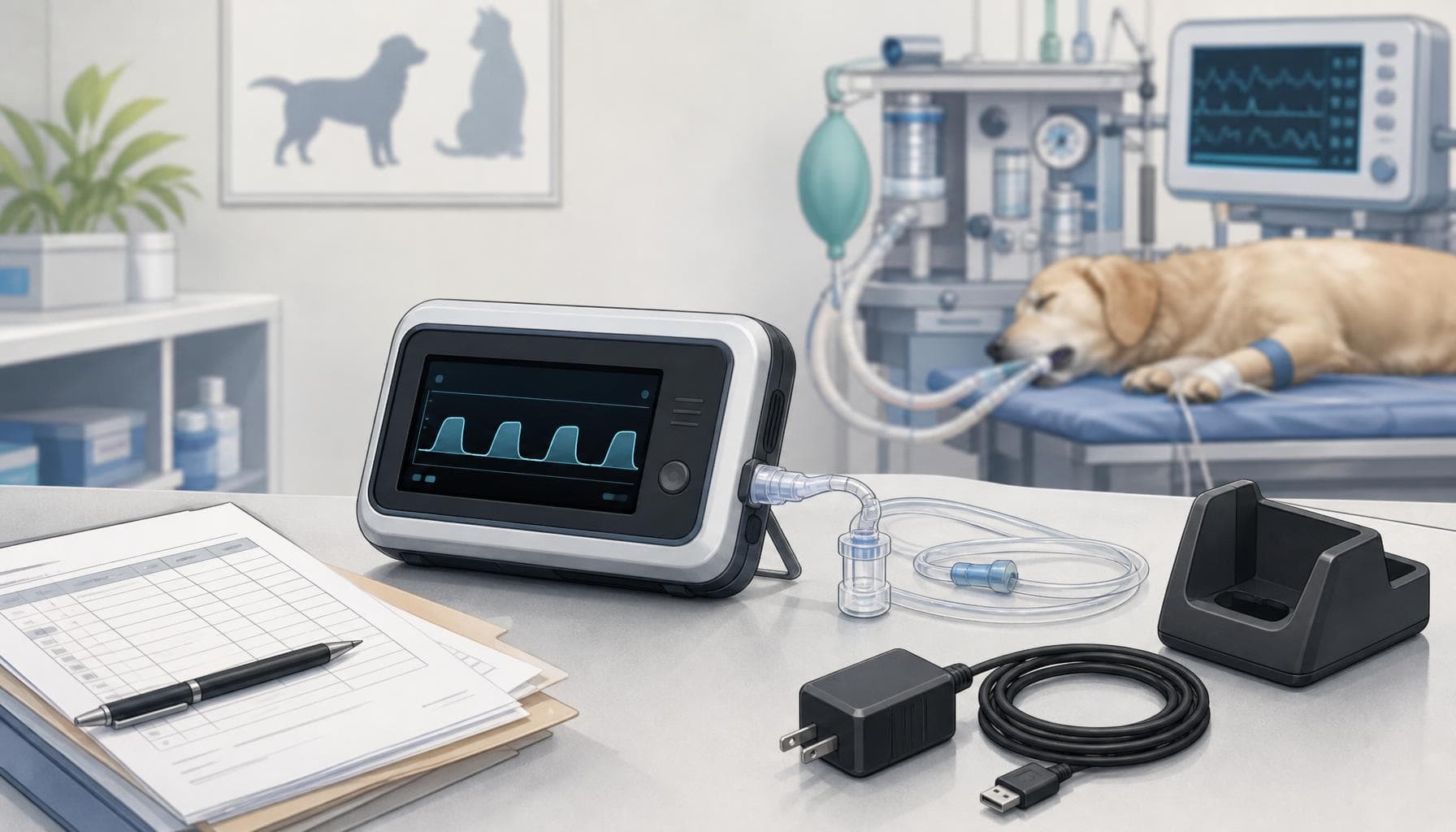
AI-generated illustration showing a veterinary procurement review focused on configuration documentation, service access, and future compatibility.