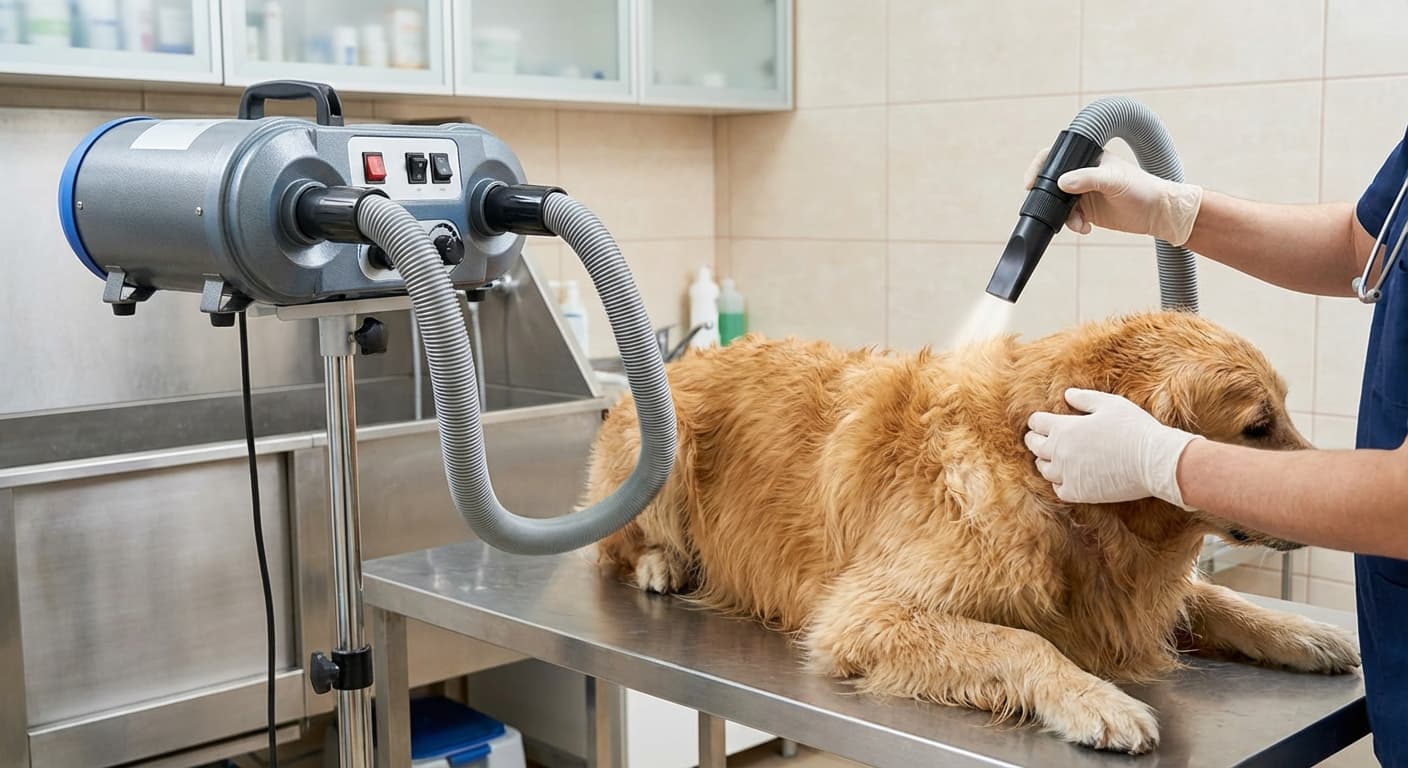
What is a dog blower? A dog blower, also called a high-velocity or force dryer, is a professional dryer that pushes a strong stream of air through a hose and nozzle to blow water and loose undercoat out of the coat, instead of relying mainly on heat to evaporate it. Groomers use it first, after the bath, and then finish with a stand dryer or a drying cabinet. HQS makes two blowers: the WB-1 with one motor (up to 2200 W, wind speed up to 48 m/s, heating up to 55 °C) and the WB-2 with two motors (2400–3600 W, wind speed up to 78.85 m/s, adjustable speed and heat, about 3 m telescopic hose). The VD series are enclosed drying cabinets that dry one or two pets at a time.
Selecting the optimal drying equipment dictates workflow efficiency, acoustic stress in sensitive canine patients, and long-term facility utility costs. This comprehensive B2B procurement framework unpacks the core metrics of a dog grooming dryer for professional salons: types, airflow & selection guide variables, helping procurement managers calculate Total Cost of Ownership (TCO) while securing highly durable, clinical-grade equipment.
Define Your Requirements First
Analyze your facility's operational demands and infrastructure before evaluating individual equipment specifications. A systematic needs analysis prevents over-purchasing and ensures functional alignment with clinical workflows. Procurement teams must conduct a thorough audit of their daily volume and physical environment.
Patient Volume Analysis: Quantify the daily throughput of large double-coated breeds versus small felines. High-volume environments require robust motor capacities to reduce per-animal processing time.
Acoustic Sensitivity Audits: Evaluate the physical proximity of the grooming station to active surgical suites, consultation rooms, or recovery wards. Strict decibel limits must be enforced to maintain a low-stress veterinary environment.
Electrical Infrastructure: Assess existing circuit capacities. Implementing multiple 2400W dual-motor blasters on standard 15-amp circuits will cause disruptive breaker trips; dedicated 20-amp lines may be required.
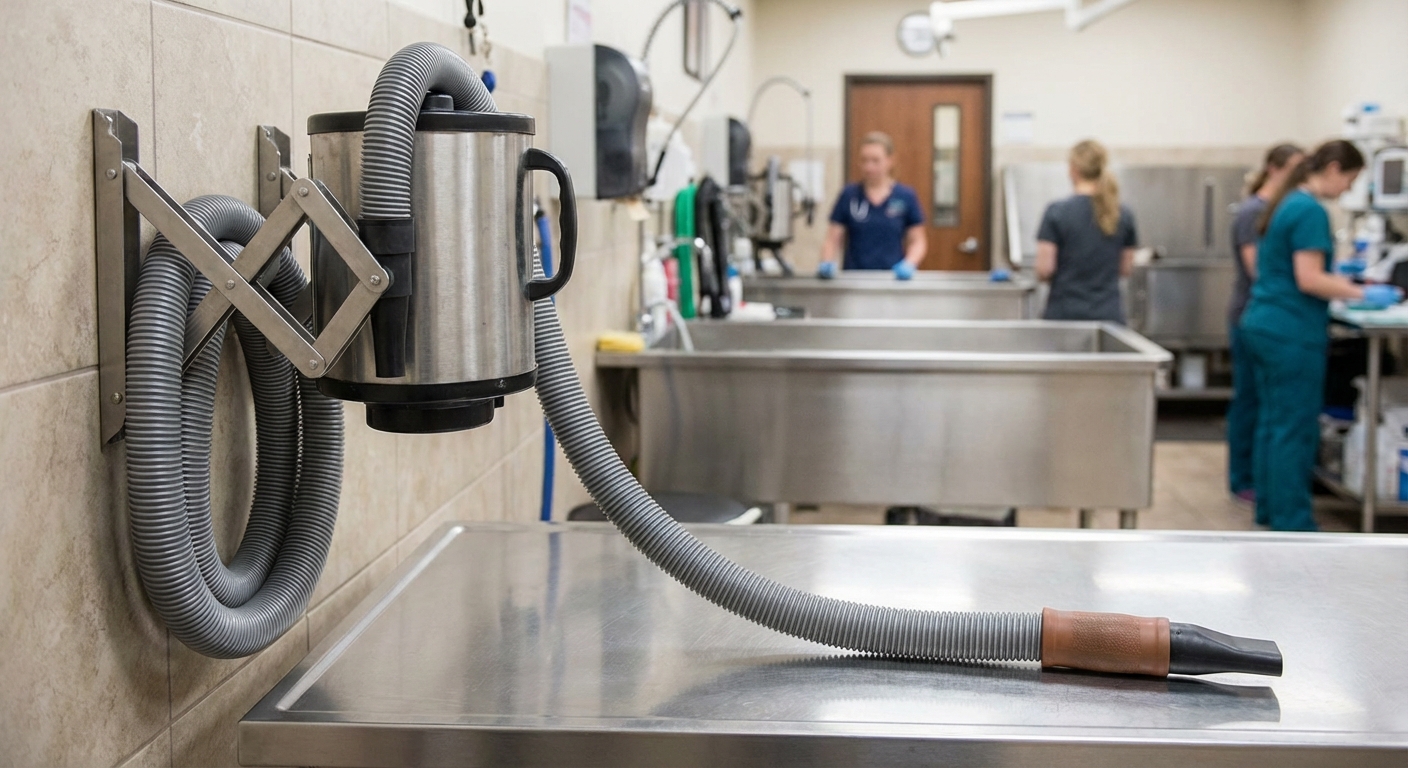
Spatial Configuration: Measure available floor and wall space to decide between mobile stand units, permanent wall-mounted brackets, or compact table-top models.
Compare Configurations Side by Side
HQS Medical offers a comprehensive Pet Dryer product line engineered to meet diverse veterinary demands. The following matrix contrasts distinct architectures to aid technical selection.
| Model | Type | Key specifications | Typical use |
|---|---|---|---|
| WB-1 | Blower, single motor | Up to 2200 W; wind speed up to 48 m/s; heating up to 55 °C; telescopic hose | Everyday drying in small and mid-size salons |
| WB-2 | Blower, double motor | 2400–3600 W, 110–240 V; wind speed up to 78.85 m/s; adjustable speed and heat (up to 75 °C); about 3 m hose | High-volume salons and thick-coated large breeds |
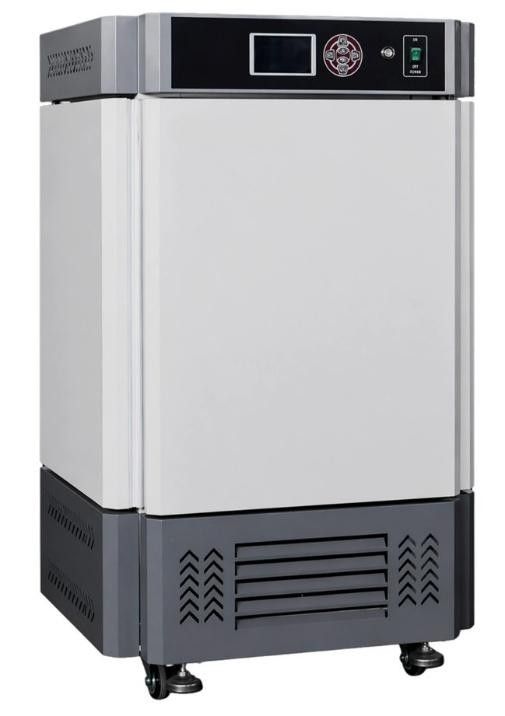
| VD-U7 | Drying cabinet | 1200 W, 220 V; 26 air outlets; inner size 46 × 38.5 × 45 cm | One small dog or cat (about 8 kg) |
| VD-U4+ | Drying cabinet | 1200 W, 220 V; 16 air outlets per layer | Two small dogs or cats (about 8 kg each) |
| VD-U2 | Drying cabinet | 1300 W, 220 V; 32 air outlets; inner size 45.6 × 56.3 × 55.4 cm | One medium dog (about 20 kg) |
| VD-U1S | Drying cabinet | 2500 W, 220 V; 58 air outlets; inner size 86.3 × 48.3 × 67.4 cm | Two medium dogs (about 20 kg) or one large dog |
Calculate Total Cost of Ownership
The initial procurement cost represents merely a fraction of the actual capital expenditure. Professional facility buyers must calculate the 36-month Total Cost of Ownership (TCO) using verifiable empirical variables rather than relying solely on the sticker price.
Capital Expenditure (CapEx): The base unit price combined with necessary auxiliary hardware, such as hydraulic stands, heavy-duty wall brackets, or specialized concentrator nozzles.
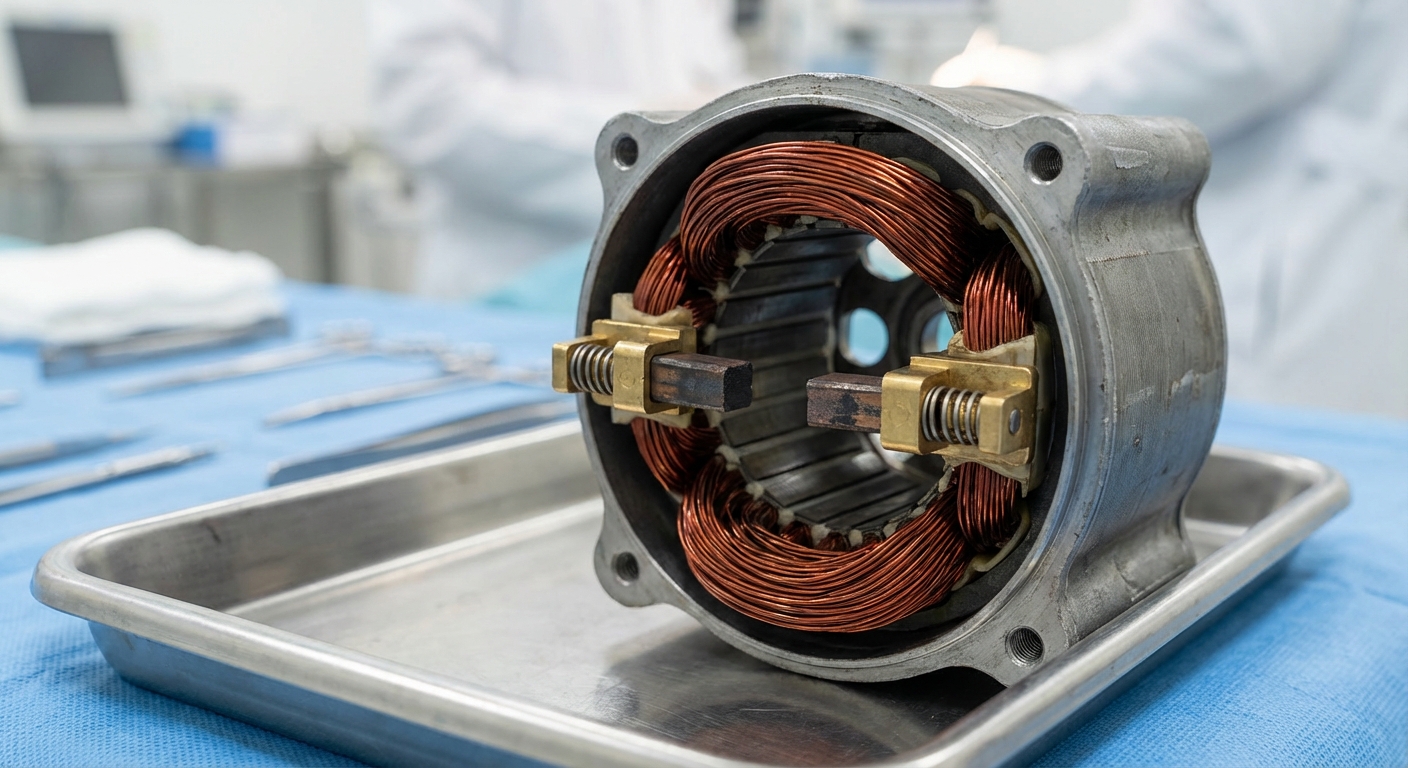
Consumables Factor: The replacement frequency of carbon brushes. Check the motor manual for the recommended brush inspection and replacement interval. Factor in the cost of OEM filtration sponges over three years.
Utility Load Analysis: Energy consumption rates (measured in Watts) multiplied by average daily operating hours and local commercial electrical tariffs. Dual-motor units draw significantly more current, impacting monthly overhead.
Lifespan Depreciation: Assess the unit's value over a standard 5-year commercial lifecycle, factoring in potential downtime costs if a machine requires off-site servicing.
Analyze Internal Motor Architecture
The core powerplant of any veterinary drying unit dictates its longevity and maintenance schedule. Procurement teams must differentiate between available electromechanical designs to align with their maintenance capabilities.
Standard Carbon Brush Motors: The industry standard for cost-effective, high-velocity output. These require routine maintenance to replace the brushes before they wear down to the commutator, which prevents catastrophic motor failure.
Brushless DC (BLDC) Motors: While commanding a higher initial premium, BLDC technology eliminates friction-based brush wear. These systems usually last longer and use energy more efficiently.
Variable Frequency Drives (VFD): Units equipped with advanced circuitry allow for seamless, step-less control over air velocity. This prevents power surges and offers granular control over aerodynamic shear stress applied to the animal's coat.
Evaluate Hose & Nozzle Aerodynamics
Airflow generation is only half the equation; the delivery mechanism dictates the operator's ergonomic safety and the actual water-displacement efficiency at the skin level.
Material Thermal Stability: Hoses must be constructed from high-grade Thermoplastic Polyurethane (TPU) rather than standard PVC. TPU resists thermal expansion and maintains flexibility even when heated air passes through continually.
Heat Deflection: The handles and nozzle grips must feature dual-layer insulation. Uninsulated nozzles can cause thermal discomfort or mild burns to the technician's hands during continuous 45-minute operating cycles.
Aerodynamic Attachments: Flat concentrator nozzles provide a sweeping air blade ideal for shedding water off flat coats, while conical nozzles increase localized velocity (m/s) to penetrate dense undercoats and separate matted fur.
Safety Thresholds & Evidence-Based Parameters
Animal welfare dictates strict operational boundaries. Clinical equipment must operate within physiological safety margins to prevent thermal injury, heatstroke, and acoustic trauma in non-sedated patients.
Thermal Output Limits: Use the lowest heat setting close to the skin, keep the nozzle moving and never aim heated air at one spot; hot air can burn sensitive canine or feline skin.
Acoustic Baselines: High-velocity dryers are loud. Use the lowest effective speed, give nervous animals time to adjust, consider ear protection for the animal, and provide hearing protection for staff in busy drying rooms.
Airflow Velocity Caps: Maximum nozzle velocity should be strategically limited when drying facial or auricular regions. High-velocity blasts near the eyes or ear canals can cause severe localized trauma or extreme panic responses.
Assess Operational Scenarios
Matching the specific dryer architecture to the exact operational environment drastically improves technician ergonomics and patient compliance.
High-Volume Boarding Facilities: These environments demand dual-motor blasters to shear water off double-coated breeds rapidly. The operational priority is maximum velocity to minimize processing time, ideally utilized in isolated, acoustically dampened wet rooms.
Veterinary Surgical Recovery Wards: Drying a patient post-bathing or post-procedure demands exceptionally quiet, variable-speed units with precise ambient heating. Systems equipped with soft-start motor technology significantly minimize patient startle reflexes upon activation.
Mobile Grooming Units: Strict weight limitations and finite electrical draw restrictions make high-efficiency, low-amperage single-motor units the optimal specification for generator-powered or inverter-reliant mobile setups.
CE, ISO & Safety Compliance Check
Procurement documentation must include valid, verifiable certification files. Regulatory compliance is not optional; it ensures foundational electrical safety in high-moisture clinical environments.
IEC 60335-2-23 Compliance: Verifies that the appliance meets rigorous international safety standards specifically drafted for skin and hair care electrical equipment.
Ingress Protection (IP Rating): Professional wet-room equipment must possess a minimum IPX4 rating, certifying structural protection against splashing water from all directions.
Electromagnetic Compatibility (EMC): Ensures the high-draw motors do not emit electrical interference that could disrupt adjacent sensitive veterinary diagnostic or monitoring equipment.
RoHS Certification: Guarantees the restriction of hazardous substances, ensuring that no toxic elements (like lead or cadmium) off-gas from heated plastic components during operation.
Establish 4 Negotiation Leverage Points
Purchasing managers can optimize capital outlay by framing supplier negotiations around long-term utility, consumable support, and comprehensive risk mitigation rather than merely arguing over the base unit price.
Maintenance Inclusions: Request complimentary sets of replacement carbon brushes and primary air intake filters covering the first 24 months of anticipated operation.
Fleet Standardization Discounts: Leverage bulk purchasing scale when outfitting multiple grooming stations, upgrading entirely to a unified HQS Medical ecosystem.
Optimized Logistics: For heavy multi-unit shipments or bulky stand dryers, stipulate Delivered Duty Paid (DDP) terms to eliminate unexpected freight handling and customs surcharges.
Apply Supplier Evaluation Scorecard
Vendor infrastructure reliability is as critical as the hardware specification. Evaluate potential manufacturing partners using a standardized B2B grading rubric before issuing purchase orders.
Component Sourcing Integrity: Audit whether the manufacturer utilizes heavy-duty copper-wound motors or relies on inferior, heat-prone aluminum alternatives.
Supply Chain Transparency: Verify that the supplier guarantees the continuous availability of replacement hoses, specialized nozzles, and internal circuitry for a minimum of 5 years post-purchase.
Quality Assurance Protocols: Determine if the factory conducts individual unit burn-in testing prior to shipping, or if they merely rely on randomized batch sampling.
After-Sales Technical Support: Assess the manufacturer's engineering response time for troubleshooting electromechanical failures, particularly across different international time zones.
Frequently Asked Questions
What is the recommended decibel level for an animal grooming dryer?
There is no single legal limit for animals, but quieter is better. Choose a dryer with adjustable speed, use lower settings for nervous animals and around the head, and give staff hearing protection when dryers run for long periods.
How often should carbon brushes be replaced in high-velocity motors?
Follow the interval in the motor manual. In busy salons, check the brushes regularly and replace them before they wear down to the commutator, which prevents permanent motor damage.
Does variable heat control impact the equipment's lifespan?
Yes. Utilizing independent heating elements allows the primary motor to operate without excessive thermal stress. However, in high-velocity units, utilizing the ambient heat naturally generated by motor friction—rather than relying on auxiliary heating coils—can actually extend the functional lifespan of the internal electronic components.
Are dual-motor dryers safe for small felines and toy breeds?
Dual-motor units such as the WB-2 can reach very high air speeds (up to 78.85 m/s), which can cause respiratory distress or ocular damage in small animals. If a dual-motor unit must be used, it must feature variable speed control (VFD) and be dialed down to its lowest setting, utilizing a wide-dispersion nozzle when handling felines or toy breeds.
Strategic Procurement Advice
Finalizing a commercial purchase requires balancing upfront capital expenditure against empirically verified performance metrics. Implement a weighted scoring matrix to evaluate potential models. Assess motor architecture durability against your anticipated daily patient volume, verify acoustic parameters to guarantee animal welfare compliance, and strictly audit the supplier's adherence to IEC safety protocols. By systematically prioritizing equipment that offers transparent access to maintenance components, veterinary facility managers secure a highly reliable, high-ROI clinical asset that actively enhances daily processing efficiency and operational safety.