Economics of Veterinary Procurement
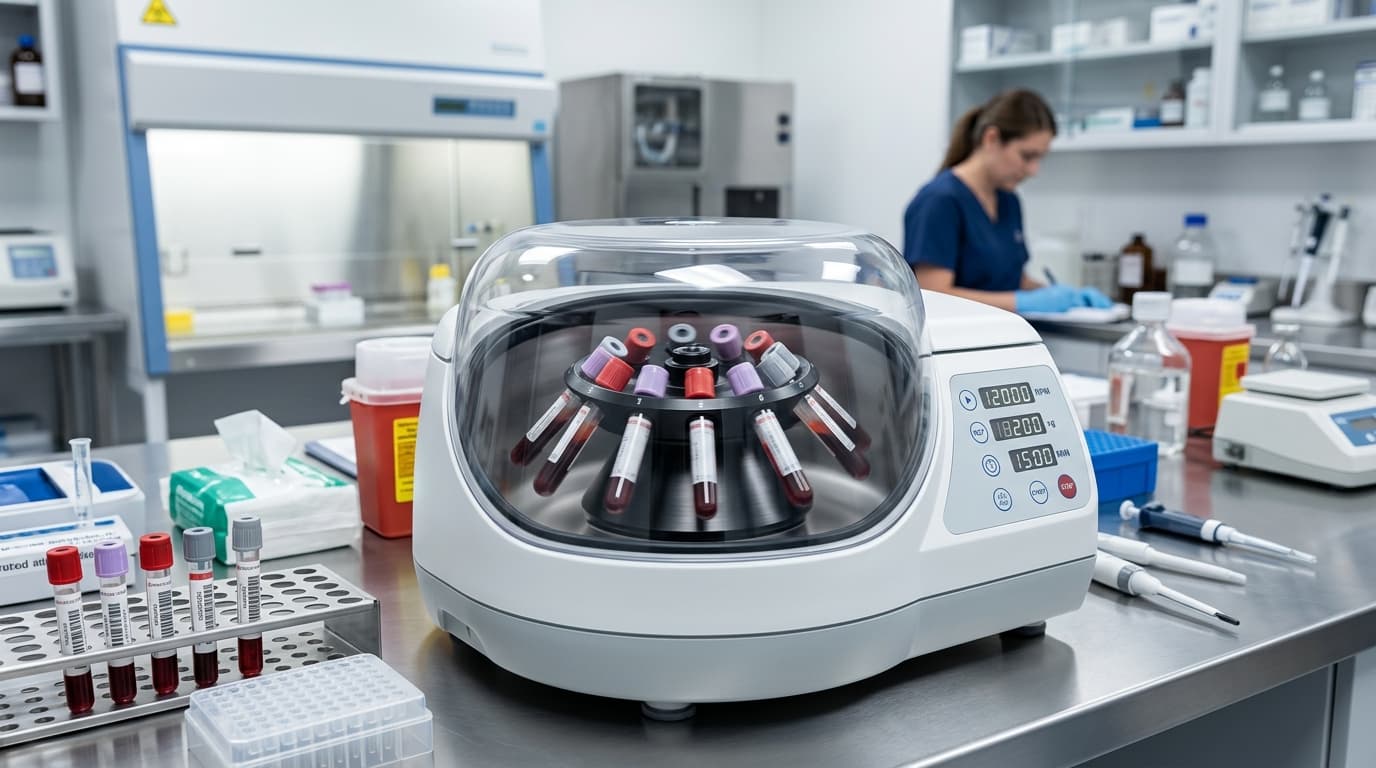
Procuring reliable diagnostic equipment is a critical financial decision for any modern animal health facility. The primary step in hematological and biochemical analysis involves accurate sample separation, making the selection of laboratory devices a foundational aspect of operational efficiency. Evaluating equipment based on total cost of ownership (TCO) requires an analysis of initial capital expenditure, consumable costs, maintenance frequency, and device longevity.
For procurement managers, focusing on a comprehensive selection framework for sample processing devices ensures that diagnostic bottlenecks are minimized. A robust clinical laboratory setup reduces outsourced testing fees, accelerates diagnostic timelines, and significantly improves the facility's return on investment (ROI). Proper evaluation of motor durability, rotor versatility, and precise speed calibration directly impacts the long-term economic viability of the in-house laboratory.
Engineering Standards & Quality
The core of any rotational sample processor lies in its motor architecture and rotor metallurgy. Traditional brushed DC motors have largely been phased out in premium medical-grade equipment due to carbon dust generation and brush wear, which demand frequent servicing. Modern facilities prioritize brushless DC (BLDC) motors, which offer frictionless operation, significantly reduced thermal output and lower noise.
Rotor construction dictates both safety and aerodynamic efficiency. High-strength aluminum alloys and carbon fiber composites are the industry benchmarks, providing the necessary tensile strength to withstand extreme centrifugal forces without structural deformation. Furthermore, advanced microprocessor controls enable precise acceleration and deceleration profiles, preventing sample resuspension—a critical engineering standard for maintaining the integrity of fragile lipemic or hemolyzed samples.
| Centrifuge Type | Typical RPM / RCF Range | Ideal Clinical Scenario |
|---|---|---|
| Microhematocrit (PCV) | 10,000 - 15,000 RPM | Rapid packed cell volume, ER diagnostics |
| Clinical Low-Speed | 3,000 - 5,000 RPM | Standard serum, plasma, and urine separation |
| High-Speed Microcentrifuge | Up to 16,000 RPM | Molecular diagnostics, specialized biochemistry |
| High-Capacity Benchtop | 4,000 - 6,000 RPM | High-volume multi-practitioner hospitals |
Industry vs. Medical-Grade Standards
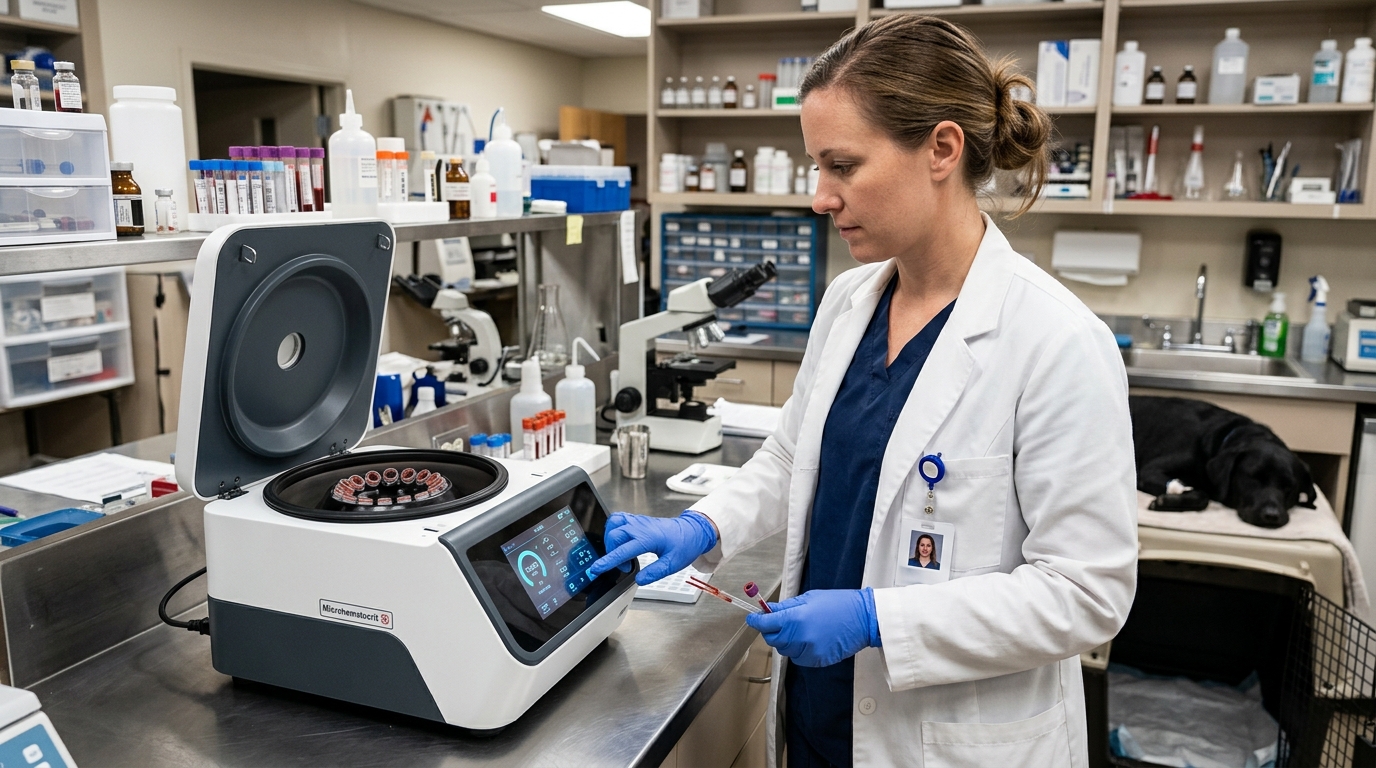
Distinguishing between general laboratory devices and medical-grade clinical units is paramount for diagnostic accuracy. Medical-grade equipment is engineered to comply with stringent regulatory frameworks, such as IEC 61010-2-020, which outlines specific safety requirements for electrically operated laboratory centrifuges. These standards mandate hardware interlocks that prevent lid opening while the rotor is in motion and require containment enclosures capable of withstanding catastrophic rotor failure.
Furthermore, medical-grade units incorporate automatic imbalance detection systems. If a sample load is asymmetrical, an imbalance sensor stops the cycle to prevent bearing damage or unit displacement. In contrast, standard industry devices may lack these autonomous safety interventions, transferring the risk of operational failure entirely to the laboratory technician and compromising continuous clinical workflows.
Safety Thresholds & Evidence-Based Parameters
Clinical sample preparation demands strict adherence to specific operational parameters to yield accurate diagnostic results. For Packed Cell Volume (PCV) determination, the required Relative Centrifugal Force (RCF) must reach approximately 10,000 to 12,000 x g. Processing times typically run for 3 to 5 minutes. Deviating from these thresholds can result in incomplete cellular packing, artificially elevating the hematocrit reading.
For serum and plasma separation, lower RCF values are mandated to prevent cellular lysis. Clinical guidelines stipulate processing at 1,500 to 2,000 x g for 10 minutes. Temperature control is another critical safety threshold; continuous operation at high speeds generates friction-induced heat. Keeping the chamber close to room temperature during the run helps prevent the degradation of heat-sensitive enzymes prior to processing in a chemistry analyzer.
Methodology & Verification Protocol
To ensure diagnostic integrity, rigorous verification protocols must be established. Technical evaluation of rotational speed accuracy involves utilizing a NIST-traceable optical tachometer. Measure the speed under a full load and compare it with the tolerance stated in the manufacturer's documentation.
Vibration analysis forms the second phase of verification. Using triaxial accelerometers mounted to the chassis, engineers measure lateral and vertical displacement during maximum acceleration. Acceptable mechanical vibration limits are strictly defined; exceeding these limits indicates premature bearing wear or micro-fractures in the rotor structure, prompting immediate recalibration or component replacement.
ROI through Workflow Optimization
Empirical data highlights significant variations in equipment performance across different clinical environments. In an Emergency and Critical Care (ER ICU) setting, rapid turnaround times are non-negotiable. High-speed microhematocrit devices allow clinicians to obtain vital PCV and total protein data within three minutes, directly influencing immediate fluid therapy and transfusion decisions. This rapid processing velocity maximizes the throughput of critical cases.
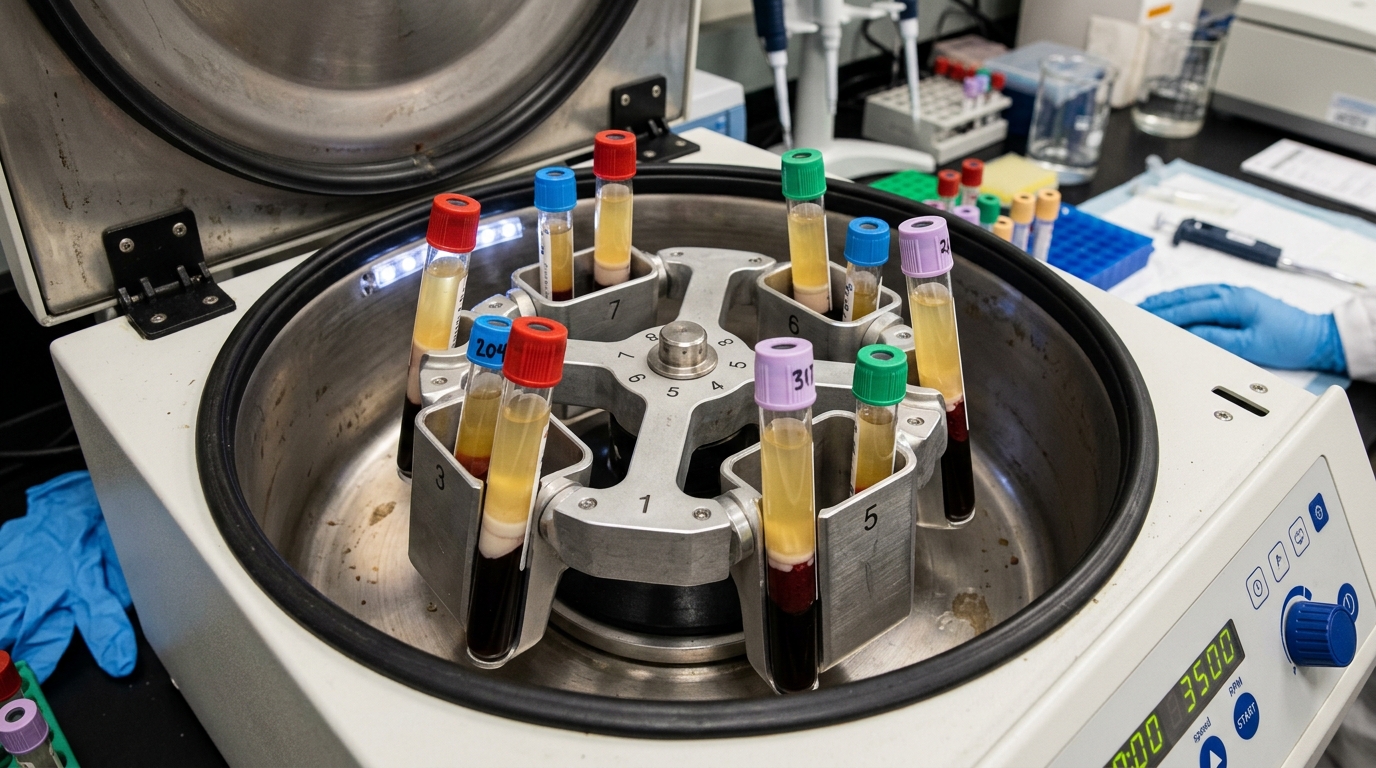
Conversely, in high-volume general outpatient practices, workflow optimization relies on batch processing. A versatile benchtop unit equipped with a swing-bucket rotor enables technicians to process multiple blood and urine samples simultaneously. This parallel processing eliminates laboratory bottlenecks, ensuring that samples are promptly prepared for evaluation in a hematology analyzer, thereby increasing the daily diagnostic capacity and operational profitability of the clinic.
The HQS Medical Value Proposition
In addressing the diverse needs of veterinary laboratories, HQS Medical offers a precision-engineered portfolio designed for both durability and clinical exactness. For standard outpatient workflows, the Centrifuge 80-2A is a low-speed unit for daily serum, plasma and urine separation: maximum 4,000 r/min (2,325 × g), 12 × 20 ml tubes and a 0–30 minute timer.
For facilities demanding rigorous, specialized diagnostics, the advanced high-speed series—including the High Speed Centrifuge HC - 16A, along with the HC - 16C, HC - 16L, and HC-20C models—covers higher-speed work. The HC-16 models reach 16,000 RPM (17,000 × g) with a standard 1.5/2 ml × 12 rotor, and the HC-20C reaches 20,000 RPM (27,800 × g), with optional rotors up to 100 ml × 4. All four use brushless motors and have over-speed and imbalance alarms.
Procurement Checklist for Managers
Procurement professionals should utilize a structured evaluation matrix when assessing laboratory sample processing equipment. First, evaluate rotor versatility: assess whether the unit supports interchangeable rotors (e.g., microhematocrit, standard tube, and PCR strip rotors) to accommodate expanding diagnostic requirements without necessitating the purchase of a secondary machine.
Second, verify the presence of essential safety hardware. Confirm the inclusion of a dual-electronic lid interlock and an active imbalance detection sensor. Finally, analyze the manufacturer's warranty and technical support infrastructure. Comprehensive coverage that includes the primary motor assembly and control board is essential for mitigating long-term operational risks and protecting capital investments.

Maintenance for Equipment Longevity
Improper rotor balancing and poor routine cleaning are common causes of premature centrifuge wear. Micro-spills of biological fluids or broken glass can disrupt the aerodynamic balance of the rotor. Over time, even a fraction of a gram of imbalance at 15,000 RPM places immense lateral stress on the motor bearings, significantly reducing the lifespan of the device.
Implementing a strict maintenance protocol is crucial. Technicians must clean the internal chamber and rotor daily using non-corrosive, neutral pH disinfectants to prevent metallurgical degradation. Additionally, O-rings on sealed rotors should be inspected monthly and lubricated to maintain aerosol-tight containment, ensuring both equipment longevity and biological safety for laboratory personnel.
Frequently Asked Questions
What is the functional difference between RPM and RCF in sample processing?
Revolutions Per Minute (RPM) measures the speed of the rotor, while Relative Centrifugal Force (RCF), expressed as g-force, measures the actual gravitational pressure applied to the sample. RCF is the critical diagnostic metric, as it accounts for the rotor's radius. Clinical protocols dictate specific RCF values, not RPM, to ensure standardized sample separation.
How frequently should clinical laboratory equipment undergo calibration?
Medical-grade laboratory devices should undergo formal calibration verification at least annually. Facilities with exceptionally high sample throughput or those operating in 24/7 emergency settings should implement a bi-annual calibration schedule using NIST-traceable tachometers to verify speed accuracy and timer functionality.
Can one machine effectively process both PCV and standard serum samples?
Yes, provided the device features an adjustable speed interface and interchangeable rotors. A microhematocrit rotor is required to hold capillary tubes at the high speeds necessary for PCV, while a standard fixed-angle or swing-bucket rotor operating at lower speeds is required for standard blood collection tubes to prevent cellular rupture.
Strategic Procurement Advice
Standardizing laboratory equipment across a veterinary practice or hospital network yields significant operational dividends. Selecting devices that balance immediate diagnostic needs with future scalability ensures that the clinical laboratory remains a center of efficiency rather than a bottleneck. Procurement managers should prioritize TCO, focusing on motor architecture, safety compliance, and multi-rotor versatility.
By implementing strict evaluation frameworks and adhering to evidence-based performance parameters, healthcare administrators can confidently select technology that enhances diagnostic precision. Investing in high-quality, ISO-compliant instrumentation ultimately safeguards sample integrity, protects clinical personnel, and elevates the overall standard of diagnostic care provided to animal patients.