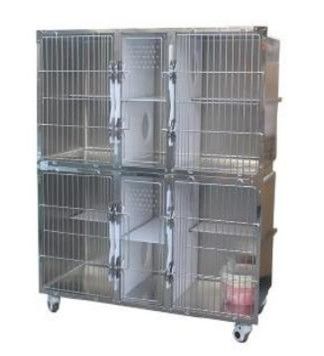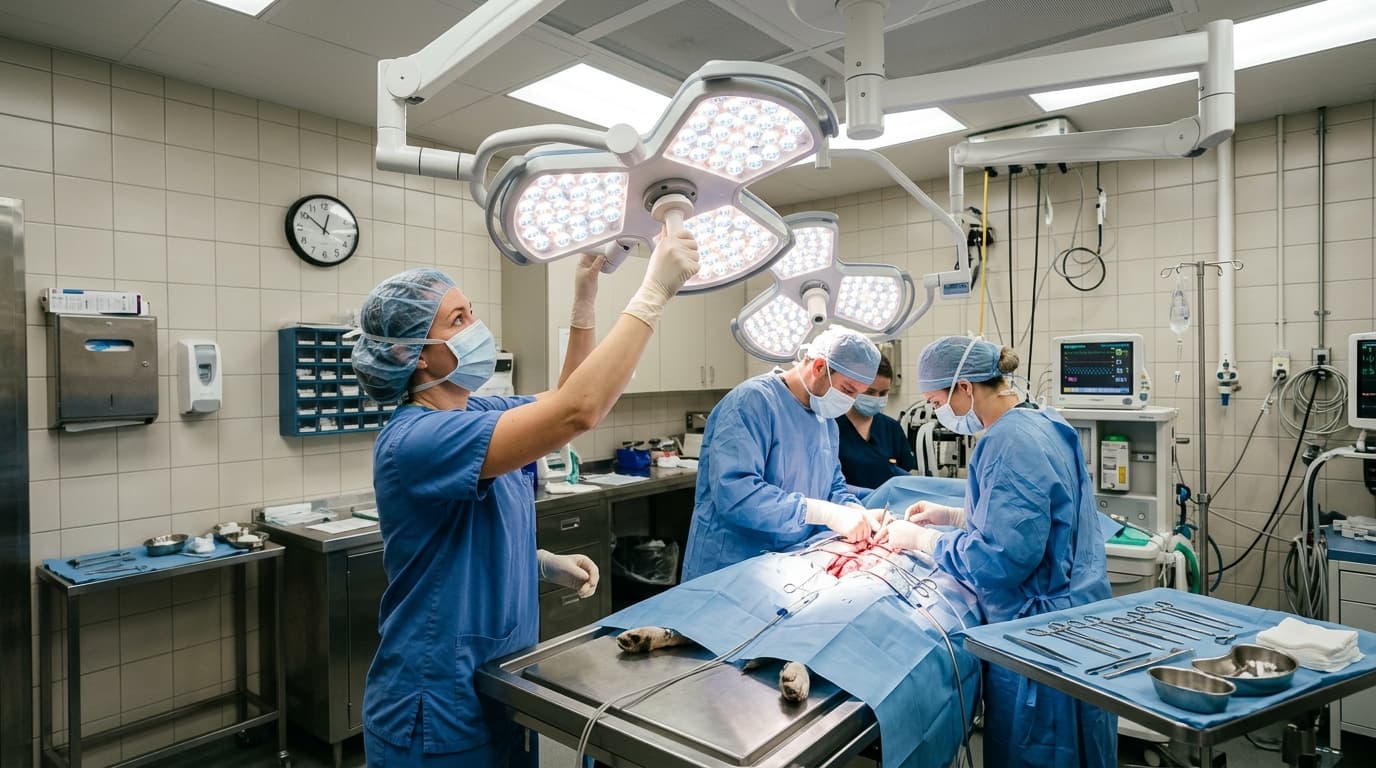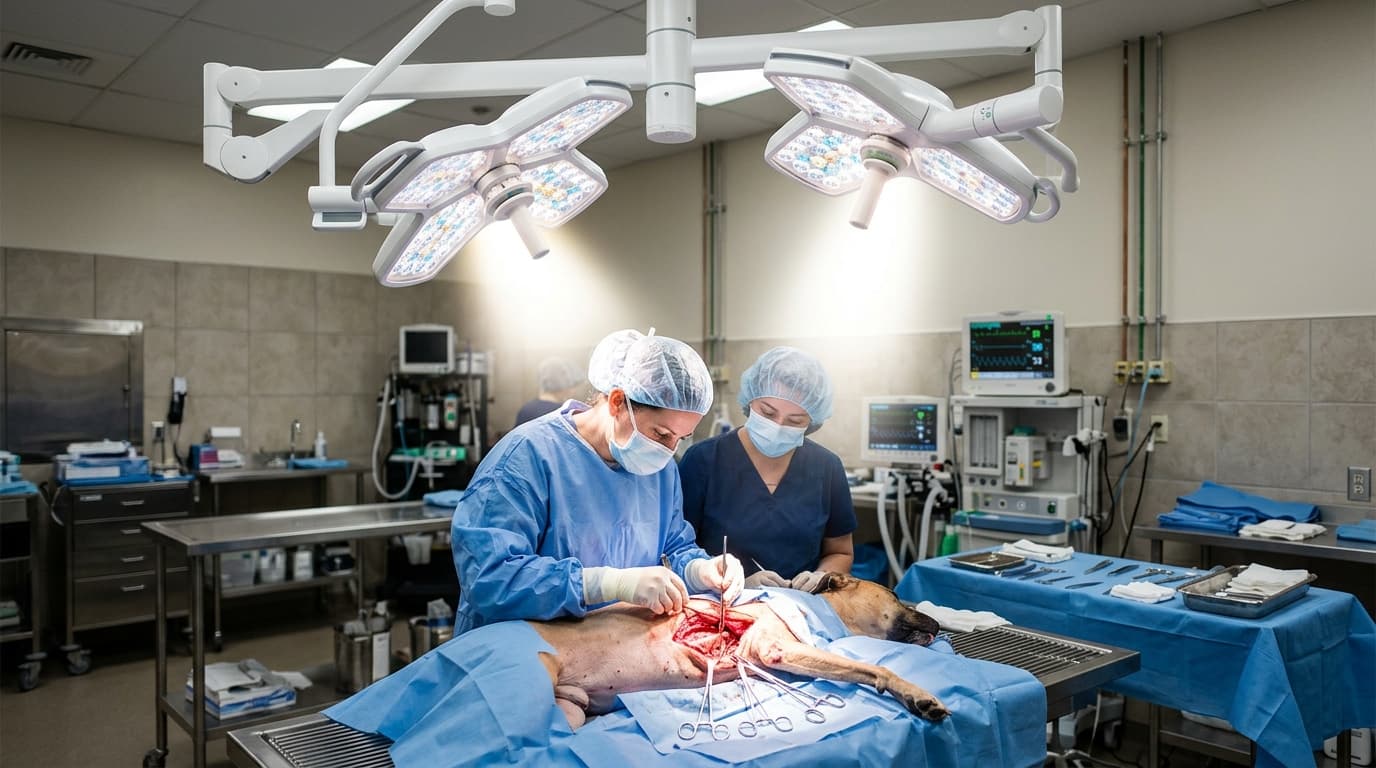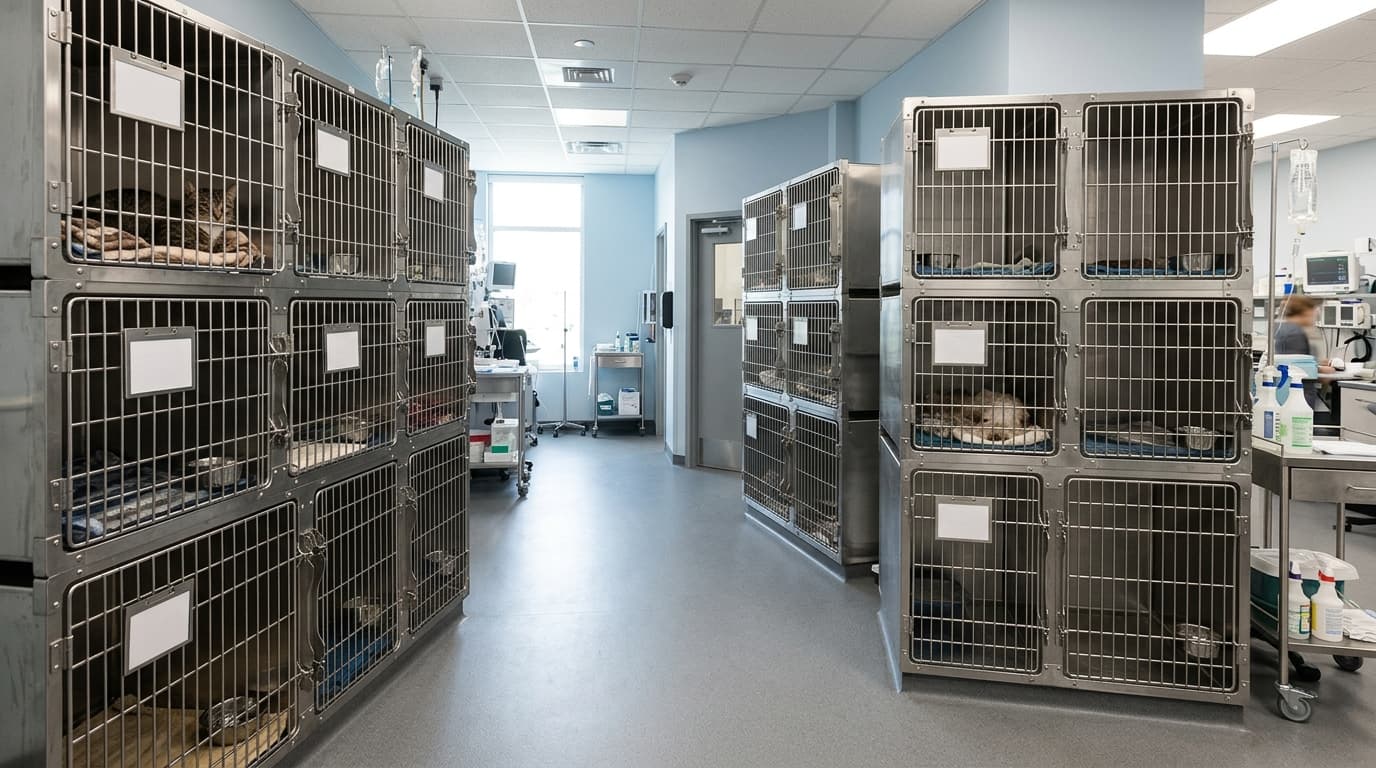
Facility audits consistently indicate that clinical technicians spend a significant portion of their shift on patient transfers, ward sanitation, and observation. The physical arrangement of a pet cage within a veterinary practice is not merely a spatial decision; it is a primary driver of operational efficiency. Poorly configured wards lead to traffic bottlenecks during emergency intakes and increase the risk of cross-contamination between infectious and healthy patients.
Implementing a modular approach to ward design allows clinical directors to adapt housing based on patient volume and acuity levels. By analyzing workflow metrics, facilities can transition from static holding areas to dynamic recovery zones that support medical staff rather than hinder them. This report evaluates the specific spatial configurations, mechanical reliability factors, and layout strategies required to optimize clinical throughput.
Efficiency Gains: 3 Layout Metrics That Speak
Workflow optimization relies heavily on the physical distance between high-acuity housing and treatment areas. Observational data from busy clinical environments suggests that optimizing spatial density can yield a 15-22% reduction in routine patient transfer times.
Based on HQS clinical observation, standard high-density wards without modular partitions routinely increase noise-induced stress markers in felines. Conversely, implementing staggered, forward-facing layouts reduces direct line-of-sight aggression by a measurable margin, directly lowering patient heart rates during the critical post-operative recovery phase. Furthermore, configuring dedicated stainless steel cage banks with specialized oxygen-therapy access ports cuts emergency setup time drastically.
- Aisle Clearance: Maintaining a minimum of 48 inches between cage banks prevents trolley collisions during peak shift changes.
- Vertical Zoning: Placing high-observation patients in middle-tier units improves ergonomic access for technicians conducting hourly vitals checks.
- Acoustic Buffering: Separating canine and feline wards with structural barriers or utilizing specialized sound-dampening panels limits auditory cross-stimulation.
3 Configurations That Cut Procedure Time
The operational demands of an emergency ICU differ fundamentally from a high-volume outpatient spay/neuter clinic. Selecting the correct configuration minimizes procedural friction.
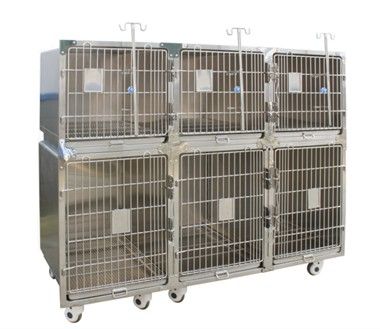
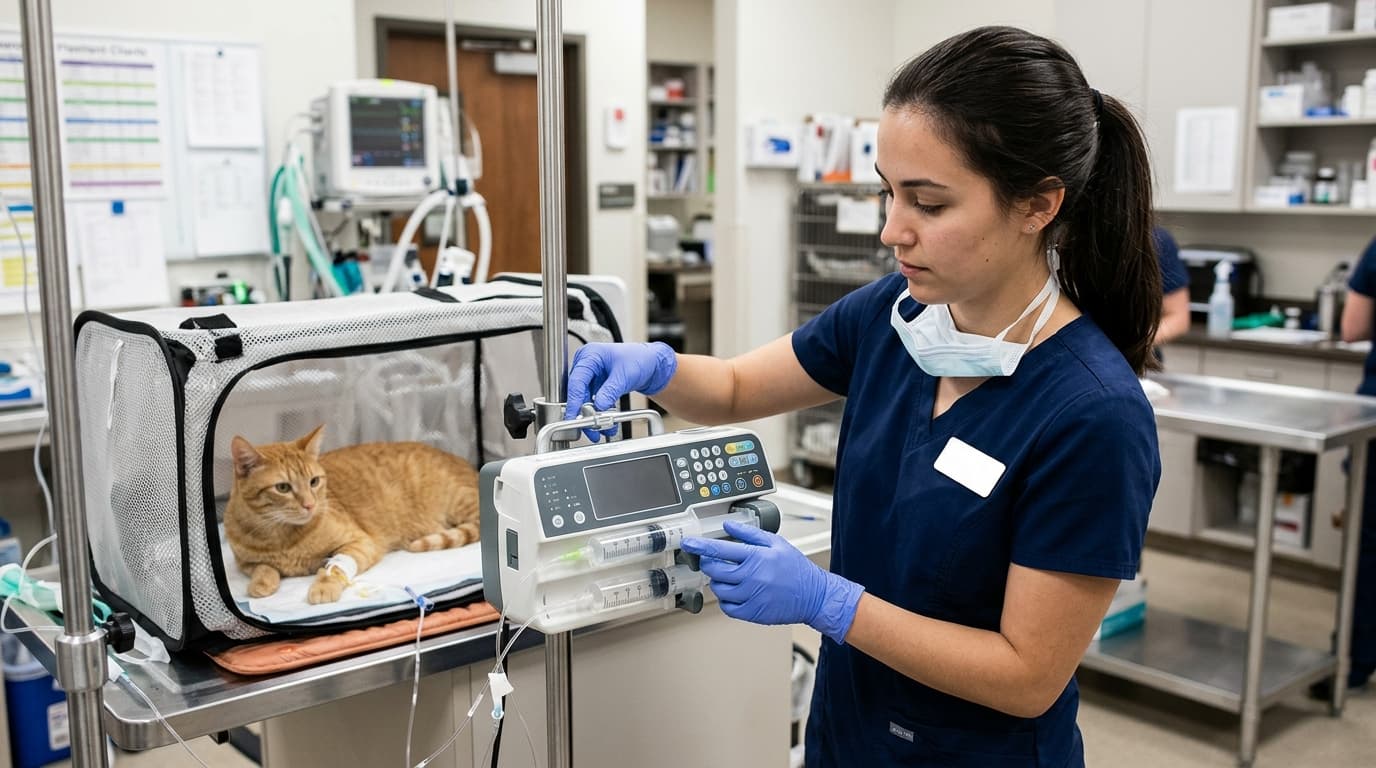
For intensive care scenarios, modular units with built-in IV line ports and integrated thermal regulation allow technicians to administer continuous infusions without repeatedly opening the primary access door. In contrast, standard outpatient wards prioritize rapid turnaround, utilizing removable divider panels that allow a single large enclosure to be split into two smaller units depending on the daily surgical caseload.
| Configuration Type | Key Parameter | Clinical Scenario | Est. Cost Range |
|---|---|---|---|
| ICU / Critical Care | Integrated O2 ports, thermal compatibility, fluid line access | Post-operative recovery, trauma stabilization | $3,000 - $5,000 |
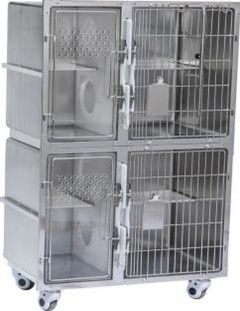
| Standard Modular Ward | Removable central dividers, standard grid spacing | High-volume outpatient, routine observation | $1,200 - $2,500 |
| Isolation Unit | Sealed fluid retention lips, micro-mesh barriers | Infectious disease control (Parvovirus, URI) | $2,000 - $3,500 |
| Feline Condo System | Horizontal and vertical bypass portals, resting benches | Long-term feline boarding, behavioral observation | $1,500 - $3,000 |
Error Rate: Trained vs. Untrained Staff Handling
Equipment longevity is heavily dependent on operator competence. Mismanagement of specialized latches and fluid trays is a primary cause of premature mechanical failure.
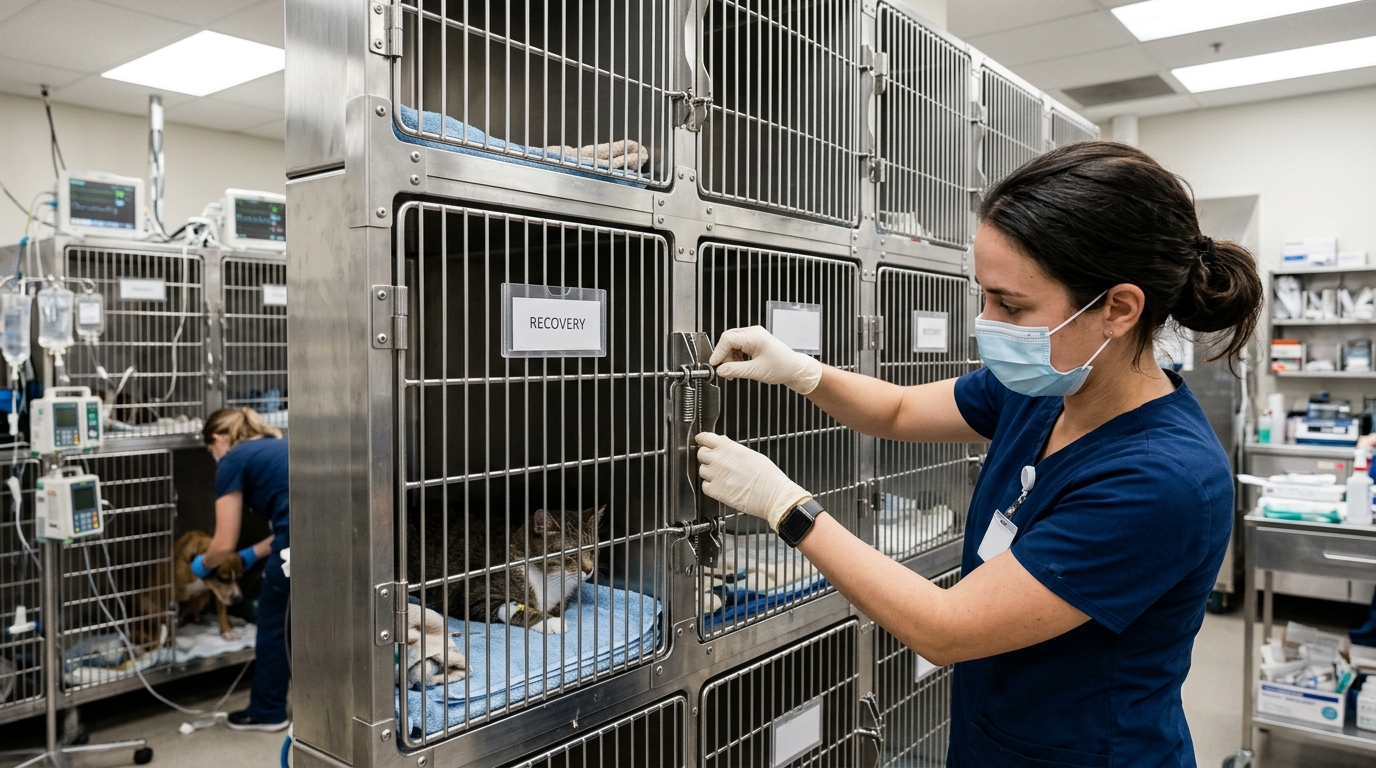
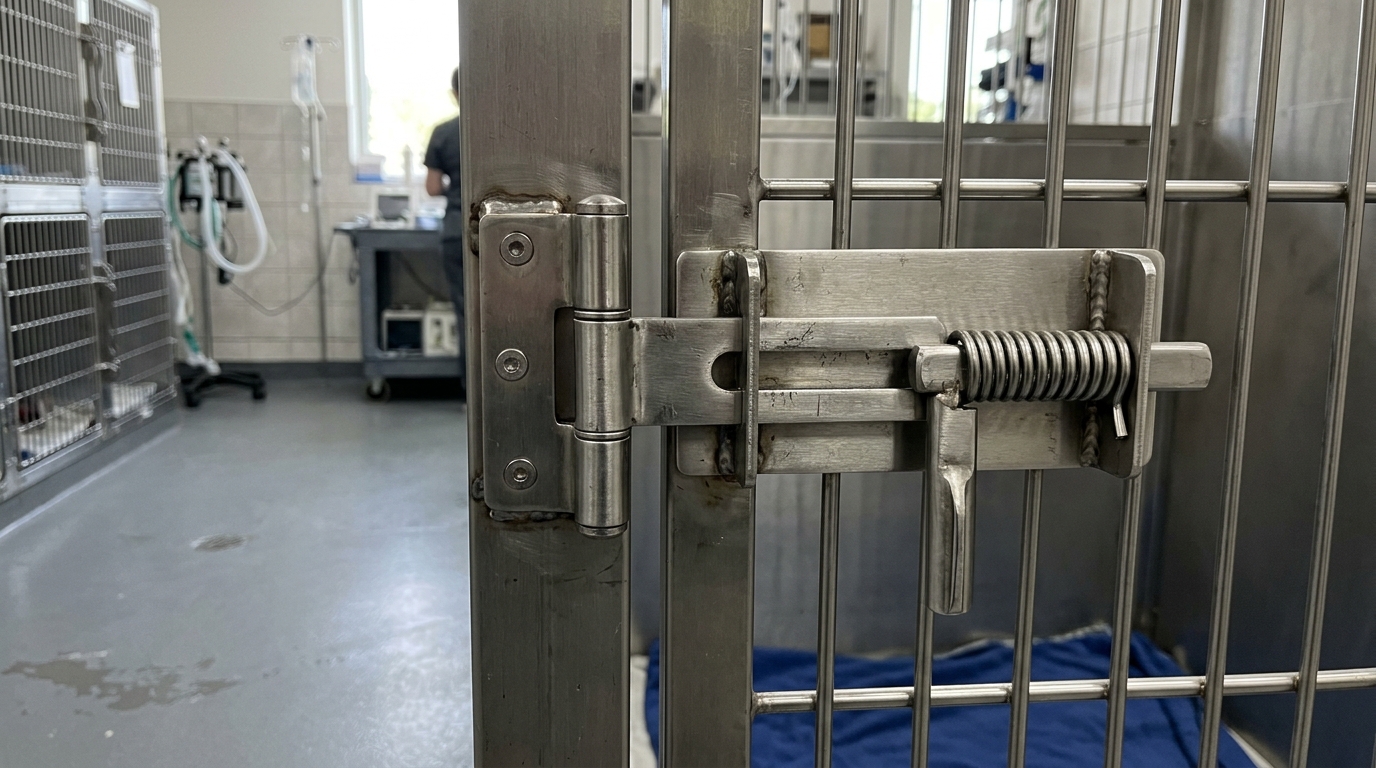
Untrained personnel frequently attempt to force misaligned doors or use chemical disinfectants that compromise the structural integrity of the metal. Standard operating procedures dictate that latches must be engaged smoothly without lateral pressure. When staff members bypass these protocols, the resulting hinge torsion leads to doors that fail to secure properly, presenting a severe flight risk for anxious patients.
Proper facility training regarding cat cage selection criteria and daily operational handling reduces mechanical friction and ensures that locking mechanisms remain precise over years of continuous clinical use.
Downtime Cost per Hour of Layout Misuse
The financial impact of an unusable recovery unit extends beyond the initial repair cost. When a critical care enclosure is taken offline due to a jammed latch or rusted floor grate, the clinic immediately loses housing capacity, creating a bottleneck in the surgical schedule.
In a facility running back-to-back procedures, the inability to move a recovering patient into a secure holding area forces subsequent patients to remain on the surgical table longer than necessary. This ripple effect delays subsequent operations, accumulating hours of wasted technician and veterinarian time by the end of the week. Routine audits of dedicated feline recovery units confirm that preventive mechanical checks cost a fraction of the revenue lost during acute equipment downtime.
Maintenance Interval Benchmarks
A reactive approach to equipment management inevitably leads to workflow disruptions. Establishing a rigid preventive maintenance schedule is essential for maintaining the sterility and mechanical function of high-use clinical wards.
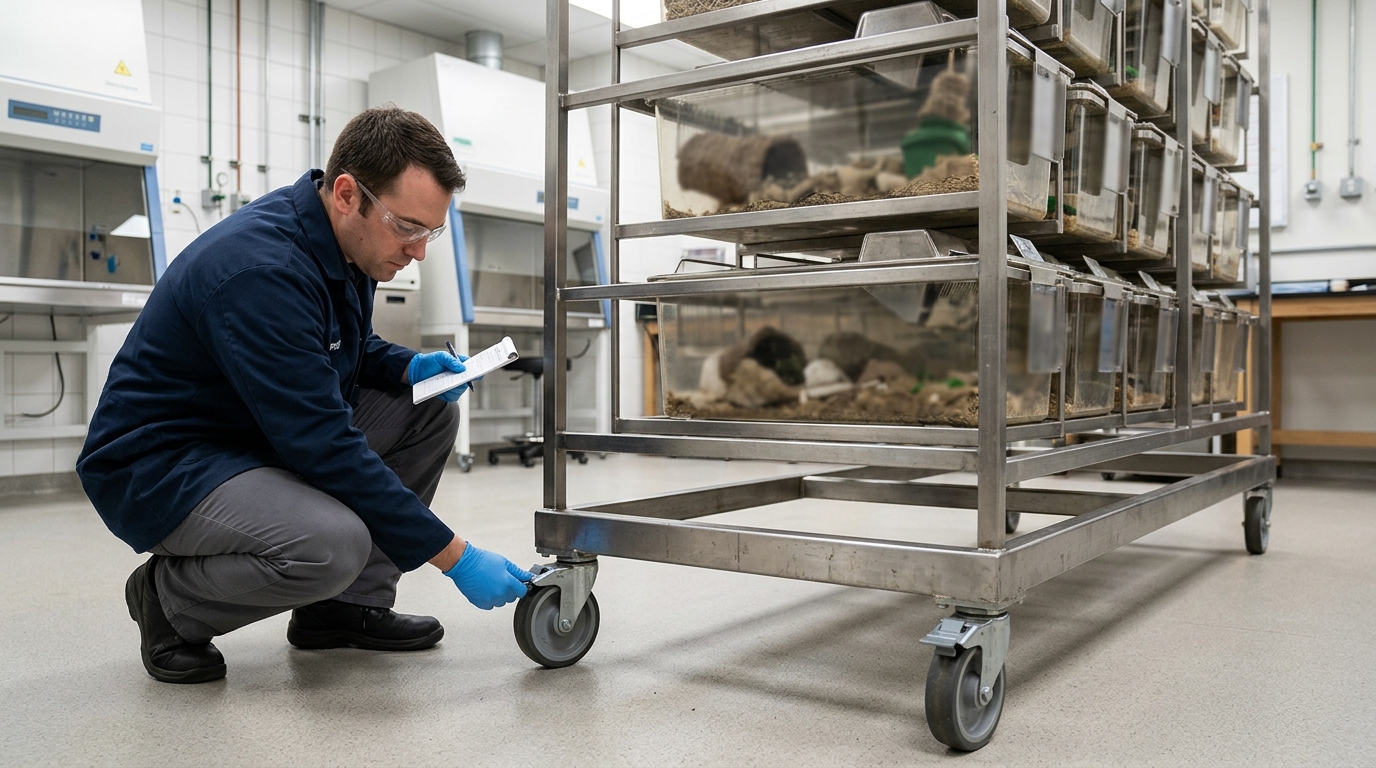
Harsh veterinary disinfectants, particularly those containing high concentrations of sodium hypochlorite, accelerate oxidation even on high-grade alloys if not properly rinsed and dried. Furthermore, the accumulation of organic debris in caster wheels and drainage tracks creates both a biological hazard and a physical impediment to modular reconfiguration.
| Frequency | Task | Key Action |
|---|---|---|
| Daily | Sanitization & Latch Check | Remove organic debris, apply veterinary-grade disinfectant, ensure all latches engage without binding. |
| Weekly | Mobility & Divider Inspection | Test removable partitions for smooth sliding; clear hair and debris from caster wheels. |
| Monthly | Hinge Lubrication & Alignment | Apply food-safe, non-toxic lubricant to all door hinges; check door frames for warping. |
| Annual | Deep Structural Audit | Inspect all spot welds for micro-fractures; assess floor grids for sagging; recalibrate modular latches. |
Frequently Asked Questions
What is the optimal gap spacing for feline ward dividers?
Industry standards recommend a maximum grid spacing of 1 inch (2.54 cm) for feline units. This specific measurement prevents paws and jaws from becoming trapped in the mesh while allowing adequate airflow and visual observation for clinical staff.
How does a modular pet cage layout impact ventilation rates?
Solid side panels and staggered configurations direct the facility's HVAC airflow efficiently from the front to the back of the unit. This prevents the lateral spread of aerosolized pathogens between adjacent enclosures, which is critical for infectious disease control.
What causes stainless steel hinges to bind over time?
Binding is typically caused by a combination of physical trauma, such as leaning heavily on an open door, and the buildup of mineral deposits from unrinsed cleaning solutions. Consistent lubrication and avoiding lateral force during closure preserve the hinge alignment.
Data Summary: Optimization Impact
Maximizing the efficiency of a clinical ward requires careful balancing of spatial design, equipment selection, and rigorous staff protocols. The following metrics summarize the potential operational improvements when implementing a structured layout strategy.
| Metric | Standard Baseline | Optimized Layout Result |
|---|---|---|
| Patient Transfer Time | Baseline (100%) | 15-22% Reduction |
| Mechanical Failure Rate | High (Reactive maintenance) | Minimal (Preventive schedule) |
| Acoustic Stress Incidents | Frequent (Direct line-of-sight) | Significantly Reduced (Staggered layout) |
| Average Equipment Lifespan | 5-7 Years | 10-15+ Years |