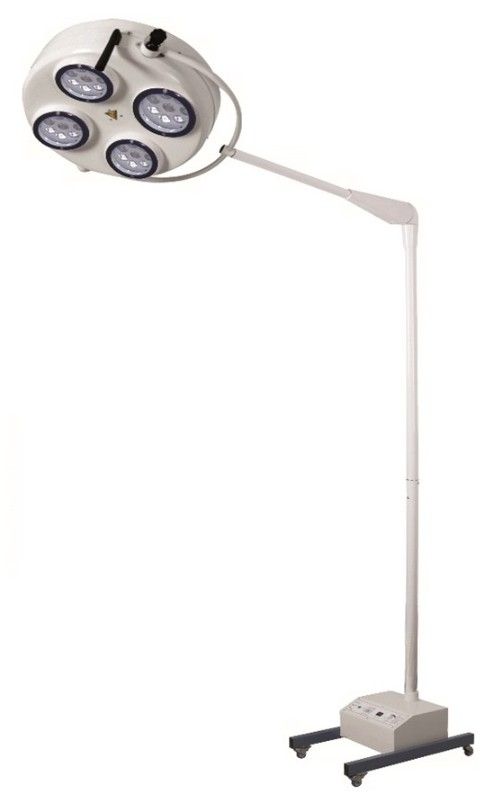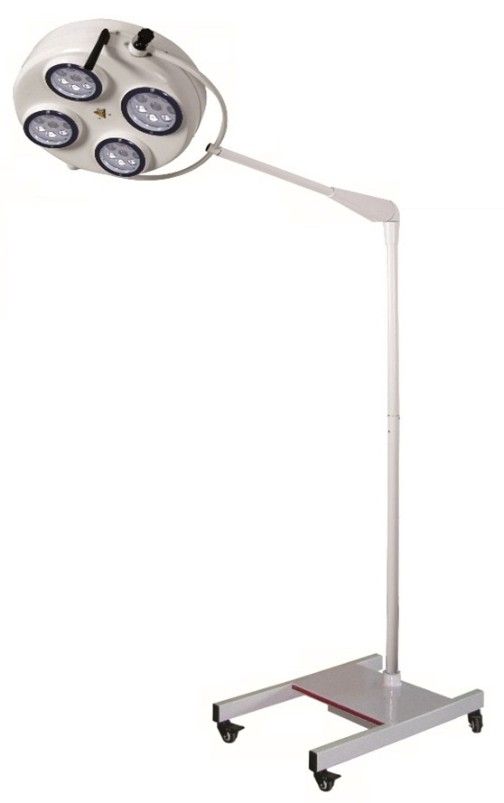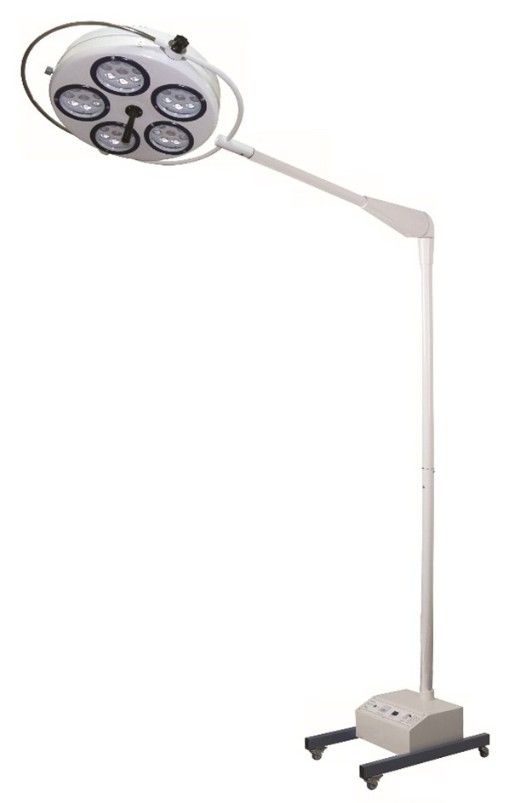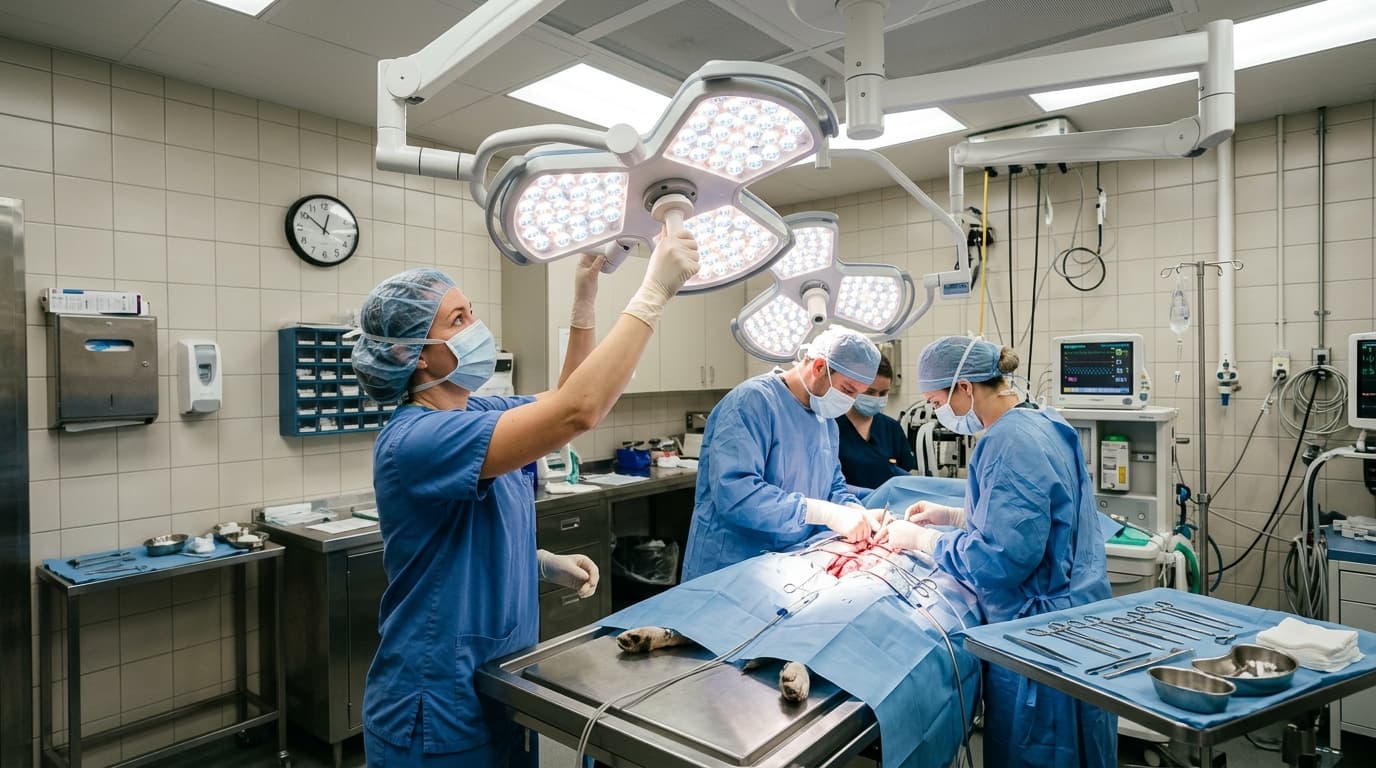
Selecting the right clinical illumination system requires more than just checking lux ratings. For veterinary practices, the decision between a mobile and a ceiling-mounted LED Operating Lamp fundamentally alters room workflow, infection control protocols, and floor space management. A miscalculation in spatial requirements often leads to compromised surgical access, frustrated staff, and costly equipment returns.
The Mistake That Costs Thousands
A common error in clinic design is ordering overhead equipment without verifying structural load and vertical clearance. Ceiling mounts require specific beam reinforcements; ignoring this leads to sagging ceiling panels or lights that drift out of position.
Problem: A feline referral center ordered a heavy-duty ceiling-mounted lamp for their new dental suite, assuming standard drywall anchors would suffice. Investigation revealed their drop ceiling was only 8 feet high with zero structural blocking. Solution: They scrapped the ceiling installation, losing $1,200 in contractor fees, and quickly pivoted to a mobile base unit to maintain their surgical schedule. Result: The mobile base occupied critical space near the anesthetic machine, crowding the anesthetist during procedures.
Understanding your physical limitations before procurement is the only way to avoid this cycle of spatial compromises.
What Happens During First Setup?
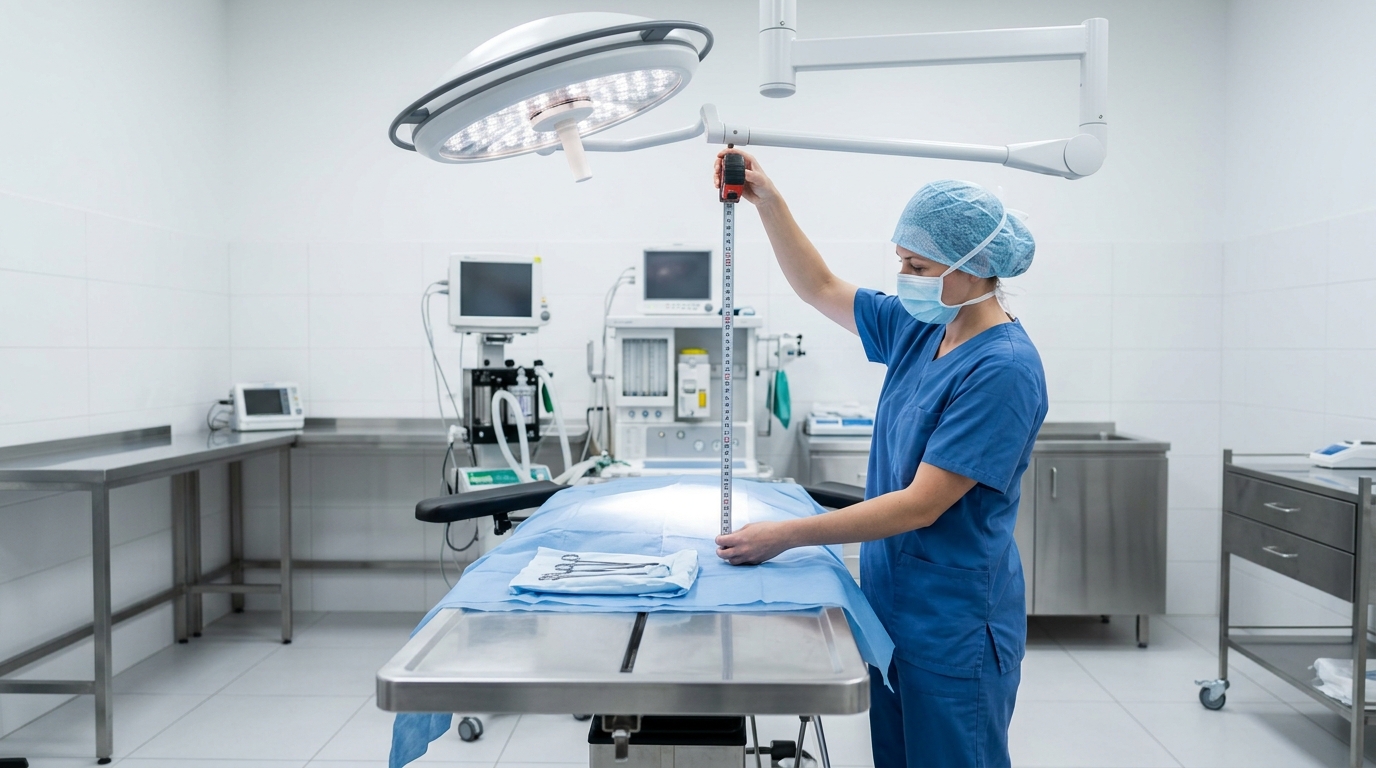
The installation pathways for mobile and ceiling units differ drastically. When unboxing a ceiling model, structural assessment comes first. The flange must mount directly to a structural joist capable of handling the torque of a fully extended boom arm. Electricians must route 110/220V lines securely through the ceiling plenum.
Conversely, mobile units demand floor assembly. You must balance the weighted base, secure the locking casters, and calibrate the vertical stand. Regardless of the type, both require evaluating 4 room clearance thresholds before clinical use:
- Ceiling Height Minimum: Usually 2.8 meters to allow full vertical articulation without striking the ceiling.
- Boom Arm Radius: A clear 1.5-meter radius around the mount to prevent collisions with anesthesia booms or IV tracks.
- Mobile Base Footprint: Approximately 0.5 square meters of dedicated floor space that will not obstruct the veterinary surgical table pedals.
- Head Rotation Clearance: Ensuring 360-degree rotation without tangling monitoring cables or hitting wall cabinets.
Before vs. After: Workflow Results
Transitioning from temporary spotlights or outdated halogens to a modern LED operating lamp alters clinical metrics noticeably. Below is an assessment of equipment types, ideal clinical scenarios, and B2B pricing estimates.
| System Type | Key Specifications | Ideal Clinical Scenario | Estimated Price Range |
|---|---|---|---|
| Mobile Stand LED | 50,000–120,000 Lux, Weighted base | Multi-room prep, ER triage | $800 - $1,500 |
| Ceiling (Single Head) | 120,000–160,000 Lux, 360° rotation | Dedicated general surgery rooms | $1,500 - $2,500 |
| Ceiling (Dual Head) | 160,000+ Lux, Overlapping fields | Orthopedics, deep cavity cases | $2,500 - $3,500 |
| Wall-Mounted LED | 50,000–100,000 Lux, Foldable arm | Exotics, minor treatment rooms | $600 - $1,200 |
How does the shift from a mobile to a ceiling-mounted setup impact specific clinical workflow parameters? Observe the before-and-after operational metrics:
| Workflow Parameter | Before (Mobile Setup) | After (Ceiling Setup) |
|---|---|---|
| Floor Obstruction | High (Base occupies anesthetist area) | Zero (Floor remains completely clear) |
| Arm Repositioning | Frequent (Must move base to switch sides) | Minimal (Boom arm swings over table easily) |
| Cleaning Protocol | 10 mins (Wiping casters, base, and stand) | 3 mins (Wiping head and suspension arm) |
| Cable Trip Hazard | Present (Power cord across floor) | Eliminated (Wiring integrated in mount) |
3 Cases Where Proper Placement Improved Outcomes
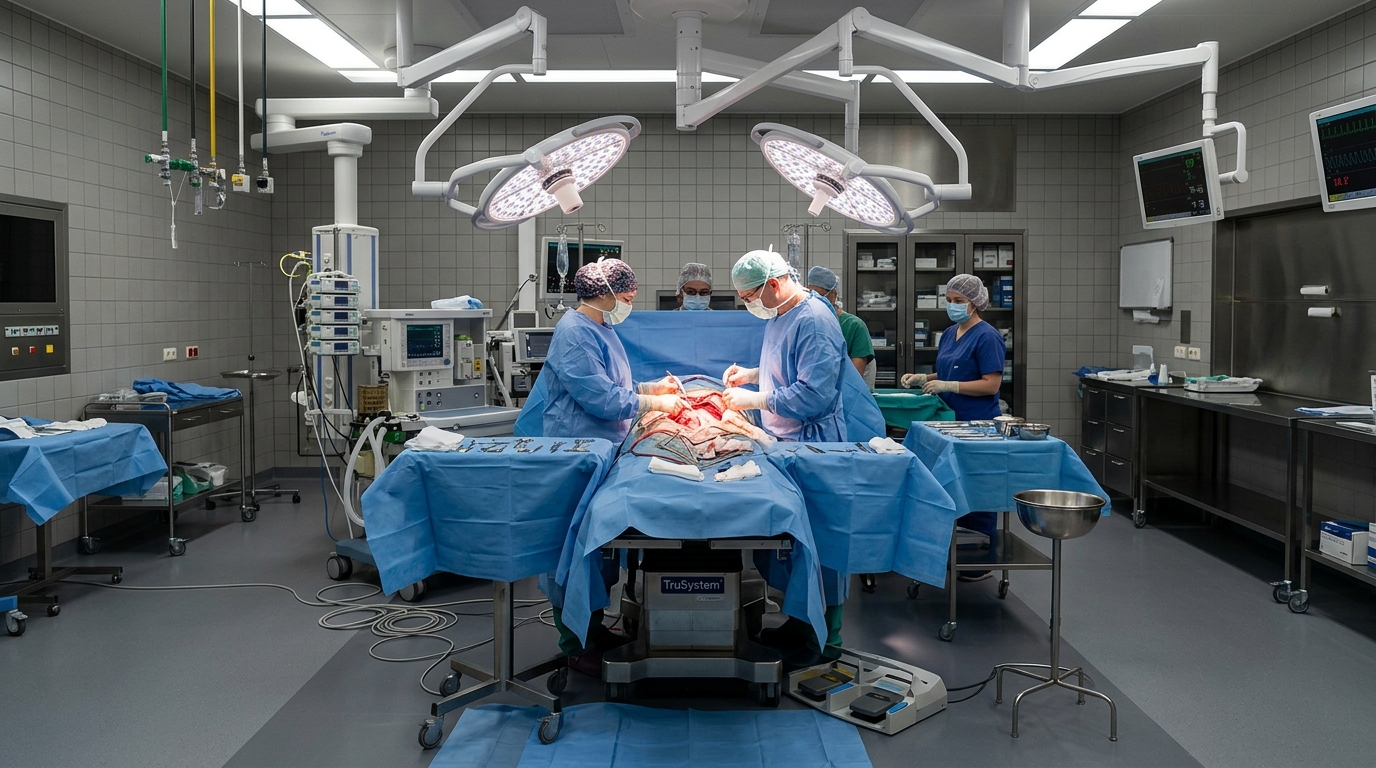
Applying the correct mounting style directly correlates to procedural efficiency. Consider these three clinical observations.
Case 1: Deep Cavity Access. A 35kg canine required an emergency splenectomy. By utilizing a high-lux ceiling model like the LED Operating Lamp (Deep) YD280, the surgeon and assistant had uninterrupted floor space to maneuver. The ceiling mount's extended reach eliminated shadows deep in the abdominal cavity, preventing delays.
Case 2: Fast-Paced Emergency Triage. A clinic's ER receives multiple trauma cases simultaneously. A ceiling light in one room restricted them. Introducing a high-output mobile lamp allowed the triage team to roll the light between three prep tables rapidly, keeping continuous illumination on unstable patients during wound assessment.
Case 3: Feline Dental Suite. A small room was crowded with a dental cart, anesthesia machine, and monitor. Using a mobile light resulted in constant base collisions. Switching to a wall-mounted LED arm freed up 15% of the floor space, allowing the technician to position the dental scaler without tripping over cords.
Troubleshooting the 5 Common Positioning Issues
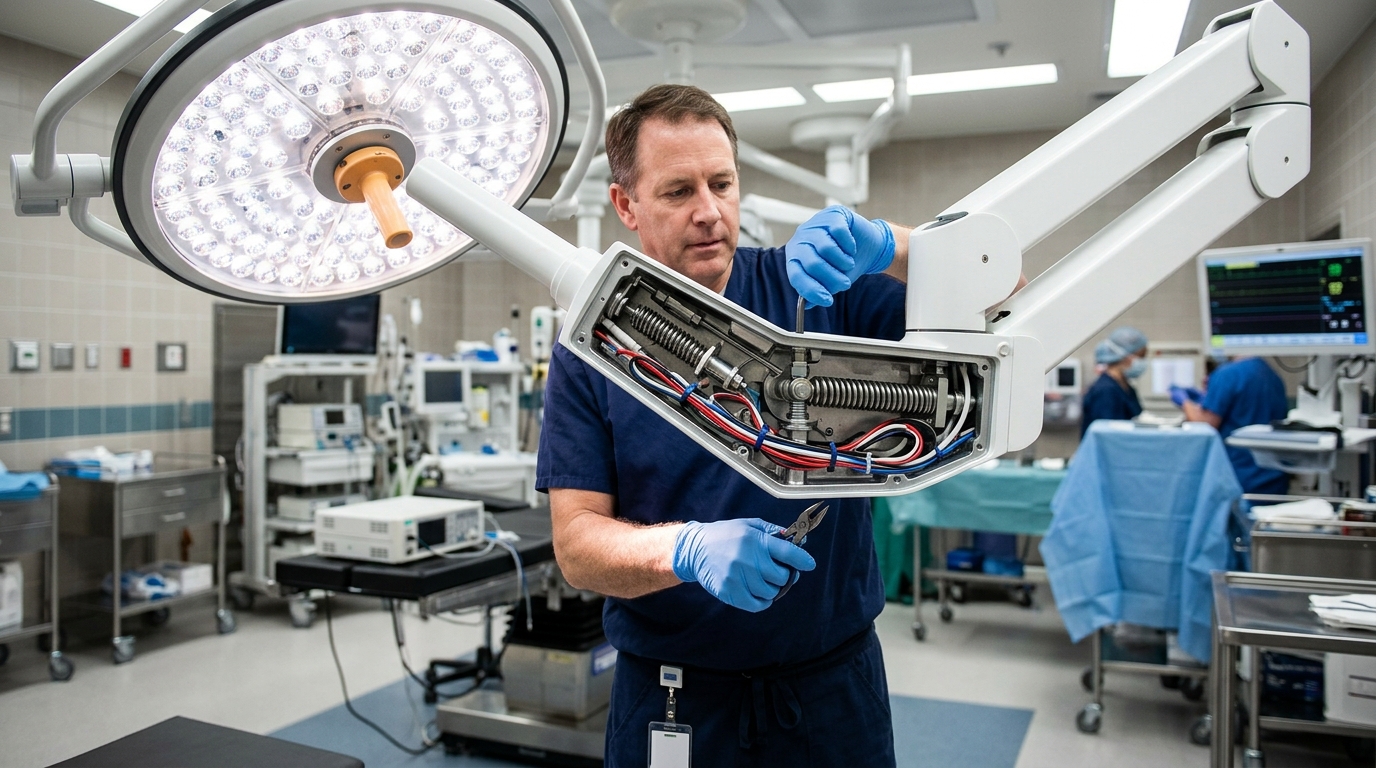
Even premium illumination systems require mechanical oversight. Recognizing mechanical faults early prevents sudden failures during critical procedures. Focus on these 5 mechanical anomalies, which include 3 common arm joint failures:
- Spring Fatigue Drift (Joint Failure): The lamp head slowly drifts downward after positioning. This indicates internal spring fatigue or loose tension screws in the suspension arm. Refer to specific arm joint tension adjustments to calibrate the payload.
- Rotation Stop Breakage (Joint Failure): If the head rotates infinitely past its limit, the internal mechanical stop has broken, which will soon sever the internal wiring. Stop use immediately.
- Axis Friction Binding (Joint Failure): The arm becomes extremely stiff and difficult to position horizontally. This occurs when bearings dry out or accumulate dust, requiring professional lubrication.
- Caster Lock Failure: On mobile units, the lamp rolls slightly when touched. The brake mechanisms on the casters are jammed with hair or debris and require physical clearing.
- Intermittent Flickering: Moving the arm causes the LEDs to flash. This points to cable stress or a pinched wire near the main rotation axis.
Service Call vs. DIY Repair
Clinical staff can handle basic mechanical calibrations to maintain workflow, but specific failures require certified technicians. Conduct in-house tension tightening if a joint feels slightly loose or drifts a few inches. Clinic personnel should also manage the daily cleaning of mobile casters and the sanitization of sterilizable handles.
However, contact technical service if the ceiling flange shows visible separation from the ceiling tiles, indicating structural failure. Do not attempt in-house repairs on internal power supply modules, flickering LED arrays, or when rotation stops are broken. Opening sealed LED modules often voids IP (Ingress Protection) ratings, leading to fluid ingress during future cleanings.
Building a Maintenance Habit
Based on HQS clinical observation, mobile bases in high-traffic veterinary ERs accumulate significantly more floor debris (suture remnants, hair) in their casters than standard carts, leading to base instability. Establishing a strict maintenance protocol preserves equipment longevity and ensures the suspension arm remains balanced.
Maintenance Frequency Summary
| Frequency | Task | Key Action |
|---|---|---|
| Daily | Surface Sanitization | Wipe the dome and control panel with approved non-abrasive clinical disinfectants. Remove and autoclave sterilizable handles. |
| Weekly | Caster & Base Check | For mobile units, clear all hair and debris from caster wheels. Test the foot brakes for positive engagement. |
| Monthly | Drift Assessment | Position the lamp in extreme high and low positions. Monitor for 60 seconds to ensure zero downward or lateral drifting. |
| Annual | Structural & Electrical Audit | Have a technician check ceiling mount flange bolts for torque retention, inspect internal wiring for friction wear, and verify lux output. |
Frequently Asked Questions
What is the minimum ceiling height required for a ceiling-mounted LED operating lamp?
Industry guidance suggests a minimum ceiling height of 2.8 meters (approximately 9 feet). If your ceiling is lower, the suspension arm will not have enough vertical clearance to articulate properly, and you may frequently hit your head on the lower sections of the boom.
Can a single-head light eliminate all surgical shadows?
While modern multi-lens single-head LEDs significantly reduce shadows compared to older halogens, they cannot entirely eliminate them if a surgeon blocks the primary light path. For complex orthopedic or deep abdominal surgeries, a dual-head ceiling setup provides overlapping light angles to effectively eliminate cast shadows.
How do you fix a surgical light that keeps drifting downward?
Downward drift is almost always caused by loose spring tension in the main suspension arm. This is corrected by removing the joint cover and using a specific Allen wrench to tighten the tension adjustment bolt until it matches the payload weight of the lamp head. If tightening does not work, the internal gas spring may need replacement.
Are the handle covers on LED operating lamps universal?
No. Sterilizable handle covers are specific to the manufacturer and model series. Using incompatible handles can cause them to slip during surgery, compromising the sterile field. Always verify compatibility with your specific model before procuring replacement handles.