Evidence Available for This Decision
The available evidence for this purchase decision is limited to manufacturer-supplied data for the Dual Unit Pet ICU Monitor HICU-02 and related Vet ICU Incubator listings. No independent validation reports, country-specific certificates, service manuals, pricing, warranty terms, or clinical outcome studies were supplied.
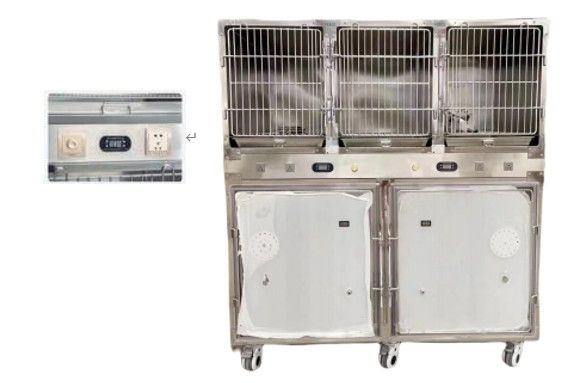
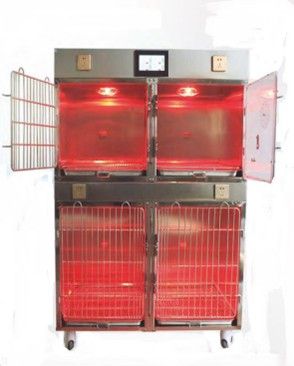
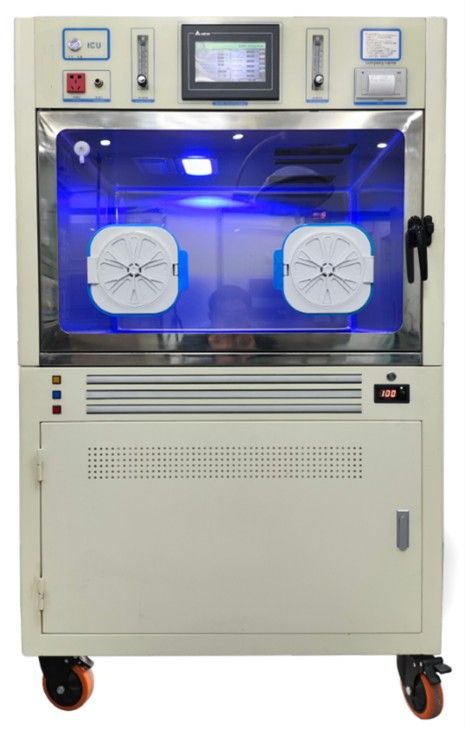
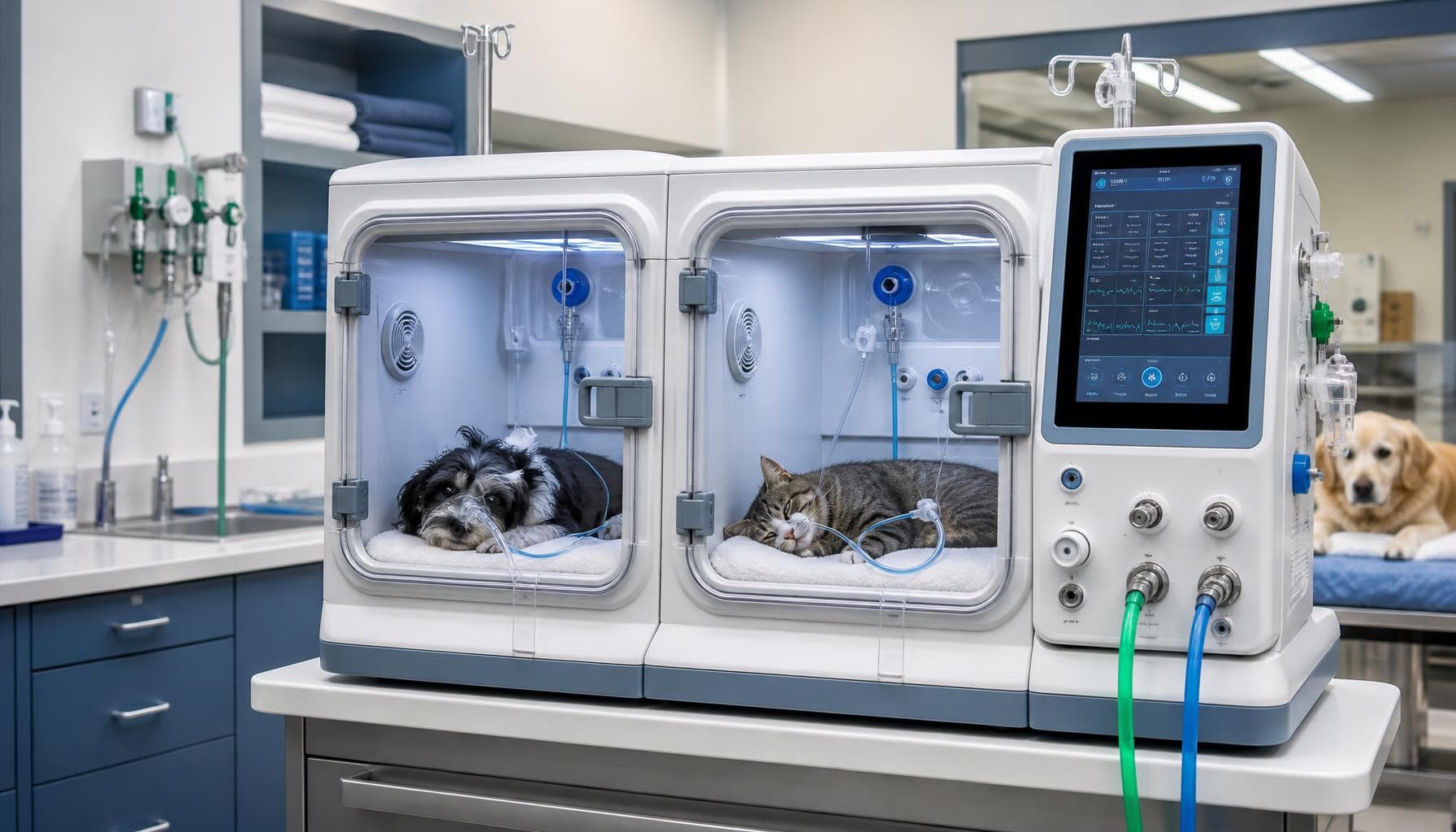
The HICU-02 listing describes a dual-unit animal monitoring cabin for oxygen therapy, warming, nebulization, hospitalization observation, and emergency care. Published specifications include external dimensions of 1200 × 650 × 1720 mm, weight of 220 kg, maximum power consumption of 1.6 kW, AC100V/220V 50/60Hz power with grounding, and a listed oxygen setting range of 21% to 60%.
That is enough information to begin a site, training, and documentation review. It is not enough to approve installation, confirm local import eligibility, compare lifecycle cost, or establish a cleaning protocol.
What the Specifications Support
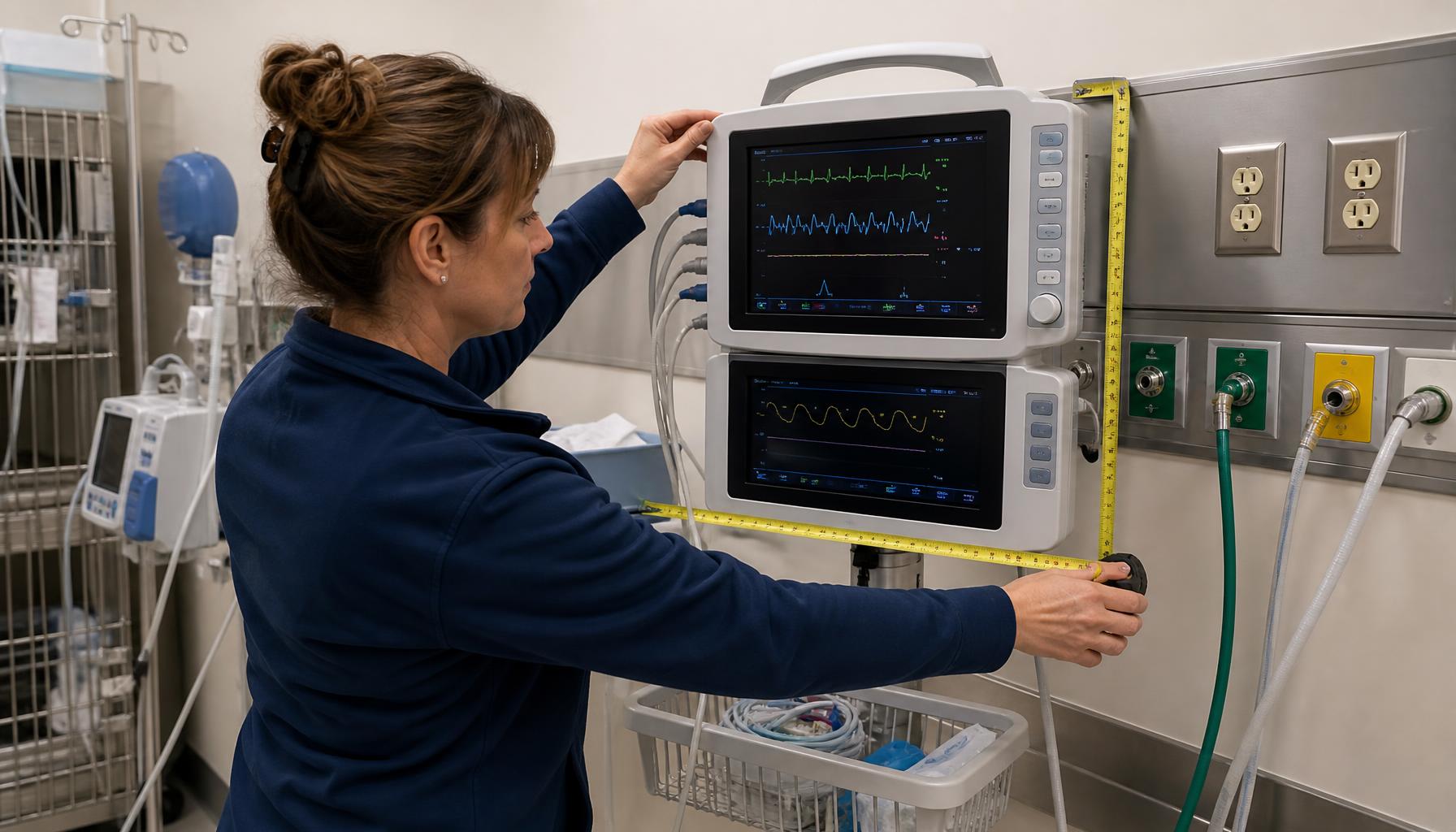
The stated dimensions and 220 kg weight make this a facilities purchase rather than a countertop accessory. Buyers should plan for delivery access, turning clearance, final positioning, and enough surrounding space for staff access to doors, infusion equipment, oxygen connections, and cleaning. The listing also identifies a grounded AC100V/220V supply, so the clinic should confirm the supplied voltage configuration, plug type, circuit requirement, and local electrical approval before shipment.
For emergency hospitals with continuous critical-care admissions, the dual-unit format may be relevant where separate patients require concurrent enclosed support. However, the supplied data do not state whether each side has independent temperature, oxygen, humidity, alarm, or monitoring controls. A smaller general practice may value the same unit mainly for postoperative recovery, newborn care, or short-term observation, but should assess whether floor space and training capacity justify a larger installed system.
For oxygen-source planning, review the available oxygen concentrator options separately. The product listing mentions medical oxygen hose and an optional high-flow oxygen generator, but does not establish compatibility with a clinic’s existing concentrator, cylinder manifold, or central oxygen system.
What the Evidence Does Not Establish
The HICU-02 listing names UVC sterilization, negative-ion purification, CO2 monitoring and clearing, nebulization, automatic dehumidification, power-outage protection, and alarm functions. These feature descriptions should not be treated as proof of infection-control performance, alarm reliability, oxygen delivery accuracy under clinical load, or uninterrupted backup duration. The listing gives a UVC wavelength of 253 nm, but provides no cycle documentation, validation method, safety interlock details, lamp replacement interval, or evidence that UVC use replaces manual cleaning.
Humidity information also needs clarification. The configuration notes state that standard humidity is controlled within 40% and that actual humidity control is less than 50%, without defining the measurement conditions, tolerance, sensor location, or whether the figure applies to both units. Likewise, CO2 monitoring is listed from 300 to 5000 ppm with a stated 10 ppm error margin, but no calibration, maintenance, or sensor replacement information is provided.
A Vet ICU Incubator can still have clinical value when a practice needs a controlled environment for postoperative, infusion, or newborn patients. For example, the Pet ICU Incubator H-1801 is listed for warming care and includes adjustable temperature, humidity, and oxygen connection. Yet buyers should not assume that incubator consumables, service parts, or staff training transfer directly to the larger dual-unit monitor.
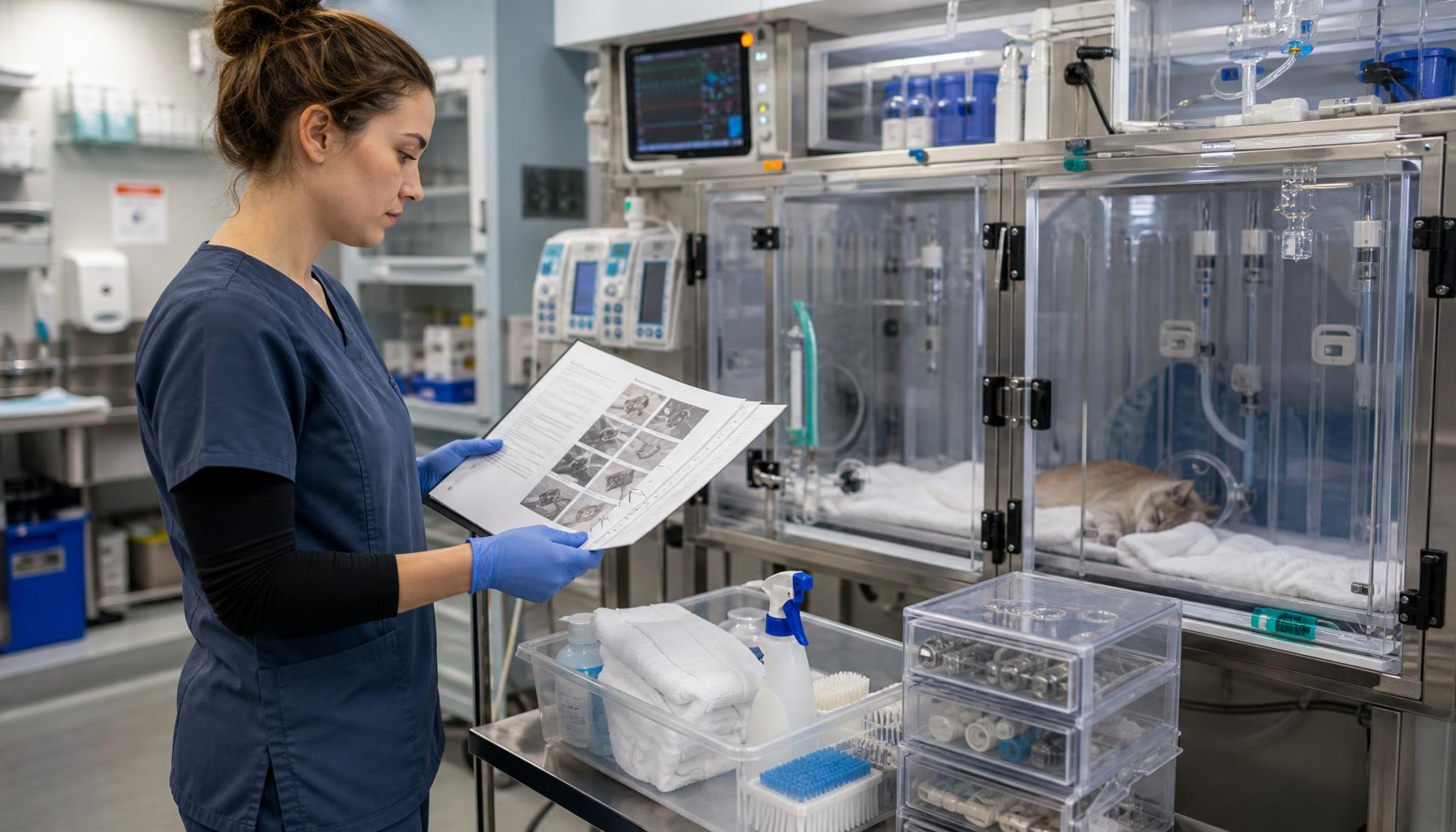
Questions Requiring Written Confirmation
Written answers matter more than broad feature claims because this equipment combines enclosure care, oxygen-related infrastructure, environmental controls, and electronic monitoring. Ask for the exact documents applicable to the delivered configuration and destination country. Do not accept a generic brochure as evidence of certification, installation readiness, or service coverage.
| Procurement topic | What available data show | What the supplier should confirm in writing |
| Electrical installation | AC100V/220V, 50/60Hz with grounding; 1.6 kW maximum consumption listed. | Shipped voltage, plug, circuit recommendation, grounding requirement, surge protection guidance, and installer qualifications. |
| Site access | 1200 × 650 × 1720 mm external dimensions; 220 kg listed weight. | Shipping dimensions, packaging weight, door-clearance needs, caster or leveling requirements, and room ventilation expectations. |
| Oxygen supply | Oxygen setting range of 21% to 60% is listed; medical oxygen hose is named. | Required inlet pressure, fitting type, compatible oxygen sources, hose specification, and responsibility for connection testing. |
| Cleaning responsibility | UVC sterilization and purification functions are listed. | Approved surface-cleaning agents, removable components, cleaning frequency, UVC lamp precautions, and which tasks are clinic responsibilities. |
| Consumables | Sodium lime, medical oxygen hose, and nebulization are mentioned. | Part numbers, replacement intervals, approved nebulizer consumables, filter requirements, sensor life, and local availability. |
| Service and parts | No warranty or parts information was supplied. | Warranty scope, response process, spare-parts stock location, remote support limits, technician training, and expected lead times. |
| Regulatory documentation | No certifications are listed in the supplied product data. | Applicable certificates, importer-of-record requirements, electrical compliance documents, manuals, and labeling for the destination market. |
Procurement Implications
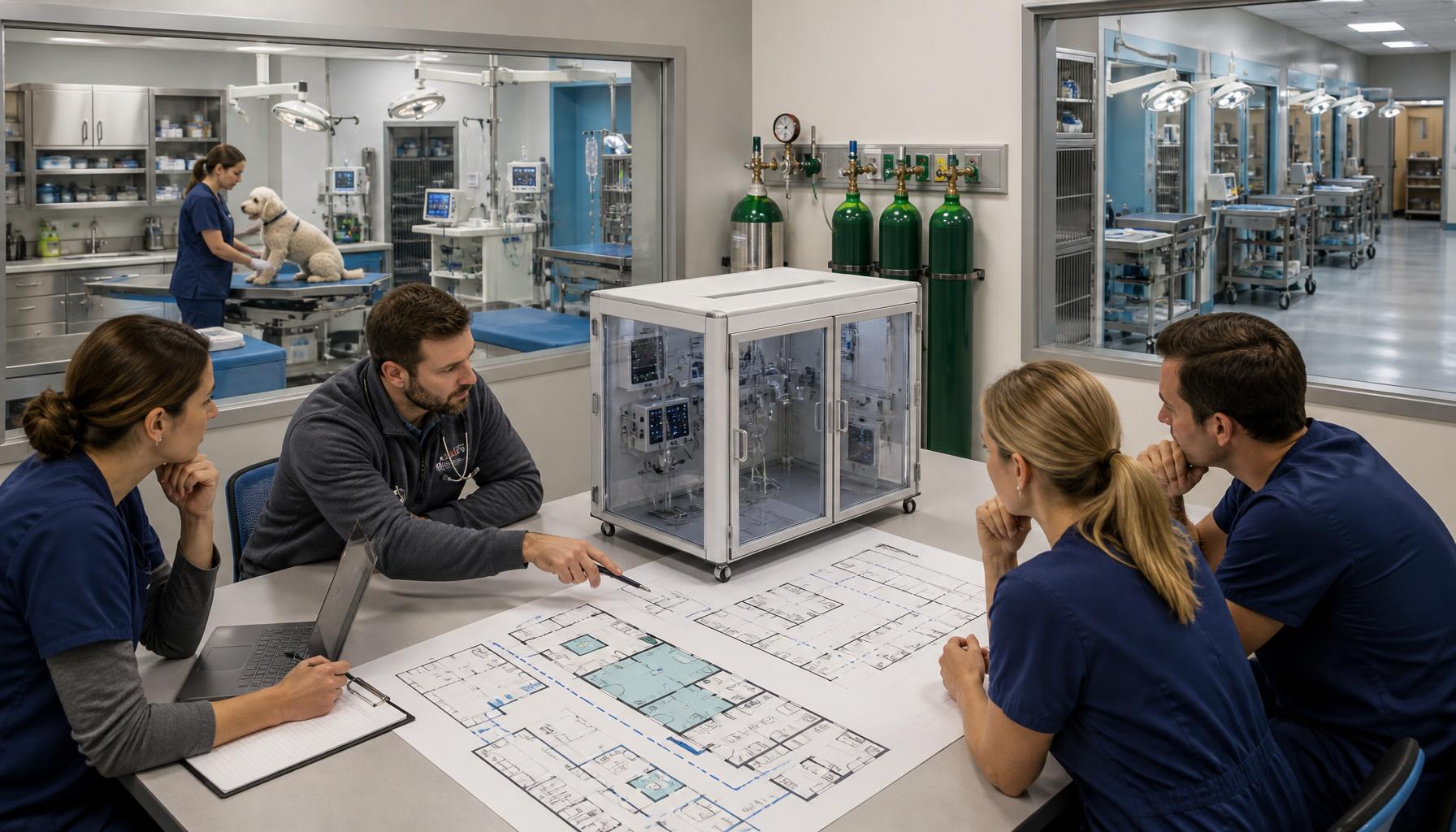
Training should be sized to the clinic’s care model, not treated as a one-time product demonstration. A referral or emergency hospital should request role-based training for ICU leads, overnight teams, biomedical or facilities contacts, and cleaning personnel. The central question is ownership: who can authorize use, who records routine inspections, who orders consumables, and who escalates a service issue? These responsibilities need written assignment before acceptance.
A smaller hospital or surgical practice may need a narrower program focused on designated recovery staff, facility handoff, approved cleaning responsibilities, and supplier support contacts. If the unit will be used alongside infusion therapy, assess workflow and compatibility with the clinic’s infusion pump inventory. If it will supplement patient observation rather than replace it, review the separate veterinary patient monitor category and define which patient parameters remain outside the cabin system.
Evidence and scope
This assessment uses manufacturer-supplied HICU-02 and Vet ICU Incubator product data only; it does not rely on independent testing or published clinical studies. Certification status, installation instructions, cleaning agents, consumable part numbers, warranty coverage, service access, and import compliance remain evidence gaps that buyers should obtain from the supplier in writing before purchase.
The practical decision is therefore conditional: proceed to a formal quotation only after the supplier can document site requirements, delivered configuration, training scope, cleaning division of responsibility, consumable availability, and local service support. Without those records, the published specifications describe features, but not a fully supportable ownership plan.