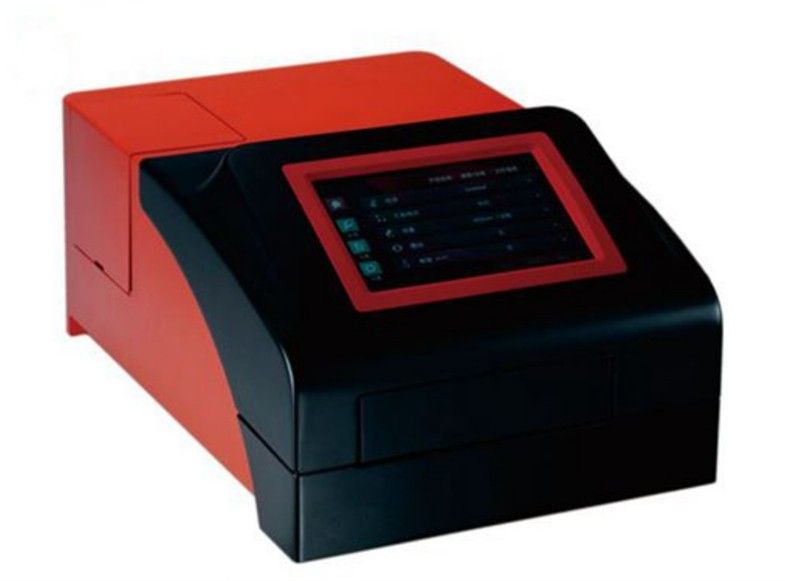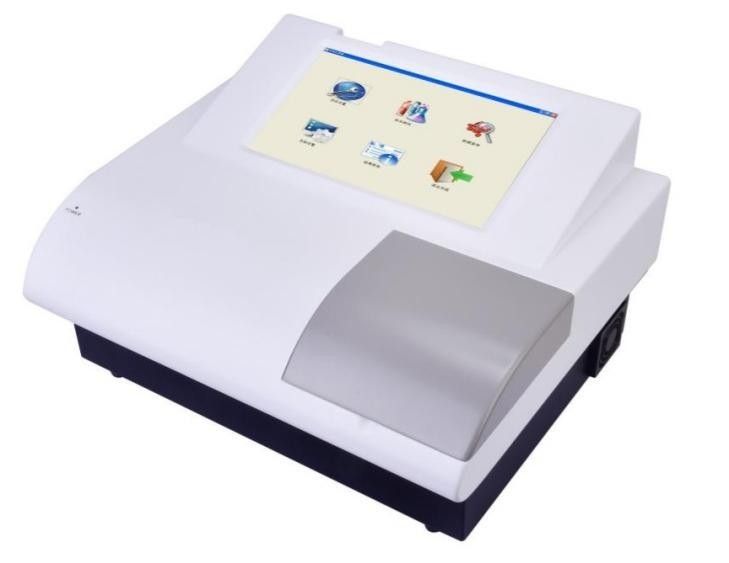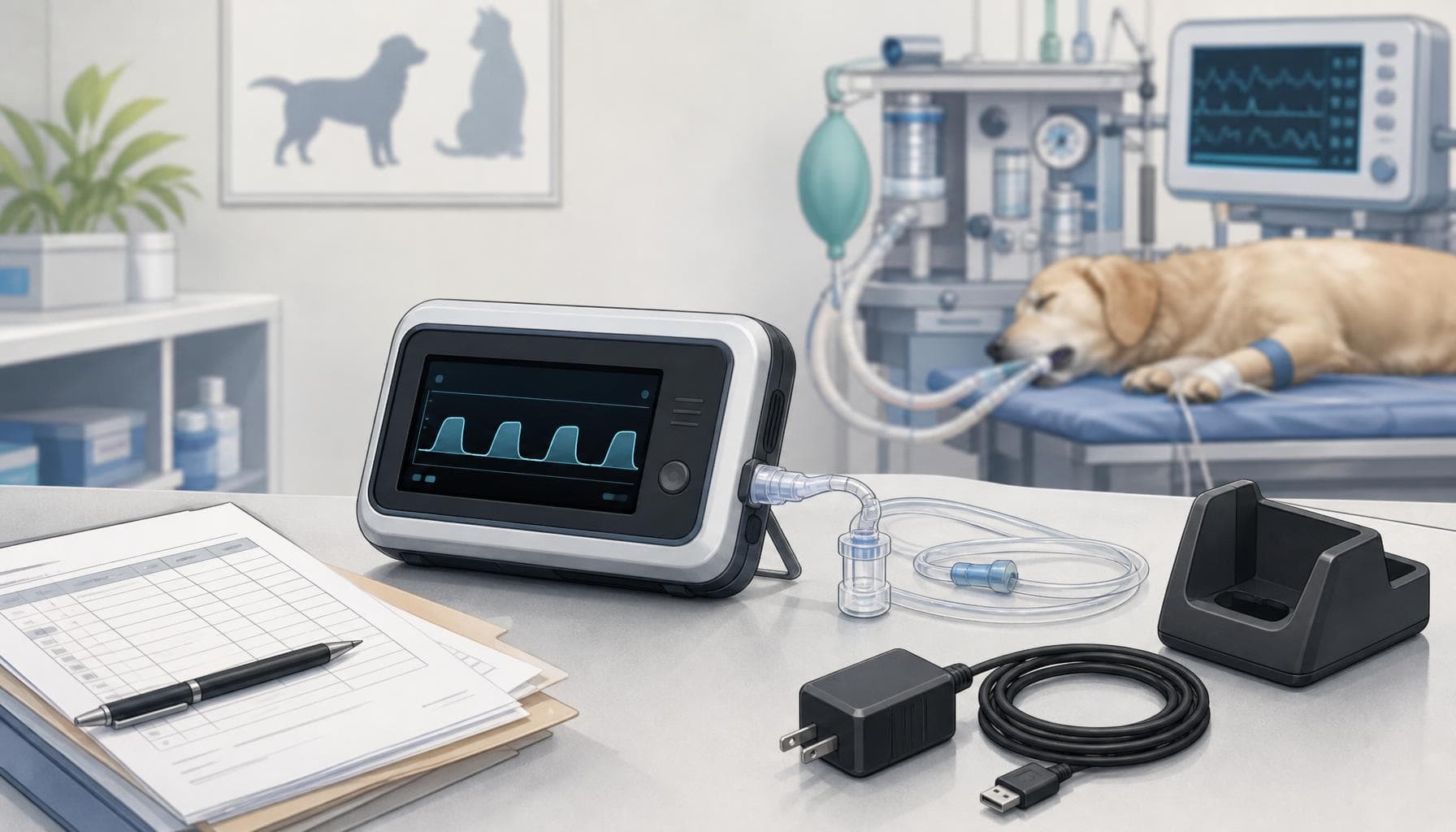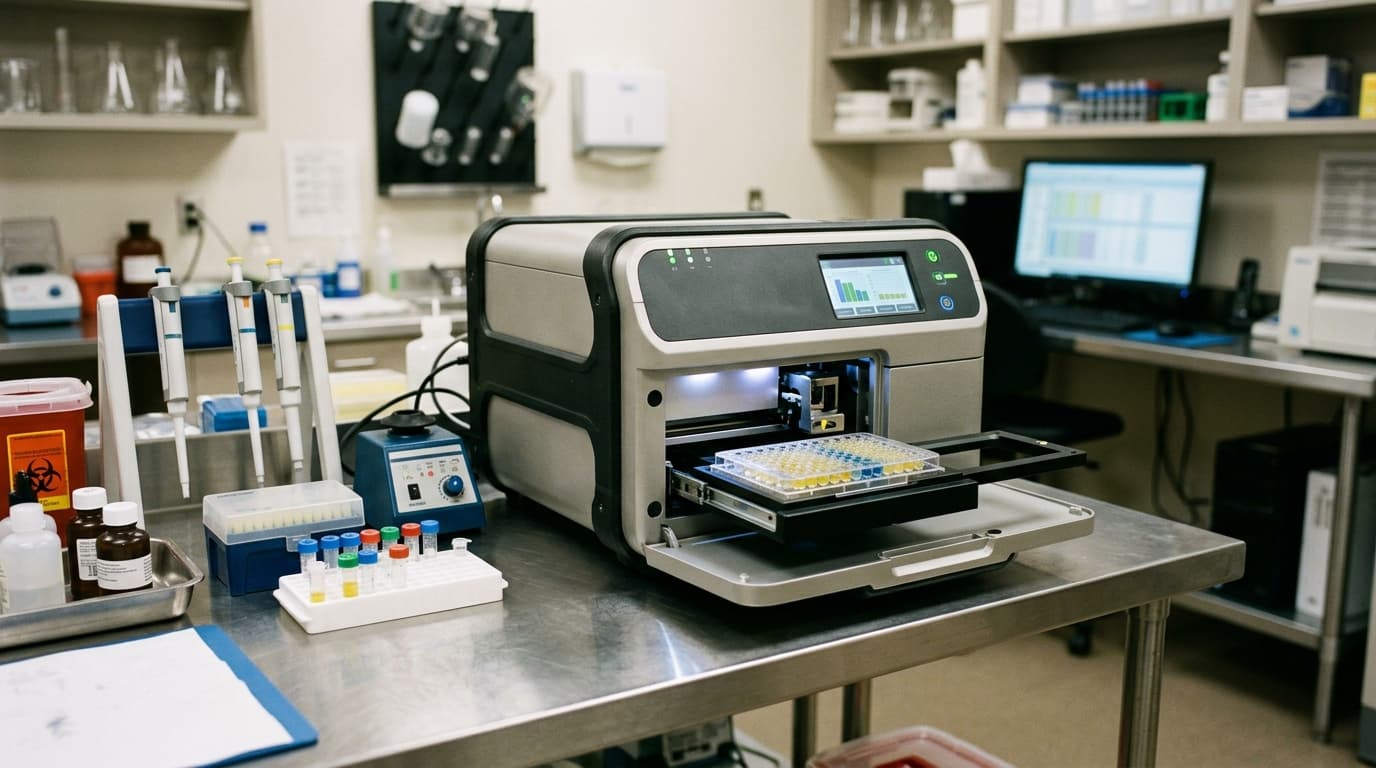
Many veterinary diagnostic laboratories report up to an 18% increase in re-test rates when optical interference, specifically stray light, compromises assay results. In clinical environments processing infectious disease screens or endocrine panels, an accurate Elisa Reader is non-negotiable. Stray light—defined as any light reaching the optical detector that does not pass directly through the sample well—artificially inflates optical density (OD) readings. This interference directly impacts the precision of critical diagnostics, from tracking canine parvovirus titers to monitoring equine progesterone levels for breeding timing.
Operating a microplate reader requires strict environmental and mechanical control. When light scatters off dust particles, micro-scratches on filters, or enters the chamber from ambient laboratory lighting, the Beer-Lambert law calculations skew. This report analyzes the clinical impact of optical interference and provides actionable data for establishing reliable, repeatable diagnostic workflows in veterinary medicine.
Efficiency Gains: The Numbers Speak
Reducing stray light variability directly translates to workflow efficiency. Clinical data analysis indicates that optimizing the optical environment of an Elisa Reader improves batch processing throughput by approximately 15%. When background noise is minimized, standard curves remain linear over a broader dynamic range, allowing technicians to validate assays on the first run.
In high-volume centralized veterinary laboratories, a 15% throughput increase equates to processing an additional 12 to 15 microplates per shift. This gain is achieved simply by standardizing device placement away from windows and overhead LED glare, and ensuring the optical sensors are free from particulate contamination. Facilities that integrate these protocols alongside their veterinary chemistry analyzer maintenance routines consistently report lower reagent waste and faster turnaround times for critical care patients.
3 Settings That Cut Procedure Time
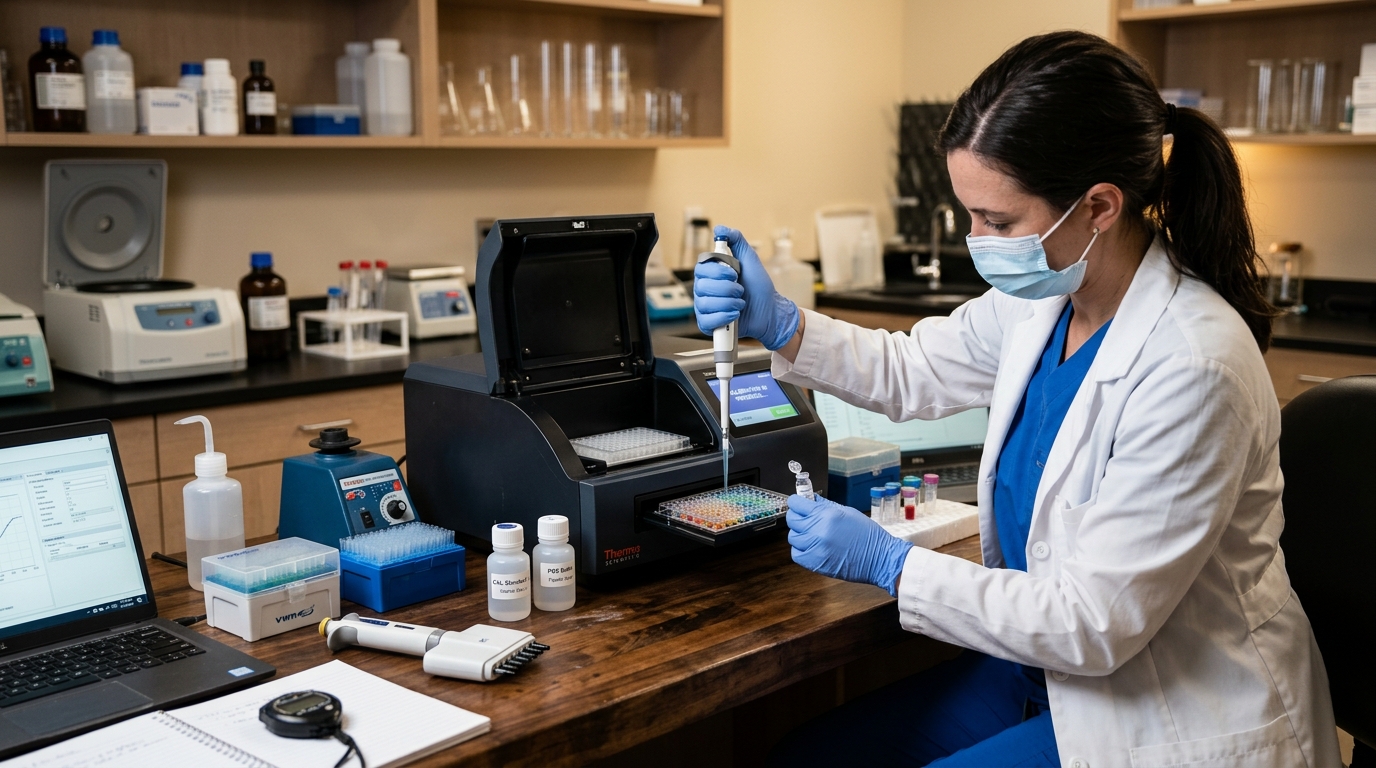
Proper parameter configuration within your analytical software serves as the primary defense against scattered light artifacts. Implementing the following three settings significantly reduces the need for manual re-reads and diagnostic delays.
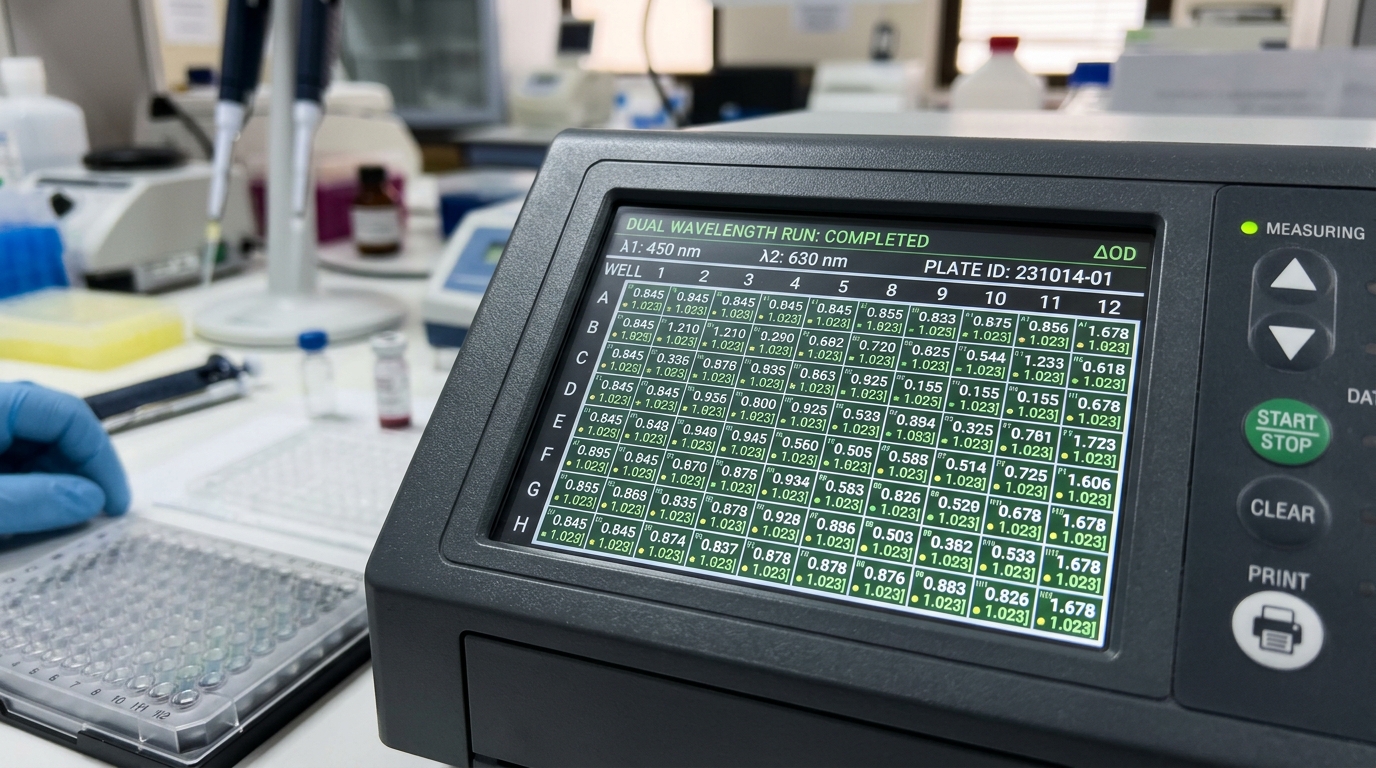
- Dual-Wavelength Measurement: Configuring the reader to assess the sample at a primary wavelength (e.g., 450 nm) and subtract a reference wavelength (e.g., 630 nm) corrects for optical imperfections in the plastic well and background light scatter.
- Optimized Integration Time: Adjusting the flash count or read time per well ensures the detector captures a stable signal. A minimum of 3 to 5 flashes per well averages out momentary optical fluctuations.
- Automated Blanking Protocols: Programming the software to automatically subtract the OD of a true blank well isolates the specific chromogenic reaction from baseline ambient light entering the measurement chamber.
Applying these parameters ensures that equipment like the Elisa Reader HE-800 delivers high-fidelity data even in active, brightly lit clinical settings.
Error Rate: Trained vs. Untrained Staff
Human interaction with optical equipment introduces significant variables. Standardized audits reveal that untrained staff members who routinely open reader lids prematurely or handle plates without gloves generate a baseline variance of 0.05 to 0.15 OD units in blank wells. Conversely, technicians subjected to structured handling protocols maintain blank well variances below 0.020 OD.
Physical placement also dictates error margins. Based on HQS clinical observation, placing an Elisa Reader within 3 feet of an unshaded window can artificially inflate OD readings by up to 0.20 in the outermost microplate wells due to scattered UV light penetrating the chassis seams. Proper training must encompass both the digital operation of the device and its physical relationship to the laboratory environment.
Downtime Cost per Hour of Misuse
Failing to control stray light extends beyond inaccurate data; it carries a measurable financial burden. When background noise invalidates a standard curve, the entire plate must be re-run. In a typical veterinary reference laboratory, the estimated downtime cost ranges from $120 to $250 per hour of misuse. This calculation factors in wasted diagnostic reagents, consumable plastics, and technician labor.
Furthermore, diagnostic delays affect patient care. A two-hour delay in confirming a feline leukemia virus (FeLV) test due to an optical read error disrupts isolation protocols and treatment initiation in an emergency setting. Maintaining strict environmental control and adhering to preventative maintenance schedules minimizes these costly disruptions and extends the functional lifespan of the photodetectors.
Maintenance Interval Benchmarks
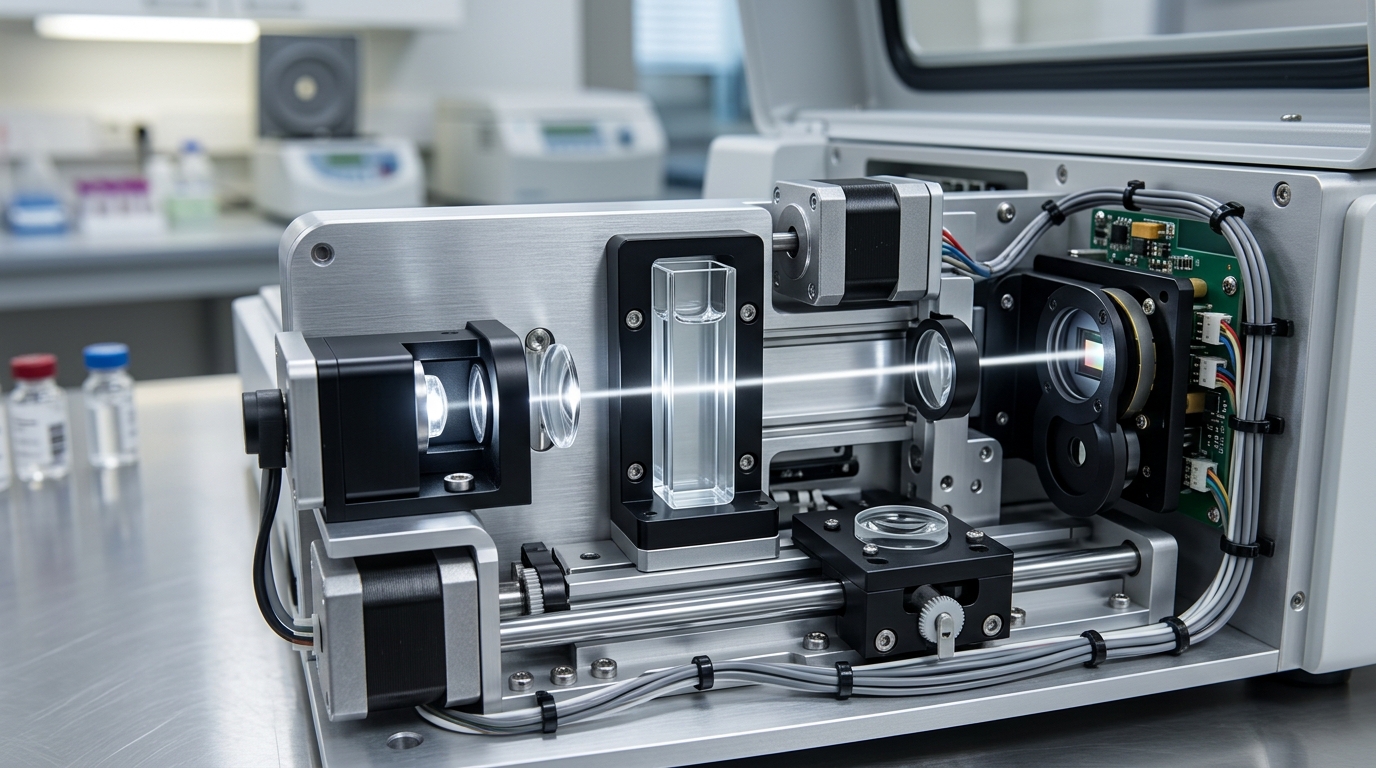
A proactive maintenance schedule is the most effective strategy for preventing long-term stray light issues caused by dust accumulation and mechanical wear. Aligning your microplate reader maintenance with the protocols used for your hematology analyzer creates a cohesive, error-resistant laboratory environment. The following benchmark table outlines the industry-standard frequencies required to maintain optimal optical clarity.
| Frequency | Task | Key Action |
|---|---|---|
| Daily | Optical Path Check | Inspect and clear the plate carrier mechanism of dust, pet dander, and reagent spills before initialization. |
| Weekly | Transport Rail Cleaning | Wipe down internal transport mechanics with a dry, lint-free swab to prevent jitter during readings. |
| Monthly | Calibration Verification | Run a standardized calibration microplate to assess OD linearity and verify detector accuracy against a known baseline. |
| Annual | Professional PM | Conduct professional internal optics cleaning and replace halogen lamps (if applicable) to maintain consistent light intensity. |
Frequently Asked Questions
How does stray light physically alter optical density (OD) readings?
Stray light bypasses the sample but still strikes the photodetector. Because OD is calculated logarithmically based on the ratio of incident light to transmitted light, this extra light artificially lowers the perceived absorbance of the sample. In highly concentrated samples with high true OD, this scattered light causes severe non-linearity, resulting in falsely low concentration reports for the biomarker being tested.
What is the acceptable OD variance for a blank well in veterinary assays?
For most commercial veterinary ELISA kits, the acceptable optical density for a blank well should remain strictly under 0.050 OD. If blank readings consistently exceed 0.100 OD, it indicates systemic optical interference, which may stem from ambient laboratory light leakage, dust on the optical filters, or contaminated reagent buffers.
Can microplate readers be placed near centrifuges or other vibration sources?
No. While microplate readers have robust internal mechanics, placing them on the same benchtop as a running centrifuge can induce micro-vibrations during the read cycle. This movement alters the meniscus of the fluid in the well, scattering the internal light beam and compounding stray light errors. Always isolate optical measurement devices on a dedicated, stable surface.
Data Summary: Optimization Impact
Implementing targeted strategies to control ambient light and mechanical wear yields quantifiable improvements in laboratory output. By combining strict environmental positioning, dual-wavelength read settings, and scheduled optical maintenance, clinics can stabilize their assay workflows. The table below summarizes the measurable impact of addressing stray light vulnerabilities in a clinical setting.
| Metric Assessed | Baseline (Unoptimized) | Post-Optimization Result | Clinical Value |
|---|---|---|---|
| Re-test Rate | 18% | < 3% | Conserves reagents and speeds up diagnostics. |
| Blank Well Variance | 0.05 - 0.15 OD | < 0.02 OD | Ensures reliable low-end sensitivity for early disease detection. |
| Batch Throughput | Standard | +15% efficiency | Allows processing of an additional 12-15 plates per shift. |
| Hourly Downtime Cost | $120 - $250 | Eliminated | Maximizes return on investment for laboratory consumables. |