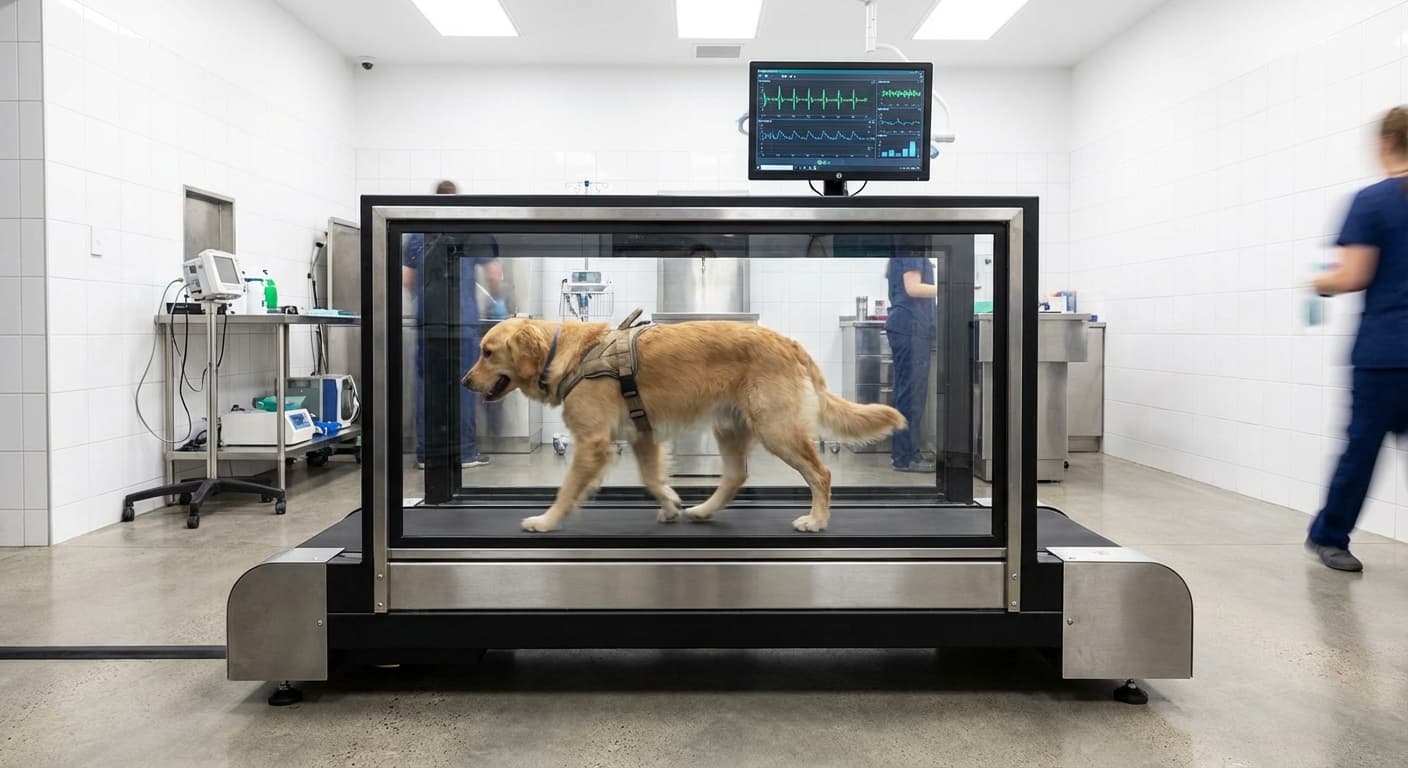
Are dog treadmills a good idea? Yes, as a supplement to walks rather than a replacement. A treadmill is useful for controlled rehabilitation after orthopaedic surgery or injury, on a plan set by the veterinarian, for weight management, for keeping high-energy or boarding dogs fit when outdoor exercise is limited, and for exercise in bad weather. It needs supervision: start at a slow walk for a few minutes, increase speed and time gradually, never tie the dog to the machine or leave it alone, and stop at signs of fatigue, pain or fear. Choose a running surface long enough for the dog's full stride and a motor that runs smoothly at low speed.
The Strategic Evolution of Veterinary Care
The landscape of veterinary medicine is undergoing a seismic shift, moving from reactive acute care to proactive, holistic wellness and rehabilitation. In this transition, the Pet Treadmill has evolved from a niche luxury item to a fundamental clinical asset. By 2026, the integration of controlled gait therapy is projected to become a standard of care for post-operative orthopedic recovery, obesity management, and geriatric proprioceptive maintenance. This evolution is not merely clinical; it is economic. Clinics that fail to offer comprehensive physical rehabilitation services risk losing a significant portion of the "lifetime patient value" to specialized referral centers.
Technological Milestones & Historical Context
Historically, veterinary treadmills were often modified human equipment, leading to significant biomechanical mismatches. The stride length of a quadruped, particularly large breeds, differs fundamentally from bipedal mechanics. Early adaptations failed to account for the "floating phase" of a dog's trot, resulting in shortened decks that compromised gait extension and led to compensatory injuries.
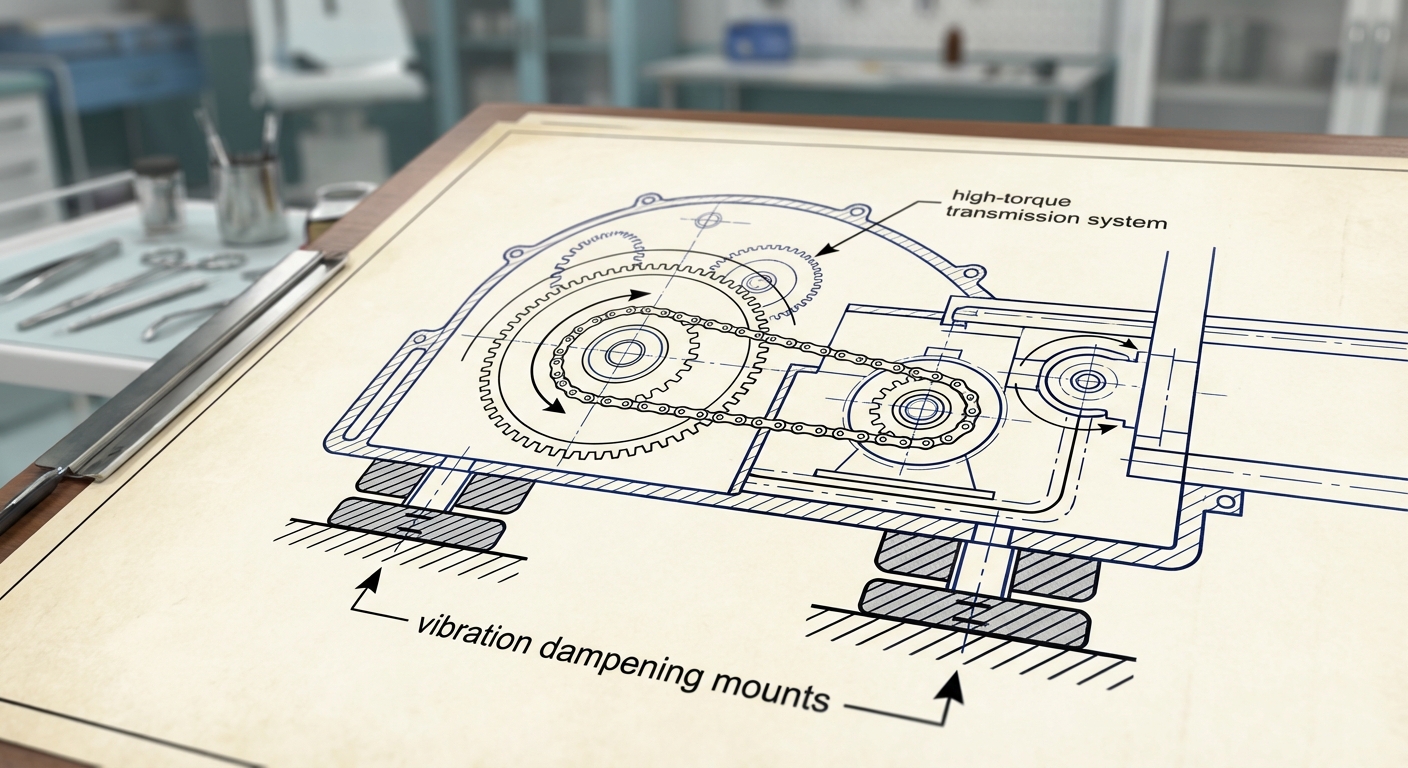
The current generation of manufacturing excellence focuses on three critical engineering pillars: Low-Profile Motor Torque, Extended Deck Architecture, and Shock Absorption Hysteresis. We are observing a departure from AC motors designed for high-speed human running toward DC high-torque motors capable of maintaining consistent belt speed at the sub-1.0 km/h range required for neurological rehabilitation. This technological leap ensures that the equipment aids recovery rather than forcing the patient to "chase" the belt.
Top 5 Manufacturing Archetypes and Market Leaders in 2026
Rather than simply listing brands, which often fluctuate in ownership, it is more valuable for clinical decision-makers to understand the five distinct "Manufacturing Archetypes" that dominate the high-end market in 2026. These represent the gold standards against which all purchases should be vetted.
1. The Hydro-Therapeutic Integrators
Manufacturers in this tier focus exclusively on underwater treadmills. While highly effective for buoyancy-assisted recovery, the operational overhead (water filtration, heating, floor load reinforcement) restricts their utility for high-volume commercial boarding. They remain the standard for acute post-op spinal cases.
2. The Biomechanical Purists (The HQS Standard)
This group prioritizes dry-land gait mechanics: a long running surface, a motor that runs smoothly at low speed, side panels and simple controls. The HQS TM-C300/C300W follows this approach, with a 40 × 145 cm running surface, a 1.75 HP motor, a speed range of 0.8–12 km/h and a maximum load of 100 kg.
3. The Smart-Data Aggregators
The newest entrants in 2026 focus heavily on IoT integration. These manufacturers produce treadmills that sync with practice management software (PMS), automatically logging distance, duration, and incline into the patient's electronic medical record. While innovative, reliability of the software stack remains a variable.
4. The Heavy-Duty Commercial Specialists
Designed for boarding kennels and police K9 units, these manufacturers prioritize sheer durability over clinical finesse. Their machines are built to run 12 hours a day. However, they often lack the low-speed precision required for delicate veterinary rehab.
5. The Compact Urban Innovators
Targeting city clinics with limited floor space, these manufacturers make smaller machines for small breeds and cats. The HQS TM-J100 is designed for cats, with a 28 × 85 cm running surface and a speed range of 0.8–6 km/h.
Investment Value & Long-term Asset Resilience
For practice owners, a treadmill serves a wider group of patients than many diagnostic devices: overweight pets, high-energy boarding dogs and post-operative rehabilitation cases. It can support weight-management programmes and rehabilitation services, and how quickly it pays back depends on how often it is used and what the clinic charges.
Emerging Innovations in Veterinary Practice
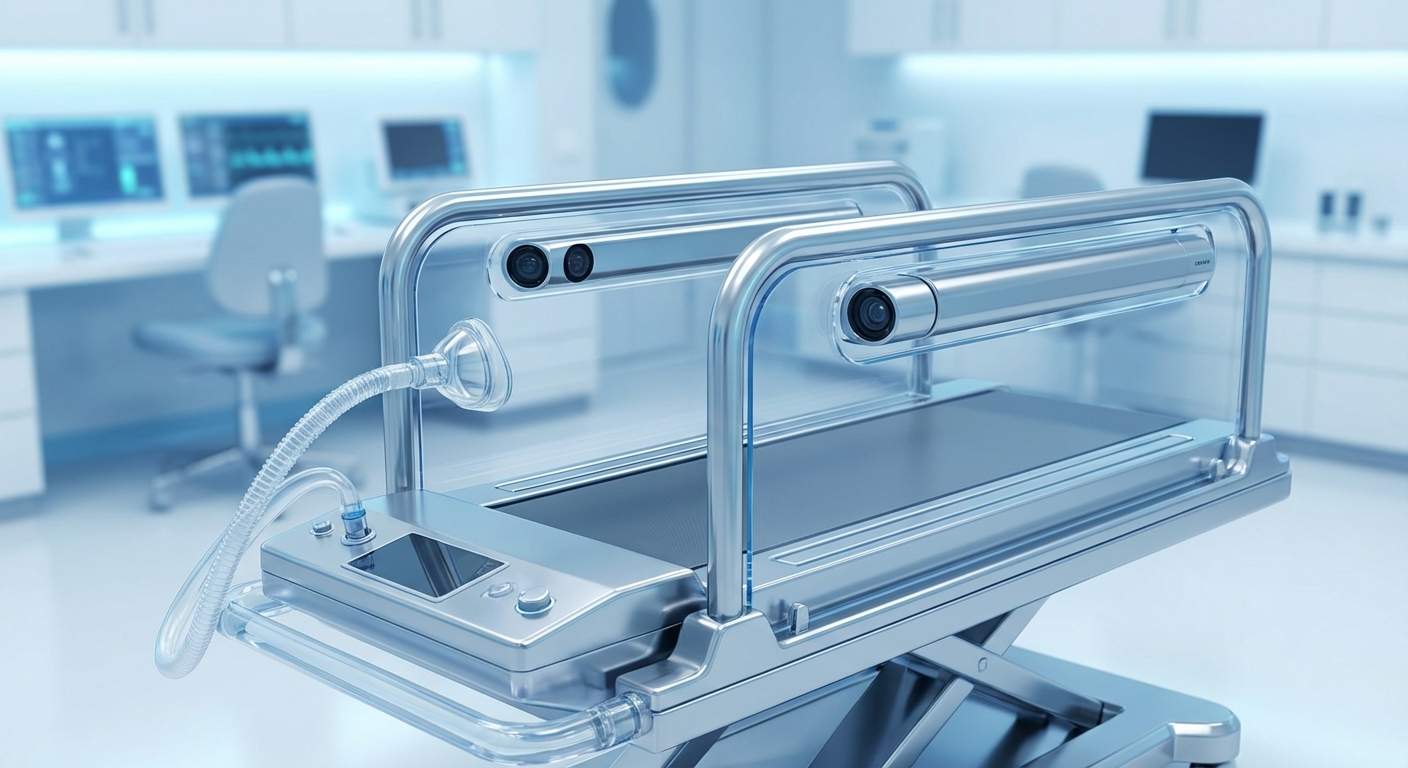
Looking toward the latter half of the decade, we anticipate the integration of AI-driven gait analysis directly into treadmill units. Cameras embedded in the side rails will analyze stride symmetry in real-time, offering visual biofeedback to the operator. This will transform the treadmill from an exercise device into a diagnostic monitoring tool.
HQS Medical: Engineering the Future of Animal Health
HQS Medical makes the TM series of pet treadmills for clinics, rehabilitation centres and boarding facilities, from the compact TM-J100 for cats to the TM-C200/C200W (34 × 105 cm running surface) and TM-C300/C300W (40 × 145 cm) for dogs. The dog models have a 1.75 HP motor, a speed range of 0.8–12 km/h, a 100 kg load limit and an LED display showing speed, time, distance and calories.
Frequently Asked Questions
What is the minimum deck length required for a large breed dog treadmill?
The running surface should be long enough for the dog to walk and trot with a full, natural stride without touching the front or back of the deck. For large breeds such as German Shepherds, choose the longest deck available; in the HQS range that is the TM-C300/C300W at 145 cm.
How does a veterinary treadmill differ from a human treadmill?
Veterinary treadmills feature extended decks for quadruped strides, side containment panels to prevent the animal from stepping off, and high-torque motors geared for low speeds (under 1 km/h) rather than high-speed running. Additionally, the controls are often positioned for the handler standing beside the machine, not on the console.
Is a treadmill a viable investment for a general practice, or only for specialists?
Given the rising prevalence of canine obesity and osteoarthritis, general practices can highly benefit from a treadmill. It allows for "Weight Management Clinics" and added-value boarding services, creating a new revenue stream without the need for a specialized rehabilitation certification for basic conditioning usage.
Looking Ahead: Embracing the Digital Transformation
The trajectory for 2026 is clear: the integration of robust mechanical engineering with data-driven clinical insights. Whether for a high-volume boarding kennel or a specialized surgical center, the Pet Treadmill has graduated from an optional accessory to a core component of animal health infrastructure. As we move forward, the collaboration between clinical feedback and engineering innovation will continue to refine these tools, ensuring better outcomes for patients and better business for providers.