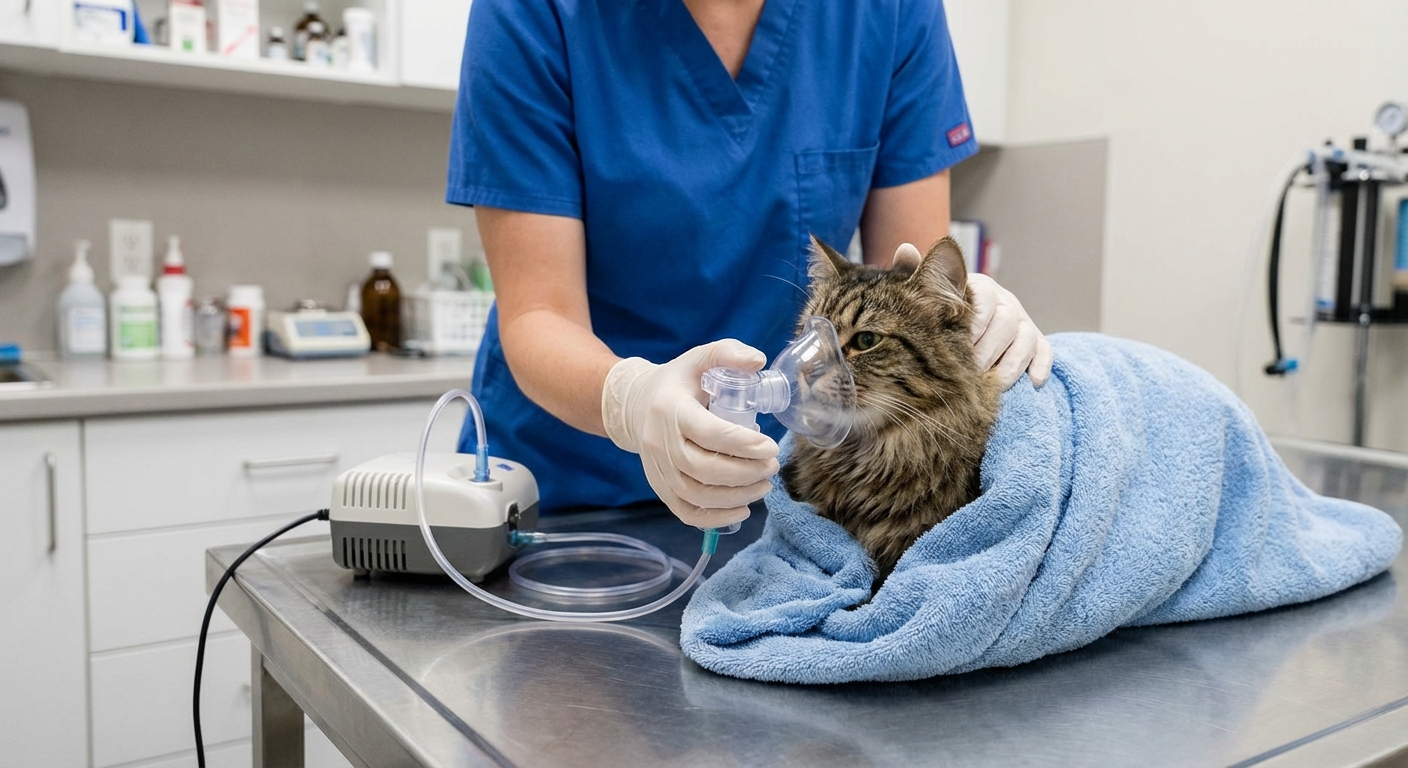
How do you nebulize a cat? Use only the solution your veterinarian prescribes, often sterile saline or a prescribed medication. Fill the nebulizer cup, then either fit a soft mask that covers the cat's nose and mouth without pressing on the face, or place the cat in a carrier, cover it with a towel and direct the mist inside. Work in a quiet room, wrap the cat in a towel if needed, let it get used to the sound and the mask before the first full session, and follow the session length and frequency your vet sets. Watch the cat's breathing throughout, stop if it panics or struggles to breathe, and rinse the cup and mask with distilled water afterwards. In clinics, the HQS HV-N2 compressor nebulizer is used with the M6 veterinary mask set, a set of six masks for cats, dogs and other animals.
Respiratory therapy in veterinary medicine has evolved from a supplementary treatment to a cornerstone of managing chronic conditions like Feline Asthma (FA), Recurrent Airway Obstruction (RAO) in equines, and infectious pneumonia in canines. By 2026, the shift from systemic oral medication to targeted aerosol delivery is not merely a clinical preference but a standard of care driven by the need to minimize systemic side effects while maximizing local drug concentrations. For clinic owners and lead technicians, selecting the right equipment is no longer just about purchase price; it is about particle physics, workflow integration, and long-term device durability.
Maximizing Clinical Outcomes with Precision Aerodynamics
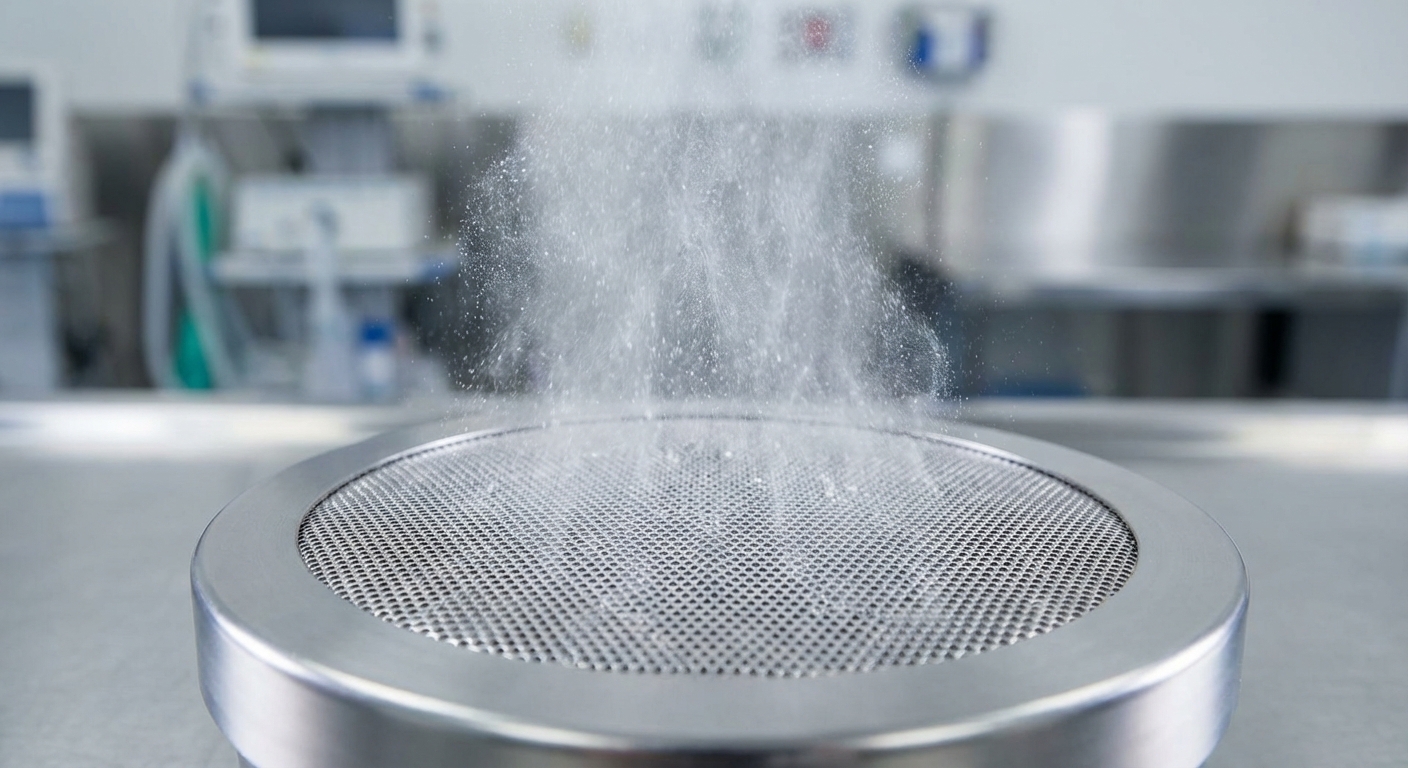
The efficacy of any respiratory treatment relies fundamentally on the physics of aerosol deposition. A nebulizer is only as effective as its ability to deliver medication to the lower respiratory tract. Aerosol research generally places the useful Mass Median Aerodynamic Diameter (MMAD) for reaching the lower airways at roughly 2 to 5 micrometers. Particles larger than 5μm tend to impact the upper airway or are swallowed, while those smaller than 0.5μm are often exhaled without settling.
Modern clinical environments demand devices that utilize vibrating mesh technology rather than traditional jet compression. Jet nebulizers often suffer from the "cooling effect," where the expansion of gas cools the solution, potentially causing bronchoconstriction in sensitive feline patients. In contrast, advanced mesh systems maintain solution temperature and generate a consistent plume with a Geometric Standard Deviation (GSD) of less than 1.5, ensuring that the majority of the aerosol cloud is within the respirable fraction.
Core Principles of Calibration & Setup
Good results depend on setup as much as on the device. The most important variable is the fit of the interface: whether you use a mask for a foal or a chamber for a cat, the seal should be as close to airtight as the patient allows. Even a small gap lets room air in and reduces the dose that reaches the airways, so choose a mask size that matches the muzzle. Compressor (jet) nebulizers such as the HQS HV-N2 should be kept upright while running so the medication cup keeps producing mist.
Clinical Best Practices for Modern Veterinarians
Integrating nebulization into daily practice requires a nuanced approach for different species. Keeping the patient calm matters, because a struggling animal breathes fast and shallow and inhales less of the medication.
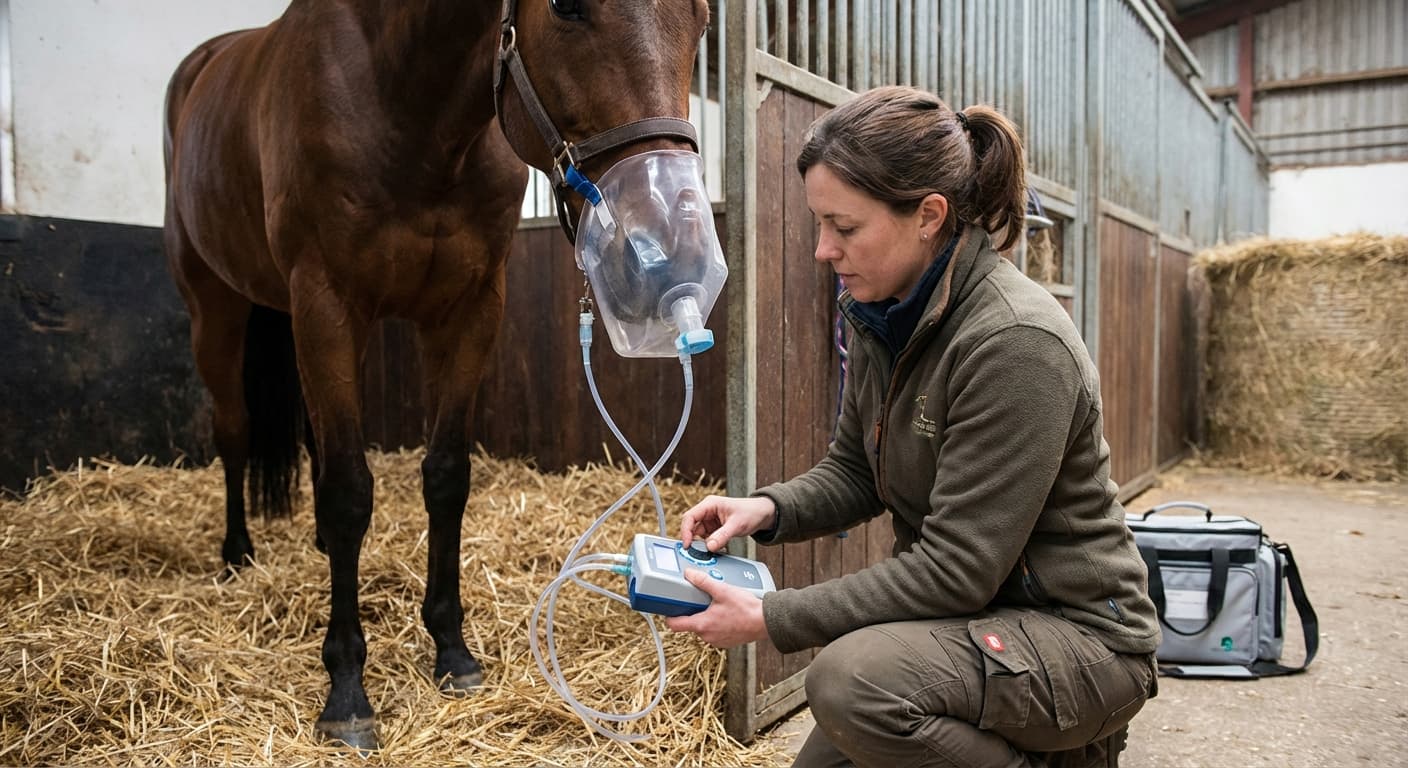
Equine Applications: For horses suffering from RAO or Exercise-Induced Pulmonary Hemorrhage (EIPH), the nebulizer must be silent. The high-frequency pitch of compressor motors often spooks equines. Using a battery-operated mesh unit allows the vet to move with the horse in the stall. The device should be coupled with a specialized equine mask that minimizes dead space.
Feline Asthma Management: Cats are notoriously intolerant of noise and restraint. The "box technique," where the nebulizer output is directed into a carrier, is a common workaround, but direct mask administration is far more efficient. Technicians should utilize the silent operation of modern units to introduce the mask gradually, perhaps using food rewards, to establish a positive association before the acute need arises.
Infectious Disease Control: When treating infectious pneumonia (e.g., Bordetella or Canine Influenza), the nebulizer becomes a potential vector. It is imperative to use units with autoclavable medication cups or easily detachable heads. Cross-contamination risks are mitigated by strictly adhering to single-patient use for consumables or rigorous sterilization protocols verified by standard microbial testing.
Proactive Maintenance & Rapid Troubleshooting
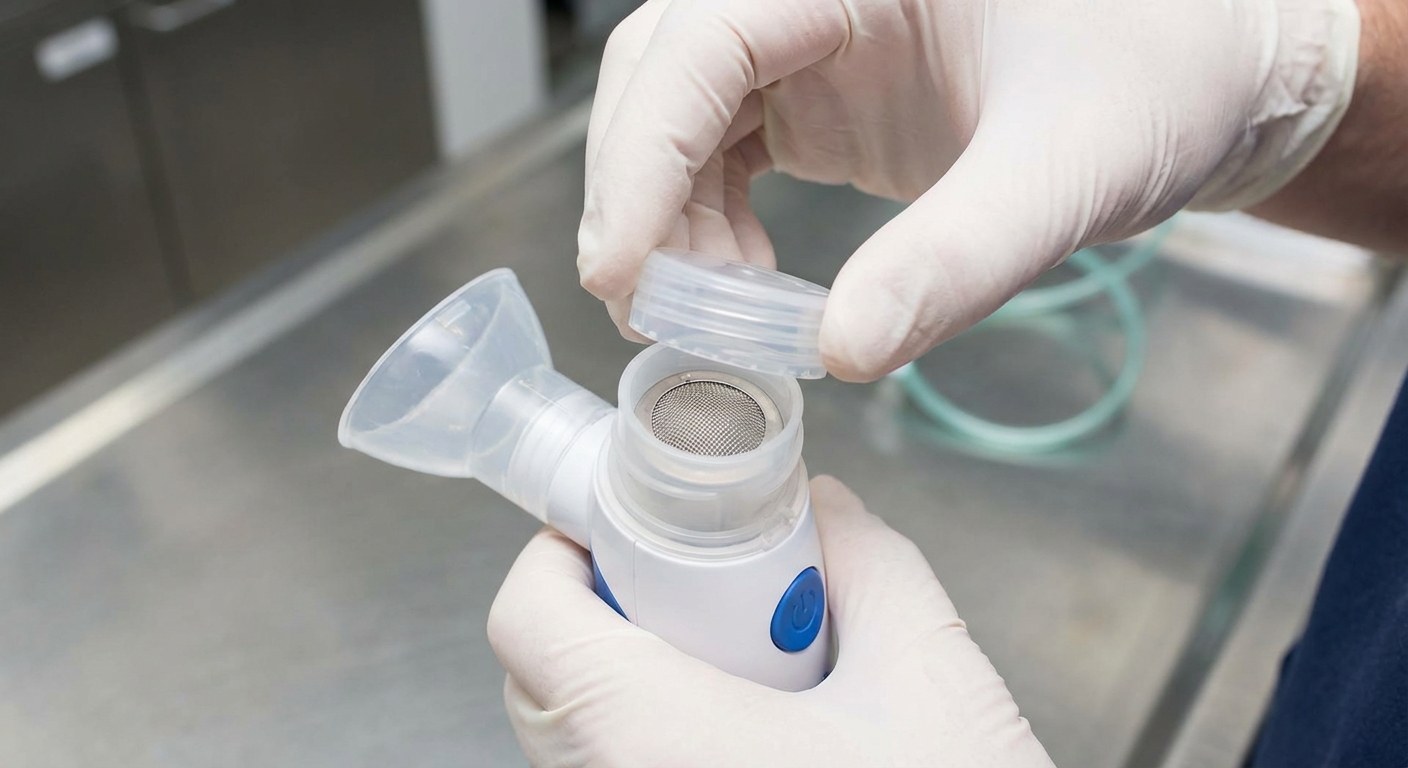
The Achilles' heel of mesh technology is the clogging of the microscopic apertures. Unlike jet nebulizers, which are relatively robust against debris, a mesh with 3-micron holes can be easily occluded by crystallized saline or viscous antibiotic solutions.
To prevent premature failure of your Nebulizer inventory, implement the following "Reverse-Flush" protocol after every use: 1. Immediate Rinse: Never allow the medication to dry in the cup. Rinse with distilled water immediately. 2. Nebulize Water: Run the device for 30-60 seconds with pure distilled water to clear the mesh pores. 3. Weekly Deep Clean: Use a specialized enzymatic cleaner compatible with the mesh material (usually palladium or titanium alloy) to dissolve protein buildups if using biologicals.
Common Technical Trap: Many clinics erroneously use tap water for cleaning. The mineral content (calcium/magnesium) in tap water will calcify on the mesh upon drying, permanently altering the vibrational frequency and ruining the device. Always use distilled water for maintenance.
Advanced Technical Mastery for Practitioners
For critical care specialists, the nebulizer can be part of a multimodal respiratory support system. Advanced setups involve coupling the nebulizer into the inspiratory limb of a ventilator circuit or an oxygen cage. Placement in the circuit matters, because it affects how much aerosol reaches the patient, so follow the ventilator and nebulizer manufacturers' instructions for where to connect it.
When used in conjunction with an Oxygen Concentrator, ensure the flow rate of the oxygen does not create excessive backpressure that impedes the nebulizer's output. A T-piece adapter with a one-way valve is often the most effective method for simultaneous oxygenation and nebulization without diluting the FiO2 significantly.
Frequently Asked Questions
Can human nebulizers be used effectively on horses?
Generally, no. While the core technology (compressor or mesh) might be similar, human handheld units often lack the medication cup capacity required for equine dosages (which can exceed 10-15ml). Furthermore, standard human units are not designed to interface with equine masks or withstand the dust and durability requirements of a stable environment. Specialized veterinary units are calibrated for the specific viscosity of veterinary formulations.
How often should the vibrating mesh be replaced?
It depends on use and cleaning, so follow the manufacturer's manual. Signs that a mesh head needs replacing include a visibly weaker mist, longer treatment times or frequent automatic shut-offs, and keeping a spare in stock avoids interruptions. Compressor nebulizers such as the HV-N2 have no mesh; replace their medication cups, tubing and masks as they wear.
Is it safe to nebulize antibiotics?
Yes, but with strict precautions. Aminoglycosides (like Gentamicin) are commonly nebulized. However, because the aerosol escapes into the room air, it poses a respiratory risk to the veterinary staff. It is mandatory to use a closed system or perform the treatment in a well-ventilated area, ideally inside a fume hood or specialized cage, to prevent staff exposure to aerosolized antibiotics, which can cause long-term resistance or allergic reactions.
Elevating Standards of Care through Expertise
Nebulization delivers respiratory medication where it is needed, provided the device produces particles small enough to reach the airways and the mask fits. Vibrating mesh units are quieter and leave less medication behind; compressor units cost less and are easy to clean and maintain. The HQS HV-N2 veterinary nebulizer is a compressor model with a 4 µm mist particle size (MMD), a maximum output of 0.2 mL/min, noise of 60 dB(A) or less and an AC 220 V supply, designed to be used with the M6 veterinary mask set.