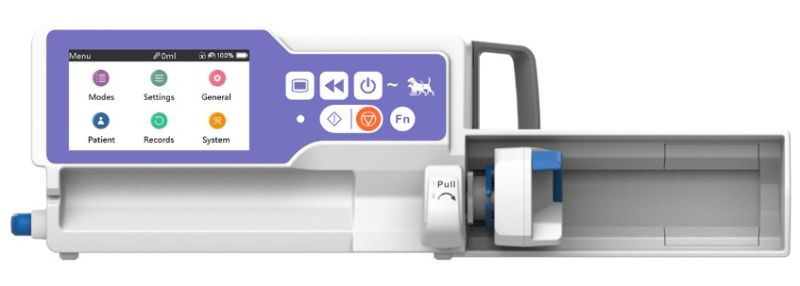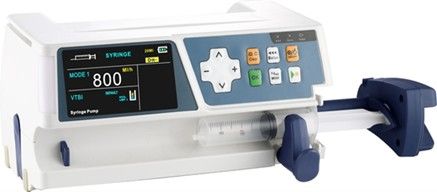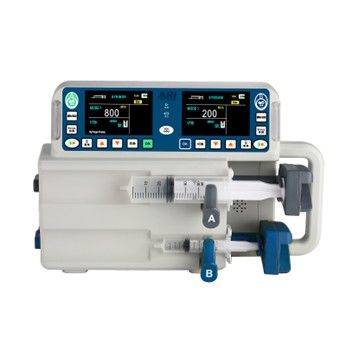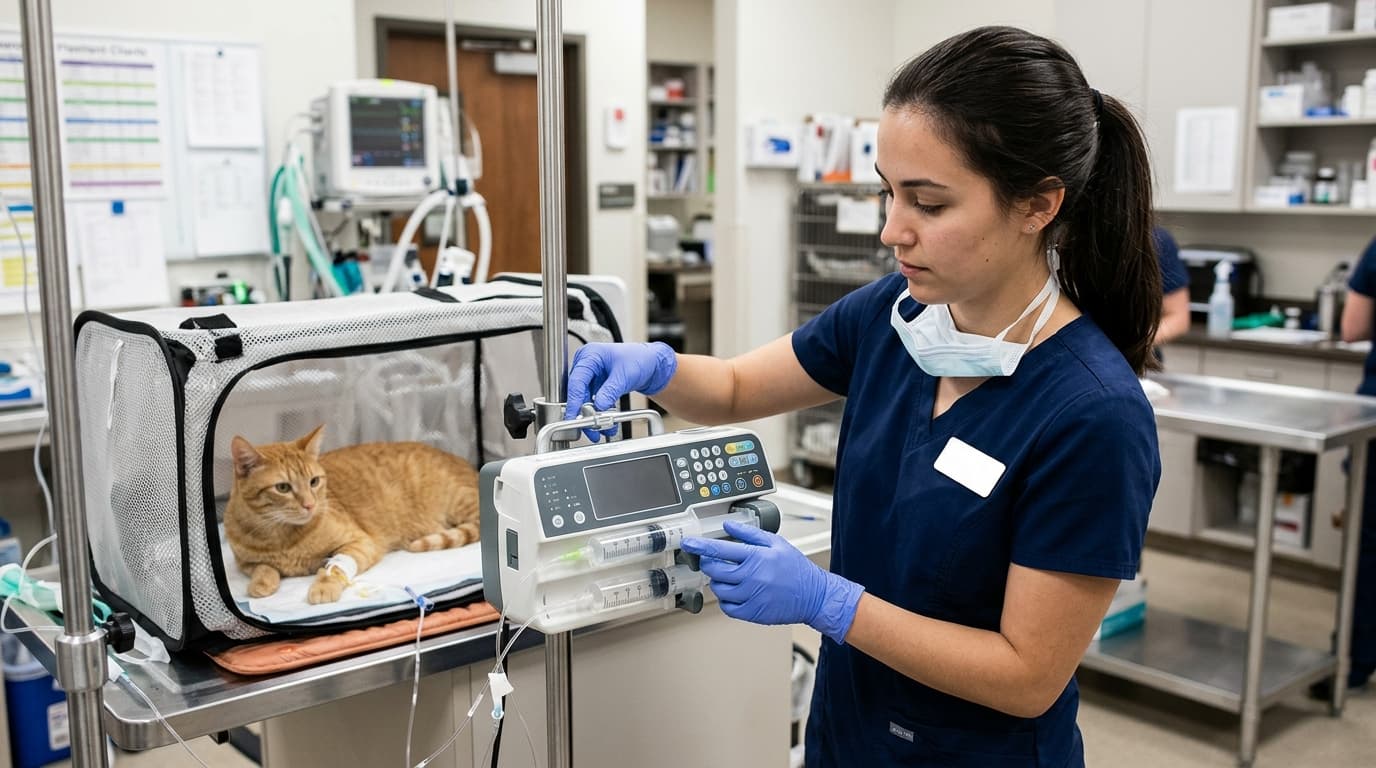
A review of veterinary critical care protocols indicates that volumetric discrepancies during micro-infusions frequently stem from mismatched hardware and consumables. When procuring a veterinary syringe pump, clinical directors face a primary architectural choice: open systems versus closed systems. Open systems allow the integration of standard, third-party syringes, while closed platforms require proprietary, brand-specific consumables. Balancing upfront hardware costs against long-term consumable expenditures dictates the total cost of ownership.
This technical report evaluates the operational metrics, setup efficiencies, and maintenance protocols required to maximize equipment lifespan and clinical accuracy in multi-species environments.
Efficiency Gains: The Numbers Speak
Procurement data highlights a sharp division in daily operating costs between pump architectures. Open systems reduce consumable expenditures by an estimated $400 to $600 annually per ICU bed, as clinics can utilize standard bulk-purchased plastics (e.g., standard 10mL or 50mL syringes). However, these systems require manual input to select the correct syringe brand and size from an internal library, adding approximately 12 to 18 seconds to the setup workflow per patient.
Closed systems, conversely, utilize RFID or barcode scanners to automatically recognize proprietary syringes. This eliminates manual calibration steps, reducing setup time by up to 30% during emergency triage. Based on HQS clinical observation across high-volume 24/7 veterinary hospitals, transitioning from rigid closed systems to open platforms programmed with an approved three-brand syringe library yields a 15% net efficiency gain in technician workflow, provided staff compliance with library protocols remains strict.
3 Settings That Cut Procedure Time
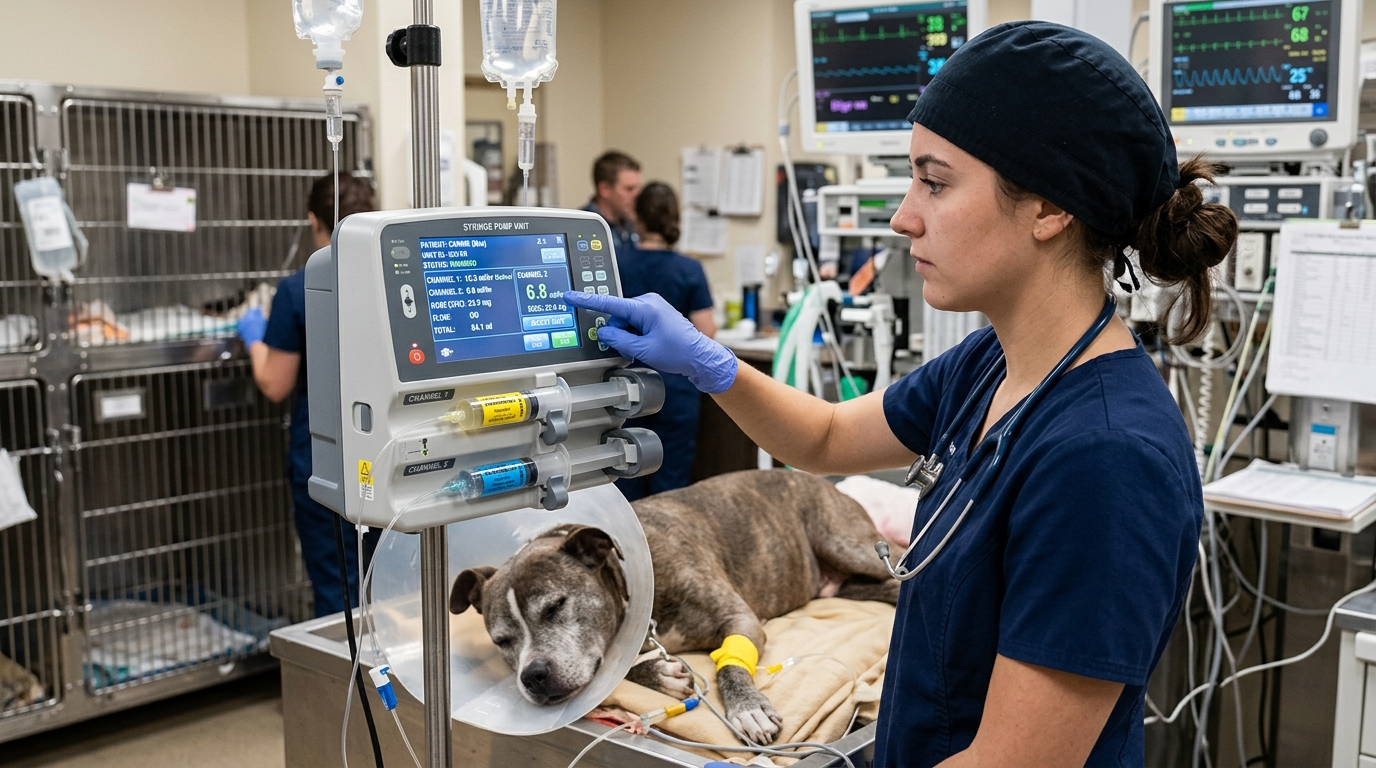
Optimizing default pump configurations directly correlates with reduced procedural bottlenecks. Establishing standardized baseline parameters prevents repetitive manual entry and limits the risk of occlusion alarms that disrupt clinical workflows.
The following three settings yield the most significant time reductions:
- Keep Vein Open (KVO) Rate: Automating the KVO function to 0.1–1.0 mL/h prevents catheter clotting post-infusion. This eliminates an average of 8 to 10 minutes previously spent manually flushing lines or replacing compromised IV access points.
- Dynamic Occlusion Pressure Thresholds: Defaulting to species-specific limits (e.g., 300 mmHg for feline neonates versus 800 mmHg for large canines) prevents false occlusion alarms caused by patient movement or positional vein restriction.
- Pre-programmed Drug Libraries: Pre-loading 20 to 30 common constant rate infusions (CRIs)—such as fentanyl, ketamine, or propofol—cuts dosage calculation time by up to 45% during critical surgical interventions.
Syringe Pump Configuration Comparison
Selecting the right hardware depends on case complexity and consumable budget. For a broader overview of infusion technology, evaluate the veterinary syringe pump category to match clinical requirements with specific hardware limits.
| Type/Model Configuration | Key Parameters | Applicable Scenarios | Estimated Price Range |
|---|---|---|---|
| Open System (Single Channel) | Accepts 10mL-60mL standard syringes, ±3% volumetric accuracy | General ward, standard fluid therapy, routine CRIs | $350 - $650 |
| Closed System (Proprietary) | Auto-recognition, ±2% volumetric accuracy, strict consumable lock | NICU, high-precision micro-infusion delivery | $800 - $1,200 |
| Dual-Channel Open System | Independent A/B channels, dual KVO support, relay mode | Complex ICUs, multiple concurrent pain management CRIs | $750 - $1,100 |
| Target Controlled Infusion (TCI) | Pharmacokinetic modeling algorithms, weight-based dosing | Specialized surgical theaters, advanced anesthesia | $1,500 - $2,500 |
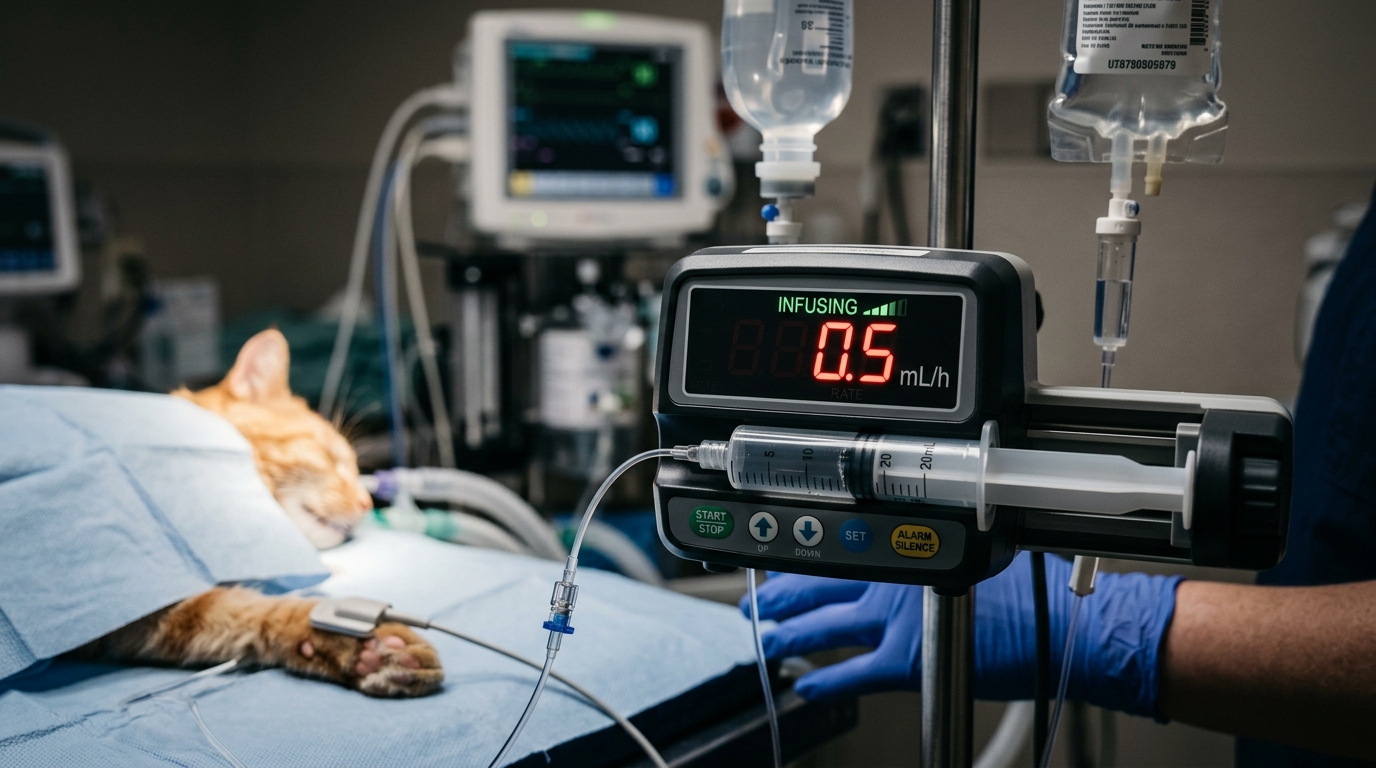
Error Rate: Trained vs. Untrained Staff
Hardware capabilities are entirely dependent on operator proficiency. Clinical audits demonstrate a 68% error rate drop post-training when moving from an unstructured deployment to a formalized device certification protocol.
Untrained staff frequently bypass internal software libraries on open systems, loading a standard syringe but confirming a different brand on the interface. Because the internal diameter of a 50mL syringe varies between manufacturers, this mismatch results in flow rate deviations of up to 18%. Implementing a standardized four-hour certification protocol focusing on proper barrel loading, pusher block engagement, and library selection virtually eliminates these high-risk calculation errors. Consistent training translates directly to safer anesthetic events and tighter fluid resuscitation control.
Downtime Cost per Hour of Misuse
Improper physical loading of syringes not only affects fluid delivery but accelerates mechanical degradation. Forcing the pusher block or failing to secure the flange clamp stresses the internal lead screw and stepper motor. Hardware failures derived from misuse are highly measurable.
When a specialized pump is pulled from the floor due to mechanical jamming, clinics incur a clinical downtime cost of approximately $120 per hour in lost procedural billing, disrupted surgical schedules, and emergency patient rerouting in critical care wards. High-durability models, such as the Syringe Pump SP - 50, incorporate reinforced pusher mechanisms to mitigate the wear caused by accidental loading force, but physical misuse remains the primary driver of premature device retirement.
Maintenance Interval Benchmarks
Proactive maintenance ensures volumetric accuracy over the device's five-to-seven-year lifespan. Accumulation of fluids, hair, and biological debris in the optical sensors or flange slots will trigger false alarms and halt infusions. Adhering to strict interval benchmarks reduces total lifetime repair costs.
The table below details the necessary interventions to maintain ISO-compliant functionality.
| Frequency | Task | Key Action |
|---|---|---|
| Daily | Surface & Sensor Cleaning | Wipe plunger slot and optical sensors with 70% isopropyl alcohol; do not soak. |
| Weekly | Physical Inspection | Examine the pusher block, flange clamp, and power cord for micro-fractures or looseness. |
| Monthly | Battery Conditioning | Disconnect from AC power; run on internal battery until 10% capacity to prevent cell memory degradation. |
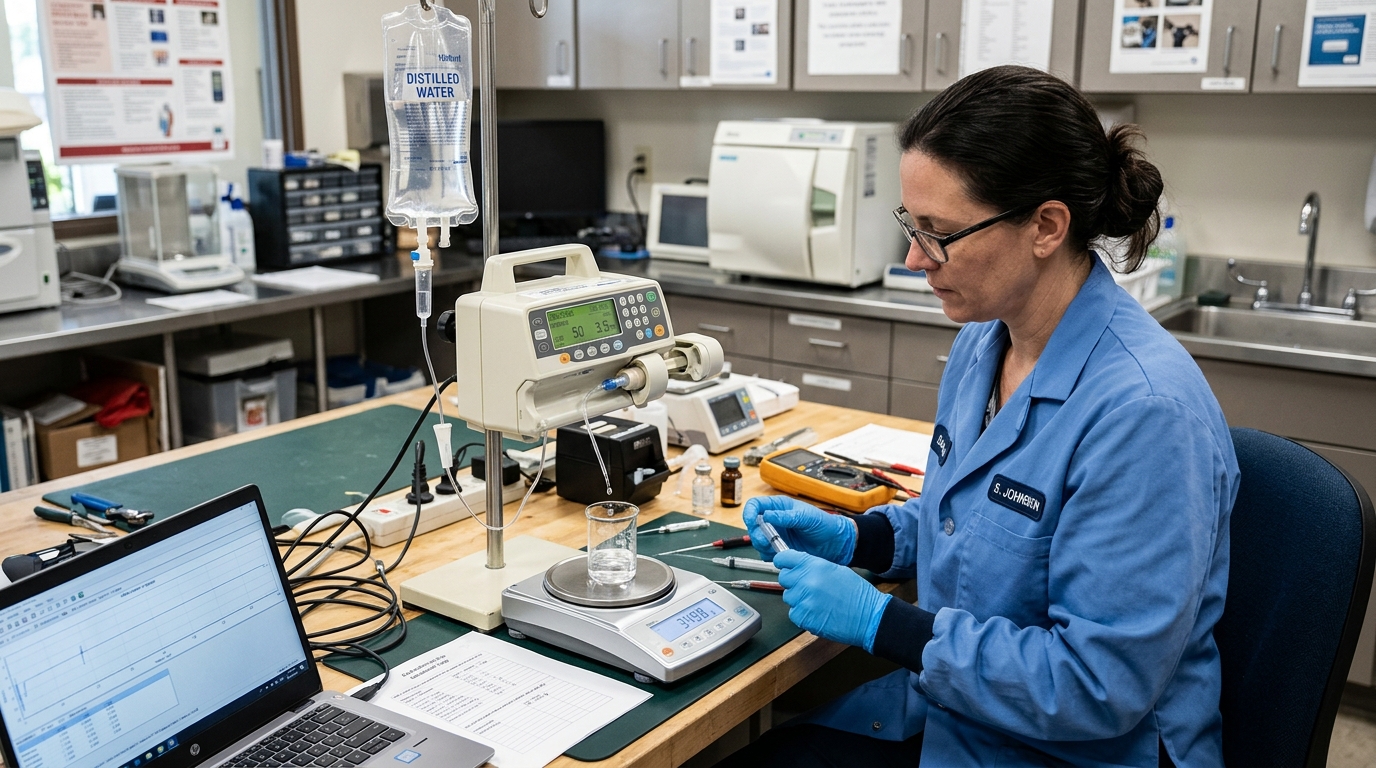
| Annual | Calibration & Certification | Verify volume delivery using a calibrated scale and distilled water; check lead screw lubrication. |
Data Summary: Optimization Impact
Tracking the metrics pre- and post-optimization validates the effort invested in staff training, protocol adjustments, and stringent maintenance. Shifting from default factory settings to customized clinical parameters yields immediate workflow improvements.
| Operational Metric | Baseline (Unoptimized) | Optimized Post-Intervention | Net Improvement |
|---|---|---|---|
| Consumable Waste Rate | 14% | 3% | -11% |
| False Alarm Fatigue Events | 22 per 12-hr shift | 6 per 12-hr shift | -72% |
| Average Setup Time | 45 seconds | 18 seconds | -60% |
| Unplanned Maintenance Downtime | 42 hours annually | 12 hours annually | -71% |
Frequently Asked Questions
Can human-grade syringes be used in veterinary open-system pumps?
Yes, provided the exact syringe brand and specific volume size (e.g., standard 50mL) are manually selected from the pump’s internal software library. Using a non-calibrated brand that has a different internal barrel diameter will result in flow rate variances of up to 20%.
What is the primary cause of frequent occlusion alarms during micro-infusions?
Occlusion alarms typically trigger due to kinked extension sets, positional limb restriction by the patient, highly viscous medications, or improperly configured pressure thresholds. Adjusting the dynamic pressure baseline to account for patient size and fluid viscosity resolves a vast majority of false alarms.
How long is the expected lifespan of the internal battery?
Most lithium-ion batteries in these devices sustain peak charge capacity for 18 to 24 months of heavy clinical use. Conducting monthly conditioning cycles, where the unit runs entirely on battery power until it reaches a low-power warning state, helps maintain this lifespan and prevents premature cell degradation.