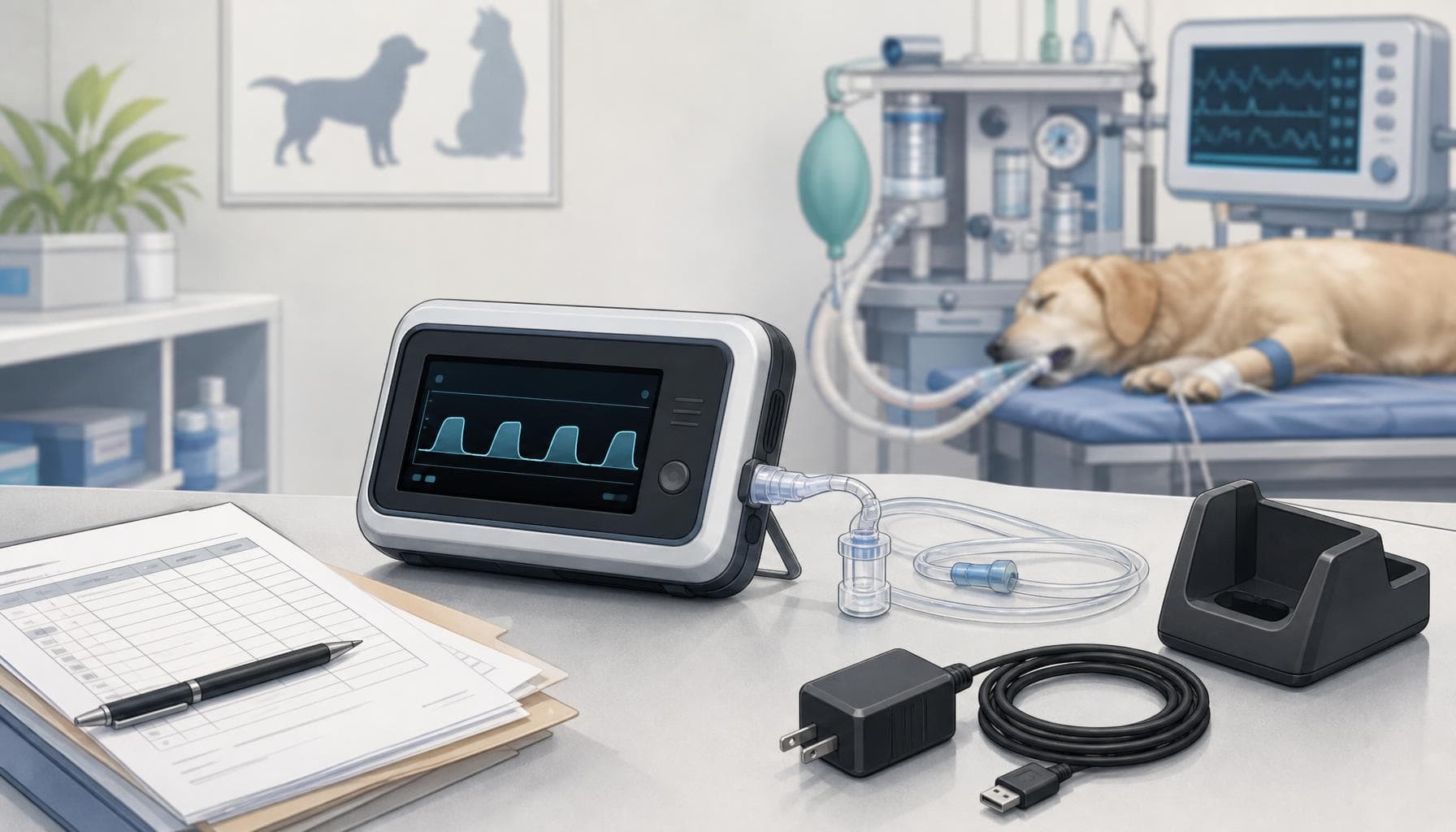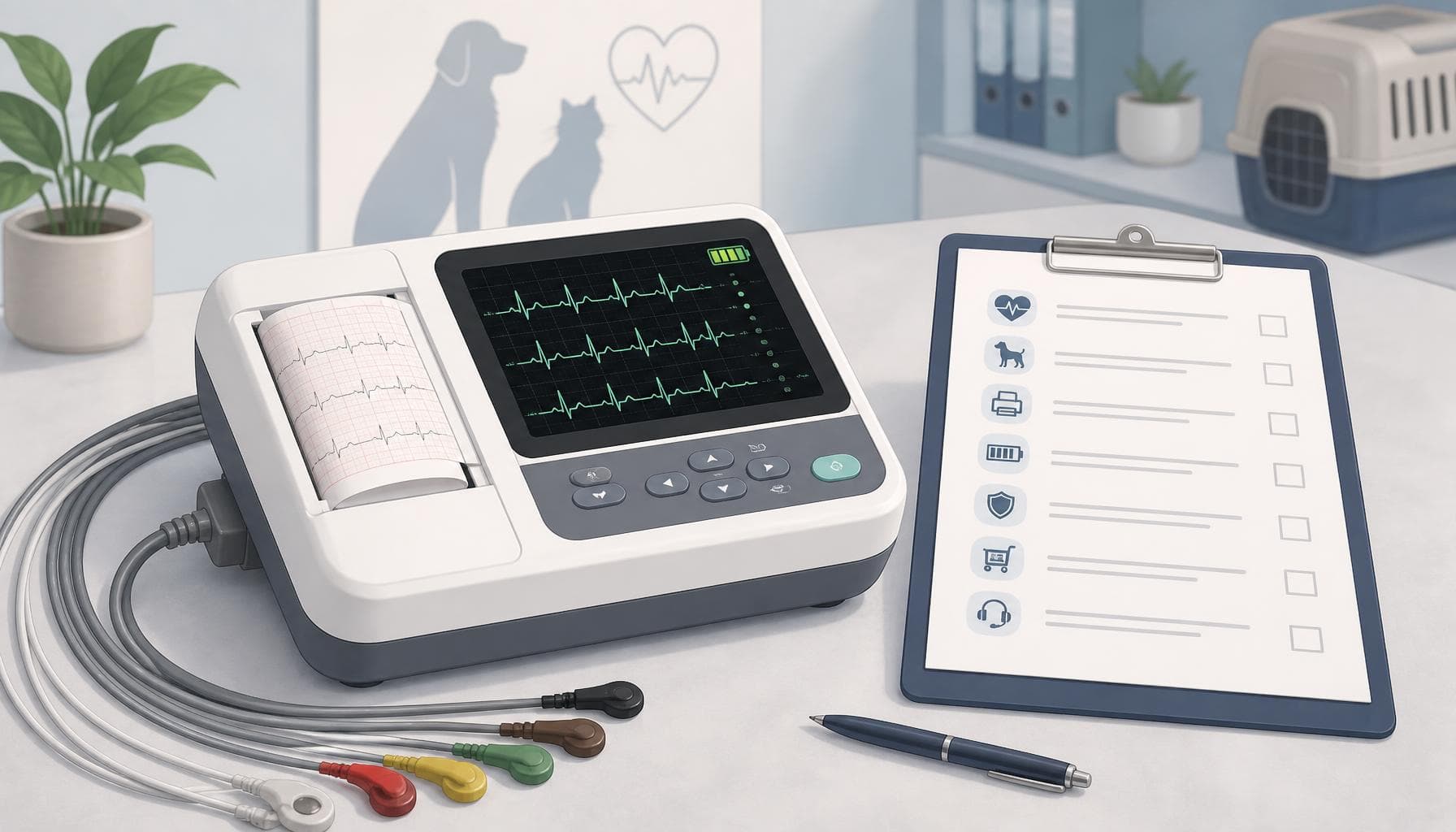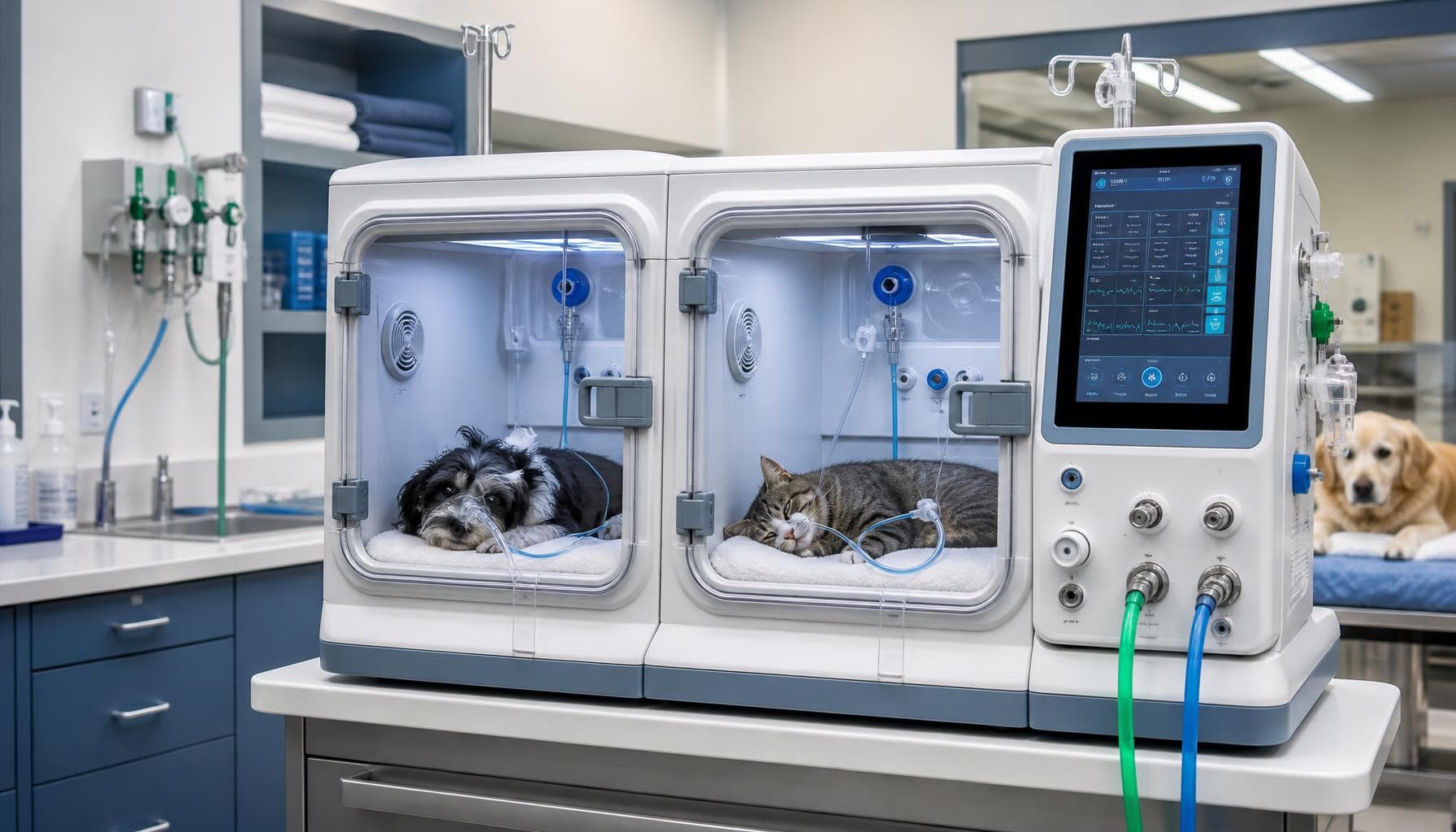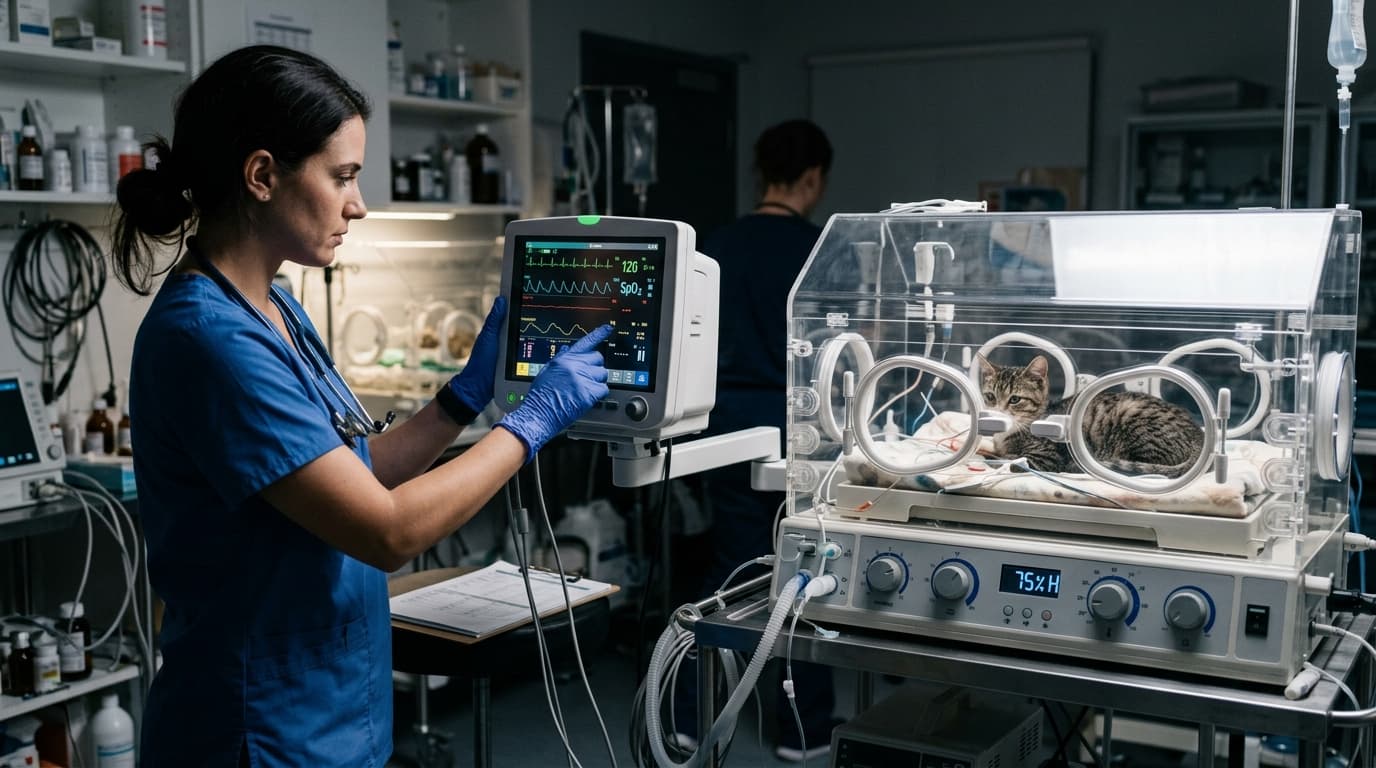
Clinical data from active veterinary emergency rooms indicates that up to 65% of unexpected sensor dropouts occur in oxygen-enriched, high-humidity environments. When treating critical respiratory or neonatal cases, practitioners routinely push incubator humidity levels above 50% to prevent airway desiccation. While clinically beneficial for the animal, these microclimates severely stress electronic monitoring peripherals. Managing a Pet ICU Monitor HICU - 01 inside a controlled environment requires specific handling protocols to prevent condensation from causing false alarms, signal degradation, and premature hardware failure.
This technical guide evaluates the mechanical limitations of monitoring sensors in high-moisture settings and establishes actionable protocols to maintain data integrity without compromising patient therapy.
Sensor Failure Rates: The Humidity Factor
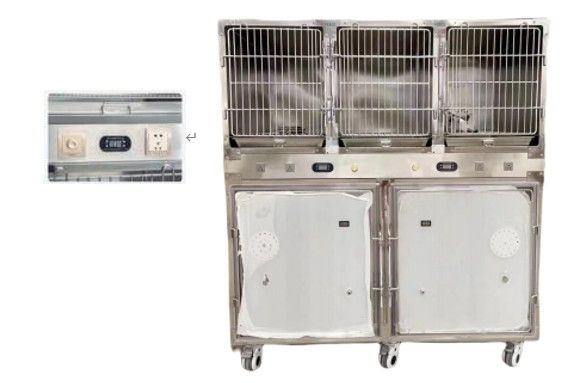
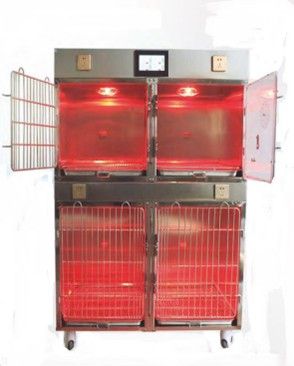
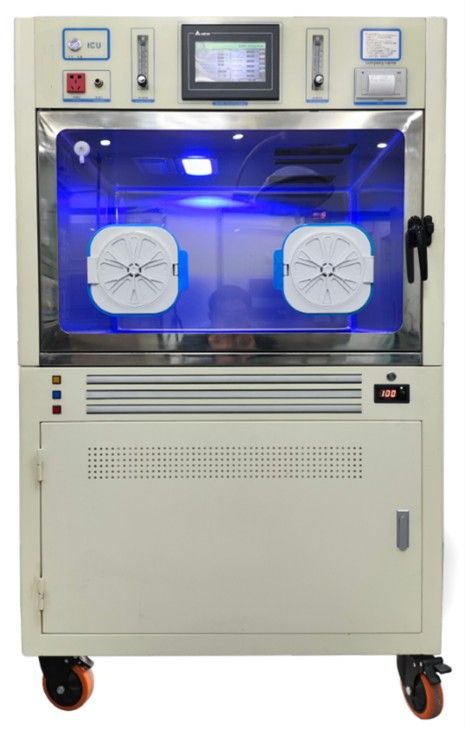
In standard room air, veterinary physiological sensors maintain a predictable lifespan. However, when integrated into a high-humidity environment like a Pet ICU Incubator H-1801, the failure curve accelerates. Moisture ingress alters the optical clarity of SpO2 diodes and corrodes the conductive plating on ECG clips. Clinic audits show that continuous exposure to condensation without proper mitigation increases sensor replacement frequency by a factor of three. Water droplets act as physical barriers on light-emitting diodes, scattering the signal before it penetrates the tissue, resulting in a persistent "Check Probe" error. By understanding these physical failure mechanisms, veterinary staff can shift from reactive replacement to proactive preservation.
3 Metrics That Matter in High-Humidity Environments
To accurately assess equipment performance in a humidified cage, clinical directors must monitor three specific data points. First is the SpO2 Perfusion Index (PI); a sudden drop in PI without a corresponding change in the animal’s clinical status often indicates moisture bridging across the sensor housing rather than true peripheral vasoconstriction. Second is ECG baseline impedance. Normal baseline wander is expected during respiration, but severe, jagged artifact spikes in a resting patient usually point to oxidized alligator clips. Third is the frequency of audible alarms per hour. High-functioning critical care units aim to keep non-actionable equipment alarms below two per hour to prevent alarm fatigue among technicians.
Error Rate: Trained vs. Untrained Staff
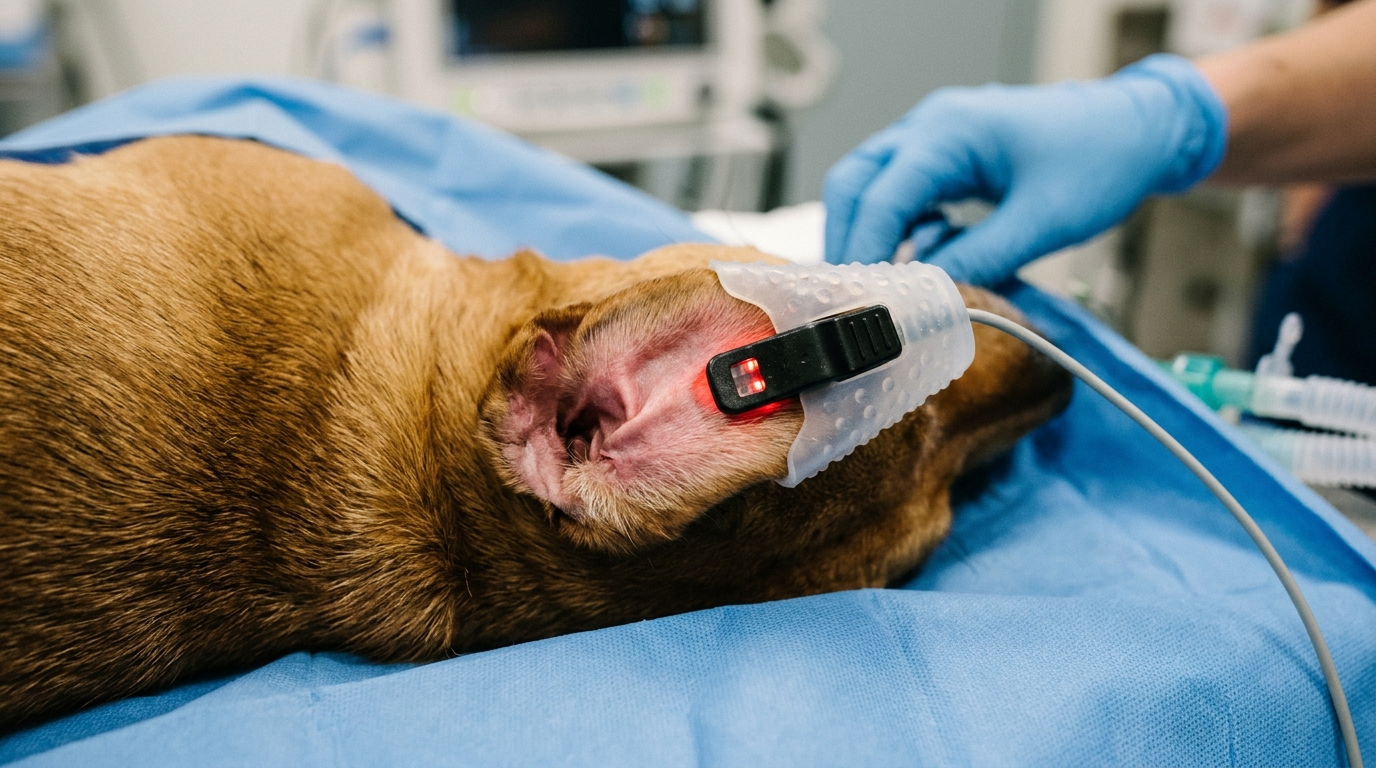
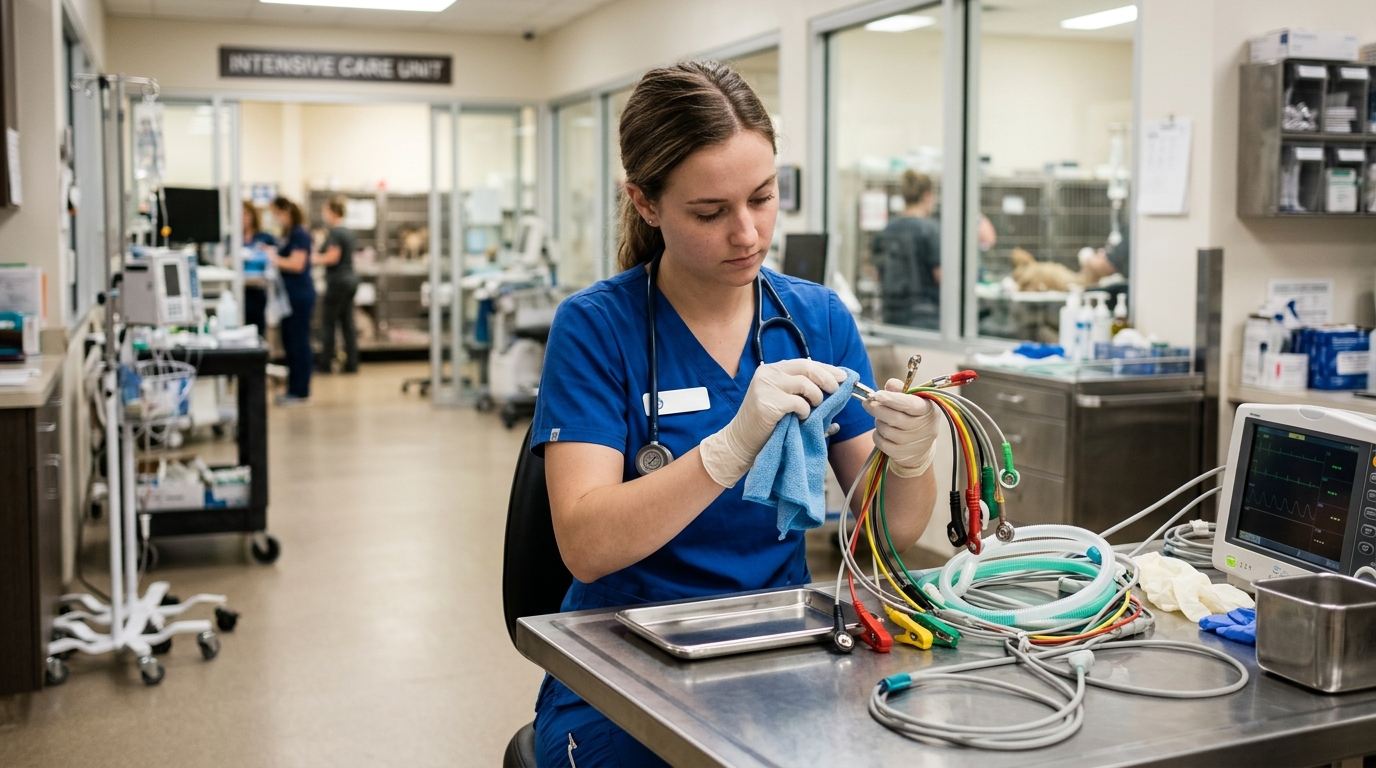
Equipment longevity correlates directly with operator handling. Facilities that implement standardized sensor placement and cleaning protocols report a 40% reduction in false alarms compared to clinics with ad-hoc procedures. Untrained staff frequently leave disconnected sensors inside the active incubator, allowing them to pool condensation. Furthermore, improper cleaning methods—such as soaking connectors in liquid sterilants rather than using targeted wipes—introduce fluid directly into the wiring harness. Avoiding these common setup errors requires establishing strict rules: sensors must be removed from the humidified zone immediately after patient discharge, and protective silicone barriers should be utilized during continuous monitoring.
Downtime Cost per Hour of Sensor Misuse
The economic impact of sensor degradation extends beyond the immediate cost of replacement parts. When a pet ICU monitor fails to deliver reliable data, clinical staff must spend an average of 15 to 25 minutes troubleshooting the connection, recalibrating the unit, or swapping cables. In a busy emergency room, this wasted time equates to roughly $80 to $120 in lost billable labor per incident. When multiplied by multiple patients over a month, neglected hardware maintenance significantly impacts hospital overhead. Integrating robust, moisture-resistant cables connected to a reliable veterinary patient monitor is a measurable cost-containment strategy.
Comparing Sensor Types in Vet ICU Incubators
Based on HQS clinical observation, standard transmittance SpO2 sensors exposed to 60% sustained humidity degrade rapidly if not protected. Selecting the right sensor material is crucial for long-term viability. The table below compares 3 common sensor types and alternative connection methods evaluated for moisture tolerance.
| Sensor Type / Component | Moisture Tolerance | Clinical Application in Incubator | Est. Replacement Cost |
|---|---|---|---|
| Standard Transmittance SpO2 (Plastic) | Low (Prone to condensation) | Short-term monitoring; requires frequent wiping. | $45 - $80 |
| Silicone-Wrapped Reflectance SpO2 | High (Sealed against water vapor) | Continuous neonatal monitoring in high humidity. | $90 - $150 |
| Gold-Plated ECG Clips | Medium (Resists immediate oxidation) | Long-term cardiac monitoring for critical patients. | $30 - $60 (per set) |
| Standard Steel Alligator Clips | Low (Rusts within weeks of exposure) | Outpatient use only; not recommended for ICU cages. | $15 - $25 (per set) |
Maintenance Interval Benchmarks
To optimize the lifespan of electronic monitoring equipment used in humid clinical environments, veterinary practices should establish a strict, scheduled maintenance routine. The following Maintenance Frequency Summary outlines the minimum required actions to ensure consistent data accuracy and hardware longevity.
| Frequency | Task | Key Action |
|---|---|---|
| Daily | Moisture Purge | Wipe down all SpO2 diodes and ECG clips with a dry, lint-free cloth after every patient use. Do not leave sensors inside an empty, running incubator. |
| Weekly | Contact Assessment | Inspect ECG clip teeth for early signs of rust or oxidation. Clean contacts with isopropyl alcohol wipes (not soaked) and allow to air dry completely. |
| Monthly | Cable Integrity Check | Run fingers along the length of the sensor cables to check for hardening, cracks, or exposed wires caused by thermal or chemical stress. |
| Annual | Calibration and Bench Test | Perform a controlled signal test against a known baseline. Replace any primary ICU SpO2 sensors that show a baseline delay longer than 5 seconds. |
Data Summary: Optimization Impact
Implementing targeted hardware selection and strict maintenance schedules yields measurable improvements in clinical workflows. Clinics applying these guidelines consistently report a shift in their equipment performance metrics. A summary of the expected optimization impact is detailed below.
| Performance Metric | Standard Protocol (Reactive) | Optimized Protocol (Proactive) |
|---|---|---|
| False Alarm Frequency | 4 - 6 per hour | < 1.5 per hour |
| SpO2 Sensor Lifespan | 3 - 4 Months | 9 - 12 Months |
| ECG Signal Acquisition Time | 15+ Seconds | < 5 Seconds |
| Weekly Troubleshooting Time | 2.5 Hours | 0.5 Hours |
Frequently Asked Questions
Why does the SpO2 waveform flatten inside a high-humidity incubator?
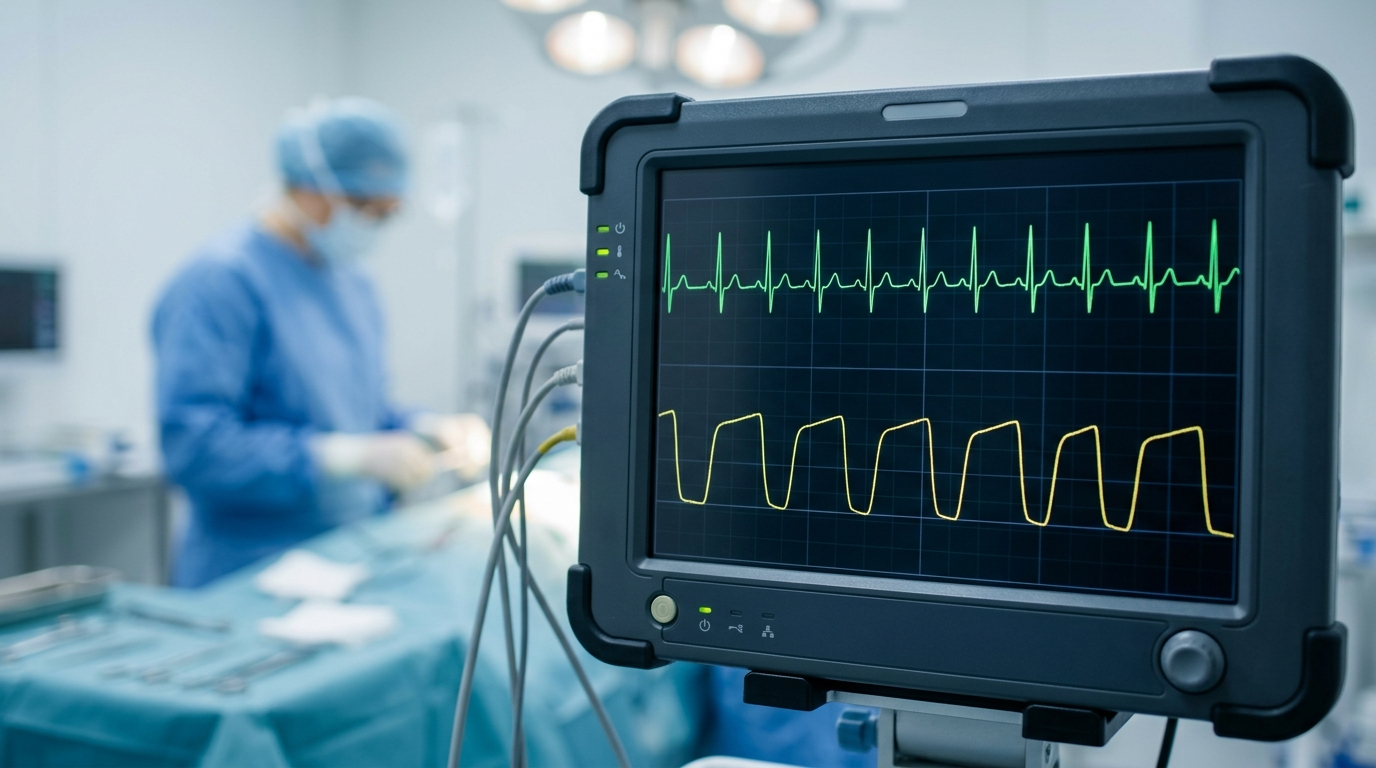
A flattened or erratic SpO2 waveform in a humid environment is typically caused by micro-condensation forming directly on the light-emitting diode or the photodetector. This water barrier scatters the infrared light before it can pass through the animal's tissue, preventing the sensor from calculating an accurate pulsatile value. Wiping the diode dry immediately restores the waveform.
How often should ECG clips be cleaned when used in an oxygen cage?
ECG clips used inside a humidified oxygen cage should be dried immediately after the monitoring session ends, and thoroughly cleaned with an alcohol wipe at least once a day. If the environment exceeds 60% humidity, standard steel clips can begin to oxidize within 48 hours, significantly increasing electrical impedance and causing baseline wander on the monitor.
Can incubator moisture affect rectal temperature probes?
While the thermistor inside a veterinary rectal temperature probe is sealed, the connector junction where the cable meets the monitor is vulnerable. If moisture tracks down the cable or if condensation forms at the connection port, it can create electrical resistance changes that cause the monitor to display artificially drifting temperature readings. Always keep the monitor unit and connection ports entirely outside the humidified zone.
By establishing rigorous protocols for equipment handling and matching sensor types to specific environmental stressors, veterinary practices can drastically reduce hardware failure rates. Proactive management of the microclimate ensures that diagnostic monitors provide uninterrupted, accurate data when critical patients need it most.