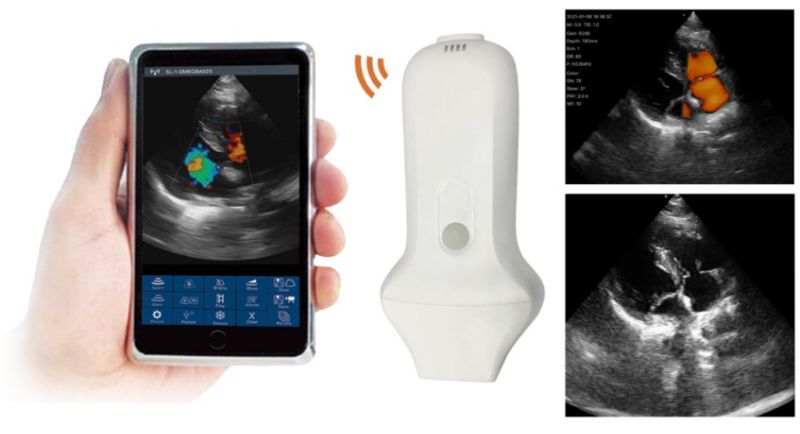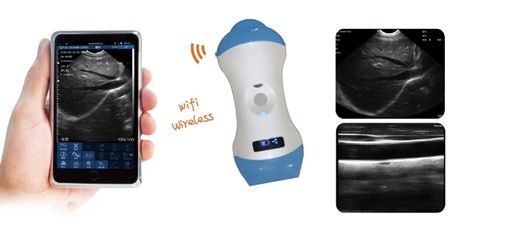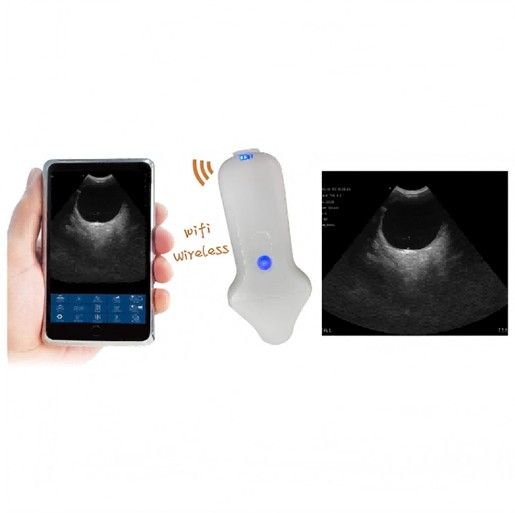
A Transrectal Probe Type Wireless Ultrasound Scanner should be purchased only after the clinic confirms the exact probe-and-host configuration, CE documentation for the destination market, wireless-display scope, and post-sale responsibilities. For veterinary reproductive work, an ultrasound scanner can support assessment of uterine function, fetal status, and pregnancy records, but those clinical functions do not replace a documented import and service plan.
A transrectal wireless ultrasound scanner is a veterinary ultrasound system in which a rectal probe is paired with an ultrasound host or display arrangement that transmits images without a physical image cable between the viewing components.
What CE documents should accompany a transrectal wireless ultrasound import?
CE-mark review should be handled as a configuration-specific documentation question, not as a checkbox on a quotation.
Before placing an order, ask HQS to identify the exact model, probe type, wireless display arrangement, power adapter, accessories, and destination market covered by the quoted configuration. The purchasing organization should also establish who will act as importer of record and who is responsible for confirming the applicable import pathway in the destination country.
Product pages are useful for checking what a listed model says it can do. Import and market-access decisions require a separate documentary trail tied to the item actually being ordered. For example, a buyer considering wireless image viewing should ask whether the cited wireless function applies to the selected probe, display, and regional version rather than assuming it applies across all configurations.
- Request the CE-related documents associated with the quoted model and accessories, including the probe and any wireless display component.
- Ask whether the documents identify the legal manufacturer, product identification, intended destination market, and version or revision information.
- Confirm the party responsible for import documentation, customs-facing records, local registration requirements where applicable, and post-market contact information.
- Keep the final quotation, model identifiers, documentation, and serial-number records together for future service and replacement-part requests.
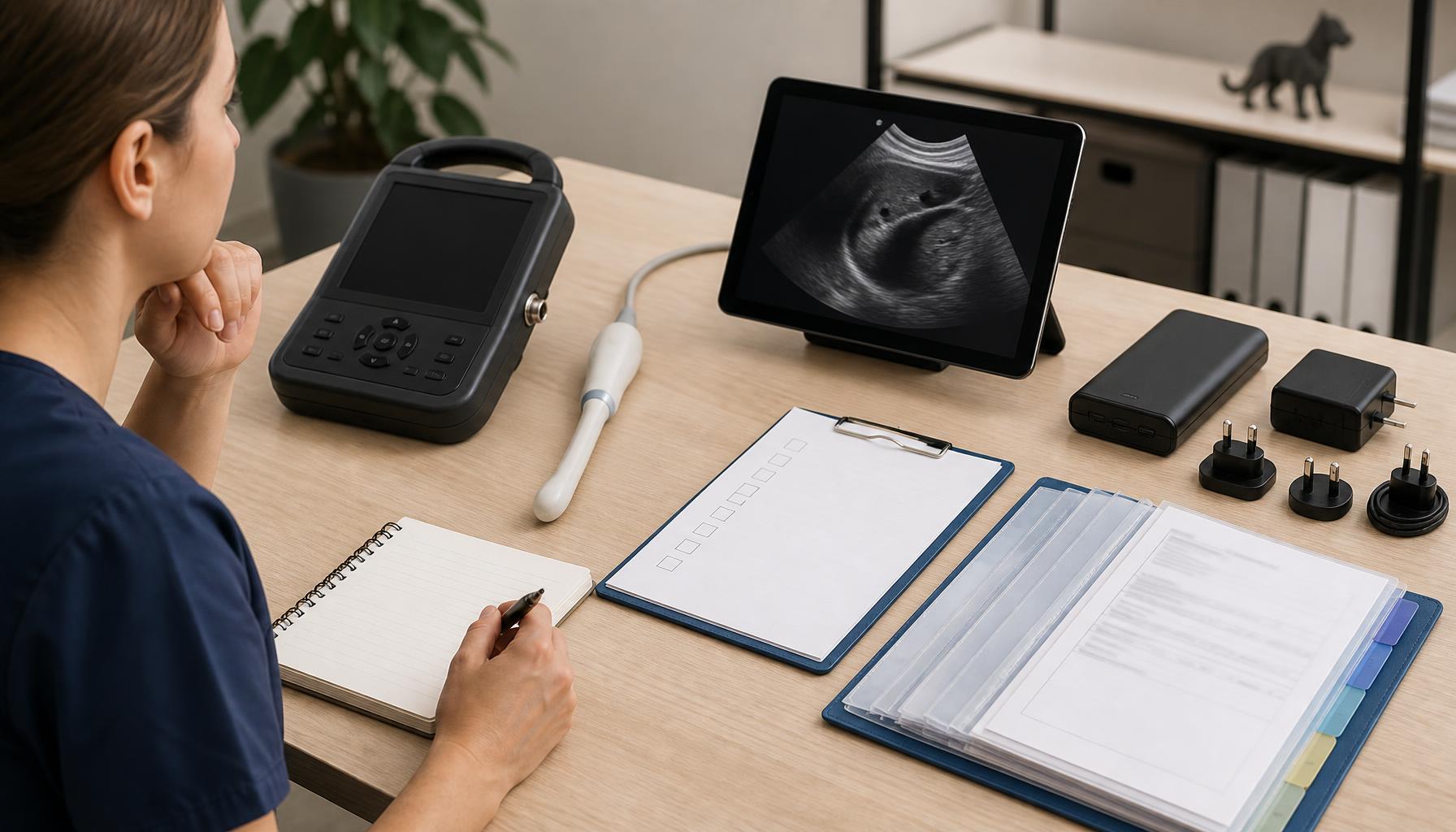
Which documented ultrasound scanner configuration fits a rectal probe and wireless-viewing requirement?
A documented rectal probe and documented wireless image transmission should be treated as separate requirements unless the seller confirms that both apply to one quoted configuration.
The available product information identifies a 6.5 MHz rectal probe in the US-S1 configuration. It identifies 5.8G wireless radio-frequency image transmission and automatic probe recognition for the KX-V1. Those statements support useful shortlisting questions, but they do not establish that either listed configuration combines every requirement of a transrectal wireless workflow.
| Model and documented product page | Probe information | Wireless image transmission | Documented battery time (h) | Clinical fit suggested by listed functions | Need to confirm with HQS |
| US-S1 Digital B/W Ultrasound Scanner | 6.5 MHz rectal probe listed in the configuration | Not stated in the listed configuration | More than 4 working hours | Listed for pigs, dogs, cats, sheep, cattle, horses, and other animals | Whether a wireless display option is available and compatible with the quoted rectal probe |
| KX-V1 Animal Ultrasound Scanner | Automatic probe recognition and multiple probe options listed; rectal probe not named | 5.8G wireless radio-frequency image transmission listed | More than 5 standby hours | Pregnancy-status assessment and remote image sharing are listed functions | Whether the required rectal probe, wireless display, and destination-market version are supplied together |
| KX-RKU10 Animal Ultrasound Scanner | One-piece molded probe listed; probe type not specified | Not stated in the listed functions | More than 6 standby hours | Uterine-function and fetal-status checking are listed functions | Probe type, wireless capability, file-export format, and accessories included in the quote |
The veterinary ultrasound scanner category is the appropriate starting point for comparing broader imaging needs, but the final purchase decision should stay at model-and-probe level. Battery statements also need careful reading: the US-S1 page describes working time, while the KX-V1 and KX-RKU10 pages describe standby time. Those figures should not be treated as directly interchangeable estimates of field-use duration.
What installation and training should a transrectal wireless ultrasound quote include?
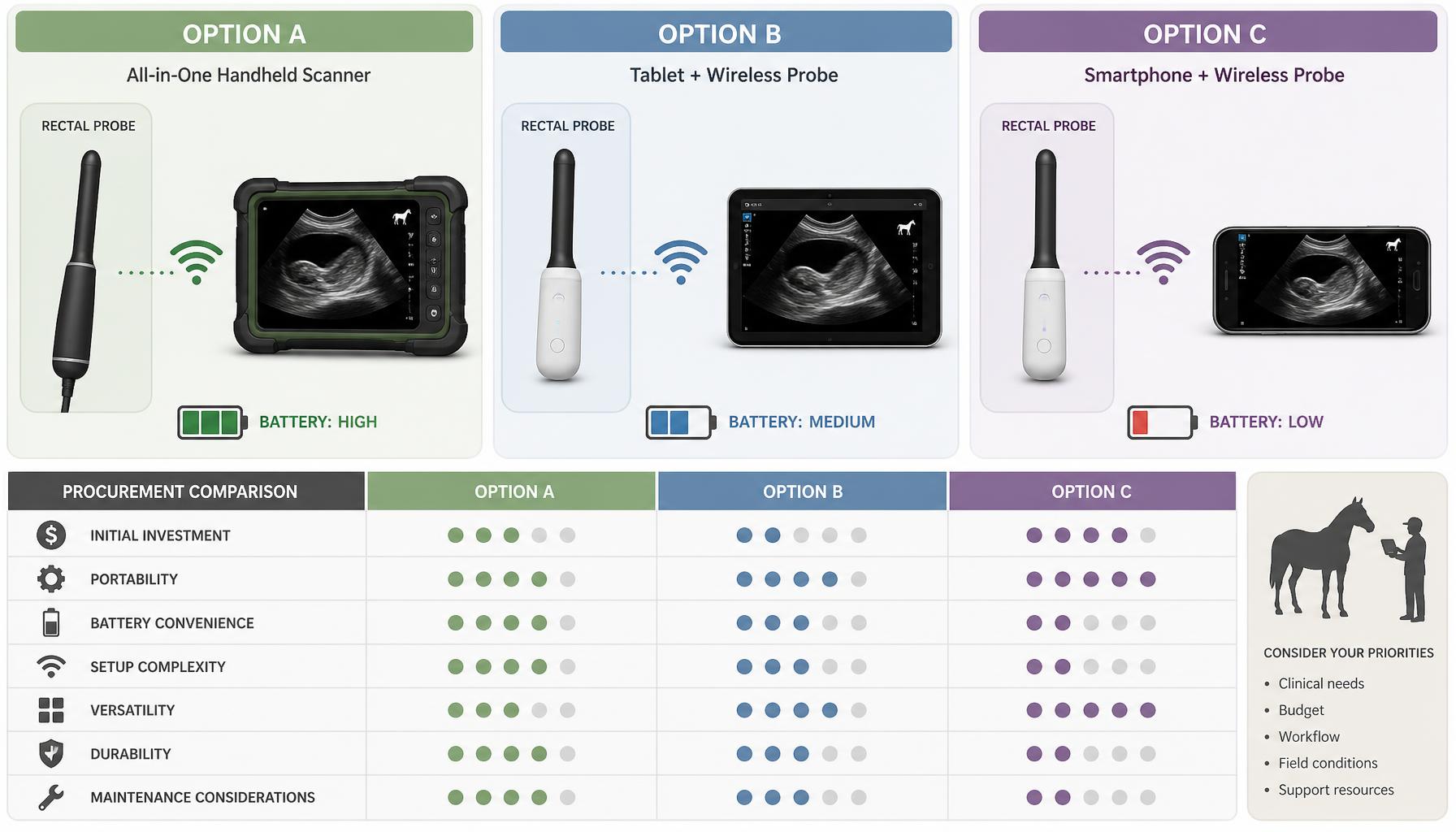
A transrectal wireless ultrasound quote should define setup, training, and acceptance responsibilities before equipment ships.
Installation requirements differ between a mobile reproductive service and a fixed mixed-animal clinic. A mobile service may prioritize carrying arrangement, charging access, display visibility, and a clearly assigned response path when a probe or wireless component needs replacement. A fixed clinic may place greater weight on dedicated storage, image-record handling, staff handover, and a stable location for charging and accessories. Neither setting should assume that a portable device arrives with every local power, display, connectivity, or documentation need already resolved.
- Ask which components are included: host unit, rectal probe, wireless display or receiver, charging equipment, carrying case, memory media, adapters, and printed or digital manuals.
- Ask whether the power adapter and plug supplied are appropriate for the destination market, and whether any display device or mobile viewing device is included or buyer-supplied.
- Define training scope: clinical orientation, image-storage workflow, device handover, documentation language, attendance format, and whether remote follow-up is included.
- Set an acceptance checklist for delivered items, serial numbers, probe identity, display connection, storage accessories, and documentation before the equipment enters routine clinical use.
Training should be framed around the clinic’s intended workflow rather than generic product familiarization. A veterinary practice using the scanner for scheduled herd or breeding visits may need consistent record-export and carrying arrangements. A referral or mixed-animal clinic may need staff training that covers handover between clinicians, image retention, and responsibility for accessories used across canine, feline, equine, and livestock cases.
Who cleans, services, and replaces parts for a rectal probe ultrasound scanner?
A rectal probe ultrasound purchase needs written ownership of cleaning instructions, consumables, spare parts, warranty handling, and service escalation.
Do not rely on verbal assurances for these items. Ask HQS to provide the model-specific cleaning and disinfection instructions applicable to the quoted probe and host, including compatible materials and any component restrictions. The clinic should assign an internal owner for cleaning documentation, condition checks, and reporting damage, while the supplier should identify the contact path for technical questions, warranty claims, and replacement-part orders.
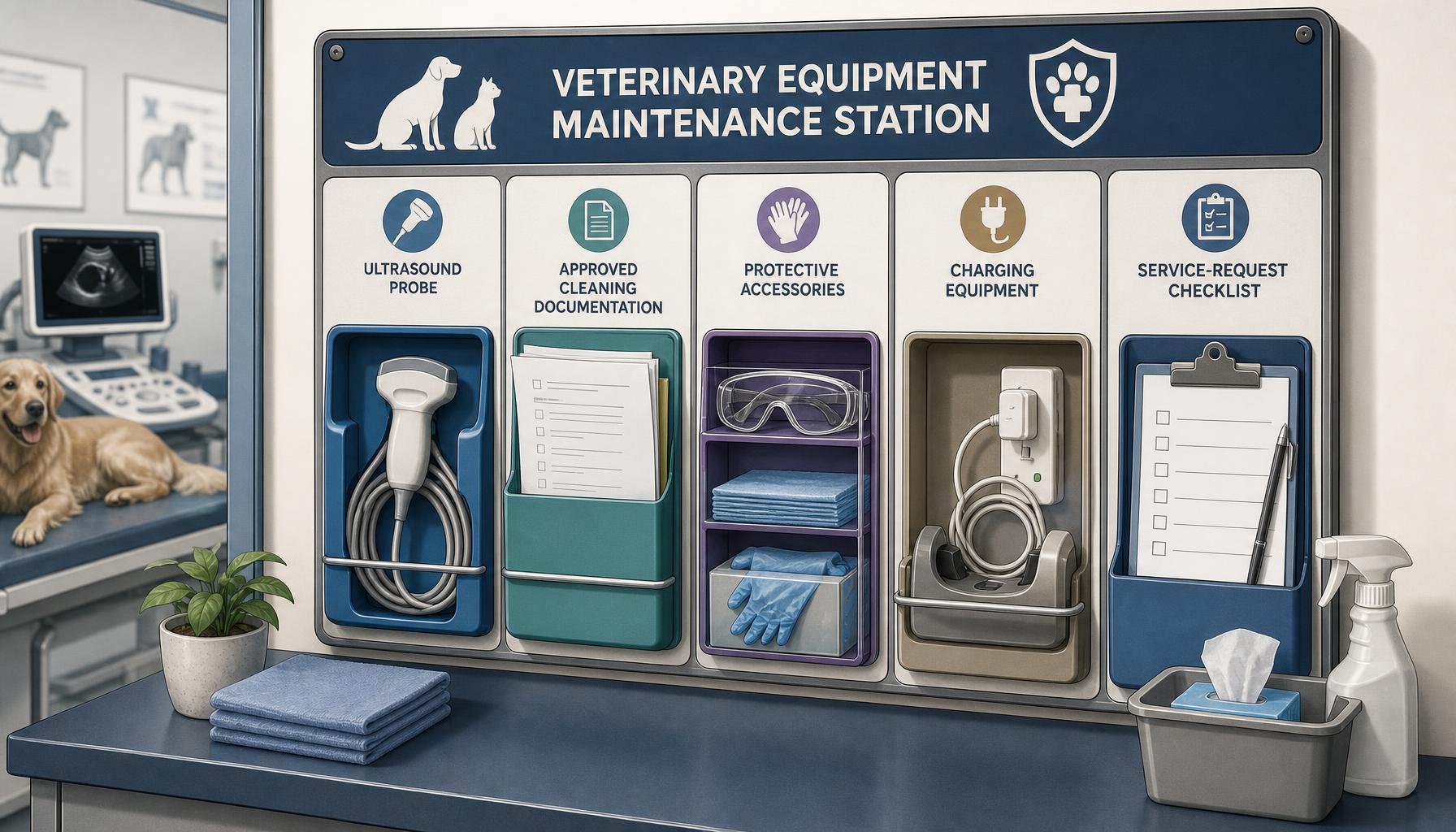
- Confirm which consumables are required or recommended for the quoted probe configuration, such as ultrasound gel, protective accessories, storage materials, or memory media where applicable.
- Request the orderable part numbers for the probe, battery or charging accessories, carrying case, display components, cables, adapters, and storage media included with the selected system.
- Ask where replacement parts are shipped from, who authorizes warranty assessment, and what information must be supplied when requesting service.
- Clarify whether software updates, image-storage support, and remote technical assistance are included, optional, or handled through a local service partner.
The KX-RKU10 product page lists USB support for file management, software upgrades, one-click storage, and Excel export of pregnancy-test records. The US-S1 product page lists USB and TF card ports for image storage and playback. Buyers planning to use either type of record workflow should ask who supports data-transfer questions and whether the selected configuration includes the required storage accessories.
What should a transrectal wireless ultrasound purchase order ask HQS to confirm?
A purchase order should state the configuration, documentation, delivery, and service commitments that matter to the clinic’s actual workflow.
The following questions are more useful than asking for a generic “wireless ultrasound” quotation because they convert broad product claims into order-specific commitments.
- Which exact ultrasound scanner model, rectal probe frequency, probe connector, and wireless viewing components are included?
- Does the quoted configuration support both the requested rectal probe and wireless image transmission, and are those components compatible with each other?
- Which CE-related documents and import-support records apply to the exact configuration and destination market?
- What installation items, power accessories, display equipment, storage media, and manuals are included in the shipment?
- What training is included, in which language, for how many staff members, and through which delivery method?
- What are the cleaning-documentation requirements, recommended consumables, available spare parts, warranty process, and technical-service contact route?
- How are software updates, data export, replacement probes, and wireless-display issues handled after delivery?
For a clinic that needs a documented 6.5 MHz rectal probe, the US-S1 is a relevant model to discuss because that probe is listed in its configuration. For a clinic that prioritizes listed 5.8G wireless image transmission, the KX-V1 is a relevant model to discuss because that function is listed on its product page. A buyer requiring both capabilities should request written confirmation of a single compatible configuration before approving the order.
The practical purchasing decision is conditional: proceed when the quoted system links the required probe, wireless arrangement, CE-related documentation, installation scope, cleaning responsibilities, consumables, spare-part access, and service route in writing. If any of those items remain generic, keep the purchase at the clarification stage rather than filling the gaps with assumptions.