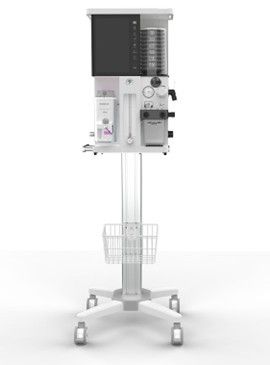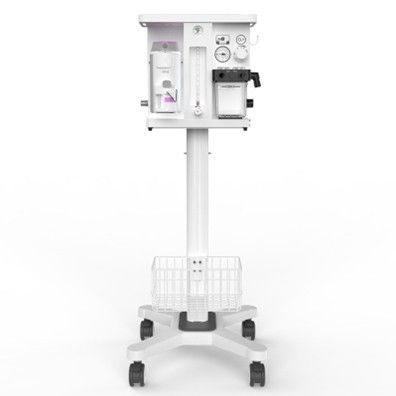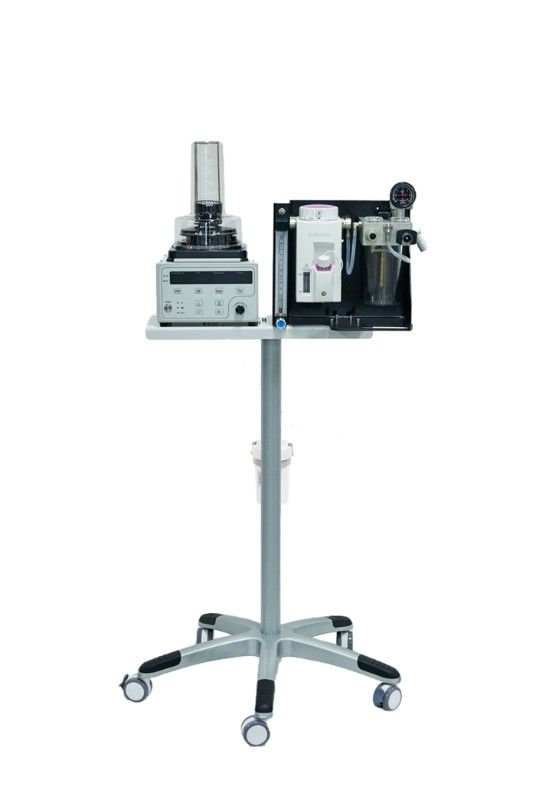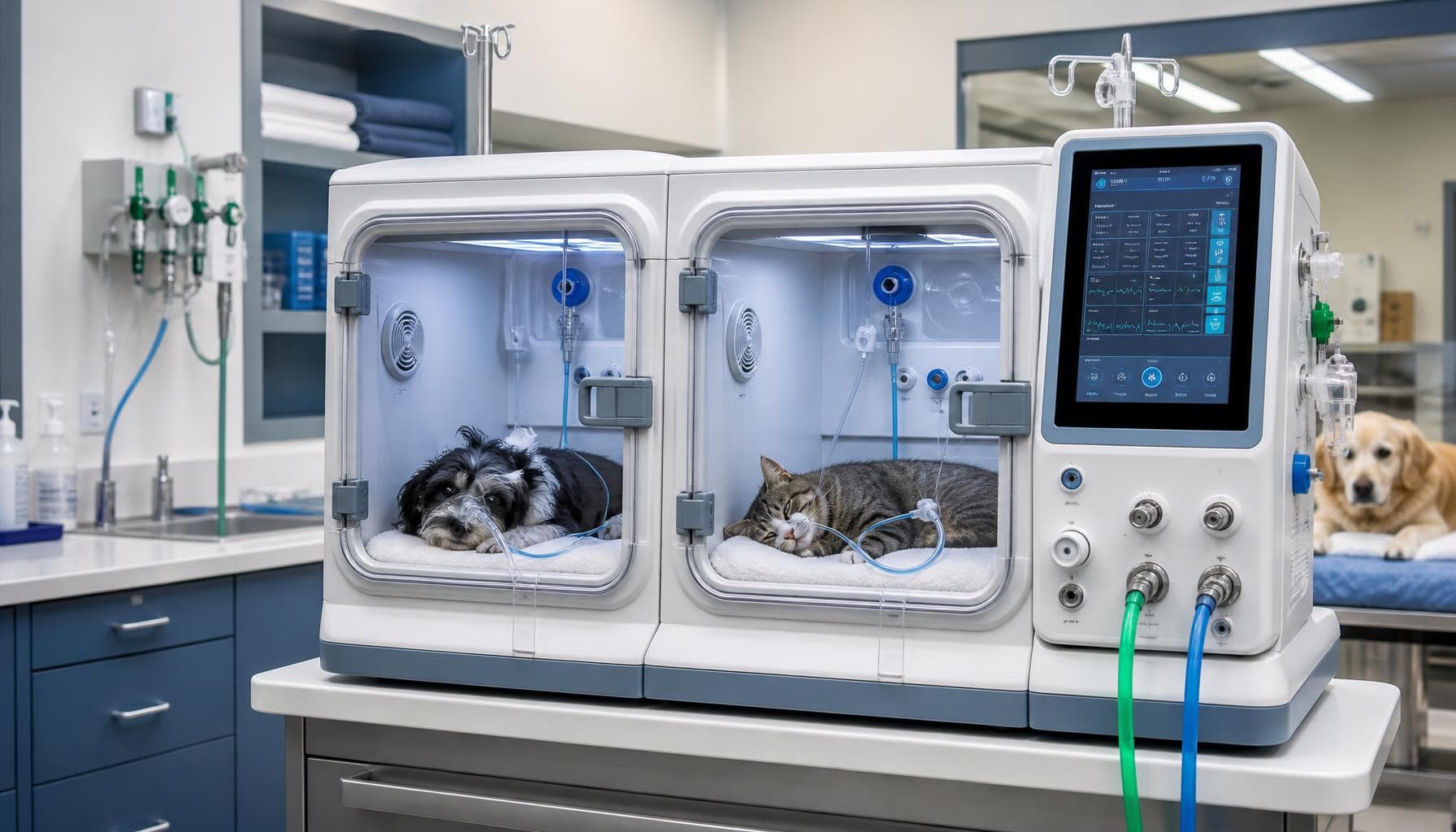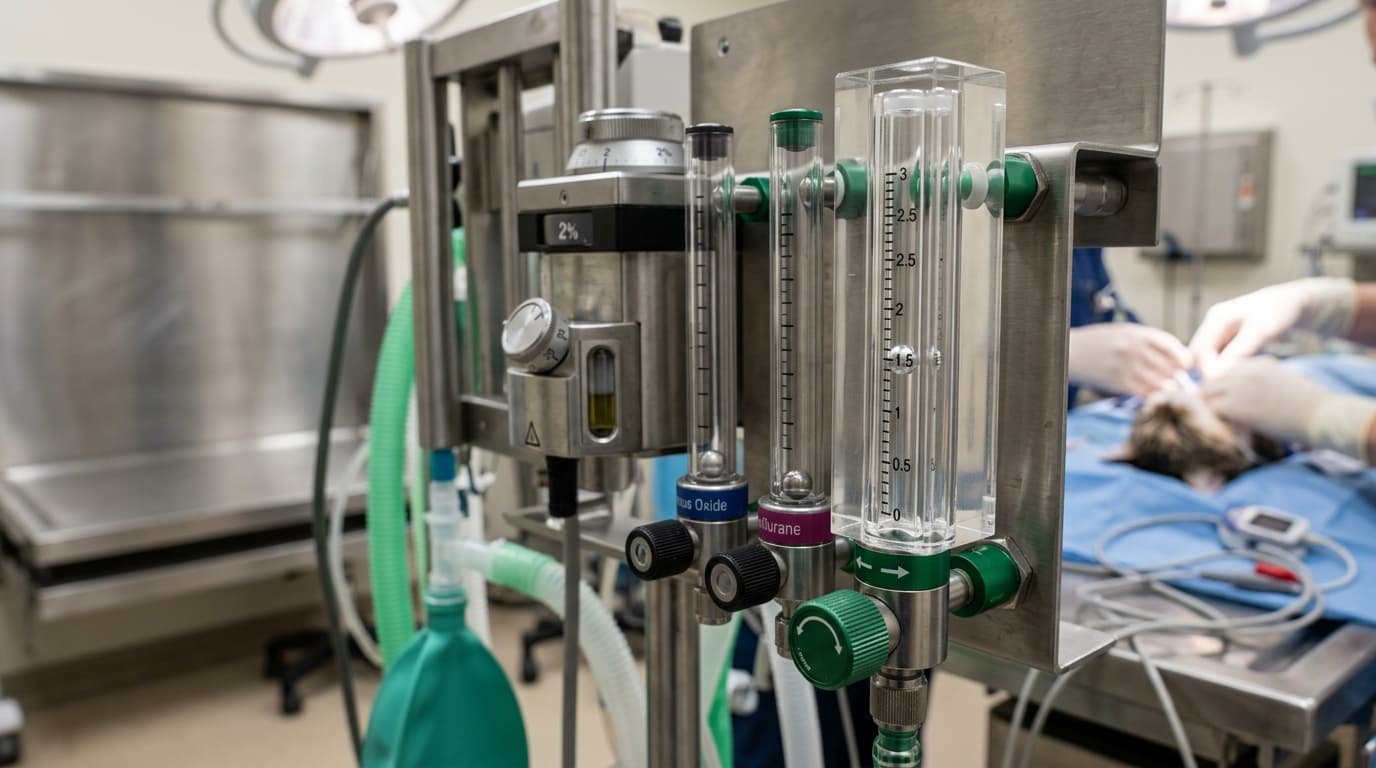
Clinical data from active veterinary practices indicates that transitioning to precision flowmeters can significantly reduce volatile anesthetic consumption while mitigating patient hypothermia risks. For felines, toy breeds, and exotic pets weighing under 5kg, minute variations in oxygen flow accuracy directly influence patient safety and recovery speed. The H1200 - 2 Anesthesia Machine features a graduated flowmeter designed specifically to address these narrow physiological margins. Integrating reliable veterinary anesthesia machines with high-visibility flow control allows clinical staff to fine-tune gas delivery across varying procedure types, establishing safer protocols for both routine outpatient sterilizations and complex intensive care interventions.
Efficiency Gains: The Numbers Speak
In our manufacturing and clinical integration experience, practices utilizing equipment with precise 0.1 to 4.0 L/min flow ranges report more stable maintenance planes during prolonged surgeries. Traditional high-flow systems often lack the granularity required for non-rebreathing circuits, forcing technicians to estimate fractional settings. A dedicated low-flow scale removes this ambiguity. When comparing standard models against the specific flowmeter specifications of optimized equipment, the clinical advantages translate directly into measurable efficiency gains, reducing the time spent adjusting dials during critical procedure phases.
| Specification Category | Traditional Baseline Models | H1200 - 2 Specifications | Clinical Benefit for Small Pets |
| Total Flow Range | 0.5–5.0 L/min | 0.1–4.0 L/min | Enables true low-flow anesthesia for patients under 3kg. |
| Scale Increments | 0.5 L/min markings | Fractional graduations | High-resolution adjustments prevent accidental over-pressurization. |
| Low-Flow Stability | Fluctuates at low settings | Stable bobbin rotation | Maintains consistent vaporizer output at fractional flow rates. |
| Visual Indicator | Standard acrylic tube | High-contrast scale | Immediate visual confirmation from across the operating theater. |
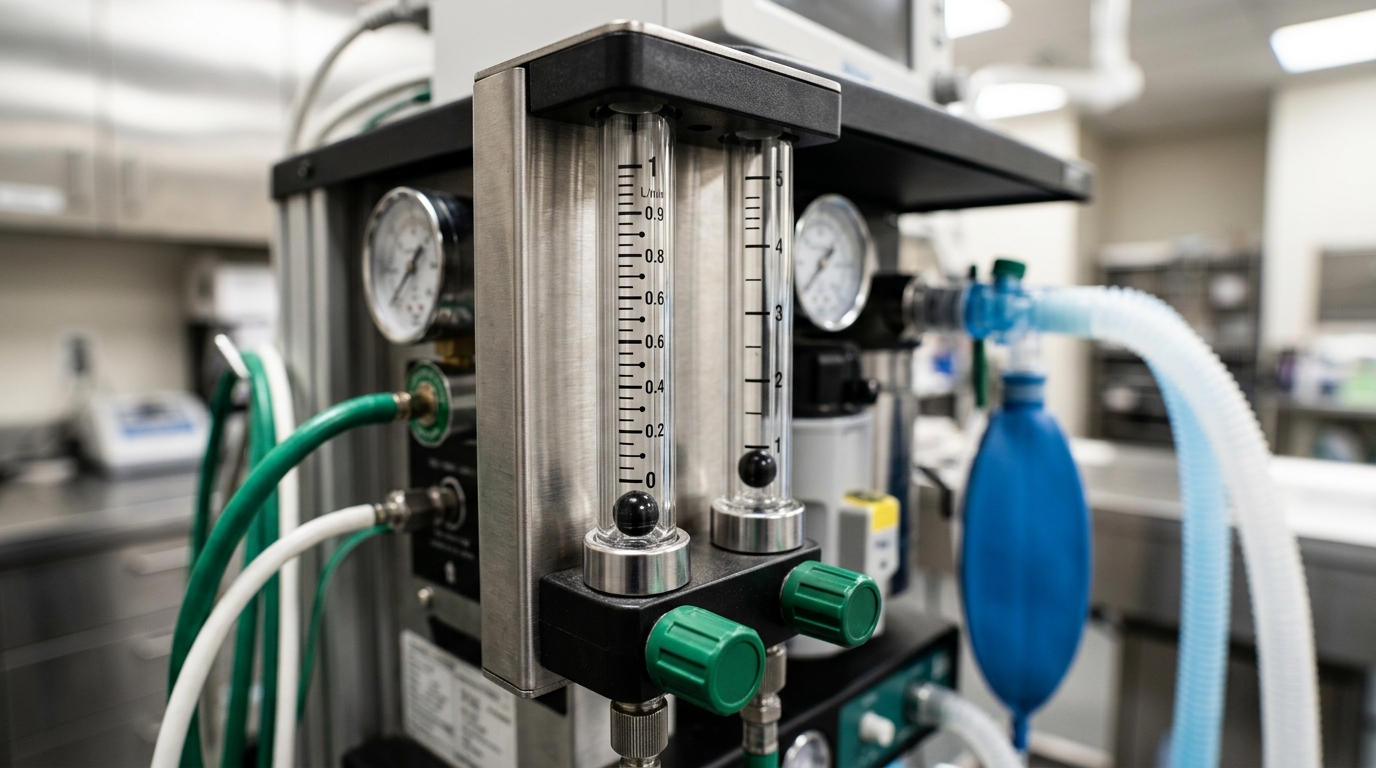
3 Settings That Cut Procedure Time
Standardizing flowmeter protocols directly influences anesthetic transition times. Establishing strict numerical guidelines for specific surgical phases reduces the cognitive load on veterinary technicians and minimizes anesthetic delays.
- Induction Wash-in (2.0–3.0 L/min): Utilizing a higher initial flow rate saturates the breathing circuit and patient functional residual capacity rapidly. This setting decreases the time from mask placement to intubation readiness, streamlining the initial procedural workflow.
- Maintenance Phase (0.5–1.0 L/min): Once the patient reaches an appropriate surgical plane, dropping the flow rate to match patient metabolic oxygen demand conserves both oxygen and volatile anesthetics. This low-flow setting is critical for minimizing heat loss in felines and small terriers during extended abdominal procedures.
- Recovery Washout (High Oxygen Flow): Turning off the vaporizer and flushing the circuit with pure oxygen expedites the clearance of inhalant anesthetics from the patient's lungs. Adhering to structured washout times correlates with faster extubation and reduced recovery room monitoring duration.
Error Rate: Trained vs. Untrained Staff
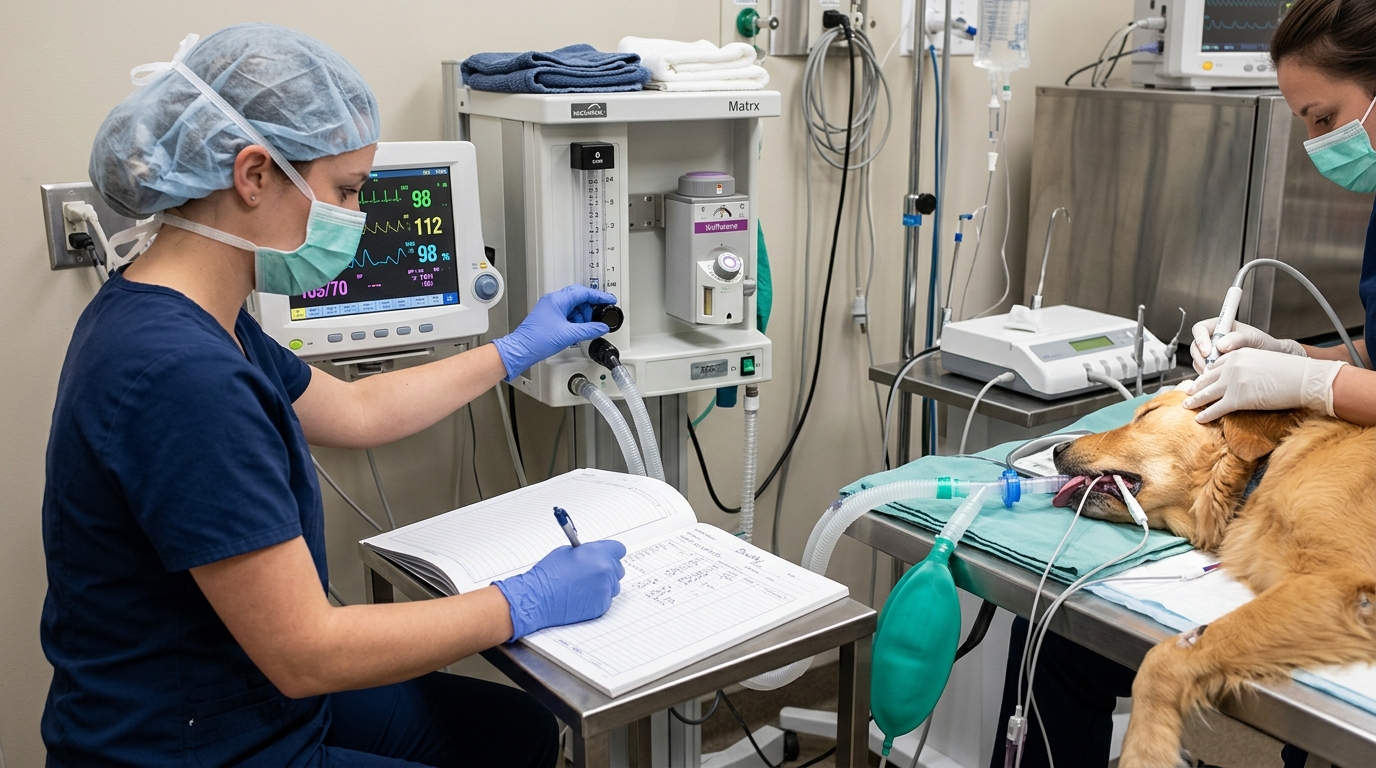
Equipment design can only partially compensate for operator variance. Internal facility audits frequently show that untrained personnel tend to leave flowmeter control valves open far wider than physiologically necessary, resulting in excessive waste gas generation and increased consumable costs. Trained technicians, guided by specific flow-chart protocols based on patient weight, maintain tight control over the delivery circuit, consistently utilizing lower flow rates without risking hypoxia.
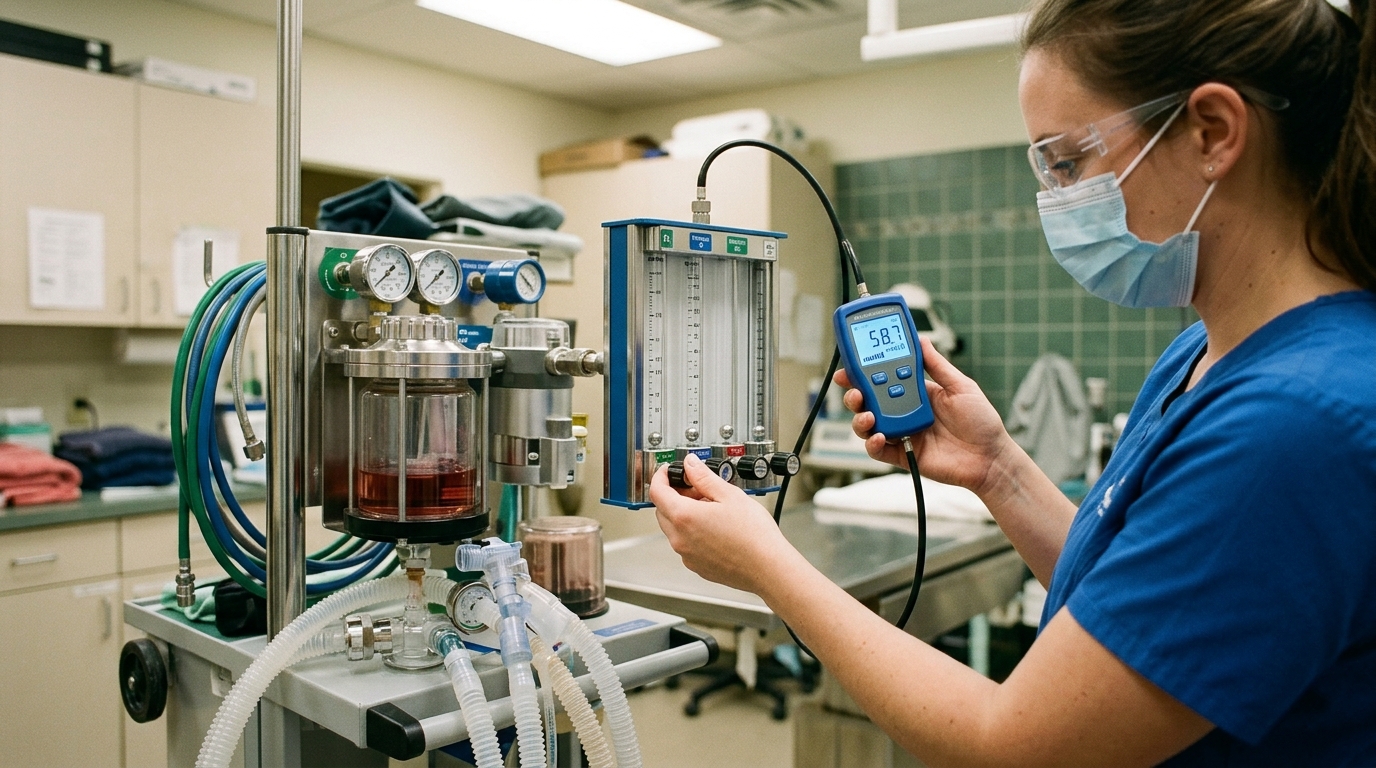
Based on HQS clinical observation, when flowmeter control valves are consistently overtightened by untrained operators, the resulting friction increases the risk of bobbin sticking by a measurable margin. This mechanical stress is particularly evident during low-flow ICU procedures, where smooth, incremental adjustments are necessary. Implementing structured training on gentle valve operation extends the lifespan of the needle valve seat and ensures reliable reading accuracy.
Downtime Cost per Hour of Misuse
Mechanical failures in anesthetic delivery systems disrupt the entire surgical schedule. Baseline industry estimates suggest that unexpected operating room downtime can cost a busy multi-doctor practice upwards of $150 per hour in lost revenue and staff overhead. Flowmeter malfunctions, such as cracked tubes or stripped needle valves caused by forceful operation, require immediate equipment grounding until replacement parts are sourced and installed.
Proactive maintenance of the gas delivery pathway is as critical as adhering to strict vaporizer maintenance procedures. Routine inspections identify early signs of thread wear or O-ring degradation before they escalate into catastrophic leaks mid-surgery. By treating the flowmeter assembly as a precision instrument rather than a robust plumbing fixture, veterinary hospitals can substantially reduce their annual equipment repair expenditures and eliminate preventable scheduling bottlenecks.
Maintenance Interval Benchmarks
Establishing a rigorous preventative maintenance schedule is essential for preserving flowmeter accuracy and patient safety. The following table outlines the standardized intervals required to maintain optimal equipment performance in a high-volume clinical environment.
| Frequency | Task | Key Action |
| Daily | Pressure Leak Test | Pressurize the system and verify the flowmeter bobbin rests at zero with no creeping. |
| Weekly | Visual Inspection | Assess the acrylic tubes for micro-cracks and wipe the exterior with non-corrosive agents. |
| Monthly | Valve Mobility Check | Rotate the control knob through its full range to ensure smooth, resistance-free operation. |
| Annual | Professional Calibration | Engage a certified biomedical technician to validate flow accuracy against digital standards. |
Frequently Asked Questions
What is the optimal oxygen flow rate for cats under 4kg?
For small felines on a non-rebreathing circuit, the maintenance flow rate is typically calculated at 200–300 mL/kg/min. Therefore, a 4kg cat requires approximately 0.8 to 1.2 L/min, making a flowmeter with precise fractional graduations essential for accurate delivery.
How do I resolve a sticking flowmeter bobbin?
A sticking bobbin is usually caused by static electricity or moisture accumulation within the tube. Do not attempt to lubricate the tube. Disconnect the oxygen supply, allow dry gas to flush the system, and consult your technical service provider if the issue persists, as the tube may require professional ultrasonic cleaning.
Can the flowmeter accommodate closed-circuit low-flow techniques?
Yes, equipment featuring a 0.1 L/min starting range is specifically calibrated to support low-flow and closed-circuit anesthesia, provided the patient is heavy enough for a circle system and the operator strictly monitors inspired oxygen and end-tidal carbon dioxide levels.
Data Summary: Optimization Impact
Implementing targeted flowmeter protocols and adhering to maintenance benchmarks yields tangible clinical and operational benefits. The final data summary encapsulates the anticipated operational shifts when practices apply systematic equipment management.
| Optimization Metric | Baseline Operation | Optimized Protocol Impact |
| Isoflurane Consumption | High waste via 2.0+ L/min maintenance | Measurable reduction through targeted 0.5–1.0 L/min flows |
| Downtime Frequency | Reactive repairs, high incidence of stuck valves | Minimized via daily leak checks and gentle valve handling |
| Procedure Transition Time | Variable induction and recovery phases | Standardized transition phases via strict 3-setting flow guidelines |
| Equipment Lifespan | Premature wear on needle valve threads | Extended durability through trained operation and annual calibration |