Laboratory Centrifuges
Select a centrifuge around the sample tubes and separation workflow your laboratory uses. Compare the rotor and adapter configuration, tube capacity, relative centrifugal force (RCF) and temperature-control requirements across the models below. A maximum speed alone does not establish whether a rotor and tube combination fits your application. Open the individual model pages to compare their published specifications before requesting a quotation.
30 Products
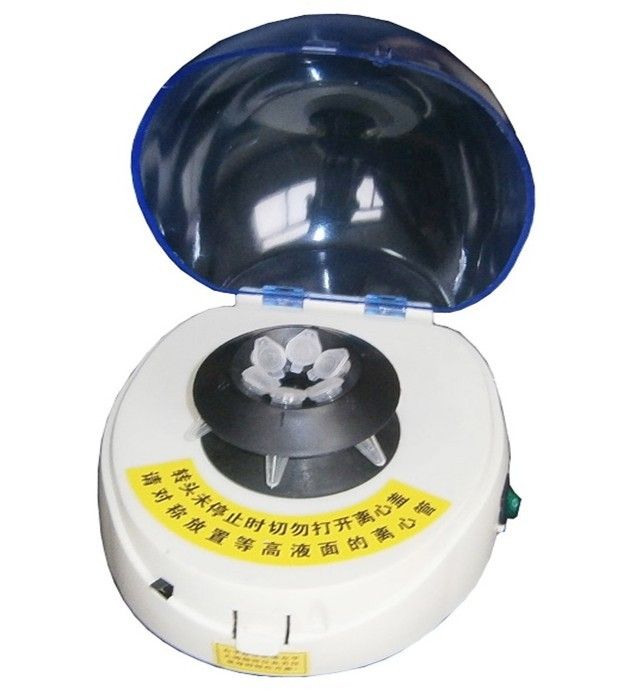
Mini Centrifuge
Model: MC-04,MC-07,MC-12
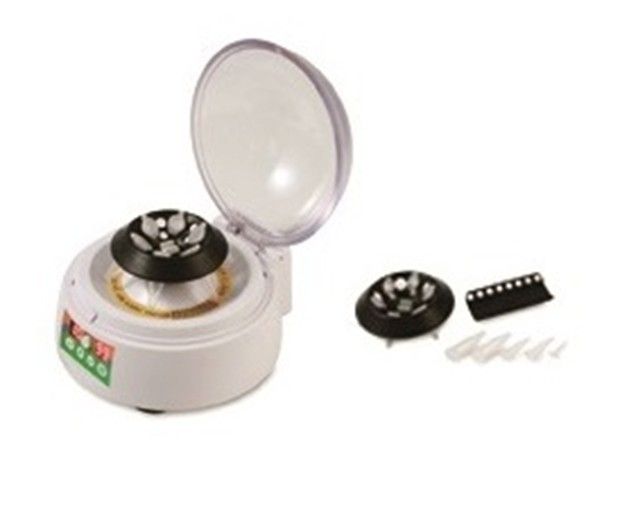
PRP Centrifuge
Model: MCKS-1000/1200
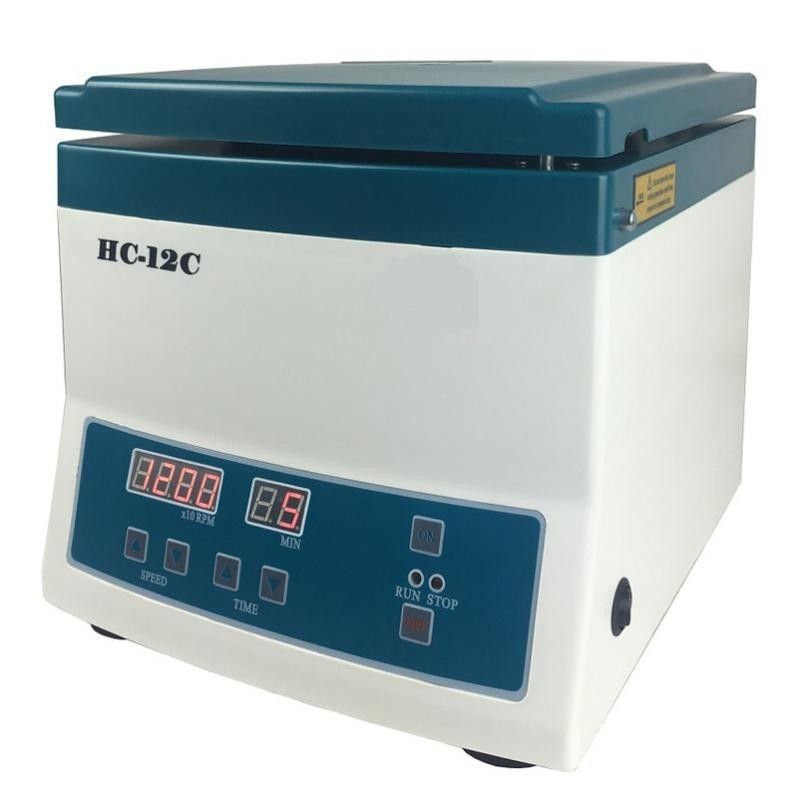
Hematocrit Centrifuge
Model: HC-12C
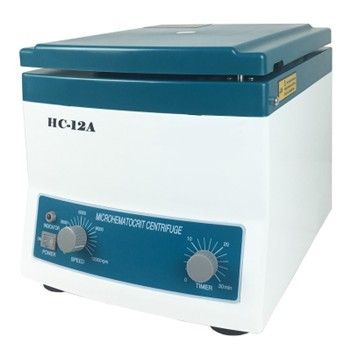
Hematocrit Centrifuge
Model: HC-12A
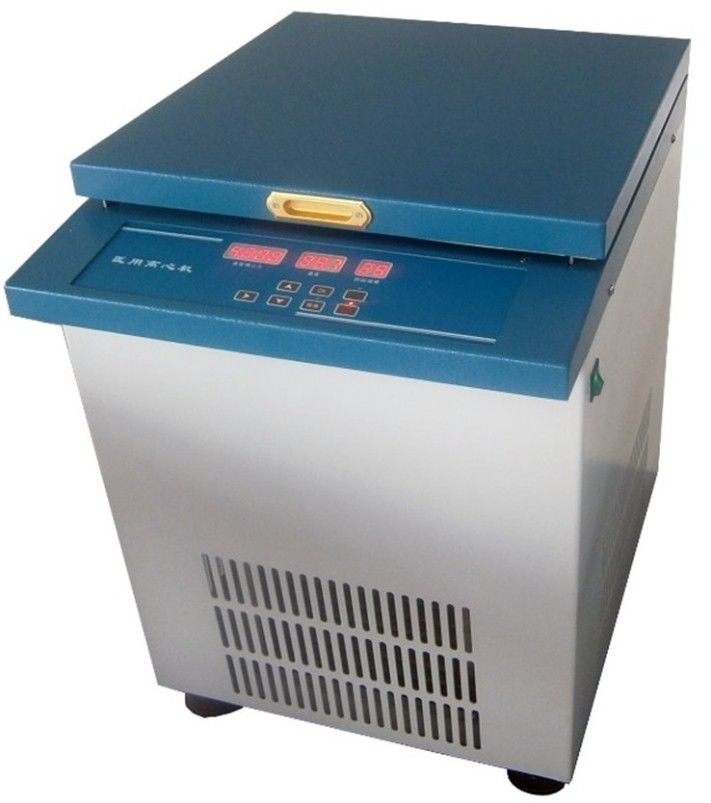
Refrigerated Centrifuge (Low Speed)
Model: LC-04F
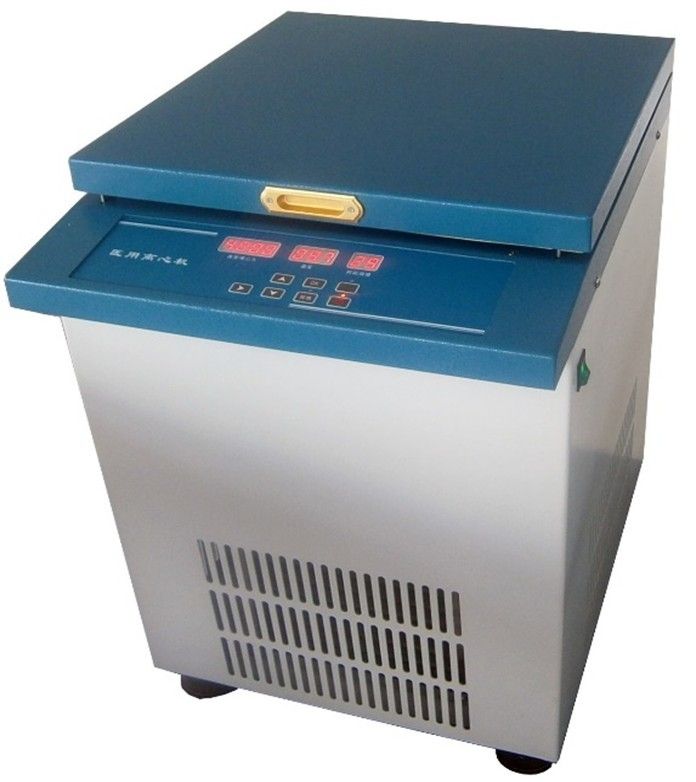
Refrigerated Centrifuge (Low Speed)
Model: LC-05F
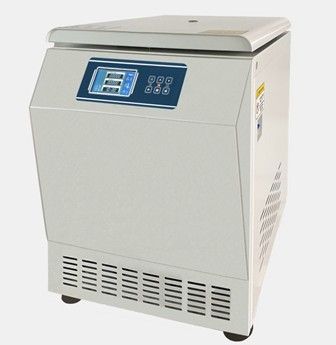
Refrigerated Centrifuge
Model: LC-06F
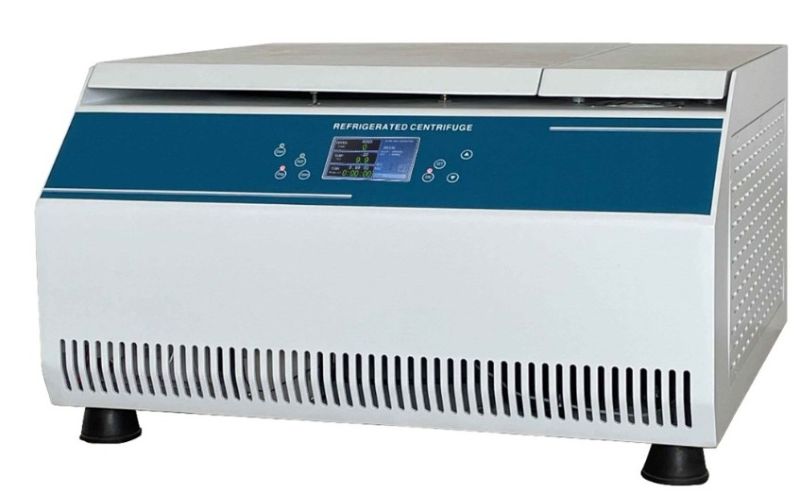
Refrigerated Centrifuge
Model: LC-06F(Table)
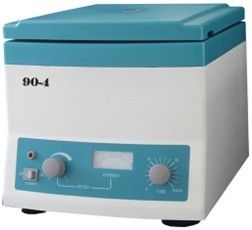
Centrifuge
Model: 90-4
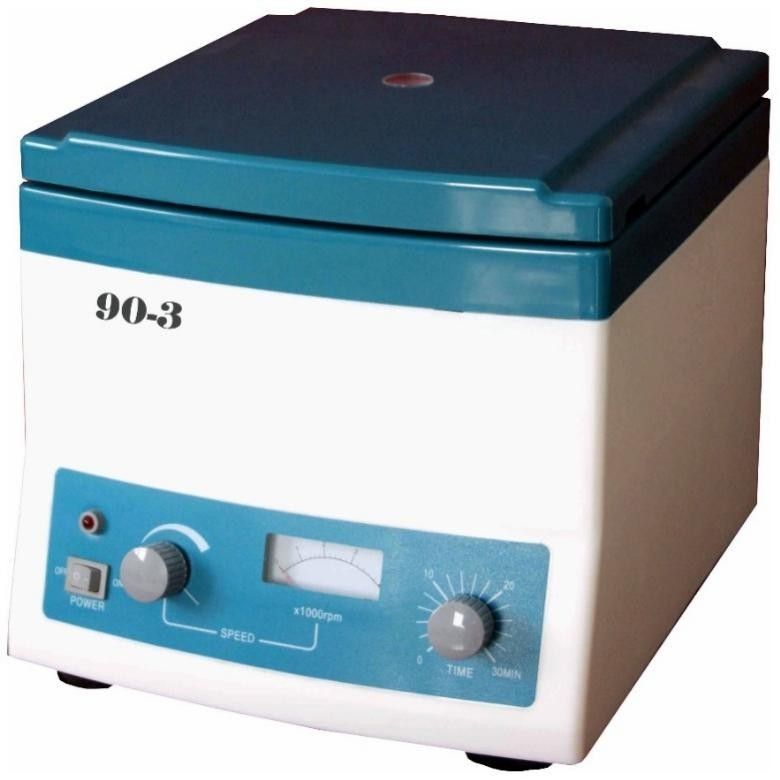
Centrifuge
Model: 90-3
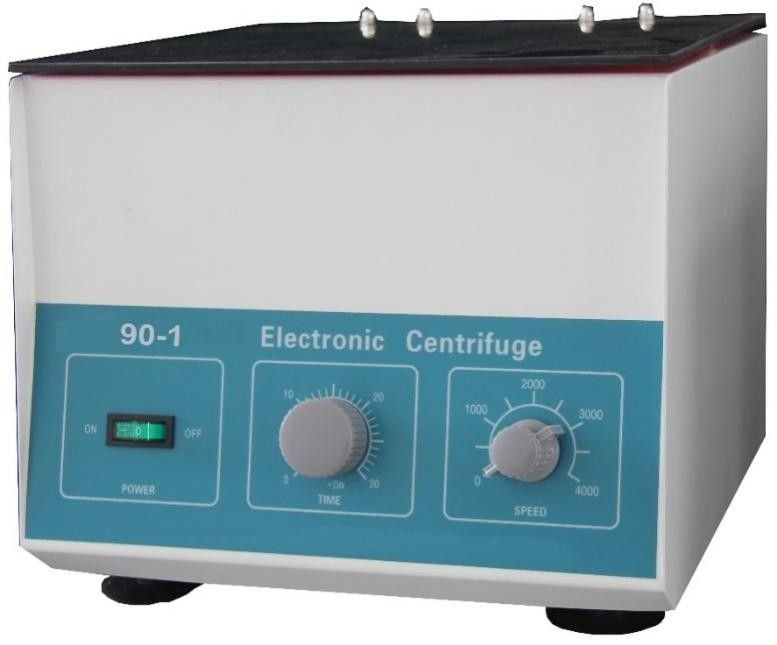
Centrifuge
Model: 90-1
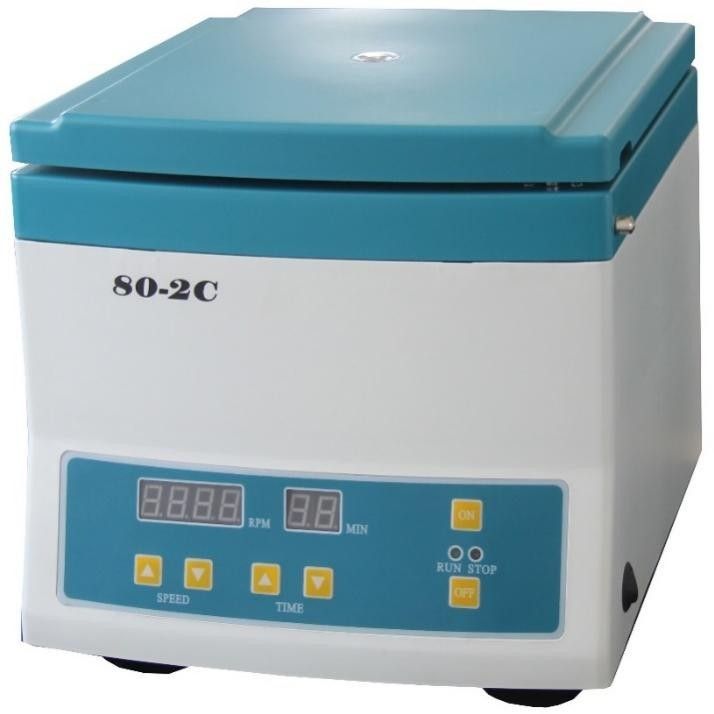
Centrifuge
Model: 80-2C
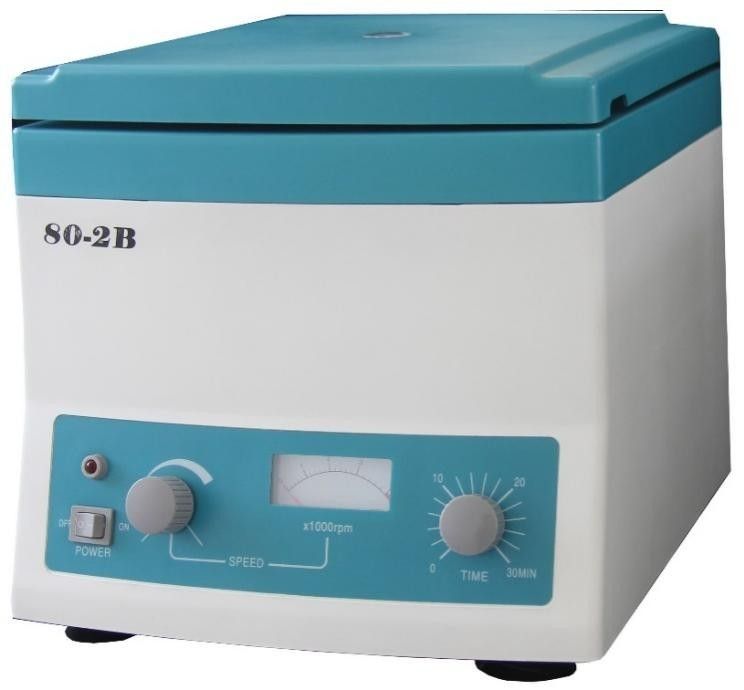
Centrifuge
Model: 80-2B
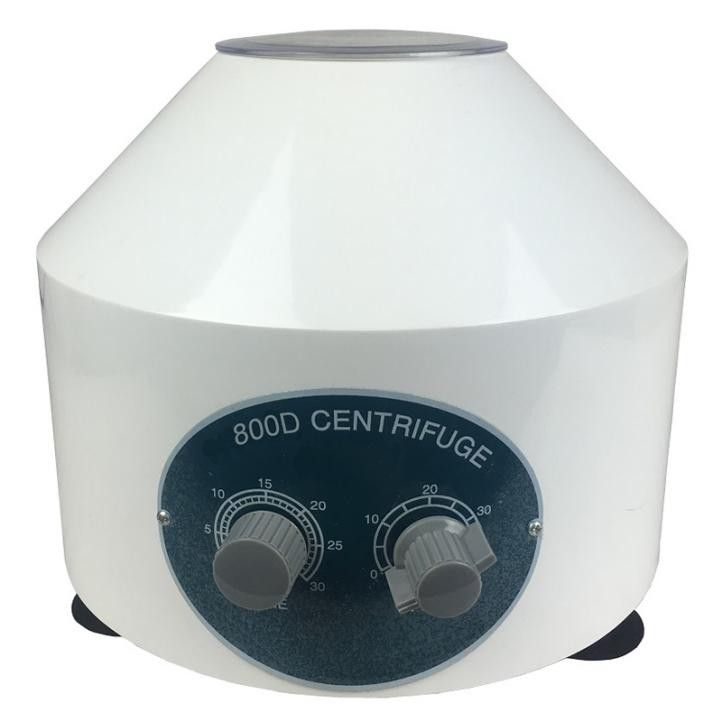
Centrifuge
Model: 800D
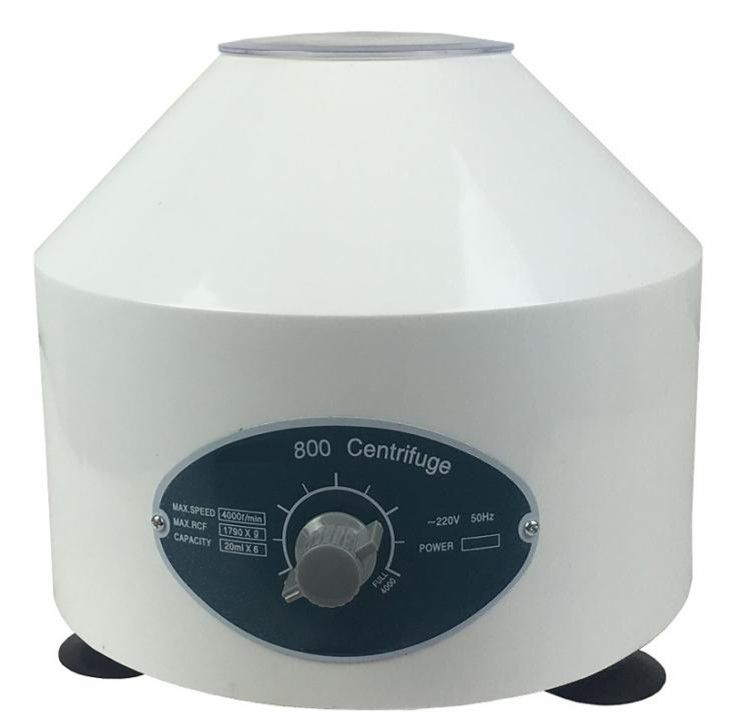
Centrifuge
Model: 800
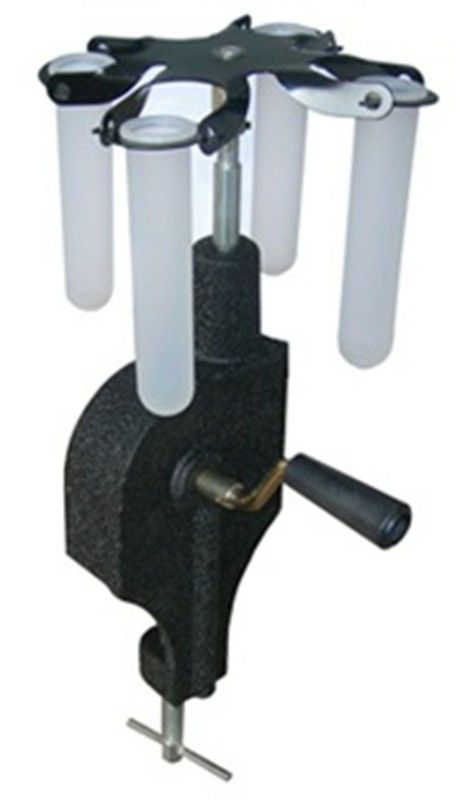
Handle Centrifuge
Model: SYHD
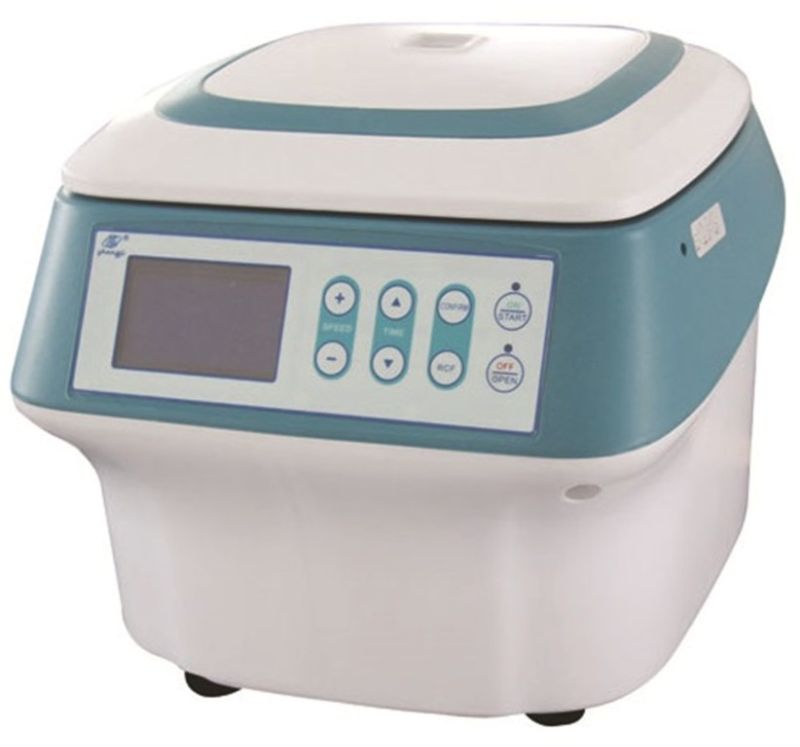
Low Speed Centrifuge
Model: LC-04L
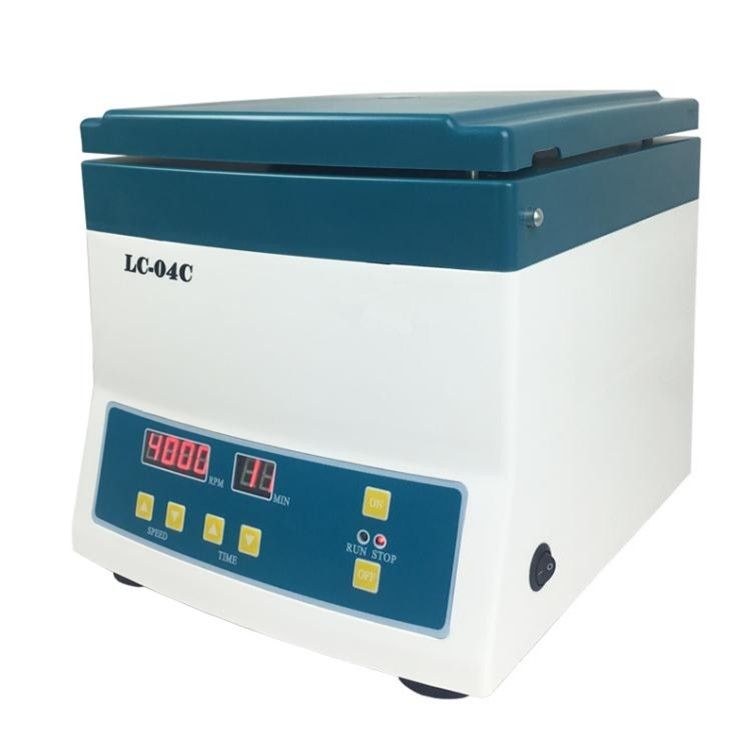
Low Speed Centrifuge
Model: LC-04C
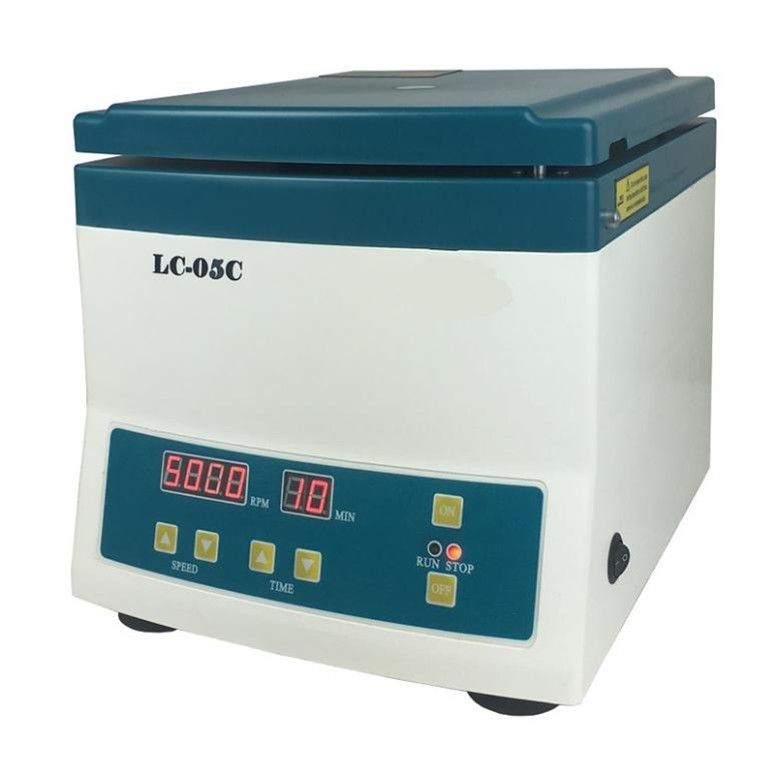
Low Speed Centrifuge
Model: LC-05C
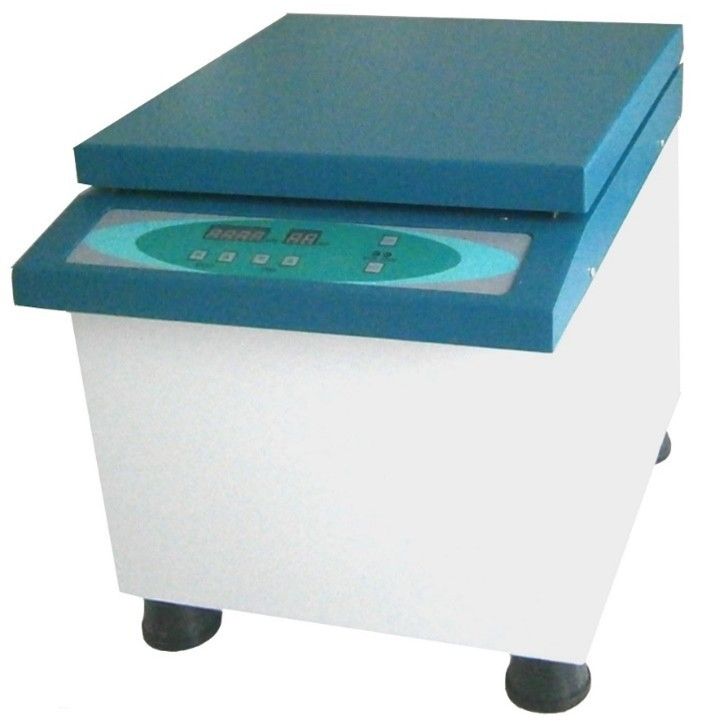
Low Speed Centrifuge
Model: TDL-4C
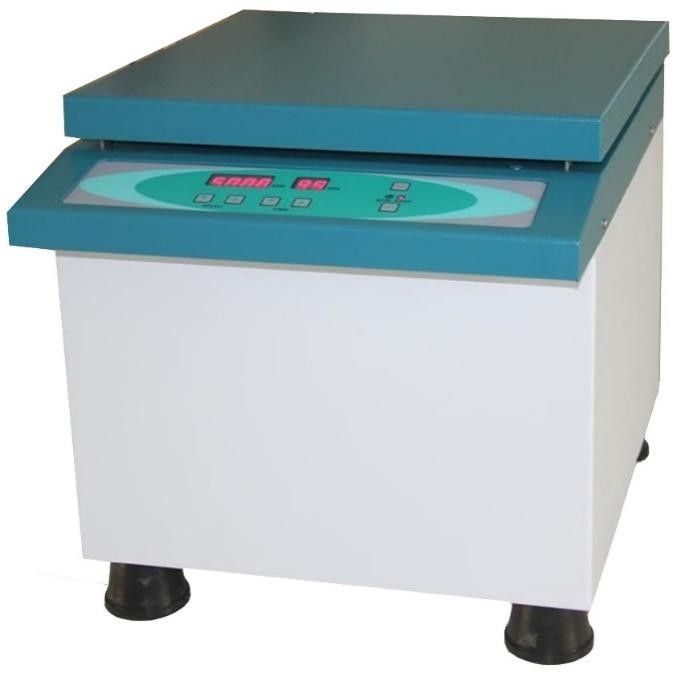
Low Speed Centrifuge
Model: TDL-5A
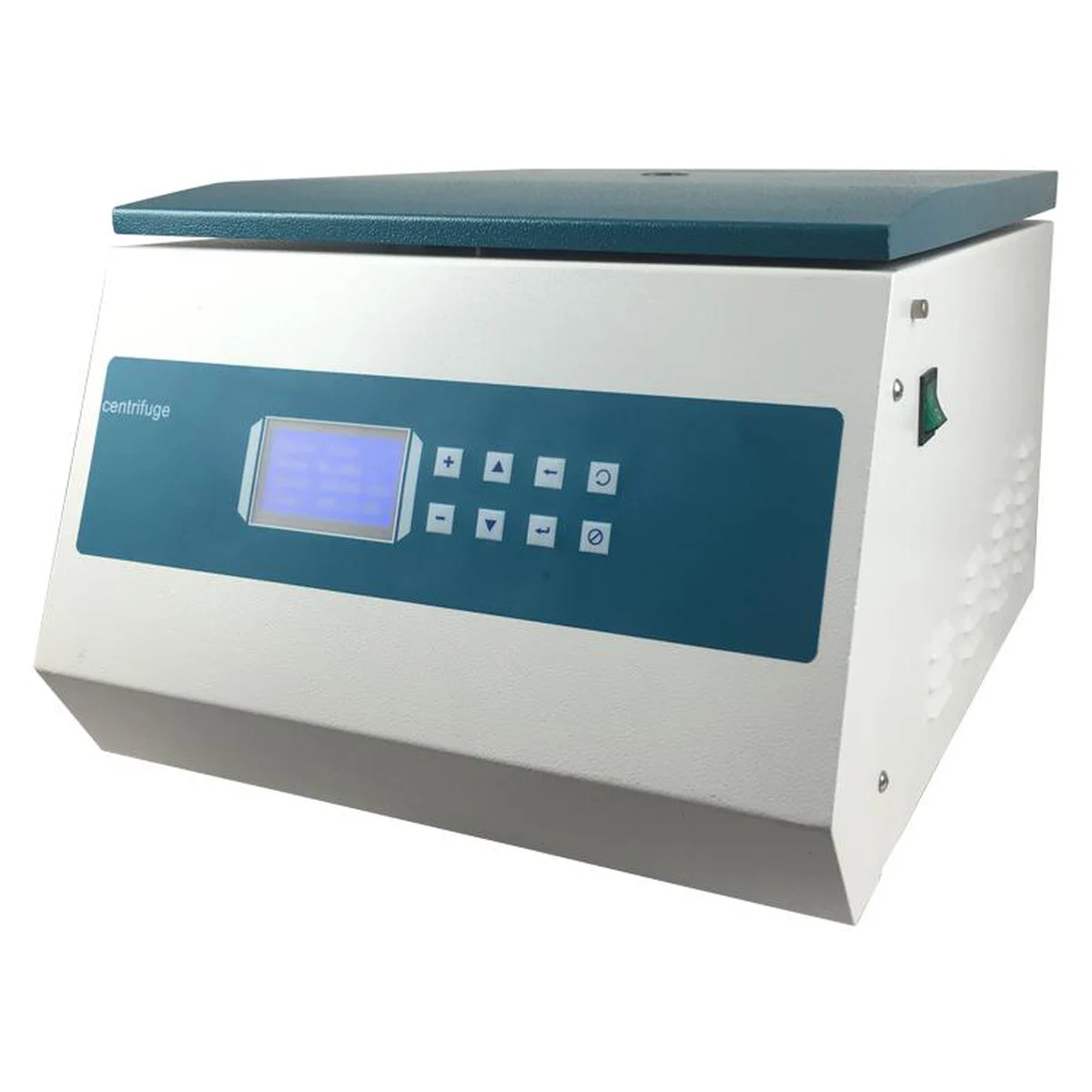
Low Speed Centrifuge
Model: TDL-6C
Refrigerated Centrifuge (High Speed)
Model: HC-16F
Refrigerated Centrifuge
Model: HC-20F
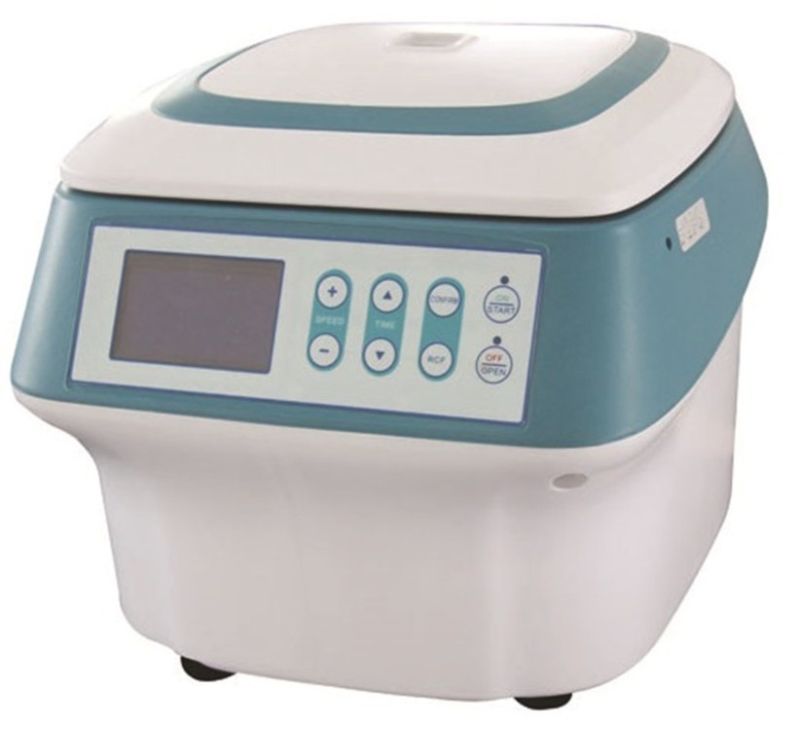
High Speed Centrifuge
Model: HC-20L
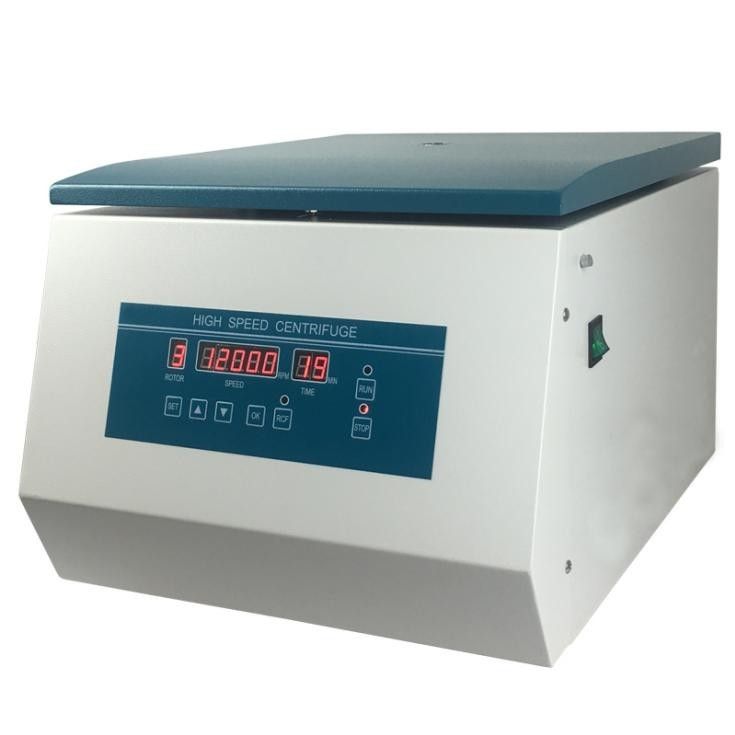
High Speed Centrifuge
Model: HC-20C
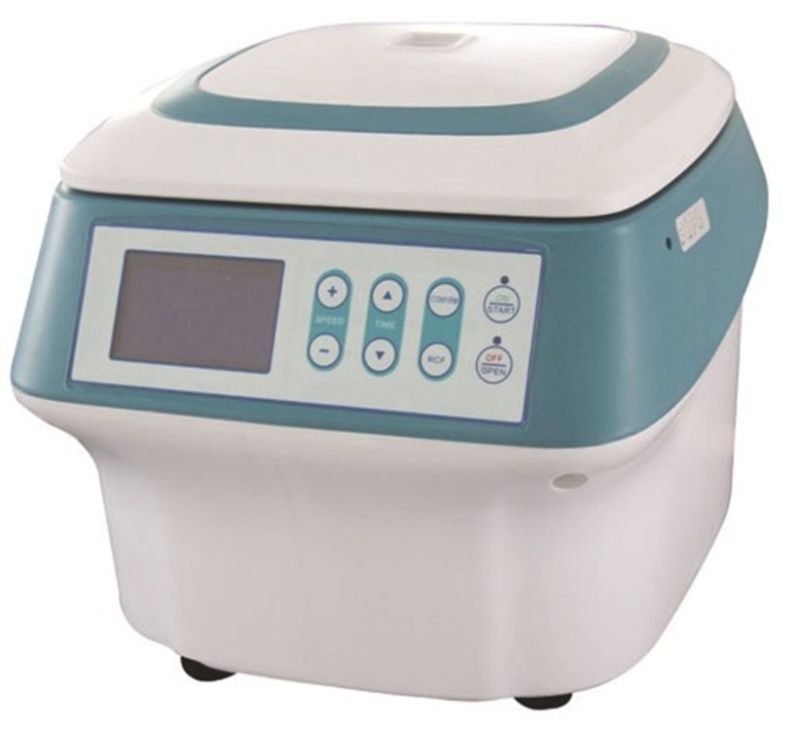
High Speed Centrifuge
Model: HC-16L
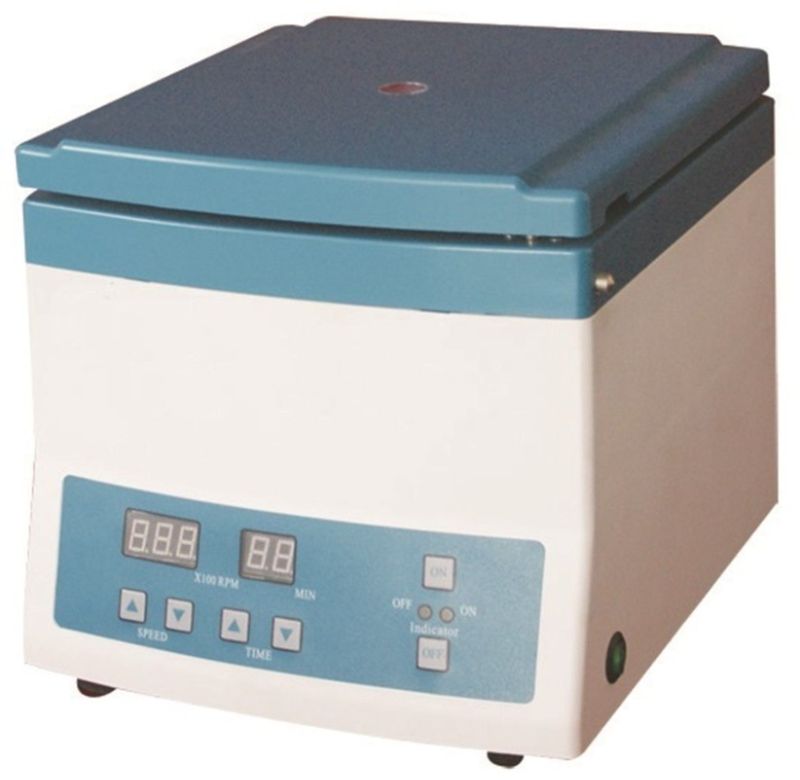
High Speed Centrifuge
Model: HC-16C
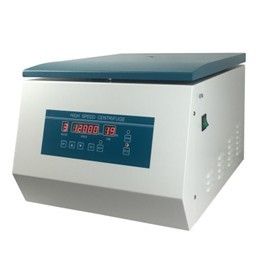
High Speed Centrifuge
Model: HC-16A
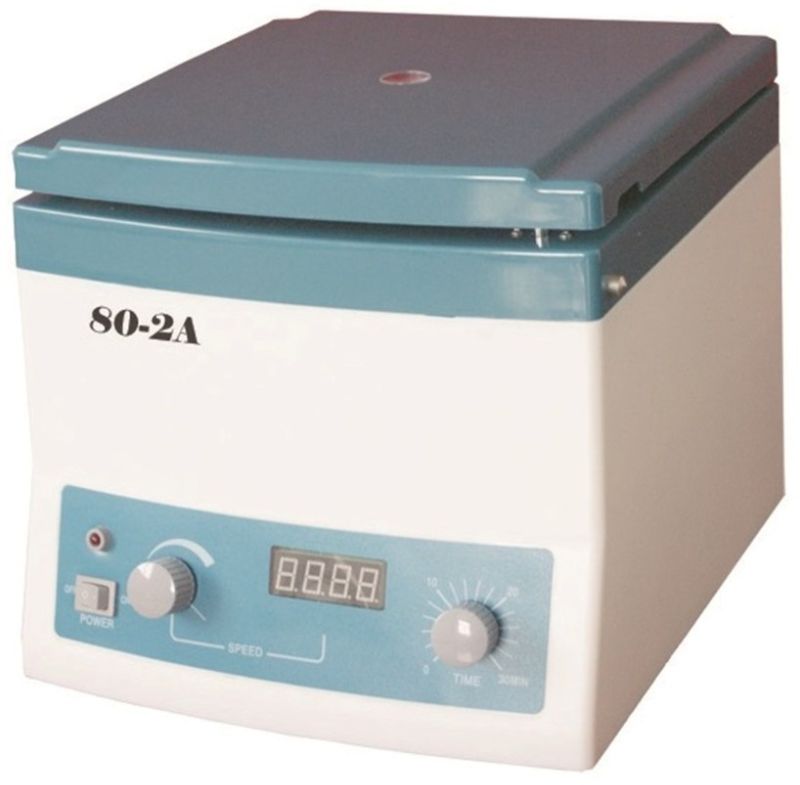
Centrifuge
Model: 80-2A
How to compare and shortlist models
- List the tube dimensions, volumes and number of samples per batch; confirm the matching rotor and adapters in the quotation.
- Compare the specified RCF for the proposed rotor, not only the maximum RPM shown for the centrifuge.
- If temperature control is required, check the published temperature range and the operating conditions for the selected model.
- Request the rotor list, loading and balancing instructions, cleaning procedure and replacement-part details for the exact configuration.
Compare low-speed, high-speed and hematocrit models
Start with the tube format: a 20 mL sample tube, a 1.5/2 mL microtube and a hematocrit capillary need different rotor configurations. The three examples below separate tube capacity from maximum speed, so you can shortlist by your sample format before checking the full rotor specification.
| Model and instrument type | Published specifications | What to specify in your enquiry |
|---|---|---|
| LC-04CLow-speed centrifuge |
| Specify tube dimensions and the required rotor or adapters. Request the RCF for that exact rotor configuration. |
| HC-16CHigh-speed centrifuge |
| Match the microtube size and batch count to the selected rotor; optional rotors have their own speed limits. |
| HC-12CHematocrit centrifuge |
| Confirm the capillary specification and reader in the quoted configuration; this is a capillary format, not a 20 mL tube rotor. |
Source: HQS Medical Centrifuge Catalogue, model sheets for LC-04C, HC-16C and HC-12C. Follow each model link for its product specifications and enquiry options.